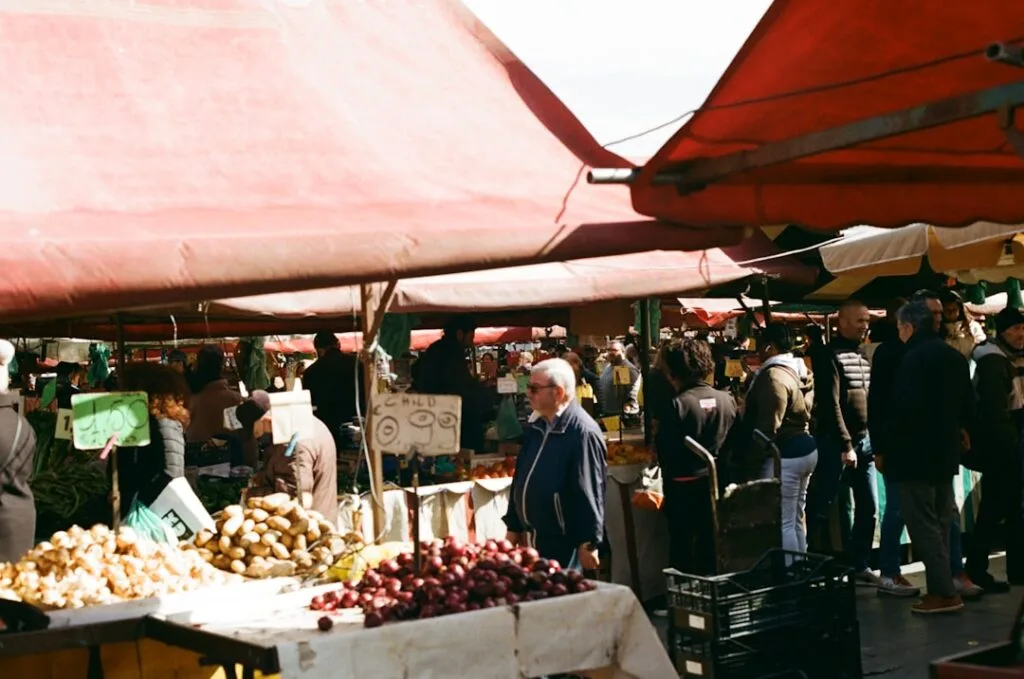






Introduction — Buying Local in Turin: Why it matters and how to get involved
Turin (Torino) isn’t just a city of historic cafés and baroque architecture; it’s also a living lab for neighborhood commerce, where agricultural traditions meet sustainable initiatives at the market stalls. Buying local in Turin supports short supply chains, promotes environmentally friendly farming practices and helps preserve the social fabric of neighborhoods. This guide is a practical, ready-to-use introduction for visitors and locals who want to shop responsibly without sacrificing quality or enjoyment.
The city offers a wide range of options: large open-air markets, Slow Food-certified producers’ markets, bulk stores, organic cooperatives and direct-to-consumer farm pickups. Each place has its own vibe, selection and practical tips — from aged mountain cheeses and artisanal jams to exceptional vegetables and on-site vegan snacks. This guide lists concrete locations with addresses, opening hours, indicative prices and local recommendations so you can make the most of each visit.
Beyond addresses, buying local in Turin requires a few basic habits: bring a reusable bag, know the seasons, bargain with respect, watch the opening times (morning markets often close early) and ask about origin. Turin’s producers are typically proud to explain their methods — how they irrigate, which heirloom varieties they favor or how they raise their animals — and they appreciate genuine interest. The guide also highlights sustainable alternatives: bulk purchases to cut packaging, weekly baskets collected at pickup points, and cooperatives that let you buy in groups for larger volumes at fair prices.
Finally, buying local in Turin connects you to Piedmont’s food history: the traditions of the Valdostana cow and cheesemaking, alluvial vegetable farming, the importance of aromatic herbs and the charcuterie craft. Strolling through markets and shops you’re not just filling a basket — you’re living a cultural, participatory experience. The pages that follow detail unmissable, committed places, give price ranges (in euros), list opening hours and offer practical tips for a responsible, delicious approach to local shopping in Turin.
1. Mercato di Porta Palazzo — the beating heart of local trade
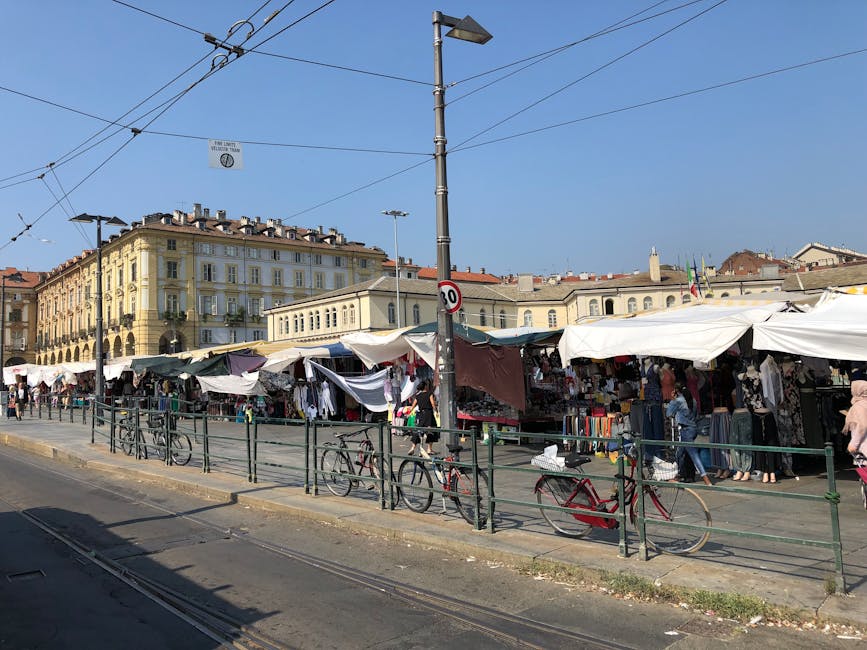
The Mercato di Porta Palazzo, on the large Piazza della Repubblica, 10122 Torino, is one of the biggest open-air markets in Europe and a must-visit for anyone wanting to buy local in Turin. The market spreads around the Borgo Dora quadrilateral and includes both food and non-food sections. General hours: Monday to Saturday, 07:00–14:00 (times can vary with the seasons and some stalls open earlier). The market is especially lively on Saturday mornings when producers from the suburbs join in.
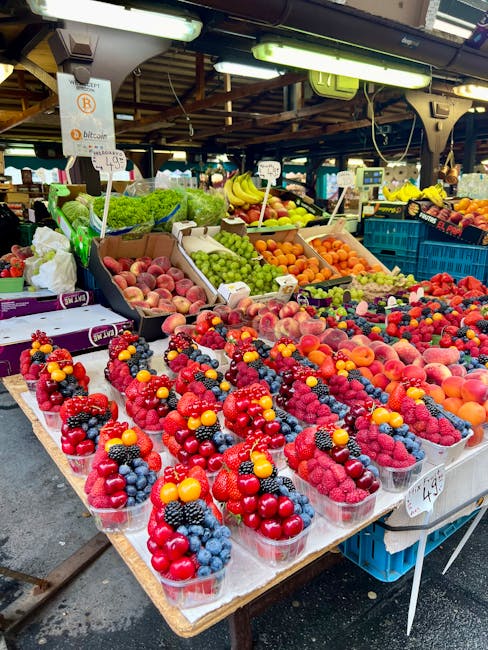
On site, expect stalls offering seasonal vegetables from around €1.50–3.00/kg (for example courgettes, potatoes), local fruit at €2.00–4.00/kg depending on the season, artisan bread between €2.50–5.00 per loaf, and Piedmontese cheeses (Toma, Robiola) roughly €12–22/kg. Local butchers and charcuterie vendors sell classic cuts (salsiccia, coppa) at €10–18/kg. There’s also a section dedicated to ethnic and exotic products, which adds to the market’s cosmopolitan feel.
Practical tips: arrive early for the best picks — ideally between 07:30 and 09:30 — and bring reusable bags and coins for small purchases. Don’t hesitate to ask about product origin: many vendors sell vegetables straight from nearby producers (Province of Torino, Val di Susa). The market also has organic stalls and quick dining spots serving local prepared dishes if you want a market lunch on the go.
2. Mercato della Terra and Slow Food markets — committed producers
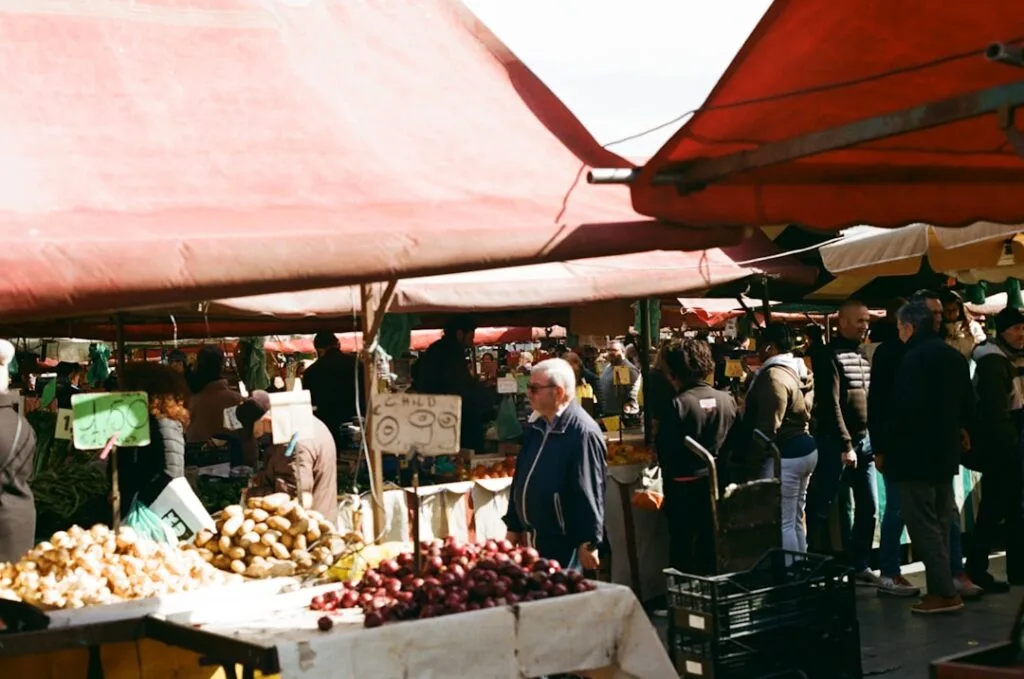
The Mercato della Terra, run by the Slow Food organization, links consumers directly with small, committed producers. In Turin, these markets run regularly — notably on Saturday mornings within Mercato di Porta Palazzo (check the seasonal calendar) — and bring together local farms, beekeepers, cheesemakers and artisans practicing sustainable agriculture and biodiversity. Typical hours: Saturday 08:30–13:30. Exact locations are usually announced through Slow Food Piemonte e Valle d’Aosta channels (up-to-date info at slowfood.it).
Prices reflect quality and ethics: artisanal honey €6–12/250 g depending on floral source, heirloom vegetables €3–6/kg, farmhouse cheese €15–30/kg, gourmet preserves (sugo, chutney) €4–8 per jar. These markets are also a chance to buy saved seeds and plants for your garden — a concrete way to support local biodiversity.
The vibe at Mercato della Terra is both educational and friendly. Producers explain their methods (crop rotation, limited treatments, respect for pastures). Bring questions — about harvest times, traceability, certifications (organic, biodynamic) — and be ready to pay a bit more than in a supermarket in exchange for traceable, seasonal and often tastier products.
3. Bulk shops and cooperatives — cutting down on packaging
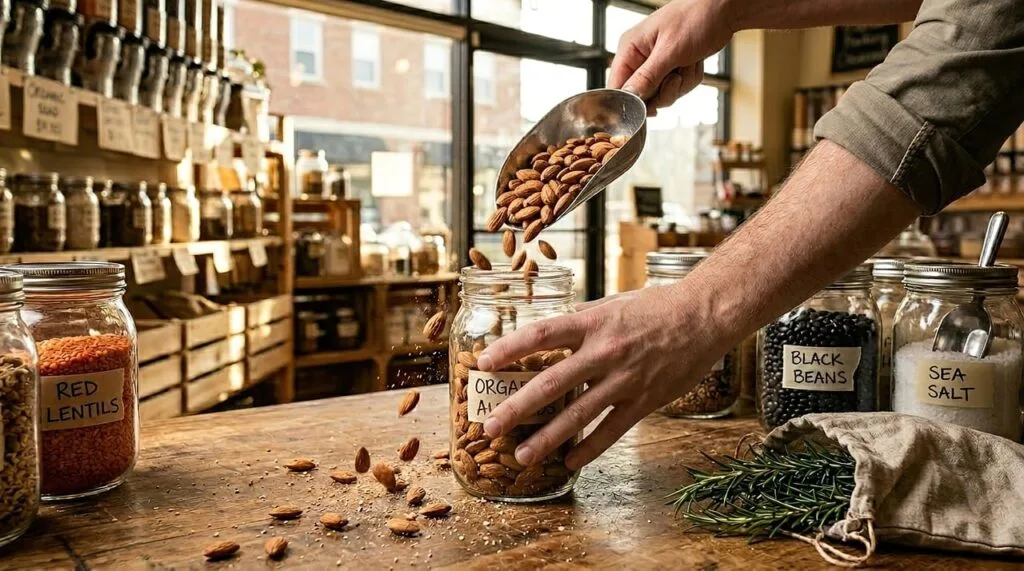
Turin has several bulk food shops and food cooperatives that make zero-waste shopping easy. These places sell grains, legumes, oils, spices and household products unpackaged, often with a selection of local goods. Typical opening hours: most are open weekdays 10:00–19:00, some close in the afternoon; check local listings for exact times.
Example products and indicative prices: local rice and pasta in bulk €2–5/kg, lentils and pulses €3–6/kg, extra virgin olive oil €8–18/litre depending on origin, solid soaps €3–6 each. Cooperatives sometimes let you buy in group orders for discounts (great for oils and flours in larger quantities).
Practical tips: bring clean jars or buy some there, weigh your containers before filling and note the product code if required. Owners and volunteers at cooperatives often share recipes and storage tips; these shops are as much about community exchange as shopping. Some stores also run workshops (making household products, fermentation) to deepen the link with local production.
4. Peri-urban farms and farm boxes — short supply chains for every week
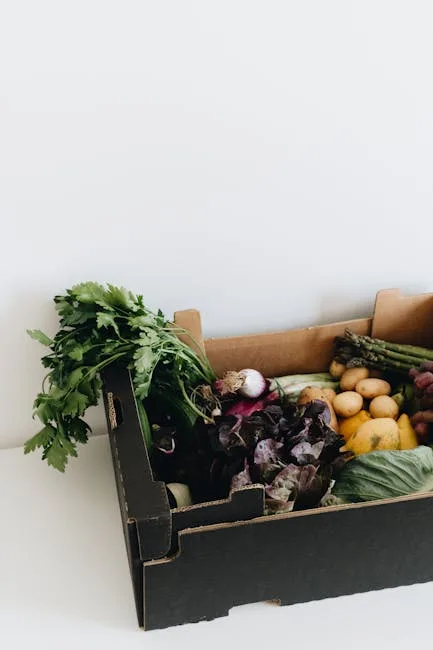
Buying directly from farms is one of the best ways to guarantee provenance and quality. On the outskirts of Turin, several cascine (farms) offer weekly boxes (cesti) to pick up in the city or at the farm: seasonal vegetables, fresh eggs, cheese, country bread. Prices vary by box size: small box €10–15/week, medium €20–30/week, large €35–50/week. Monthly subscriptions often include a 5–15% discount.
How it works: look for cascine nearby (Val Susa, bordering Monferrato) that deliver to pickup points in Turin — often through partnerships with neighborhood cafés or cooperatives. Farms usually communicate the box contents the week before so you can adjust orders. Pickup is convenient: collection times are often late afternoon, 17:00–19:00, or Saturday morning.
Visiting a cascina shows you the full cycle — from fields to stables — and may give you a chance to join open days or workshops (milk processing, cheesemaking, harvesting). These experiences strengthen buyer-producer trust and make shopping a more conscious act. Check for certifications (organic, agricoltura biologica) if that matters to you, and ask whether specific practices (composting, agroforestry) are in place.
Conclusion — Turning your purchases into a civic act in Turin
Buying local in Turin is more than just choosing products: it’s a daily commitment that ties together environmental respect, support for the local economy and preservation of traditional skills. By wandering Mercato di Porta Palazzo, visiting Slow Food markets, embracing bulk shops or subscribing to farm boxes, you help create steady demand for quality products. Every gesture counts: choosing a farmhouse cheese over an industrial alternative, refusing unnecessary packaging, or simply listening to a producer’s story enriches your experience as a consumer.
Concrete habits to keep: always bring reusable bags and containers, favor seasonal products, ask about origin and agricultural practices, and see price as an indicator of true value (quality, labor, transport). For visitors, plan market outings early in the morning, check special market days (themed markets, agricultural fairs) and include a countryside visit to understand the city–land connection.
In short, Turin offers a rich, accessible range of sustainable initiatives: bustling central markets, small producers’ markets, bulk outlets and welcoming farms. As an engaged consumer you become part of a virtuous cycle that values authentic products and supports those who make them. Take the time to talk to vendors, taste, compare and follow the seasons — soon your shopping basket will be telling the story of a territory and the people who shape it, not just a meal.