





Introduction: The Secrets of Turin’s Market Growers
Turin isn’t just the city of the Mole Antonelliana, gianduja chocolate and famous carmakers — it’s also a place where urban agriculture, local trade and market gardening traditions have carved out a special spot. Along the streets and squares, between baroque doorways and Art Nouveau facades, you’ll find stalls piled high with seasonal vegetables, baskets of aromatic herbs and producers from the Piedmont valleys, all telling a story that’s old yet very much alive. Learning the secrets of Turin’s market growers means diving into a web of connections that links the countryside to the city center, uncovering tips for storage, buying and prep, and spotting the region’s standout produce — from cime di rapa to Ivrea strawberries — whose quality defines the local cuisine.
This guide walks you through everything step by step: where to meet growers, which products to favor by season, how to haggle without offending, where to buy direct, and which storage and prep techniques preserve flavor and freshness. The advice is practical: exact addresses, opening windows, typical price ranges in euros, plus tips for getting around, parking and interacting with producers. The goal is twofold: help visitors bring home the authentic taste of Turin and help locals refresh their shopping habits by discovering local tricks and specialties.
You’ll also find cultural and tourist cues to pair with your visits: a stop at the Mole Antonelliana or the Palazzo Reale di Torino before getting lost in the market aisles, a coffee on the terrace of Piazza San Carlo after your shopping, or a gourmet pit stop at Eataly to round off your basket. Each place mentioned includes suggested hours and indicative prices so your trip runs smoothly. We’ve slipped in insider tips too — how to spot a non-certified organic producer, which tomato varieties are best for sauce, or how to store herbs the Italian way — so every discovery becomes a true culinary souvenir from Turin.
1) Mercato di Porta Palazzo: The Heart of the Growers
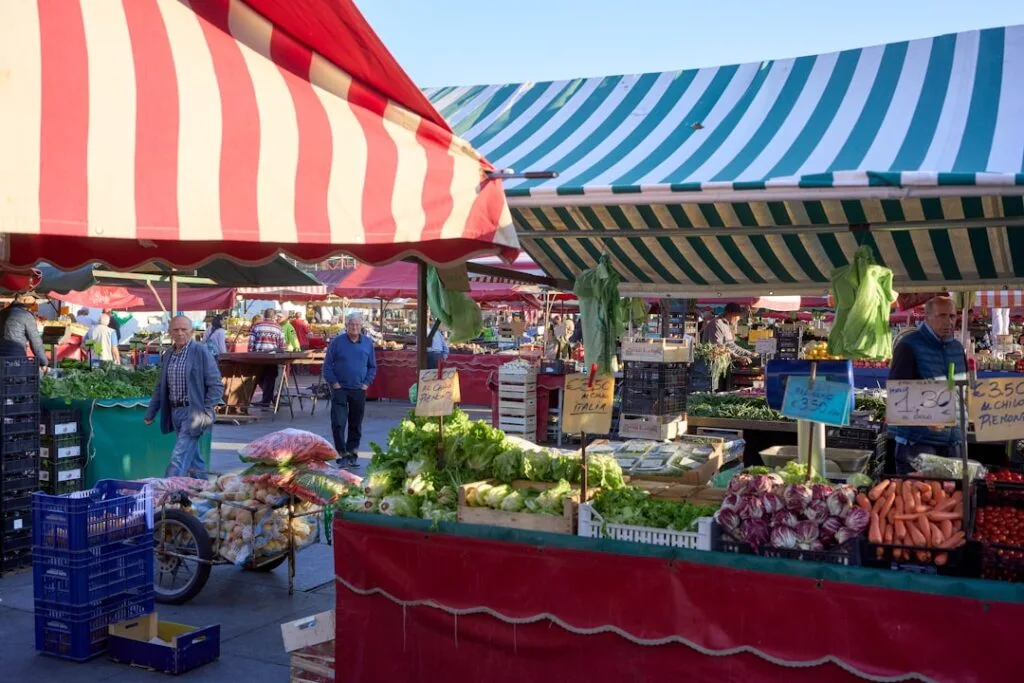
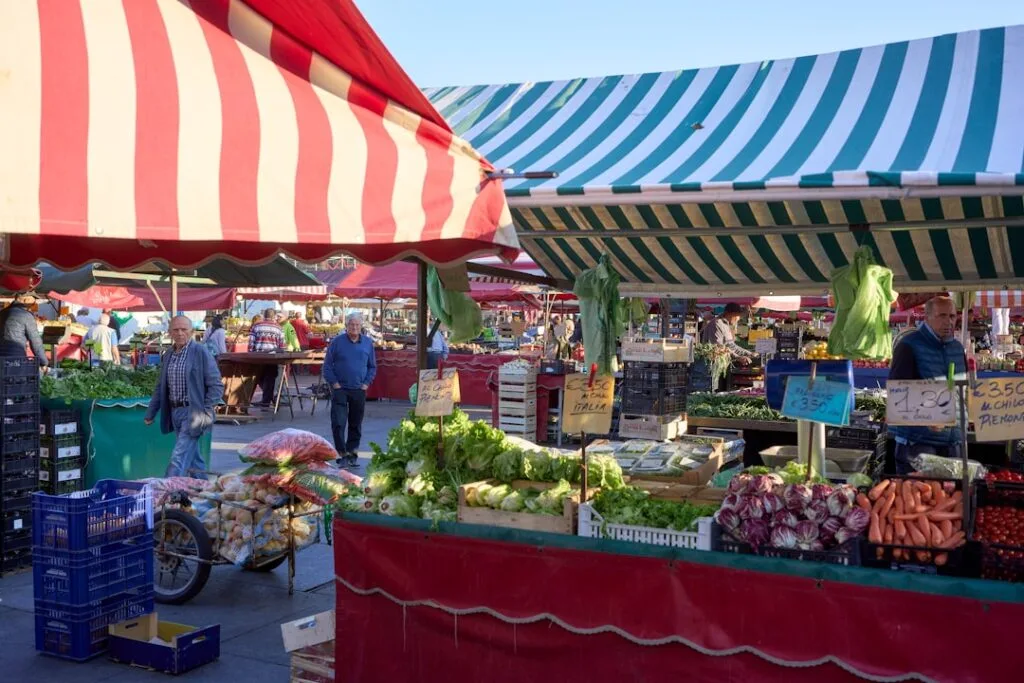
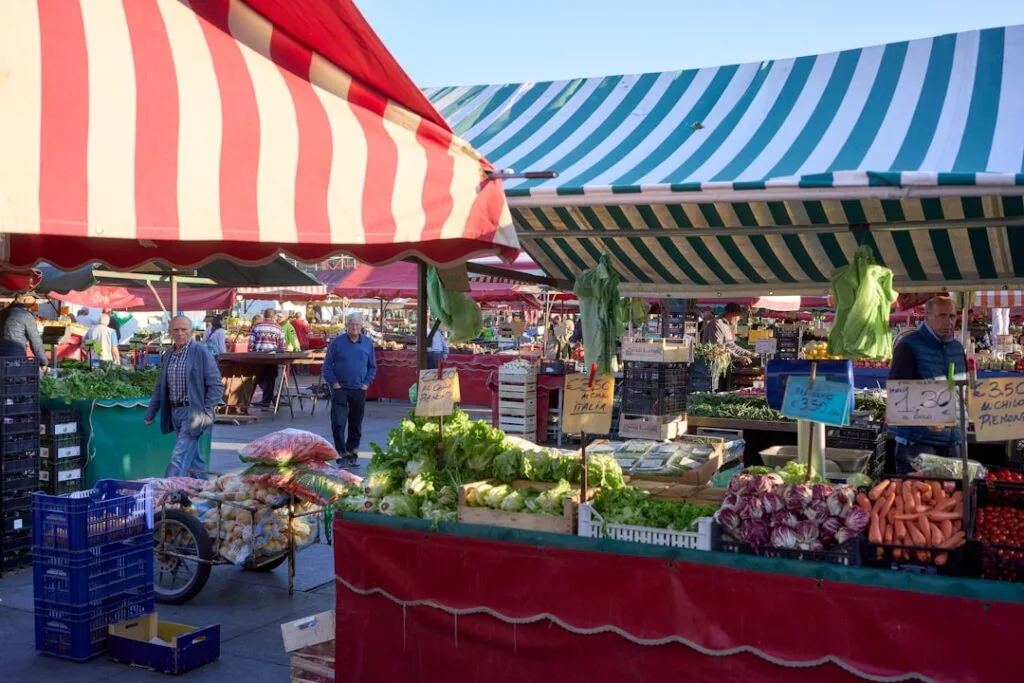
The Mercato di Porta Palazzo, set on the vast esplanade of Piazza della Repubblica, 10152 Torino TO, is often touted as Europe’s largest open-air market. Here, growers and wholesalers line up Monday through Saturday offering a huge variety of fresh vegetables, fruits, herbs and regional specialties. Practical hours: most stalls open very early, between 06:00 and 07:00, and close around 14:00. The market is largely closed on Sundays, though some food stalls and cafés on the square remain open. Expect highly competitive prices: cabbages (cavoli) from €0.80 to €1.50 per kilo depending on the season, local tomatoes €1.20–€3.00/kg, and Ivrea strawberries in spring at about €3.50 per 250 g punnet.
The market is organized into sections: the area ortofrutticola (fruits and vegetables), meat stalls, occasional fish vendors, herbs and plants, plus stands dedicated to imported goods. Many growers come from the Piedmont valleys (Susa, Chisone, Val di Susa) and are happy to talk about their methods: open-field cultivation, unheated greenhouses, crop rotation. To spot a genuine grower, look for those offering variations of the same variety (multiple kinds of squashes, heirloom tomatoes), worn crates and handwritten labels, and those who sometimes offer small tastings to convince you.
Practical tips for the market: arrive before 10:00 to get the best picks and avoid crowds, bring cash (many stalls don’t take cards), and pack an insulated bag if you’re buying sensitive items like delicate herbs or fresh dairy. If you want something specific (purple asparagus, late radicchio), ask the seller when they’ll have it again — growers often reserve items for customers. Don’t be afraid to negotiate gently: a small discount may be possible on bulk purchases, but avoid aggressive bargaining which can be seen as disrespectful.
2) Signature Produce and How to Recognize It
Turin’s market growers favor local, seasonal varieties, often handed down through generations. Signature products include:
- Radicchio di Chioggia: a tight red-and-white heart, firm with a slight bitterness. Visual cue: compact leaves without browning. Price guide: €2.50–€4.00 each depending on size.
- Heirloom / canning tomatoes (pomodori da conserva): dense flesh ideal for sauces. Recognized by their thin skin and strong aroma. Price: €1.50–€3.00/kg depending on variety.
- Zucchine trombetta: long, trumpet-shaped courgettes with delicate flesh. Often sold at €2.00–€3.50/kg.
- Aromatic herbs (basilico genovese, prezzemolo): buy them in the morning while still dewy; price: €1.00–€2.50 per bunch.
- Fagioli piemontesi: DOC beans, dry and flavorful, sold in 500 g bags for about €4.00–€7.00.
Spotting quality takes attention: smell fruits and vegetables (a strong fragrance often signals freshness), check the stem (green and firm for tomatoes and strawberries), and assess density (gently squeeze a peach or pear to judge ripeness). Growers are happy to offer prep advice: for zucchine trombetta, prefer a quick pan-sear with local olive oil to preserve texture; for fagioli piemontesi, soak 12 hours then simmer gently to bring out their buttery flavor.
Grower tip: ask the seller for the exact origin (municipality, altitude) — a small mountain producer often has more aromatic crops but in limited quantity. If you’re after the best basil for pesto, look for shiny, untarnished leaves; avoid ones with black spots. Store herbs wrapped in a damp cloth in the fridge to extend freshness, and keep tomatoes at room temperature to preserve aroma.
3) Where to Buy Direct: Addresses and Recommended Spots
Beyond Porta Palazzo, several places in Turin let you buy direct from producers or choose high-quality market garden products. Here are useful reference points with addresses, hours and indicative prices:
- Mercato Centrale Torino — Piazza della Repubblica (indoor hall), Via Sant’Agostino 24, 10122 Torino. Hours: food hall open daily 08:00–22:00, individual stalls often 07:00–20:00. Prices: meals on site €6–€18, vegetable stalls €2.00–€4.00/kg depending on season. This covered market offers a curated selection of local producers and a tasting area perfect for comparing products and preparations.
- Eataly Torino Lingotto — Via Nizza 230, 10126 Torino. Hours: 10:00–22:00 (may vary for events). Prices: premium products — vegetables and preserves €3–€8 depending on specialty, tasting workshops €15–€40.
- Mercato di Piazza Madama Cristina (San Salvario) — Piazza Madama Cristina, 10125 Torino. Hours: Wednesday and Saturday mornings 07:00–13:00. Prices: vegetables €1.50–€3.00/kg.
For farm-direct purchases, several growers around Turin open their gates on weekends. Small cascine (farms) in the cintura verde (green belt) around Turin sometimes offer weekly baskets (cassetta) to order: average prices €12–€25 per basket depending on size. Always ask whether the cassetta includes processed items (preserves, jams) and whether city delivery is possible.
Logistics tips: if you come by car, the underground parking « Parcheggio Porta Palazzo » (under Piazza della Repubblica) eases access; bring change for parking (rates vary, around €1.50–€2.50/hour). By public transport, the nearest metro station to Porta Palazzo is « Porta Susa » (GTT network) with tram connections. Neighborhood markets are often walkable or bikeable — consider a sturdy basket or shopping trolley if you’re buying in volume.
4) Storage, Prep Tricks and Local Pairings
Knowing how to buy goes hand in hand with knowing how to store and prepare. Turin’s growers share simple techniques that prolong freshness and reveal flavors. Here are methods tested by local producers:
- Storing herbs: basil and parsley keep better out of the fridge, in a glass of water at room temperature, leaves unwashed. Change the water every two days. Price per bunch: €1.00–€2.50.
- Tomatoes: store at room temperature, away from direct sunlight. For sauce, let tomatoes sit a few hours in the kitchen to concentrate aromas before cooking.
- Leafy greens (spinach, chard): wash, spin dry, then wrap in a damp towel and place in an airtight container in the fridge for 3–5 days.
- Dry pulses: fagioli and lenticchie keep for months in an airtight jar away from light. Indicative price: €3–€7/kg depending on origin.
Recipes and pairings: for a simple antipasto, pair sliced cuore di bue tomatoes, mozzarella di bufala (150 g for 4, about €3.50–€6.00) and fresh basil, dressed with Piedmont extra virgin olive oil and a drizzle of balsamic vinegar. To highlight local herbs, make a classic pesto replacing part of the basil with local walnuts for a more Piedmontese flavor. Growers often recommend slow, low-temperature roasting for root vegetables (carrots, parsnips) to develop natural sugars and aromatic complexity.
Local tricks: use stale bread to absorb excess moisture from finely chopped vegetables (handy for marinated salads), and freeze chopped herbs in an ice cube tray with a bit of olive oil for later cooking. If you buy a rare item, ask the seller for a quick recipe — Turin’s growers love sharing their knowledge and it can turn your meal into a genuine local experience.
Local Practical Tips and Respecting the Terroir
When visiting markets and buying from growers, keep a few etiquette rules in mind: don’t handle products excessively (ask the seller), respect queues and sorting instructions (Turin markets are increasingly attentive to recycling), and favor responsible purchases (avoid waste and bring reusable bags). Tipping isn’t expected at the market, but a friendly chat and a sincere compliment about the product quality often open the door to extra tips or a small discount.
Conclusion: Take a Taste of Turin Home
Turin’s market growers offer much more than fruits and vegetables: they deliver culinary and cultural heritage. Their stalls are open books on the Piedmont terroir, where each variety tells of a season, an altitude, a cultivation method. By learning to recognize products, buy at the right time and prepare them with simple techniques, you’ll take home a genuine piece of Turin. The spots mentioned — from the bustling expanse of the Mercato di Porta Palazzo (Piazza della Repubblica, 10152 Torino TO) to the covered halls of the Mercato Centrale Torino (Via Sant’Agostino 24, 10122 Torino) and Eataly’s corners (Via Nizza 230, 10126 Torino) — help you plan an efficient, delicious visit with hours and prices to guide your shopping.
Beyond addresses, the practical advice here — arrive early, bring cash, ask for exact origin, store herbs properly — will transform your experience. You’ll know how to negotiate without offending, how to choose tomatoes that hold up in a sauce, and how to preserve herb aromas with simple, low-cost tricks. Finally, respecting growers’ rhythms (buying seasonally, honoring small-scale production) supports a sustainable food model and keeps alive the relationship between the city and its countryside. Through its markets and growers, Turin reveals itself as a destination where curious travelers find not only flavors but stories and techniques to bring home.