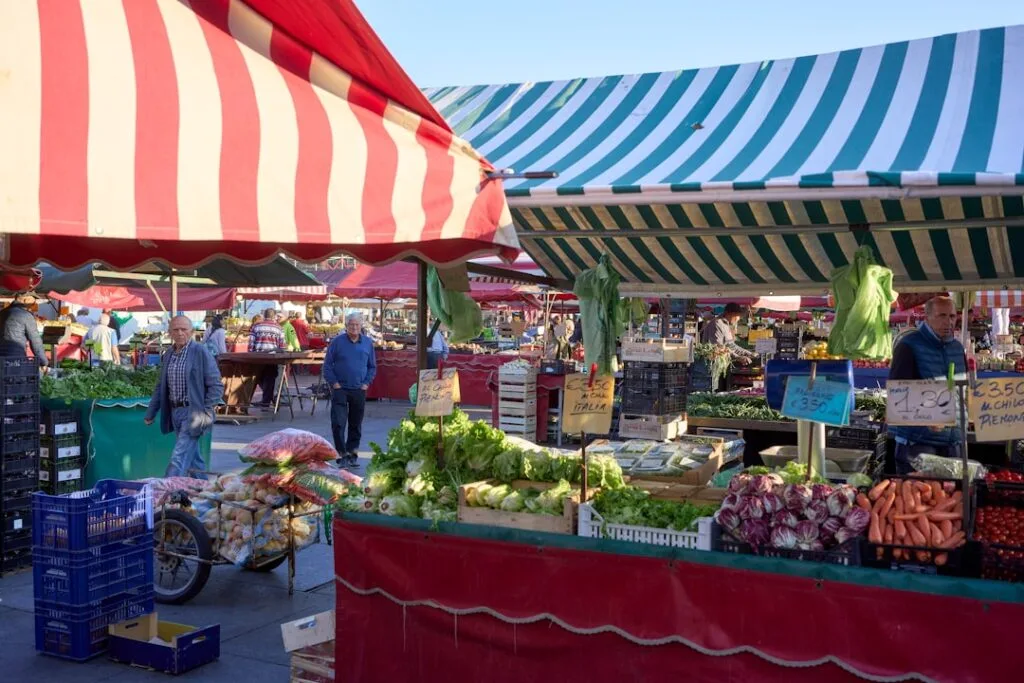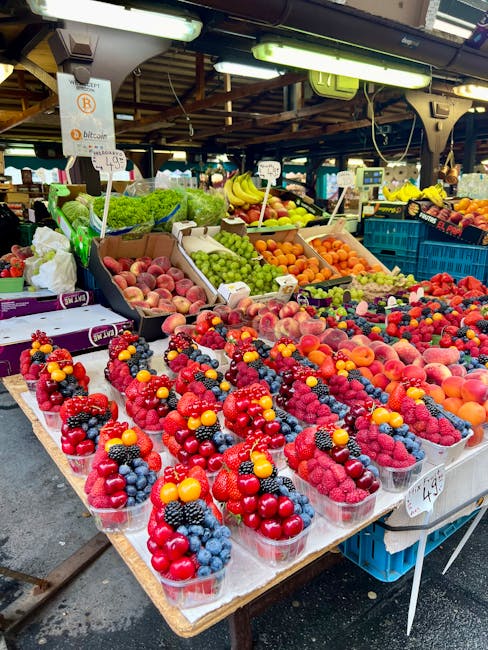






Introduction: neighborhood markets in Turin — meeting local producers
Turin (Torino) is a city where culinary tradition meets a renewed wave of small-scale farming and artisanal craft. The neighborhood markets aren’t just places to buy things: they’re daily stages where conversations unfold between producers, artisans and city dwellers. Strolling through a Turin market is a hands-on lesson in seasonality, forgotten vegetable varieties, locally aged cheeses, Piedmont cured meats and sourdough bread baked at the edge of the hall. Markets are also human meeting places: you’ll bump into vegetable growers from the Aosta Valley, livestock farmers from the Monferrato hills, fishermen from the Po and artisans working chocolate and flour using family techniques.
This guide-style piece, aimed at curious travelers and residents wanting to reconnect with short supply chains, focuses on Turin’s neighborhood markets where meeting producers is central to the experience. I give exact addresses, usual opening hours, price ranges you can expect and practical tips to get the most out of each visit: the best times to go, how to haggle politely, which items to prioritize by season and how to transport and store your finds. You’ll also find suggestions for typical purchases — cheeses like toma or robiola, cured meats from the Chisone valley, heirloom vegetables, aromatic herbs, farm eggs, hill-side honey and wines sold straight from the estate.
Each market has its own character: some are sprawling open-air markets buzzing with a diverse crowd, others are covered halls where you chat with the fishmonger and bakers, and some mix antique dealers with producers’ stalls. I highlight three emblematic Turin markets — Porta Palazzo, Borgo Dora (Balôn) and Piazza Madama Cristina — giving practical details (addresses, hours, approximate prices) and immersive descriptions so you can plan your visit with confidence. You’ll also get local tips: how to spot genuine farm products (labels, smells, texture), how to keep your purchases cool while walking around the city center, and how to pop into a café or osteria after the market to taste things on the spot.
Mercato di Porta Palazzo — the great stage for producers
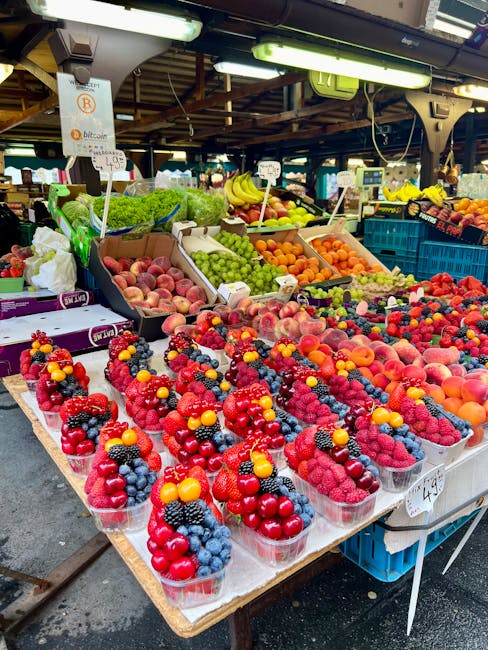
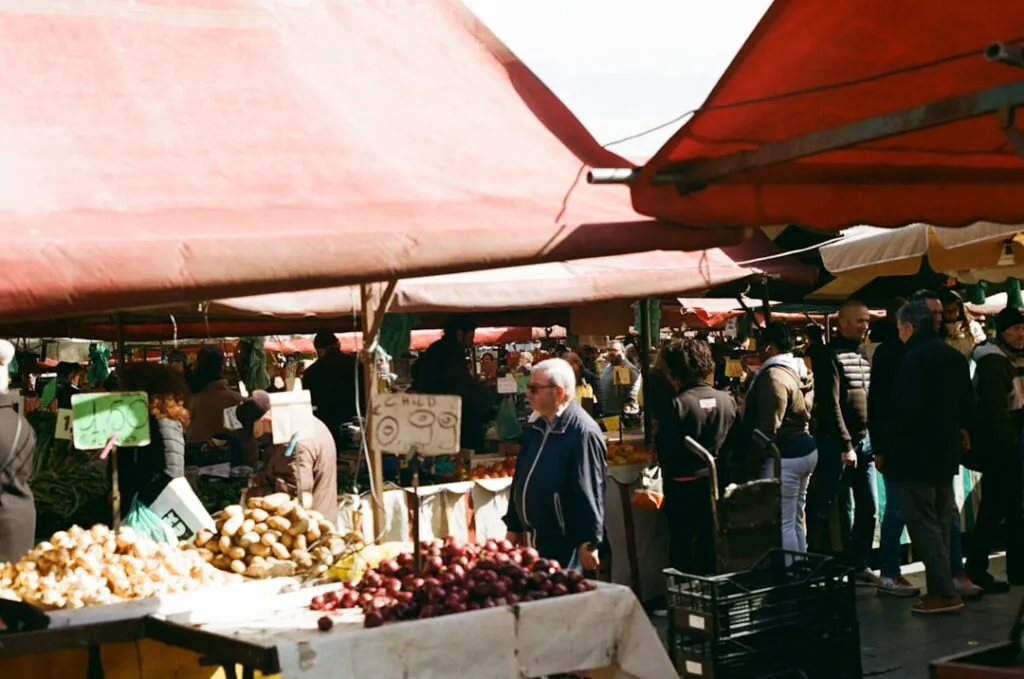
Mercato di Porta Palazzo is often billed as the largest open-air market in Europe, and it’s truly a must-visit for meeting local producers. Exact address: Piazza della Repubblica, 10152 Torino. The market stretches across the wide Piazza della Repubblica and several adjacent streets (Corso Cincinnato, Via della Repubblica), offering food stalls as well as sections for textiles, flowers and goods. Usual hours: Monday to Saturday from 07:00 to 14:00 (some vendors close earlier, around 13:00). On Sundays activity is scaled down: a few stalls may open occasionally but most of the market is closed. Indicative prices: farmers’ fruits and vegetables between €1.50 and €4.00 per kilo depending on the season (for example local tomatoes €2.00–3.00/kg in summer), farmhouse cheeses (local toma, robiola) €8.00 to €18.00/kg depending on aging, cured meats (salame, salsiccia) €10.00–20.00/kg, farm eggs €3.50–6.00 per dozen depending on origin.
The market is a cultural mosaic: in addition to Piedmontese producers you’ll find importers of spices and Mediterranean goods. If you’re after local produce, head for stalls clearly labeled « produttore » or those displaying origin details (e.g. « Produttore – Valle d’Aosta », « Produttore – Monferrato »). Practical tips: arrive early (between 07:00 and 09:00) to enjoy the widest selection and to chat calmly with the producers — that’s when they know most about the freshly unloaded goods. Don’t hesitate to ask for cooking or storage tips: producers are usually happy to share pointers (for example how to cook a tomina or how to prepare cardoons).
Atmosphere and recommendations: Porta Palazzo is lively, sometimes noisy and very photogenic. Wear comfortable shoes and bring an insulated bag for cheese and cured meats if you plan heavy purchases. To nibble on site, look for small stands selling panini with artisanal salame (around €4.00–6.00) and bruschette with local oil (€3.00–5.00). If you’re interested in fish, pay attention to the schedules: fishmongers arrive very early and their products sell fast. Finally, for tourists, don’t confuse wholesale prices (« grossisti ») with producer prices (« produttore ») — always ask if the product comes directly from the farm.
Borgo Dora — Balôn: antiques and farmers’ stalls (Saturday)
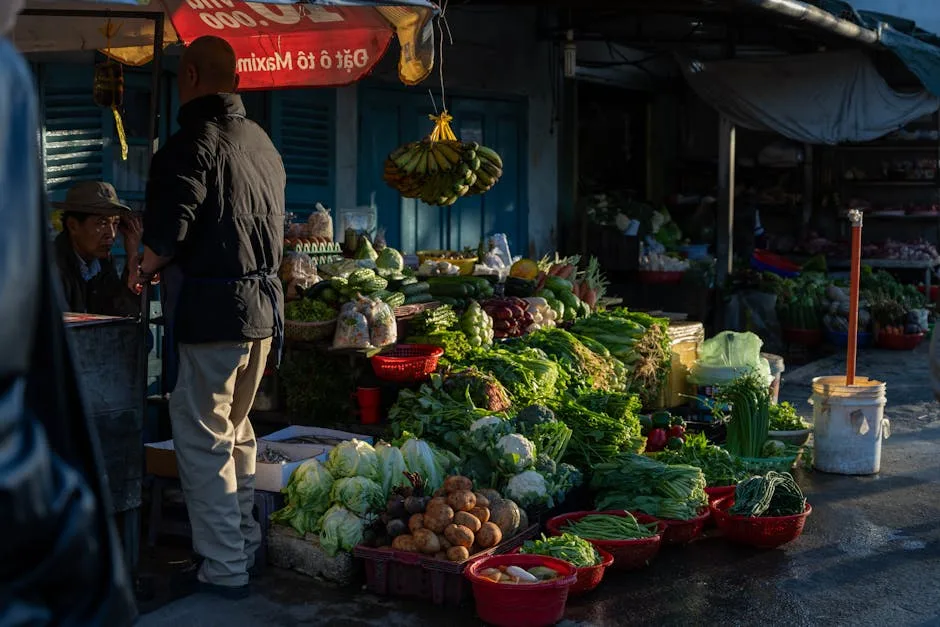
Borgo Dora, locally known as the « Balôn », is a historic Turin market where antiques mingle with fresh local produce, especially on Saturdays. Main address: Piazza Borgo Dora, 10152 Torino. Hours: main market on Saturdays from 07:00 to 14:00 (antiques), with small food stalls regularly present; some producers also come midweek at specific times. Prices: local food stands offer regional specialties like pane casereccio (country loaf) at €3.50–5.00 each, artisan jams €4.00–8.00 per 250 g jar, small-batch cheeses €12.00–20.00/kg.
The Balôn is famous for its rows of vintage objects, books and clothing — but it’s also a popular meeting place for urban and peri-urban producers. Food stalls are often clustered near main entrances where bakers, honey producers and small livestock farmers selling fresh and aged cheeses gather. The atmosphere is unique: between the clink of old goods and lively vendor conversations you can sample products on the go and strike up conversations with the people who make them.
Local tips: if your goal is purely food-related, aim for the first hour of the market (07:00–09:00) to find still-warm breads and freshly cut cheese. Photographers will love the morning light on Borgo Dora’s façades — always ask permission before photographing a vendor or a stall. For buying, favor small producers who display a business card or packaging indicating the farm of origin; these are often low-profile artisans who are generous with tastings. Also, if you buy a large piece of cheese or jars, some vendors may offer vacuum-sealing to make transport easier.
Piazza Madama Cristina — San Salvario neighborhood market and farm products
The Piazza Madama Cristina market, located in the heart of the San Salvario neighborhood, is a neighborhood market prized for its quality farm products and friendly atmosphere. Address: Piazza Madama Cristina, 10125 Torino. Hours: typically Tuesday to Saturday from 07:00 to 13:00; some stalls stay open until 14:00. Indicative prices: organic vegetables €2.00–4.50/kg, mixed vegetable baskets €6.00–10.00, artisanal goat cheese €11.00–18.00/kg, local honey €5.00–10.00 per 250 g jar depending on the bloom.
San Salvario is a neighborhood that has changed a lot yet retained a strong local identity. The Piazza Madama Cristina market attracts a clientele often well informed about farming practices (organic farming, biodynamic methods, extensive grazing). Producers are typically small family holdings from the surrounding hills and lower valleys. Don’t hesitate to ask for exact origin details: labels reading « Azienda Agricola » or « Cascina » accompanied by a phone number are good indicators of direct farm provenance.
The market also features stalls selling transformed products: sourdough breads from small mills, fresh handmade pasta (tortellini, agnolotti — €6.00–10.00 per 250–400 g tray), olive oils and flavored vinegars, local condiments. For visitors cooking at their accommodation, this market is ideal: buy seasonal vegetables, fresh cheeses and artisanal bread. Practical tip: keep a foldable cooler in your bag — summers in Turin can be hot and dairy products don’t travel well during a long walk around the center.
Immersive experience: in the afternoon, San Salvario is perfect for coffee breaks in the small squares around the market. If you want a meal after shopping, some small osterie on Via Madama Cristina offer « taglieri » (platter boards) made from local market products — expect €10.00–18.00 for a generous board served with a glass of local wine. Finally, watch for producers who return season after season: they love to tell the story of a forgotten apple variety or explain why this spring’s harvest was exceptional. Those conversations are the real added value of a neighborhood market.
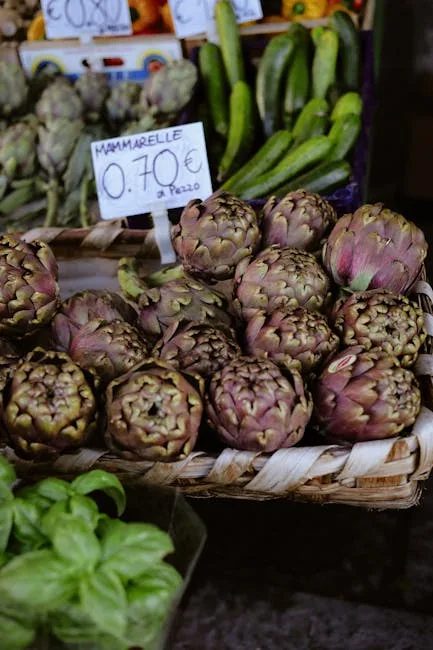
Practical tips for visiting Turin’s markets and meeting producers
Visiting neighborhood markets in Turin takes a little planning to turn a simple stroll into a productive, enjoyable encounter. Here are concrete tips based on local experience to optimize your shopping and interactions with producers.
- Best time of day: arrive early in the morning (07:00–09:00) for maximum freshness and the best cuts. Between 09:00 and 11:00 the crowds increase and some items run out. After 12:00 the selection may be reduced, but you can sometimes find bargains on unsold products.
- How to spot a local producer: look for labels like « Azienda Agricola », « Produttore » or a municipality of origin. Local producers often display their farm address or a phone number and offer free samples to taste their products.
- Budget and prices: bring a flexible budget. Typical prices: tomatoes €2.00–3.50/kg, apples €1.80–3.00/kg, farmers’ cheeses €8.00–20.00/kg, artisanal bread €3.00–5.00. Always ask the price per kilo and compare stalls before buying.
- Haggling and politeness: bargaining is possible but should be moderate. Rather than asking for a discount on a small purchase, offer to buy in larger quantities if you want a reduced price. Be polite — greet vendors in Italian (« Buongiorno », « Grazie ») — a friendly approach often gets you more than a discount.
- Transport and storage: bring an insulated bag for cheeses, cured meats and dairy. Also carry reusable fabric bags for vegetables. If you’re flying home, stick to non-perishables (honey, jams, dried pasta, biscuits).
- Buy responsibly: favor small producers who are transparent about their methods (organic, pasture-raised, etc.). Ask the best way to consume the product — producers love to share simple, authentic recipes.
- Combine market and dining: after your stroll, stop at an osteria or café near the market. Many places will prepare a simple dish using your market purchases if arranged in advance (check ahead and ask if they provide this service).
Conclusion: why neighborhood markets are essential in Turin
Turin’s neighborhood markets are much more than supply points: they’re spaces for social life, for passing on know-how, and for expressing territorial identities. Walking through Porta Palazzo, Borgo Dora and Piazza Madama Cristina you don’t just collect tomatoes or a tomme; you pick up a fragment of local history, a cooking tip from a producer, a small anecdote about Piedmont’s seasons. Every stall tells a story — sometimes a family tale, sometimes linked to centuries-old farming techniques — and those stories are an integral part of the city’s living heritage.
For visitors, the experience is built on curiosity and respect: listen to the producer, taste before you buy, ask about farming methods. That opens the door to more thoughtful and often more satisfying purchases. For residents, frequenting these markets regularly helps build lasting relationships with producers and encourages more seasonal, local consumption, which benefits taste and sustainability.
In practice, prepare your visit: bring an insulated bag, arrive early, prioritize direct contact with producers and take the chance to talk about cooking and storage. Whether you’re after a quick treat — a panino with artisanal salame — or ingredients for a special dinner, Turin’s markets offer a sensory immersion: the vivid colors of the stalls, the smell of fresh bread and herbs, the rich textures of cheeses. These markets help make Turin a city where eating also means meeting, learning and connecting with nearby, richly diverse territories.
Finally, remember that the best discoveries are often unexpected: an apple variety you’ve never tried before, a producer happy to share a tasting, or a vendor who invites you to come back next week for a rare item. Turin’s neighborhood markets are constant invitations to sharing and discovery — a driving force of local life that every visitor should experience at least once, and then again, season after season.