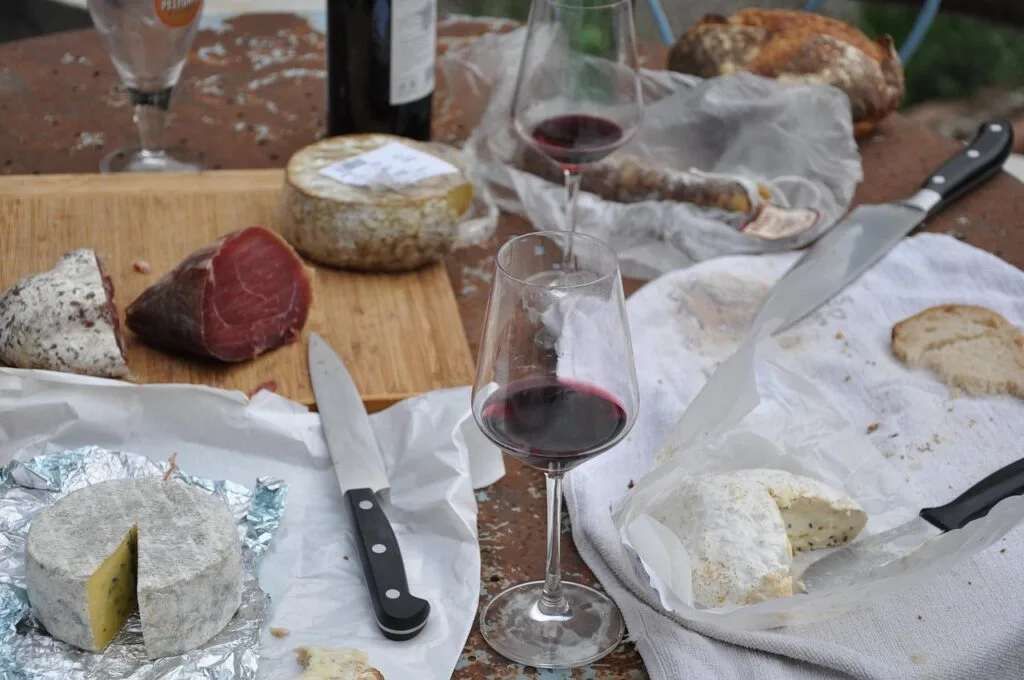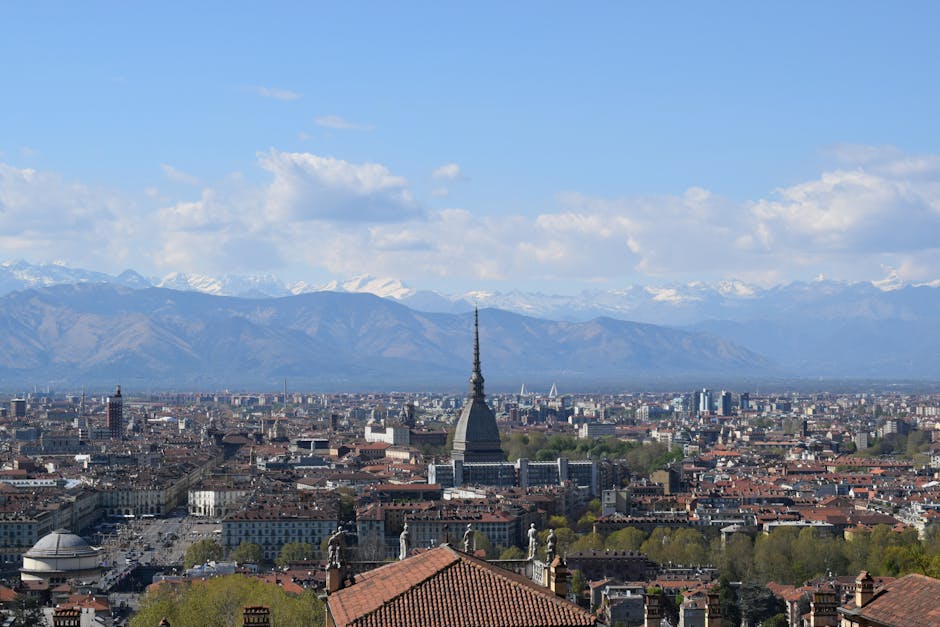






Introduction: Bocconcini and Piedmont Cheeses in Turin — Why They Deserve Your Attention
Turin, the elegant capital of Piedmont, is often celebrated for its chocolate, coffee, and baroque architecture; yet just steps away from Napoleonic façades and historic cafés another culinary treasure takes center stage: carefully curated Piedmontese cheeses and bocconcini. Piedmont’s varied terroirs — from the alpine pastures of Cuneo to the gentle hills of the Asti area — produce a remarkable diversity of milks, aging techniques, and flavor profiles. In Turin you’ll find this richness at markets, specialty cheese shops, delicatessens, and even starred restaurants that know how to elevate silky textures and fragrant rinds.
In this comprehensive guide I’ll walk you through bocconcini (little balls of mozzarella and fresh cheeses) and, more importantly, the must-try Piedmontese specialties: Castelmagno, Robiola di Roccaverano, Toma Piemontese, Murazzano, Raschera, and the renowned Bra. You’ll learn where to buy them, what prices to expect, opening hours of the best Turin spots, and practical tips to taste them like a local — whether that means sharing a cheese board with a glass of Nebbiolo or stirring melting cheese into a creamy risotto.
Turin guarantees quality in several places: the vast Eataly Torino Lingotto, the historic Porta Palazzo market, artisan cheesemongers tucked into the streets of the Quadrilatero Romano, and mountain producers who deliver straight to the city. I’ll show you how to spot a good bocconcino (smooth texture, moist but not watery core, fresh milky flavor) and how to pick a Castelmagno with character — not overwhelmingly smelly but with tyrosine crystals, mushroom notes, and the power to shine on polenta or tajarin.
This guide has two goals: provide practical info (exact addresses, hours, price ranges in euros) and offer a sensory reading — how to smell, touch, and taste Piedmontese cheeses to appreciate their nuances. Whether you’re a curious traveler, a demanding foodie, or a home cook planning to bring bocconcini back to upgrade a recipe, you’ll find a detailed route to explore Turin through its cheeses. Ready your palate, pack an insulated bag if you plan to bring perishables home, and bring your curiosity. We’ll start with the best places to spot unmissable bocconcini and Piedmontese cheeses.
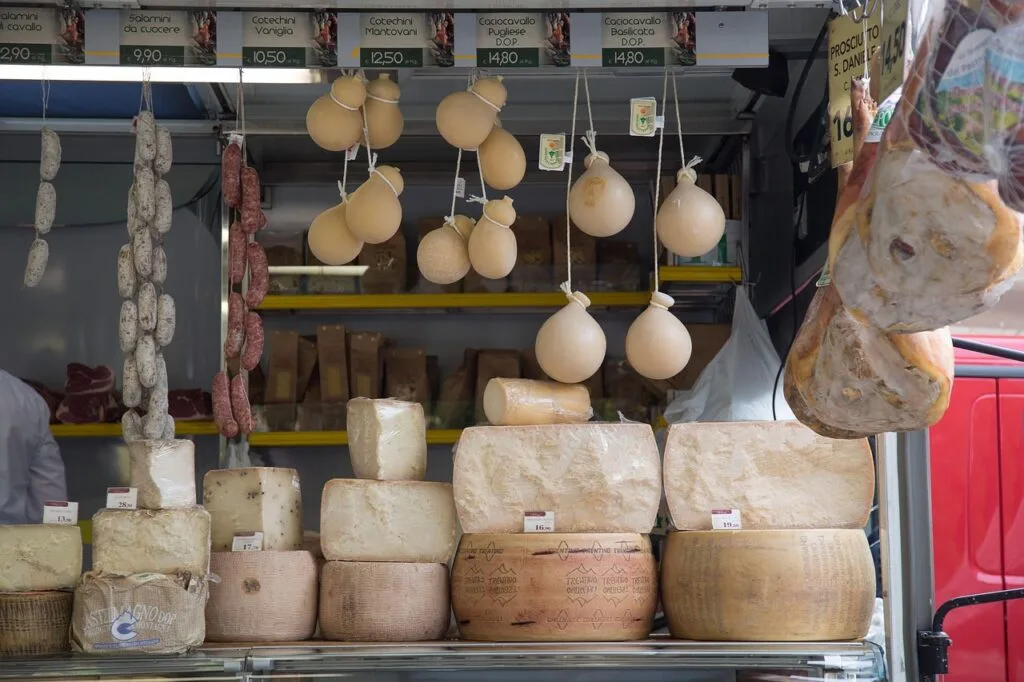
1. Mercato di Porta Palazzo — the Cheesemongers’ Hive in the City Center
Address: Piazza della Repubblica, 10152 Torino.
Opening hours: the main market runs Monday to Saturday from 7:00 to 14:00; some food stalls stay open into the afternoon (check locally). This is the largest outdoor market in Europe and in the morning it buzzes with greengrocers, butchers, and cheesemongers. Cheese stalls stretch along the streets around the square, offering an impressive range: fresh cheeses, local tomes, imported products, and artisan bocconcini from the region and southern Italy.
What to find and typical prices: expect fresh bocconcini sold individually or in trays — typical prices: €2.50 to €5.00 for a 150–200 g tray (depending on freshness and producer). Piedmontese tomes (Toma Piemontese) sell in pieces from €12 to €18 per kilo. Castelmagno, the region’s flagship PDO cheese, is sold by the piece; common price: €35 to €60 per kilo depending on aging and season. Murazzano and Robiola di Roccaverano (PDO from nearby Asti) are often €18 to €28 per kilo for fresh formats.
Practical tips: come early (between 8:00 and 10:00) to find the best picks and to chat with vendors. Market cheesemongers love talking about origins; ask about aging, the breed of cow or goat, and the production season. If you want to bring bocconcini home, get a small insulated bag and some cold packs — vendors will usually vacuum-pack purchases for travel. Tasting before buying is common and often their best selling point.
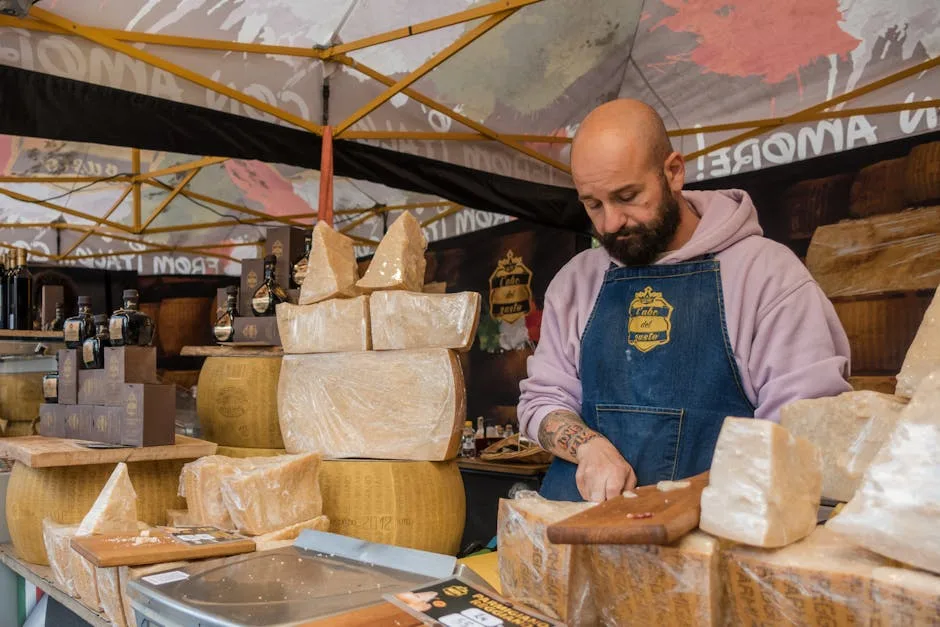
2. Eataly Torino Lingotto — Piedmont Cheese Under One Roof
Address: Eataly Torino Lingotto, Via Nizza, 230, 10126 Torino TO, Italy.
Opening hours: open every day, generally 10:00 to 22:00 (times may vary, check the official site).
Description: housed in the former Fiat Lingotto complex, Eataly Torino is a near-mandatory stop for anyone exploring Italy’s quality products, and the cheese counter is a highlight. You’ll find a very wide selection of Piedmont cheeses: Castelmagno, Raschera, Toma Piemontese, Murazzano, Robiola, plus fresh bocconcini and artisan burrata. Staff are trained to advise on food-and-wine pairings and can cut portions to order.
Products and prices: the shop displays clear pricing. Fresh bocconcini: around €3.50 to €6.00 for 200 g. Castelmagno (per 100 g): €4.00 to €6.00 per 100 g (so €40 to €60 per kilo depending on the piece and aging). Toma Piemontese: €12 to €22 per kilo for young wheels, up to €30 for longer-aged pieces. Murazzano (small formats): €20 to €35 per kilo. Eataly also offers tasting platters from around €12 to €18 in the shop/restaurant, depending on selection.
Recommended experience: start at the cheese counter for a guided tasting (staff often suggest pairings with local cured meats and wines such as Barbera d’Asti or Dolcetto). Then grab a board to take away or sit in one of the dining areas to enjoy cheese with artisanal bread — the bakery’s bread is perfect for slices of melted Castelmagno. If you plan to buy in volume to take home, ask for vacuum packaging; Eataly provides packing and shipping services.
3. Artisan Cheesemongers in the Quadrilatero Romano and Vanchiglia — Not-to-Miss Addresses
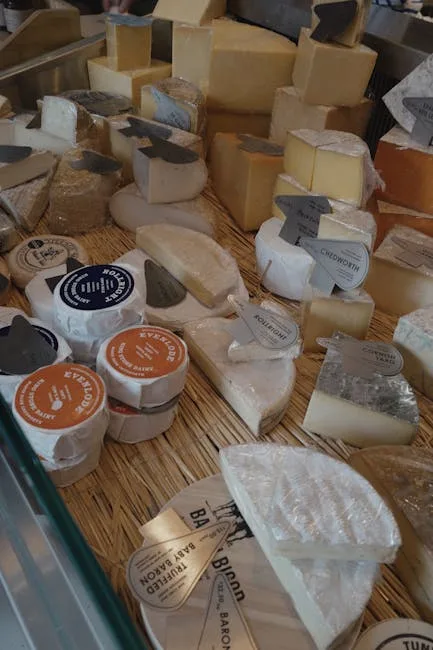
Turin is dotted with small artisan cheese shops where the welcome is personal and the selection carefully curated. Here are three emblematic addresses in the Quadrilatero Romano and Vanchiglia, with descriptions, addresses, and price ranges.
- La Toma — Formaggeria (representative example). Address: Via delle Orfane 8, 10122 Torino. Hours: Tuesday–Saturday 9:30–19:00, Sunday closed. Products: Toma Piemontese (€12–€20/kg), fresh bocconcini (€3–€5 /150–200 g), custom boards from €15. Description: a neighborhood shop focused on tomes and cheeses from the province of Cuneo; the cheesemonger offers wine pairing advice and occasional workshops.
- Caseificio Urbano Torino (concept store-cheesemonger). Address: Via Po 43, 10123 Torino. Hours: Monday–Saturday 10:00–20:00. Products: Robiola di Roccaverano (€18–€30/kg), Murazzano (€20–€35/kg), fresh bocconcini and burrata (€3–€6 per portion), local delivery. Description: a concept store showcasing small producers; enjoy regular tastings and cheese sandwiches for a quick lunch on the go.
- La Bottega del Formaggio (regional specialist). Address: Via Sant’Anselmo 12, 10122 Torino. Hours: Tuesday–Saturday 9:00–19:00, Monday closed. Products: Castelmagno PDO by the piece (€35–€55/kg), Raschera (€16–€28/kg), aged local and imported cheeses. Description: very professional service, in-house affinage for some wheels, vacuum-packing available and tasting sheets provided.
Local tips: in these small shops don’t hesitate to ask for a comparative tasting (e.g., young vs. aged Toma). Also ask the cheesemonger how to store bocconcini for 24–48 hours and the best ways to pack them in a suitcase (vacuum sealing, insulated pouch). Small cheesemongers often highlight local producers; if you plan a countryside trip (Langhe, Monferrato, Cuneo), ask for farm contacts — they usually have great recommendations for places to visit.
4. Piedmont Cheeses You Absolutely Must Try — Profiles and Pairings
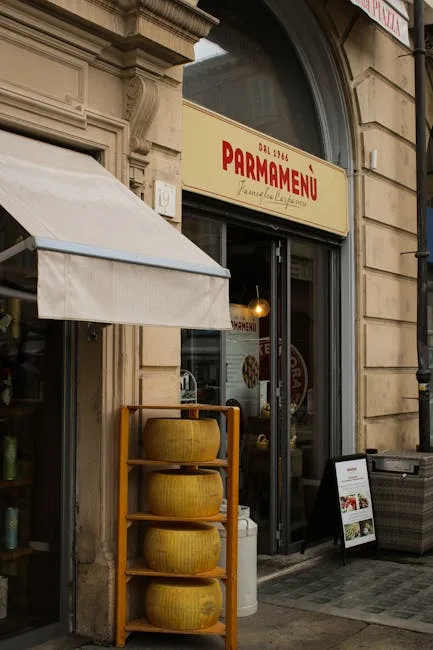
Piedmont stands out for cheeses with very distinct characters. Here are the essentials, their tasting profiles, and serving and pairing suggestions.
- Castelmagno (PDO): Origin: valleys of the Cuneo province. Profile: crumbly-creamy paste, mushroom and undergrowth notes, sometimes sharp edges when well-aged; possible tyrosine crystals. Uses: grated over risotto, melted on polenta, on a board with honey and walnuts. Average price in Turin: €35–€60/kg depending on maturity. Service: bring to room temperature 20–30 minutes before tasting.
- Toma Piemontese: Origin: mountain cheese, pressed uncooked paste. Profile: mild, buttery, with a gentle acidity and herbal notes for high-altitude tomes. Price: €12–€30/kg. Pairing: excellent with Barbera d’Asti or light red wines.
- Murazzano (PDO): Origin: the village of Murazzano (Cuneo). Profile: creamy and luscious paste, often made with goat and cow milk depending on the producer; a melting texture. Price: €20–€35/kg. Serve: on grilled bread, or simply with onion jam.
- Raschera: Origin: Piedmont valleys. Profile: firm to semi-soft texture, grassy and hazelnut flavors. Price: €16–€28/kg. Use: sliced on a board or melted into hearty mountain dishes.
- Robiola di Roccaverano (PDO): Origin: near Asti. Profile: pronounced lactic freshness, creamy sometimes slightly whipped texture; variations depend on the proportion of goat’s milk. Price: €18–€30/kg. Pairing: perfect with a Moscato d’Asti for sweet–savory contrast.
- Bocconcini and Burrata (Piedmont versions and imports): Profile: bocconcini are fresh with an elastic center and gentle milky flavor; burrata is richer with a creamy heart. Price: bocconcini €3–€6 per portion, burrata €4–€8 depending on weight. Uses: salads, antipasti, open-faced sandwiches.
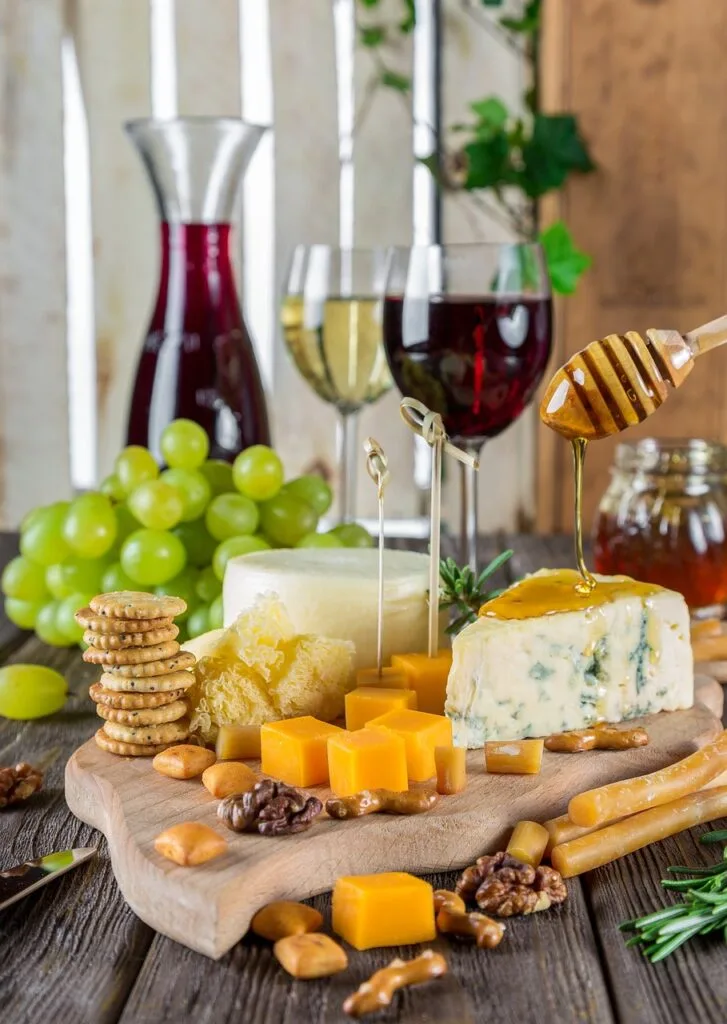
Tasting tips: serve cheeses at room temperature to release aromas. Start with fresh items (bocconcini, Robiola), move to pressed pastes, and finish with stronger cheeses like Castelmagno. For a classic Piedmontese board: country bread, onion jam, mountain honey, walnuts, and a local wine (Dolcetto, Barbera, or a fragrant white depending on your selection). Take time to observe the rind, smell the paste, then taste in small bites to identify saltiness, acidity, texture, and aftertaste.
5. Cheese Visits and Day Trips from Turin — Producers and Workshops
To fully understand Piedmontese cheeses, visiting a producer is essential. From Turin you can do day trips to production areas.
Recommended producers (typical and accessible examples):
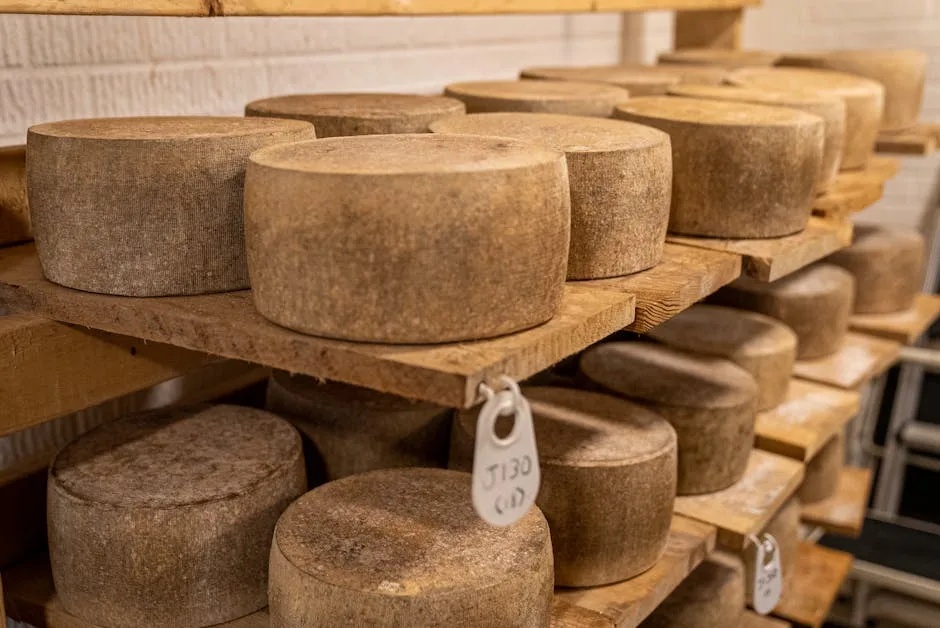
- Caseificio di Castelmagno — Località San Michele, 12020 Castelmagno (CN). Hours: visits by appointment (usually Tuesday to Saturday mornings). Tour fee: around €10–€20 per person for a guided visit and tasting (varies). Description: explore the village of Castelmagno, the natural-aging cellars, and taste cheeses at different maturities.
- Cooperativa dei Produttori di Murazzano — Via Roma 5, 12060 Murazzano (CN). Hours: visits by appointment; farm shop often open 9:00–12:30 and 15:00–18:00. Price: cheeses sold on site (€20–€35/kg), tastings frequently included for visitors. Description: immersion in Murazzano production, chats with master cheesemakers, and the chance to buy fresh or aged wheels.
- Agriturismo & local Caseificio, Langhe — many small farms offer tours and tastings; educational workshop prices: €15–€35 per person. Itinerary: drive from Turin (1–1.5 hours depending on location), ideal to combine wine and cheese.
Practical tips for excursions: book in advance (producers often have specific milking and production schedules). Wear closed shoes for cellar visits and bring a small insulated bag if you buy fresh cheese. If you join a tasting, take notes and, if possible, ask for sealed samples to take home — some producers offer travel-friendly sealed portions.
Conclusion: Take a Piece of Piedmont Home — in Memory and in Your Luggage
Bocconcini and Piedmontese cheeses are a fundamental part of Turin’s gastronomic heritage. From the bustling Porta Palazzo to Eataly’s polished counters, through neighborhood cheesemongers and mountain farms, every stop offers a window into centuries-old dairy traditions. This guide has given you specific addresses — Piazza della Repubblica for the market, Via Nizza 230 for Eataly Lingotto, and several artisan shops downtown — along with realistic price indications to help plan your purchases. You now know how to pick a fresh bocconcino, appreciate the complexity of an aged Castelmagno, and where to book a visit to see production up close.
Beyond addresses and prices, keep a few simple principles in mind: taste before you buy, ask the cheesemonger for advice, store fresh products properly for travel, and pair tastings with local breads and Piedmont wines. Remember that cheese is best enjoyed when shared: invite friends, make a mixed board, or incorporate these flavors into your cooking — a grated Castelmagno over risotto can instantly turn a meal into a lasting memory.
Finally, give yourself time: cheese follows seasons and rhythm. Some wheels are available only at certain times of year, and the best way to understand a terroir is to come back. If you liked this tour of Turin’s cheese scene, keep the address list handy, note your favorites, and above all, return to the markets and cheesemongers — stalls and cellars evolve with the seasons and keep offering new discoveries.