





Introduction — Markets, cheese and conversations with affineurs in Turin
Strolling the aisles of a Turin market early in the morning is like stepping into a theatre where the performers are gleaming vegetables, jars of colourful preserves and, above all, boards piled high with cheeses of every texture and scent. Turin, steeped in Piedmontese culinary tradition, still nurtures a living cheese culture: artisans, producers and affineurs gather at markets and in a few key shops to share their craft. This guide will lead you through that maze of aromas and flavours — from the sprawling Mercato di Porta Palazzo to the specialist counters at Eataly Lingotto — with a focus on the conversations you can have with affineurs, those guardians of time and taste.
We’ll cover where to find standout cheese stalls and shops, how to approach an affineur, what questions to ask (aging, milk origin, cave affinage), and how to taste methodically so you can tell a cooked pressed cheese from a soft, pillowy one. You’ll find exact addresses, opening hours, price ranges in euros and sensory descriptions that will help you pick and buy like a local.
Affineurs aren’t anonymous sellers: they tell stories. They’ll speak about the herd the milk came from, the microclimate of their aging cave, seasonal variations in raw and pasteurised milks, and the precise gestures (salting, turning, brushing or rubbing) that give a cheese its character. Learning to listen to an affineur is like learning to read a cheese before you even taste it. This article offers typical conversation scenarios, handy phrases in Italian and French, and practical tips for carrying and storing your purchases during a city walk or a train trip from Torino Porta Nuova.
Finally, for travellers wanting to bring cheese home, we cover customs rules and packing tips (parchment paper, cling film, a basic insulated box) and give indicative prices for major Italian cheeses sold on site: from Castelmagno to Taleggio, via Parmigiano Reggiano and Toma piemontese. The addresses and hours given here are designed to help you plan an efficient visit: showing up at a counter at 10am on a Saturday often leads to a relaxed chat with the affineur, whereas many stalls close earlier on Sundays.
Mercato di Porta Palazzo: the beating heart of Turin’s cheese scene
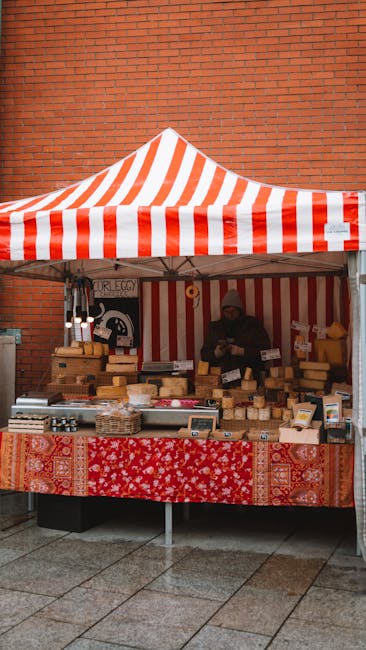
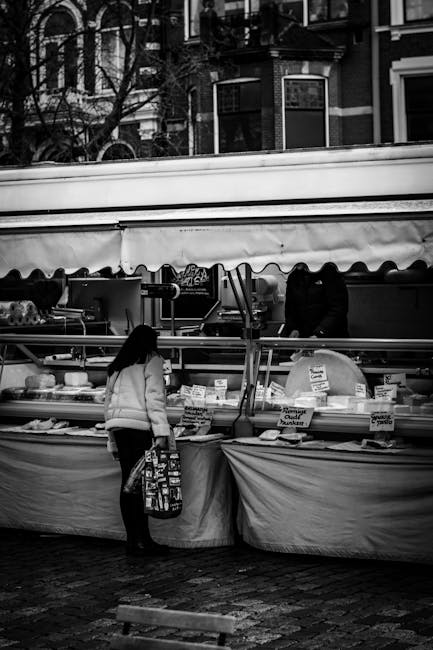
Mercato di Porta Palazzo is the largest open-air market in Europe and the must-visit spot to meet local affineurs and cheese producers. Address: Piazza della Repubblica, 10152 Torino. Typical opening times: most stalls are open Tuesday–Sunday from 07:00 to 14:00; some vendors also open Monday mornings. For the cheese section, it’s best to arrive early: 08:00–11:00 is the sweet spot for in-depth conversation and tastings.
In the market’s lanes you’ll find counters run by Piedmontese producers and by resellers who work closely with affineurs. Prices vary widely depending on quality and origin: typical Toma Piemontese starts at around €12–18/kg for industrial versions, rising to €25–35/kg for alpine aged tomes. Castelmagno for an occasional treat often costs €28–45/kg depending on age (young vs. 6–12 months). Parmigiano Reggiano (24 months) usually trades at about €18–25/kg, while exceptional wheels aged 30–36 months can reach €30–45/kg.
Taking time to talk with the seller is essential. Example questions to ask an affineur on site: “Which milk is this cheese made from?”, “How long has it been aged?”, “Do you use animal or microbial rennet?” An affineur will show you the rind, explain the give of the paste and offer a small slice to taste the balance of salt, acid and fat. At a market like Porta Palazzo, expect demonstrations: an affineur may tell you that his Beaufort-like cheese is rubbed with red wine, or that some tomes are aged in the humid caves of Val Chisone, giving them forest-floor and umami notes.
- Local tip: bring a small foldable cooler if you plan to buy several kilos; many vendors accept cards, but carry cash for small purchases.
- Indicative price for an on-site tasting platter: €8–15 depending on the selection and portion size.
- Meeting point and address for visits: Piazza della Repubblica, main entrance on Via Priocca.
Specialist counters and boutique affineurs: Eataly Torino Lingotto and beyond
For a more structured experience and conversations with professional affineurs, head to specialist counters like Eataly Torino Lingotto. Address: Eataly Torino Lingotto, Via Nizza 230, 10126 Torino. Opening hours: Monday–Sunday, typically 09:00–23:00 (check seasonal hours). Eataly has a dedicated cheese area where an affineur is sometimes on site and traceability is documented: milk origin, aging sheets and product cards with suggested wine pairings. Prices here are slightly higher than at the open-air markets: Parmigiano Reggiano 24 months €20–28/kg; Taleggio DOP €15–22/kg; artisan cheeses (washed in beer or wine) €25–40/kg.
Other useful shops around town (examples of places where you’ll find affineurs or well-aged cheeses):
- Caseificio Artigianale La Madia — Via San Domenico 7, 10122 Torino. Hours: Tue–Sat 09:00–19:00. Prices: aged Toma €20–30/kg. (Artisan shop, check opening days).
- Gastronomia La Bottega del Gusto — Via Garibaldi 45, 10122 Torino. Hours: Mon–Sat 09:00–13:30, 15:30–19:30. Tasting platter price €10–18.
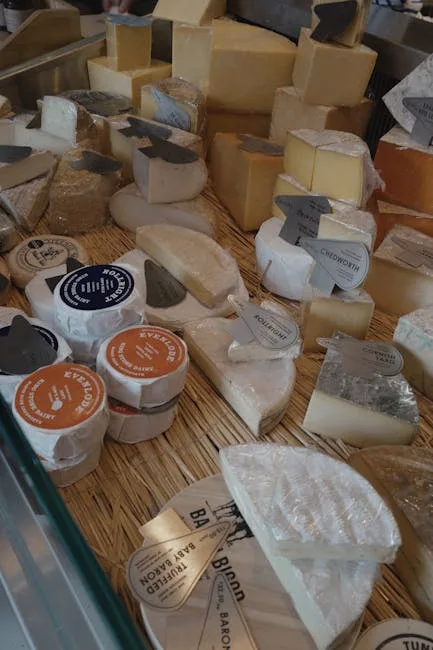
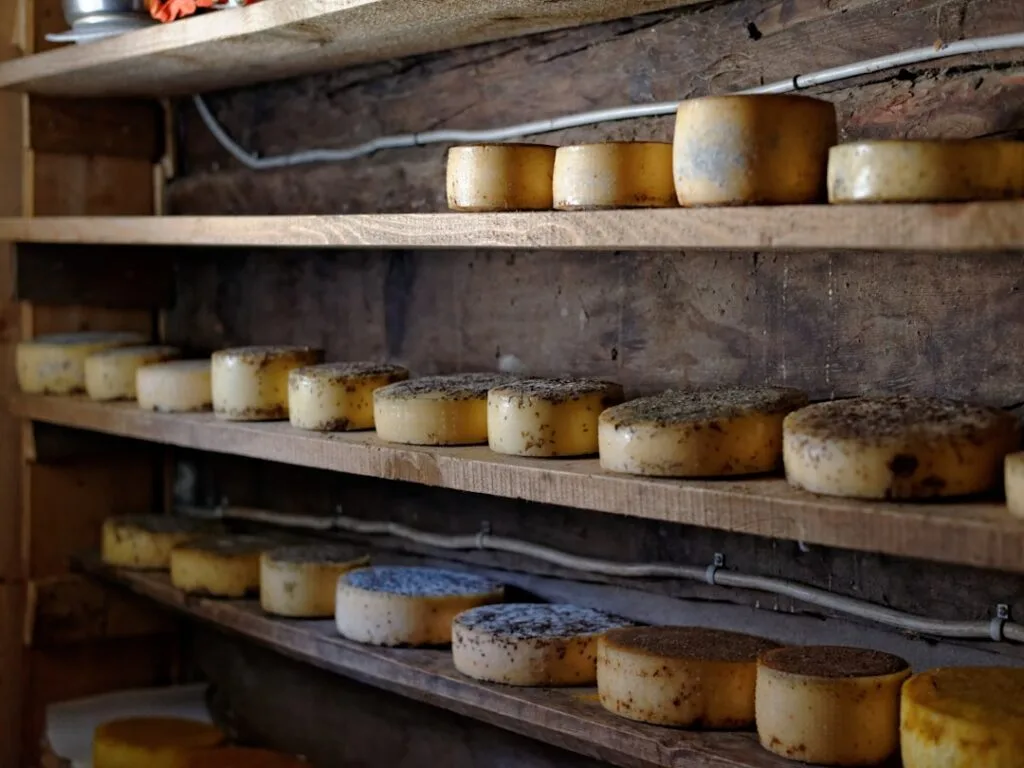
At a counter, conversations with an affineur are more technical: they’ll explain the role of the aging cave (humidity at 85–95%, temperature 8–12 °C), how often the cheese is tended (every 2–3 days for washed rinds) and how the microbial flora on the rind shapes flavour. These shops sometimes run aging workshops and guided tastings (prices €25–60 per person depending on length and number of cheeses). If you want a tour of an aging cellar, book ahead — most affineurs host groups of 6–12 people in the mornings.
Aging techniques explained by master affineurs and tasting tips
The affineurs you’ll meet in Turin master a wide range of techniques: aging on wooden boards, in humid caves, brine rubbing, rind washing with marc, dry brushing to encourage yeasts, or controlled-atmosphere aging. Knowing these methods will help you choose a cheese to suit your taste: saltier, more powerful mountain cheeses with long aging, or milder, lactic-flavoured cheeses with short aging.
Practical tasting tips to use with an affineur:
- Taste at room temperature: take the cheese out 30–60 minutes before tasting to release its full aroma profile.
- Start with hard cheeses (Parmigiano, Sbrinz), then move to uncooked pressed cheeses (Toma), finish with soft cheeses (Taleggio, Robiola); end with a blue (Gorgonzola) if offered.
- Ask how the flavour evolves: “How does the taste change as it ages?” — the affineur will tell you about the rise of umami notes and nutty or mushroom flavours depending on the cheese.
- Note the texture: tyrosine crystals (small crunchy crystals) in Parmigiano or certain Comtés indicate long maturation.
Indicative prices and common formats sold by affineurs: tasting portions of 100–200 g (€3–8), whole wheels (depending on the cheese: 10–50 kg, price per kg varies), half and quarter wheels sold on request. Cheesemongers often offer custom platters (quantity and variety): for two people expect €12–20; for four people €25–45 depending on the selection.
Practical tips for buying, transporting and storing cheese in Turin
Buying cheese in Turin involves logistical choices: how to carry it through the day, how to pack it for a train or a flight, and most importantly how to store it to preserve quality. Here are practical recommendations you can use immediately after your purchase.
- Packing: ask your cheesemonger for vacuum-sealing for longer trips (usually charged €1–3). Otherwise, choose cheese paper (butcher’s or waxing paper) then wrap in cling film to limit air exposure.
- Transport: for a day wandering around the city, a small soft cooler (or insulated bag with a cold pack) is enough; for a train trip to Milan (1–2 h) or a flight, prefer vacuum-sealed packaging or an insulated box. Local tip: keep strong-smelling cheeses (blues and washed rinds) separate from milder cheeses to avoid scent transfer.
- Storage on return: in the fridge, place cheese in the vegetable drawer wrapped in cheese paper, not airtight plastic (breathing is important). Hard cheeses keep 2–6 weeks depending on aging; soft cheeses last 3–7 days once opened.
Customs rules: if you’re travelling outside the EU, check dairy import rules for your destination. Within the EU, carrying cheese for personal use (reasonable quantities, generally <2–5 kg) is usually tolerated, but always verify before you leave. Cheesemongers can supply invoices or product sheets useful for inspections.
Local bargaining tips: be polite and curious, ask about seasonality and the breed of the herd (Bruna, Pezzata Rossa, Capra Camosciata); often a smile and genuine interest will earn you a small discount (–5 to –10%) on larger purchases, or a little extra piece to round off a tasting.
Conclusion — Taking the spirit of the affineurs home with you
Visiting Turin’s cheese shops and market stalls is more than a flavour hunt: it’s an immersion in a craft passed down through generations. By talking with affineurs you’ll uncover terroir stories — from Piedmont’s alpine pastures to the humid caves of the valleys — and learn to read a cheese like a chronological map of seasons and practices. Key addresses like Mercato di Porta Palazzo (Piazza della Repubblica, 10152 Torino) and specialist counters like Eataly Torino Lingotto (Via Nizza 230, 10126 Torino) offer two complementary experiences: the market’s spontaneity and the shop’s technical precision.
Armed with the aging and tasting tips shared here, you’ll know which questions to ask, how to choose a piece that suits your palate and how to store it correctly. Remember that the best purchases often start with a short chat: ask to smell the rind, taste a small bite, inquire about the affineur’s story. And if you want to go deeper, consider booking an affineur workshop or a cellar visit — these small-group experiences, often available on request, give a privileged view of the time rhythms that turn milk into edible heritage.
To sum up, Turin is a perfect destination for cheese lovers: bustling markets, passionate experts and shops where aging is done with care. Whether you leave with a small cooler full of tomes and blues or simply the memory of a conversation with an affineur, you’ll carry home a piece of Piedmontese gastronomic soul. Safe travels, and buon appetito — try to visit these spots early in the morning, a coffee in one hand and a slice of cheese in the other, ready to listen to another cave’s story.