





Introduction — Nature Getaway: Birdwatching and Wildlife Along the Po in Turin
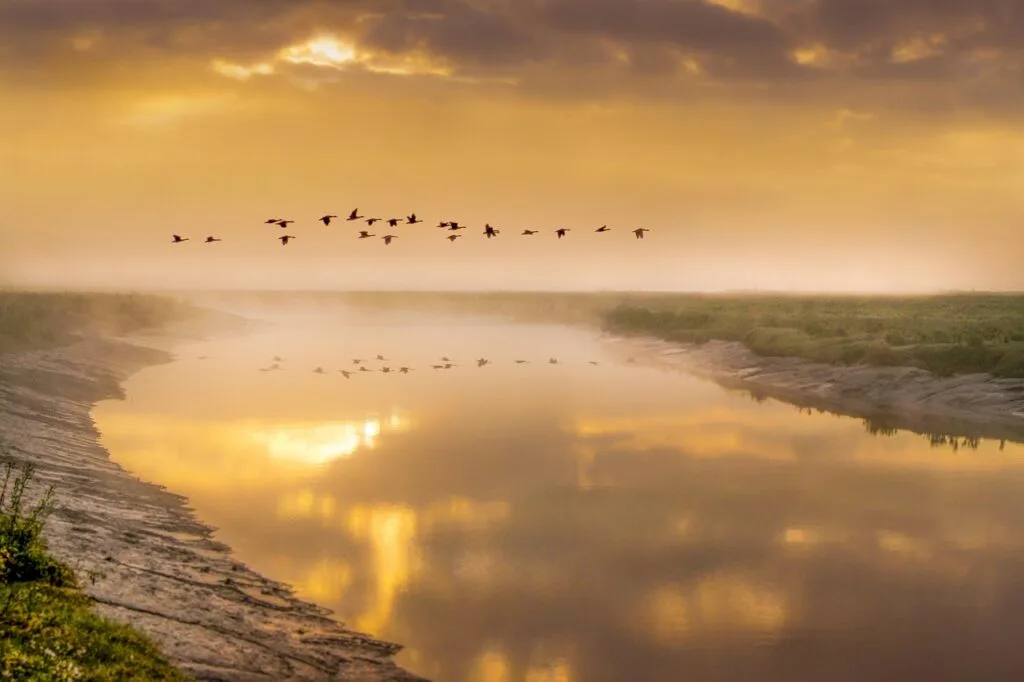
The Po River cuts through Turin like a natural artery, offering riverbanks, islets and parks that are perfect for birdwatching and spotting local wildlife. This nature escape is ideal for keen amateur ornithologists and casual walkers alike who are looking for a green refuge just minutes from the city centre. Away from the bustle of shopping streets, the Po’s banks and adjoining areas — parks, university botanical gardens, river islets and wetlands — host a surprising diversity: herons, egrets, ducks, grebes, but also foxes, hedgehogs and countless insects and amphibians. Sightings are often best at dawn or dusk, when the light flatters the river and animal activity picks up.
This comprehensive guide — focused on spots reachable from Turin and routes along the Po — will walk you through it step by step: places to visit, exact addresses, useful opening times, possible costs, stakeout tips, recommended gear and a seasonal observation calendar. We cover well-known locations such as Parco del Valentino and the Orto Botanico dell’Università di Torino, but also riverside walks along the Lungo Po, lesser-known islets and quieter stretches worth the effort. The aim: to help you plan a half-day or full-day outing with suggestions for families, wildlife photographers and urban hikers.
The experience isn’t just passive watching. Trails provide excellent vantage points to photograph grey herons fishing, listen to passerine songs in the riverside thickets, or spot fox tracks on sandy banks. The guide also includes local tips — how to find the best hides, which hours to prioritise, what to do to minimise disturbance — plus practical info on access, public transport and amenities (toilets, cafés, parking). And if you want to extend your outing, we suggest cycling routes and restaurants focusing on local produce to round out a full, responsible nature escape.
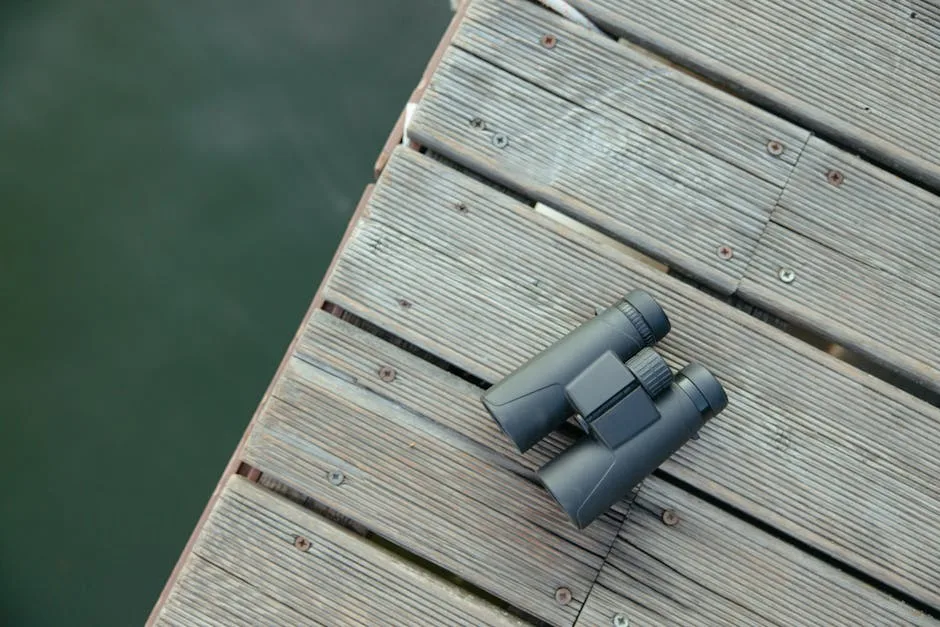
Before you head out: pack binoculars, waterproof footwear, a field notebook and, if possible, a small map of the river. Respect “Riserva” signs and restricted zones; wildlife tranquillity depends on your discretion. This guide offers adaptable routes depending on time and season so your immersion in the Po’s nature is respectful, rich and memorable.
Parco del Valentino and the Historic Banks — Viale Virgilio 107, 10124 Torino
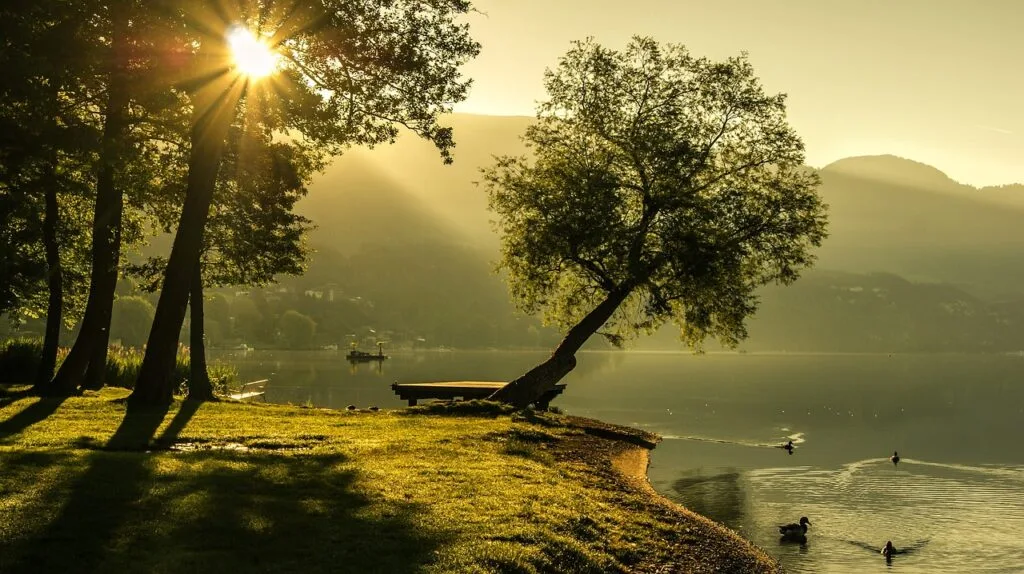
Parco del Valentino is Turin’s most iconic green lung, stretching along the Po for several hundred metres. Exact address: Parco del Valentino, Viale Virgilio 107, 10124 Torino. Easily walkable from the city centre, the park combines shaded avenues, meadows, shrub beds and an extensive riverbank ideal for watching waterbirds. You’ll also find the Borgo Medievale (an amusing historical replica), but for birding focus on the riverside zones and secondary river arms where grasses and debris collect, creating great habitat for invertebrates — and therefore insectivorous birds and shorebirds.
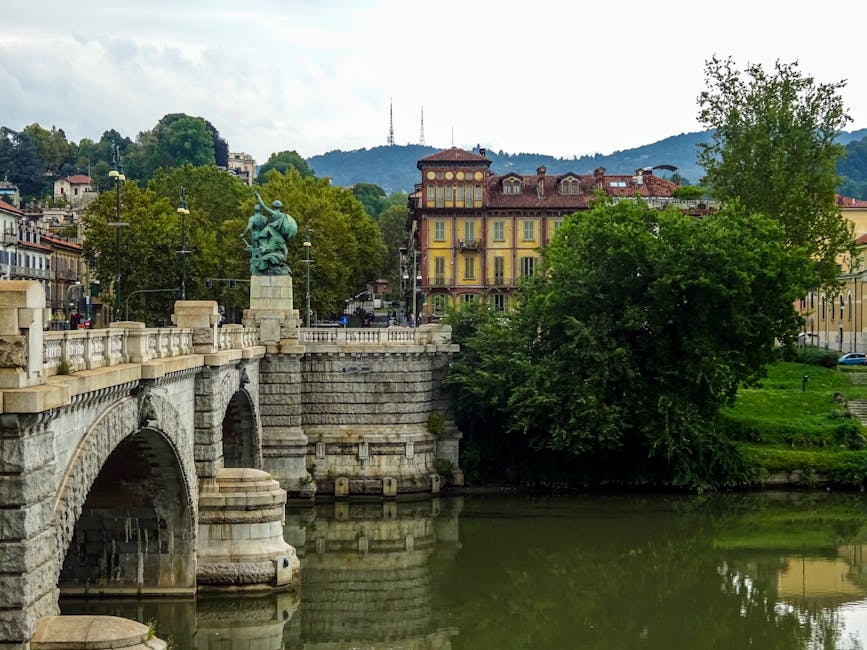
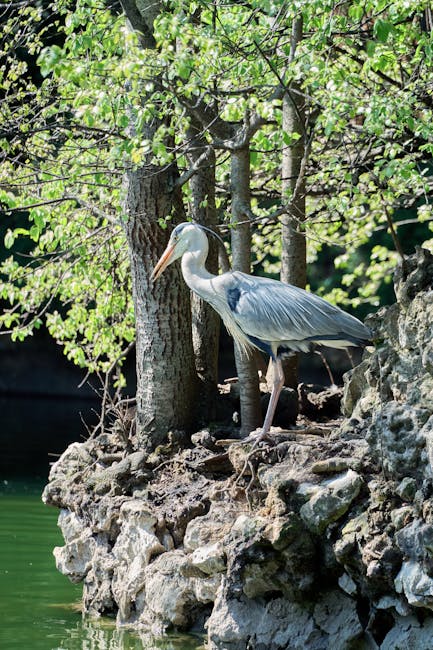
Opening hours: the park is open daily, typically from 6:00 a.m. until midnight in high season (municipal times may vary). Price: free entry. Recommended vantage points: the south bank near the Umberto I bridge provides natural hides; the area close to the “Spiaggia del Valentino” (a small urban beach) often hosts waterbirds in the mornings. Expect to see coots, grey herons (Ardea cinerea), mute swans (Cygnus olor) in winter, and broods of mallards (Anas platyrhynchos) in spring.
Practical tips: aim for the low-light hours (sunrise and about an hour before dusk). Stay on marked paths to avoid disturbing nesting areas. Photographers should set up hides at a sensible distance and use a telephoto lens (300 mm or more) to minimise disturbance. Families will find several safe picnic areas; bring water and avoid feeding birds — bread is harmful. Transport: reachable by local bus (GTT lines) and city bike-sharing stations are available.
Orto Botanico dell’Università di Torino and Ecological Niches — Via Carlo Vittorio 8, 10123 Torino
The Orto Botanico of the University of Turin is a small scientific oasis that supports significant biodiversity of insects, birds and small mammals. Address: Orto Botanico dell’Università di Torino, Via Carlo Vittorio 8, 10123 Torino. Hours and fees: usually open Tuesday to Sunday from 9:00 a.m. to 5:30 p.m. (seasonal hours; closed on some holidays). Indicative entry price: €3.00 for adults, €1.50 reduced (students, seniors); free for under-6s (2024 rates indicative — check the official site before you go).
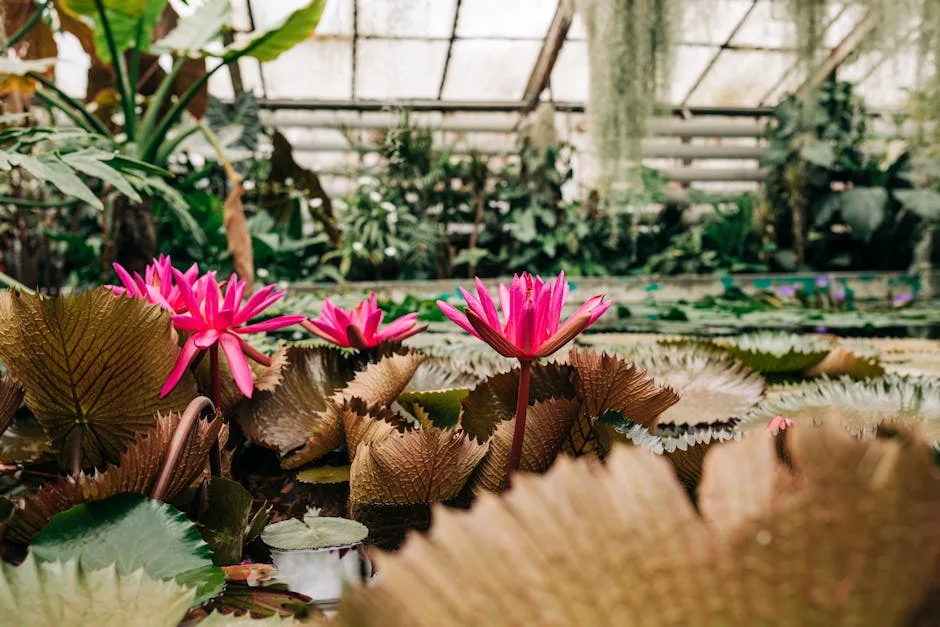
This university-run botanical garden features greenhouses, ponds and flowerbeds that attract butterflies, bees, tits, robins and occasionally goldcrests. Collections of aquatic and marsh plants are particularly important for Po wildlife: they provide food and habitat for aquatic insect larvae, attract species like the Kingfisher (Alcedo atthis) sometimes seen on calm river arms, and shelter amphibians during wet periods.
Observation tips: walk the shaded pathways early in the morning when pollinators are most active. Bring a magnifying glass or a small net for insect surveys only in a scientific context and with staff permission. The garden’s proximity to both the river and cultivated spaces makes it a strategic spot to study city–river interactions. After your visit, you can continue toward the Po bank via Lungo Po Centrale, just a few minutes on foot.
Lungo Po Antonelli and Riverside Walks — Lungo Po Antonelli, 10124 Torino
The Lungo Po (long quays) form the interface between the city and the river, and Lungo Po Antonelli is one of the most popular stretches for strolling and observing wildlife. Indicative address: Lungo Po Antonelli, 10124 Torino (running along the right bank of the Po). This section is paved, equipped with benches, lighting and rest areas — perfect for a one- to two-hour walk or a bike ride. Free and open at all times.
Why go: the river’s layout here creates side channels and reedbeds that attract shorebirds (sandpipers, redshanks) and ducks during migration. In spring and autumn migratory stopovers concentrate along banks protected by riverside vegetation, making Lungo Po Antonelli a great spot for nature photography and listening to migratory songbirds. Accessible banks also allow observation of urban-adapted species like the white wagtail (Motacilla alba) and the grey wagtail (Motacilla cinerea).
Practical tips: bring binoculars and an ID guide (or a bird ID app). Best times are early morning (6:00–9:00) and late afternoon (17:00–20:00) depending on the season. Cyclists can use the riverside path to quickly cover multiple spots; photographers will find small embankments and low walls useful for composing shots with the river as a backdrop. Food and drink: several cafés along the Lungo Po offer beverages and snacks; the “Bar Lungo Po” (location varies by stretch) typically provides toilets and water points.
Islands and Secluded Spots — River Islets and Wetlands Along the Po
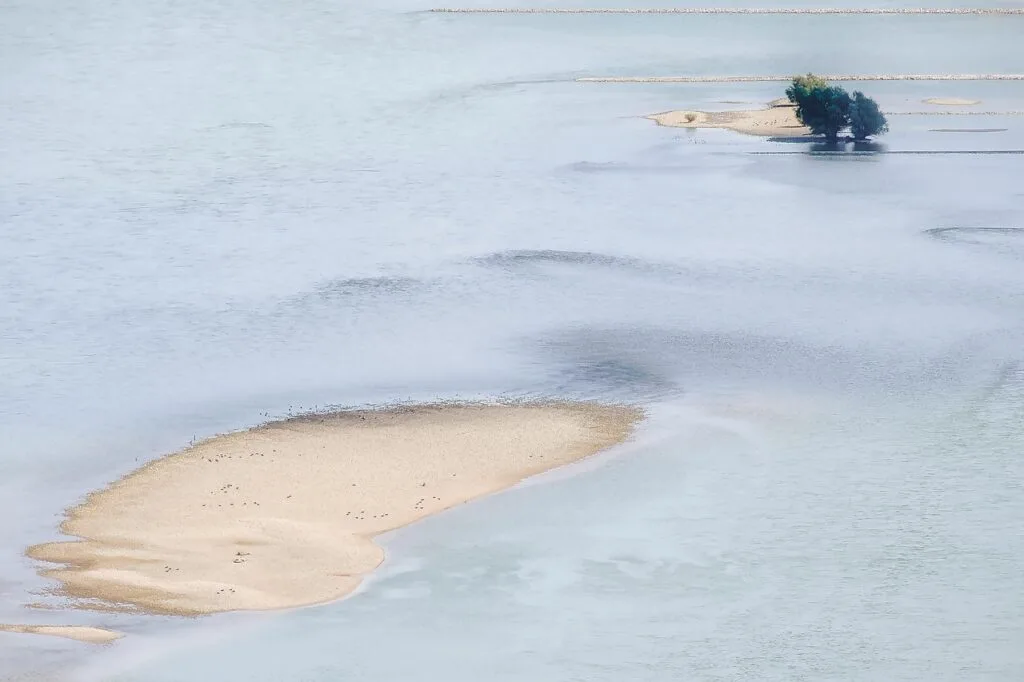
The Po hosts several small islets and side channels which, despite being discreet, serve as crucial wildlife refuges. These areas are often less known to visitors and take some effort to reach, but the immersion is well worth it. Example access points from Turin: small islands and high sandbanks near the Vittorio Emanuele I bridge, side channels downstream from Parco del Valentino, and wetlands on the north bank near Parco Dora. Access to some islets may be regulated — obey “Riserva naturale” signs and seasonal boundaries during nesting.
Typical wildlife: these microhabitats host migratory shorebirds, gulls and terns, and amphibians such as the pool frog (Pelophylax ridibundus). Terrestrial mammals like the red fox (Vulpes vulpes) and badger (Meles meles) use the banks to hunt at dusk; tracks and droppings are signs of activity. Aquatic insects are abundant, drawing an active insectivorous bird community at dawn.
Approach tips: wear low, waterproof footwear and avoid entering islets during the nesting season (generally April to July for many species). Non-motorised small craft (kayak, canoe) are ideal to avoid disturbance. Check with local naturalist groups, such as Circolo Ornitologico Torinese (addresses and contacts available in town), to learn which sectors are open and whether guided visits are offered. For photography, a lightweight tripod and a 200–500 mm lens will help capture fishing scenes at the water’s edge.
Parco della Pellerina and Green Corridors — Corso Moncalieri, Turin northwest area
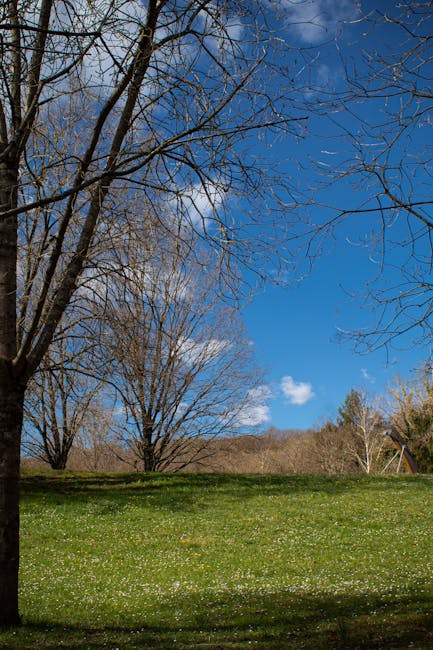
Parco della Pellerina, in Turin’s northwest, is one of Italy’s largest urban parks and serves as an important ecological corridor linking urban areas to the Po’s banks. Indicative address: Parco della Pellerina, Corso Moncalieri (multiple access points), 10146 Torino. The park is free and open year-round (daytime municipal hours). Its meadows, shrub masses and small wetlands attract a varied birdlife: warblers, tits, nuthatches and occasional raptors hunting over the grasslands.
This park is perfect for a family-friendly wildlife outing: wide paths make it easy for strollers and bikes, while groves and hedges hide nests. Replanted areas and old trees are especially rich in cavities, favouring hole-nesting species such as woodpeckers and tree-dwelling birds. The park’s river-side edges act as stepping stones for birds moving along the Po.
Local tips: to spot shy wildlife, walk slowly along hedgerows and listen for song — early morning is the most rewarding time. Bring a blanket or a small camp seat to settle near bushes without blocking paths. In autumn, the meadows attract small raptors (buzzards, falcons) hunting rodents; binoculars and a raptor field guide will greatly enhance your understanding of what you see.
Practical Tips, Seasonality and Observation Ethics
To make the most of a nature escape along the Po in Turin, a few simple rules and a seasonal timeline will help you optimise the experience:
- Recommended gear: 8×42 or 10×42 binoculars, a lightweight tripod, a spotting scope for serious observers, a paper guide or ID app, notebook and pencil. For photography: 300–600 mm telephoto, waterproof cover, spare memory cards.
- Best times: favour dawn (about an hour after sunrise) and dusk (about an hour before sunset); light is softer and animal activity peaks.
- Seasonality: spring (March–May): nesting, singing and returning migrants; summer (June–August): young birds and insect activity; autumn (September–November): major migrations, shorebird and duck passage; winter (December–February): wintering waterfowl and flocks of hardier species.
- Ethics: keep a respectful distance (at least 20–30 m for most waterbirds), avoid using calls that may stress animals, leave no trace (take your rubbish with you), and respect closed areas for nesting.
- Local information: visit the Ufficio Turismo Torino at Piazza Castello 107, 10122 Torino for details on events and guided tours — opening hours: Monday–Saturday 9:00–18:00; free. Local naturalist associations and groups regularly run themed outings — check their online calendars.
Conclusion — Reconnecting with Urban Nature Along the Po
The Po River in Turin is more than just a watercourse: it’s a living network of habitats where wildlife adapts and thrives despite the urban setting. From Parco del Valentino to the Orto Botanico dell’Università di Torino, and along the Lungo Po and hidden islets, each spot offers a different window onto local biodiversity. This guide has given you precise addresses (Viale Virgilio 107 for Parco del Valentino, Via Carlo Vittorio 8 for the Orto Botanico), opening times and practical tips to plan respectful and rewarding outings. Whether you’re a photographer, an amateur birder, a parent seeking an educational activity, or simply a city-dweller craving river tranquillity, the Po has experiences to match every pace.
Remember that wildlife watching requires patience and respect: move slowly, choose quieter times and leave the environment as you found it. The best moments often unfold gradually — a heron fishing, a line of ducklings crossing a calm arm, the sudden flash of a kingfisher. While exploring the banks, look out for local initiatives (exhibitions, workshops, guided nature walks) that deepen scientific understanding and support conservation.
Finally, plan your kit, adapt routes to the season and check with tourist offices and naturalist groups for temporary restrictions. Well prepared, you’ll fully enjoy this nature getaway along the Po in Turin: a blend of discovery, relaxation and learning about how wildlife and city life can coexist harmoniously. Happy birding and respect nature — it will repay you with moments of wonder.