





Introduction — Miraboli and Splendor: the Ceremonial World of Turin’s Court
The court of Turin, under the Savoy dynasty and through the city’s modern transformations, developed a remarkably rich ceremonial and visual repertoire: solemn processions, the king’s morning levée, official balls, lavish religious services and diplomatic receptions structured both public and private life in this European capital. This guide offers a well-documented, practical dive into those worlds of miraboli — the theatrical effects, masks and spectacle — and of pomp and splendor, guiding you to the places, protocols and customs that shaped the representation of power in Turin. It’s written for history-minded travelers as well as visitors who want to understand how the city’s sites still tell the story of these ceremonies today: state rooms, decorations, chapels, salons, costumes and music.
Throughout, we blend historical context, architectural descriptions and practical info: exact addresses, prices in euros, opening hours, combined-ticket details and local tips so you can make the most of each site instead of just skimming the surface. You’ll read how court life organized the civic and religious calendar, how architectures — from the Palazzo Reale di Torino to the Palazzo Madama, and the Cappella della Sacra Sindone — were designed to host and elevate ceremonies and processions, and how these places today open for visits, temporary exhibitions and historical reenactments. We also list handy visiting hours, admission prices and the best times to catch contemporary events related to court history (concerts, themed guided tours, exhibitions).
Beyond the practicalities, expect immersive descriptions: picture the throne room lit by crystal chandeliers, damask silks, the scent of incense in the chapel, rugs softening the footsteps of dignitaries, the clink of spurs and the rustle of embroidered cloaks. We’ll also explain court rituals — order of precedence, greeting protocols, dress codes — and give concrete advice (where to eat after a visit, how to beat the queues, which combo tickets to choose). Each site comes with concrete pointers: address, typical opening times, admission fees and practical recommendations for a successful visit.
Finally, the guide is dotted with visual markers 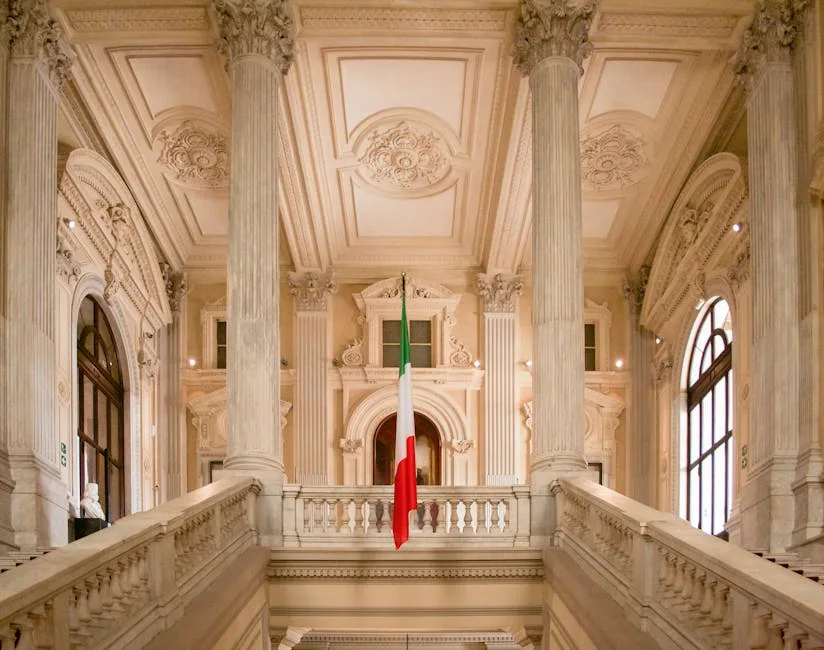 to help you spot the most evocative scenes for photos and itinerary planning. Whether you’re an amateur historian, photographer or simply an inquisitive traveler, this guide helps you understand and feel how Turin’s court crafted an art of ceremonial display, and how traces of that art remain in the city’s stone, fabrics and music.
1. Behind the Scenes: Origins and Forms of Ceremonies at Turin’s Court
Turin’s ceremonial history unfolds mainly between the 16th and 19th centuries, peaking under the Savoys and during the city’s brief role as capital of the Kingdom of Italy (1861–1865). Court ceremonies, whether public or private, served political, social and religious aims: demonstrating the prince’s power, maintaining aristocratic order, sanctifying alliances and impressing diplomats. These events were codified in manuals of precedence and etiquette, often overseen by stewards and court officers.
There were many types of ceremonies. The classical categories include:
- Official religious ceremonies: solemn masses, Corpus Christi processions, dynastic commemorations. These typically took place in princely chapels where ornamentation — altarpieces, tapestries, gilding — formed a liturgical backdrop.
- Political and state ceremonies: proclamations, investitures, public audiences with the sovereign or his representatives, diplomatic receptions and military parades.
- Secular festivities: balls, masquerades, state banquets and theatrical performances. Court theater and music were prestige instruments: venues such as the Scala di Torino and the Teatro Regio hosted spectacles and music intended to dazzle.
These ceremonies required a significant logistical apparatus: processions organized by strict hierarchy, carriage arrangements, silver service, embroidered costumes and wigs, and musicians attached to the royal chapel or court. Reception rooms — long galleries, throne rooms, state salons — were designed for theatrical effect: calculated perspectives, carefully managed natural light, floors and rugs that guided the ceremonial progression. This know-how was passed on through ritualized training and through commissioned artworks (tapestries depicting dynastic episodes, state portraiture, goldsmith work).
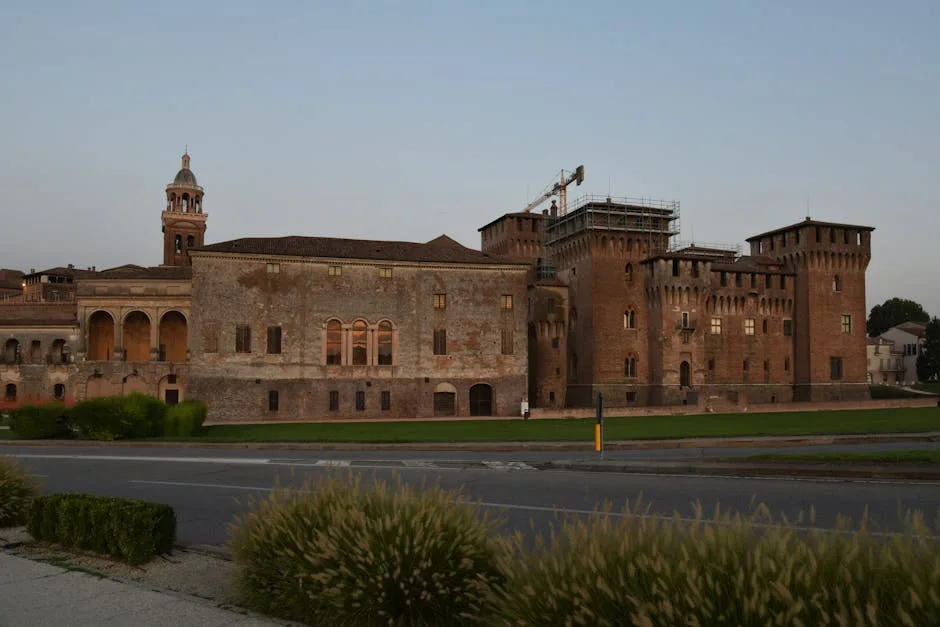
For today’s visitor, recognizing these distinctions helps you appreciate each site differently: the Cappella della Sacra Sindone, for instance, is first and foremost a place of worship and devotion with a decor aimed at public piety; the Palazzo Reale di Torino was remodeled to serve both as residence and as a ceremonial jewel box. As you move through these spaces, look for the features that reveal the ceremonial: raised platforms, boxes, high windows for procession entrances, locations for musicians — all clues to how rituals were staged.
Practical tip: to fully grasp the ceremonial dimension, book a themed guided tour (often labeled “Storie di Corte” or “Ceremonial at the Royal Court”) at the Palazzo Reale or Palazzo Madama. These tours, offered in several languages, explain the order of precedence and show archival dossiers and period costumes. Indicative price: themed guided tour €12–20 in addition to admission; booking is recommended via the official Soprintendenza per i Beni Culturali di Torino website.
2. Key Sites and Practical Information: Palaces, Chapels and Theaters
The symbolism of places is central. Here are the main sites to visit to understand and feel the court’s ceremonies, with addresses, typical hours and practical prices for 2024 (check for updates before your visit).
-
Palazzo Reale di Torino — Reggia di Torino
Address: Piazzetta Reale, 1, 10122 Torino TO, Italy.
Hours (typical): daily 8:30–19:30 (last admission 18:30); sometimes closed Monday mornings depending on the season. Check www.palazzorealeditorino.it.
Price: single palace ticket €12 adult, reduced €9 (EU youth 18–25, seniors >65), free for under 18s according to conditions. Combined ticket Palazzo Reale + Armeria Reale + Giardini Reali €15–18. Audio guide: €3–5.
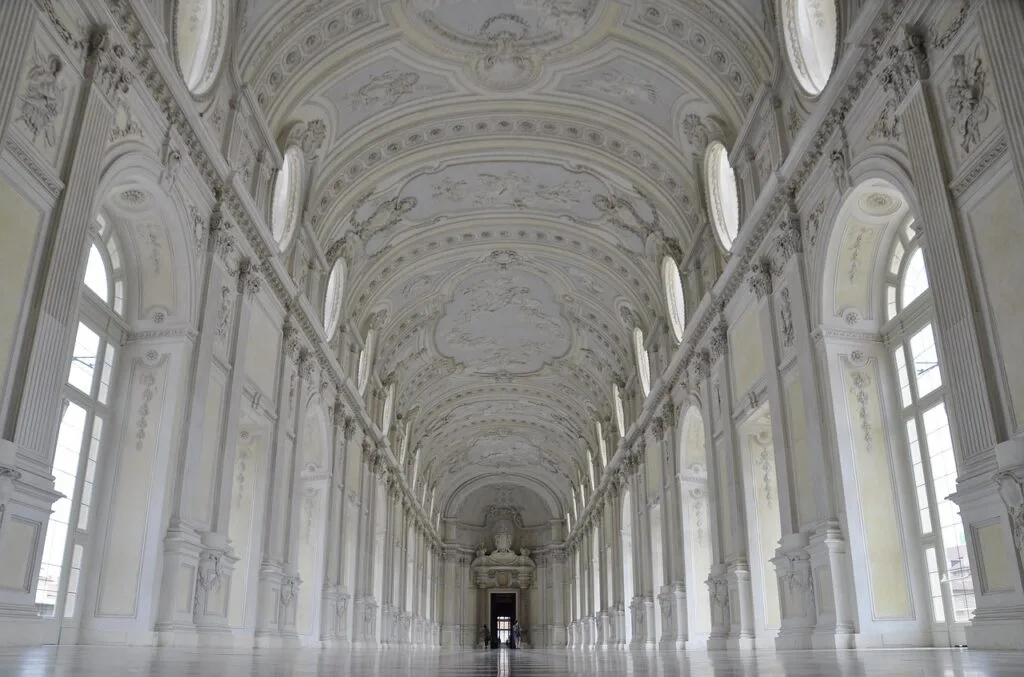
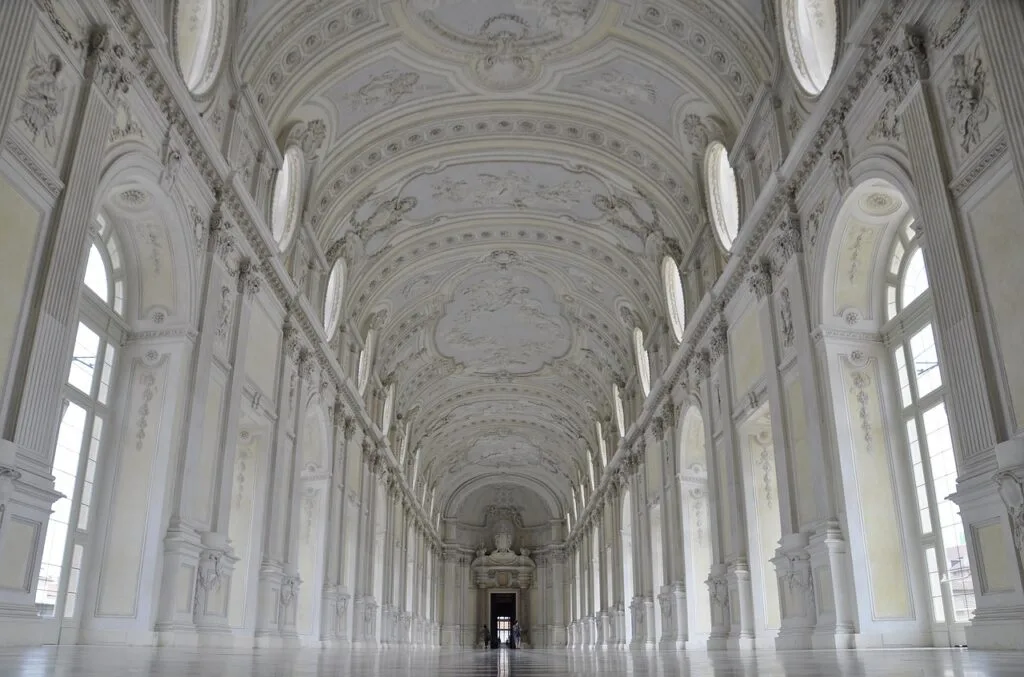
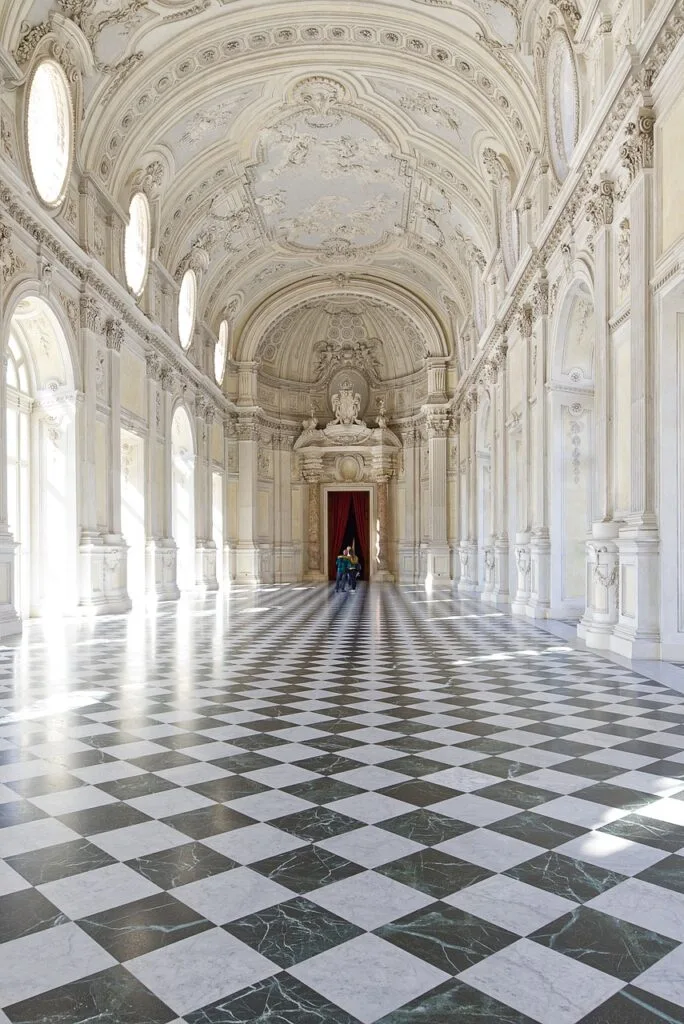
Immersive description: the king’s apartments preserve state rooms, a throne room, the Galleria Grande and the Biblioteca Reale, all enriched with Flemish tapestries, gilding and stucco. The salons reveal the logic of ceremonial: enfilades of reception rooms, spaces reserved for musicians and boxes for diplomats. The terrace offers views over Piazza Castello and the Superga hill in the distance. -
Palazzo Madama
Address: Piazza Castello, 10122 Torino TO, Italy.
Hours: generally 9:00–19:00; closed on some public holidays. Check www.palazzomadamatorino.it.
Price: standard ticket €10 adult, reduced €8; free for under 18s. Fees for temporary exhibitions vary (€5–12 extra).
Immersive description: a two-millennia-old building combining medieval remains and a baroque façade, Palazzo Madama houses a civic museum with furniture, costumes and court-life objects. The route explains how civil ceremonies (audiences, receptions) took place in richly decorated rooms and displays court costumes, insignia and ornaments. -
Cappella della Sacra Sindone (Turin Cathedral — Cappella della Sindone)
Address: Piazza San Giovanni, 10122 Torino TO, Italy (Duomo di Torino / Cattedrale di San Giovanni Battista, Via San Domenico 28 for the lateral entrance).
Hours: the cathedral is open for worship and visits generally 8:00–19:00; the Cappella della Sacra Sindone (Guarini chapel) may be accessible as part of a guided visit; hours vary; check www.duomoditorino.it.
Price: cathedral admission is free; guided visits to the chapel and exhibitions related to the Shroud: €5–12 depending on the formula. The relic itself is rarely displayed (extraordinary showings only).
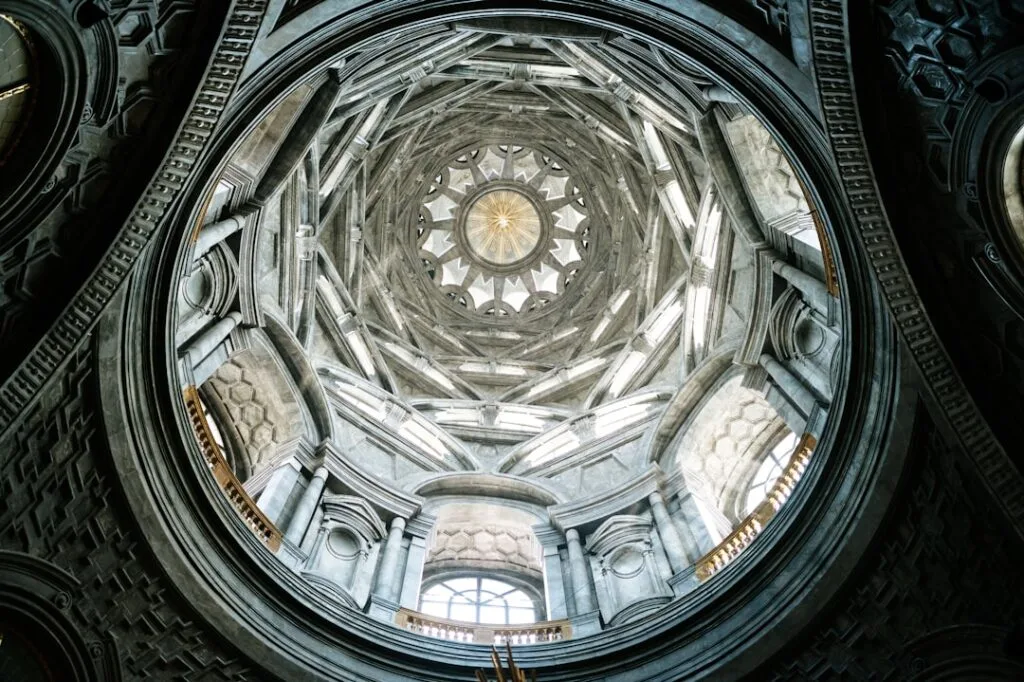
Immersive description: Guarini’s baroque chapel, with its elliptical plan, was designed to house the Holy Shroud. Its architecture is both a technical and theatrical feat: the lantern, slanted lighting and shadow plays direct the gaze toward the altar. Religious ceremonies here gained an intense theatrical dimension, amplified by liturgical music performed by the chapel choir. -
Teatro Regio di Torino
Address: Piazza Castello, 215, 10122 Torino TO, Italy.
Hours: box office generally 10:00–19:00 (extended on performance days); evening shows. Check www.teatroregio.torino.it.
Price: concert and opera tickets range from €10 to €150 depending on seat and production; guided theatre tours (off season) €6–12.
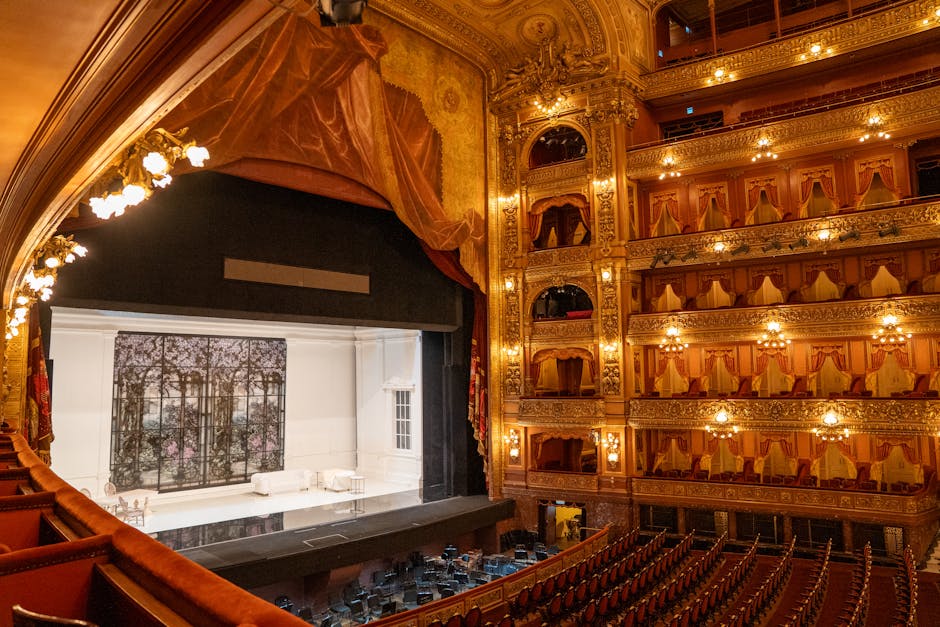
Immersive description: the theatre was the heart of court musical life, hosting ballets, operas and chamber music. Its acoustic and U-shaped design favored spectacle and grand entrances. The aristocratic boxes, draped in velvet and brocade, doubled as private salons for informal diplomacy and were an integral part of the ceremonial circuit. -
Museo Egizio — section related to offerings and rites
Address: Via Accademia delle Scienze, 6, 10123 Torino TO, Italy.
Hours: 9:00–18:30 (closed Tuesday); hours vary for temporary exhibitions; www.museoegizio.it.
Price: adult ticket €20 (full museum), reduced €15; audio guides and themed tours extra.
Description: though of a different nature, the Museo Egizio illustrates the importance of ceremony and ritual through its collection: offerings, votive statues and ritual scenes. These parallels help understand ceremonial constants across cultures and centuries. -
Mole Antonelliana — symbolism and city views
Address: Via Montebello, 20, 10124 Torino TO, Italy.
Hours: 9:00–19:30 depending on season; panoramic elevator may be ticketed.
Price: Museo Nazionale del Cinema admission €10–15 adult; panoramic elevator included. Reduced rates available.
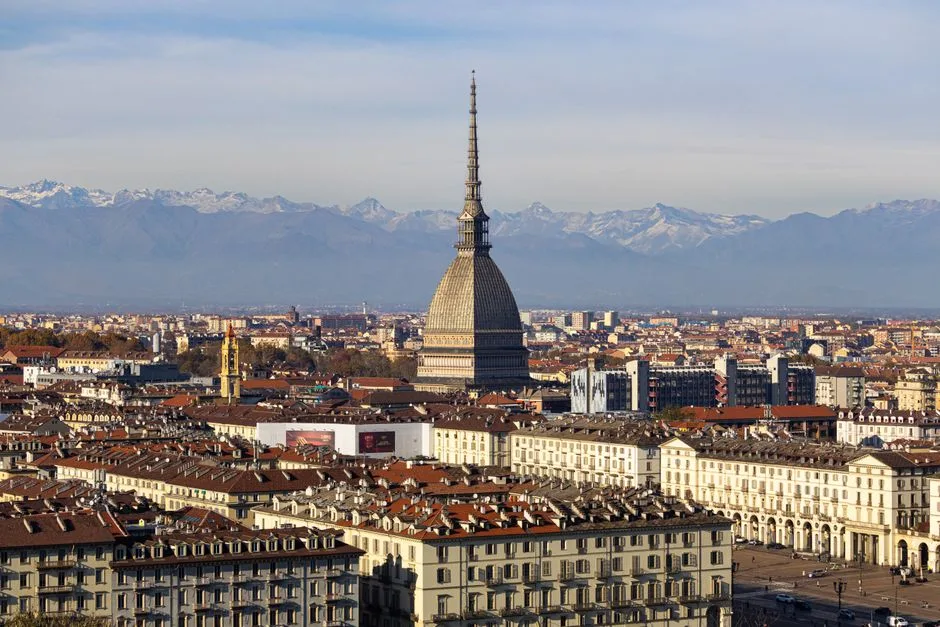
Description: the great dome dominates Turin and served symbolically as a landmark for processions and ceremonial alignments; from the belvedere you can read the urban topography that supported royal processions.
Practical tips: to avoid queues, buy tickets online (timed tickets for the Palazzo Reale and Museo Egizio). The combined Palazzo Reale + Armeria ticket often gives the best value if you’re interested in ceremonial arms and uniforms.
3. Rites, Protocols and Tangible Elements: Costumes, Music, Tableware and Symbols
A court ceremony is made of identifiable components: an order (precedence), objects (insignia, staffs, silverware), costumes and a scenography. Let’s break these down so you can spot them on site.
– Order and precedence: hierarchy determined entrance order, seating around the throne or at table, and the use of staircases and passages. Nearest the sovereign were the highest dignitaries, then nobles, then ambassadors. These rules are visible in floor markers, tapestries indicating chair placement, and in historical inventories still readable in some palace records.
– Costumes and insignia: ceremonial uniforms with braids, epaulettes, sometimes Masonic aprons, polished boots and decorations were integral political signs. Turin’s museums display uniforms of the Royal Household, court dress, embroidered cloaks and headdresses. Fees for certain temporary exhibitions (often €5–12 on top of museum admission) are worth it to see jewelry and regalia up close.
– Music and spectacle: court music — fanfares, chamber ensembles, choirs — was codified to mark entries and exits, receptions and masses. The Teatro Regio and the Palazzo Reale musical chapel show the importance of scores and instruments; check Teatro Regio’s schedule (www.teatroregio.torino.it) to attend a historical or baroque performance, often presented in period costume.
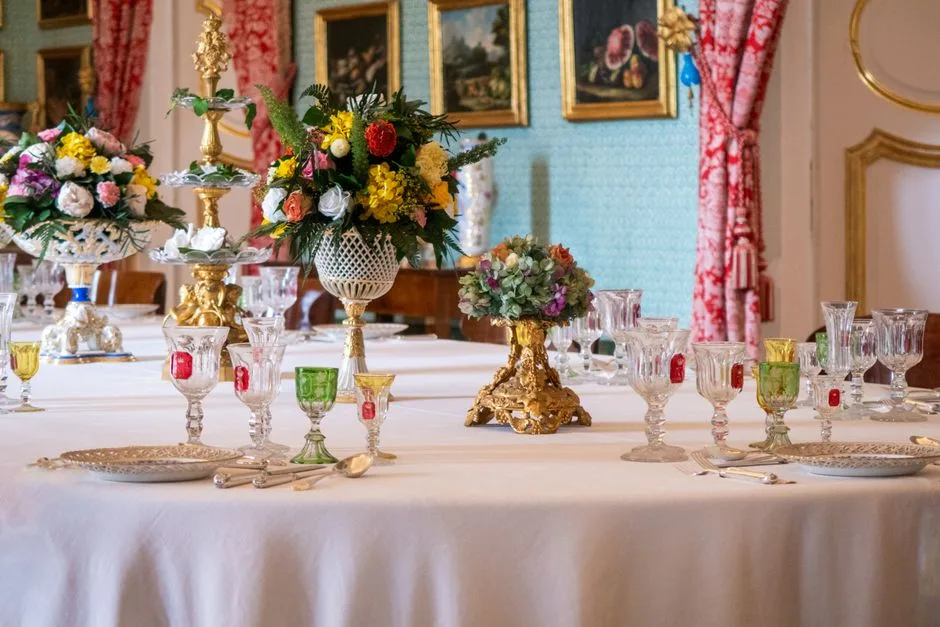
– Table and banquet: state banquets followed a precise service: silver-gilt tableware, codified menus, honor benches. Several museums display table services and historical banquet recipes. Prices for historically styled dinners in heritage venues can range from €60 to several hundred euros depending on the menu and service.
Visiting practice: inspect display cases with archival documents (inventories, tags, seating plans); they reveal ritualized details. Additionally, certain times of year (Christmas, Corpus Christi, national festivities) feature reenactments: baroque concerts at the Teatro Regio, special religious ceremonies at the Cappella della Sindone. Prices for historical concerts: €15–60 depending on seating. Book in advance.
4. Visiting Today: Suggested Itinerary, Transport, Accommodation and Local Tips
Preparing a visit to Turin to explore court ceremonial means combining palace and museum visits with pleasant walks. Here’s a typical 2-day itinerary and some concrete tips.
Day 1 itinerary:
- Morning: Palazzo Reale di Torino (Piazzetta Reale, 1). Arrive at opening time to avoid crowds — 8:30 if possible. Allow about 2 hours for a full visit (royal apartments, Armeria if included).
- Midday: lunch nearby — suggestion: Ristorante del Cambio, Piazza Carignano, 2, 10123 Torino (historic, menus from around €40). Reservation recommended.
- Afternoon: visit Palazzo Madama (Piazza Castello) then stroll along Via Po to the Mole Antonelliana (Via Montebello, 20) for the panorama and possibly the National Cinema Museum.
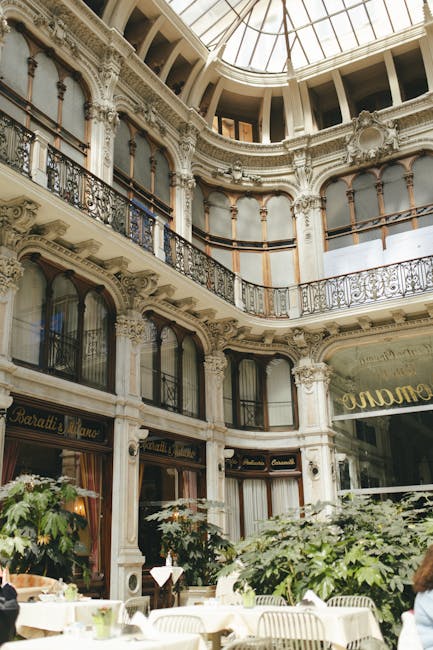
Day 2 itinerary:
- Morning: Duomo di Torino and Cappella della Sacra Sindone (Piazza San Giovanni / Via San Domenico, 28). Attend a mass if you want to experience rituality in a living context (service times vary; Sunday masses early morning and at midday).
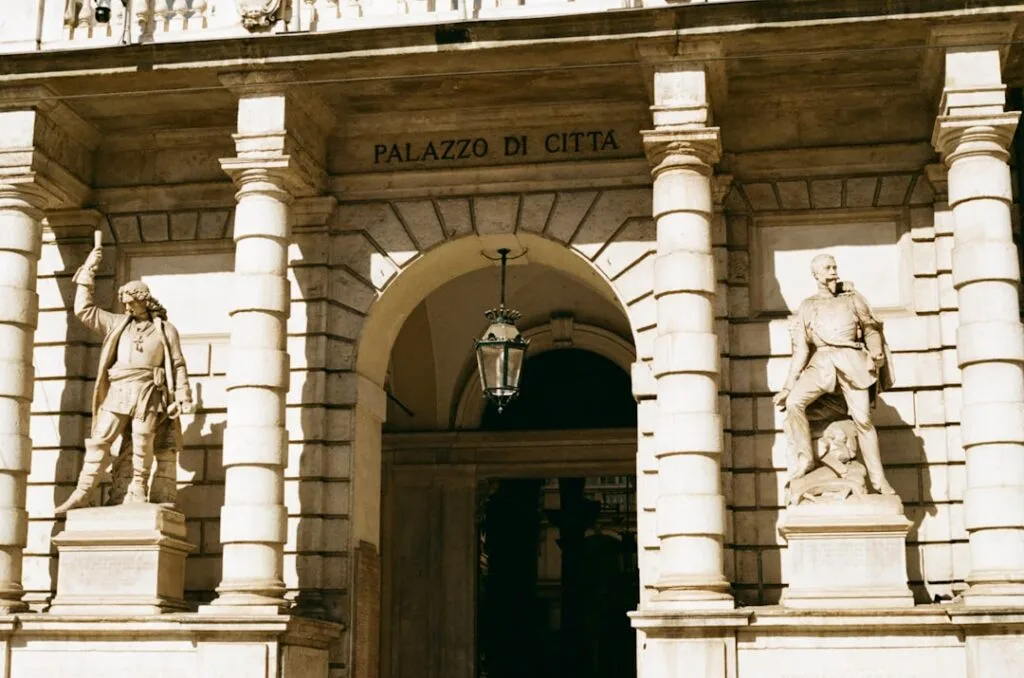
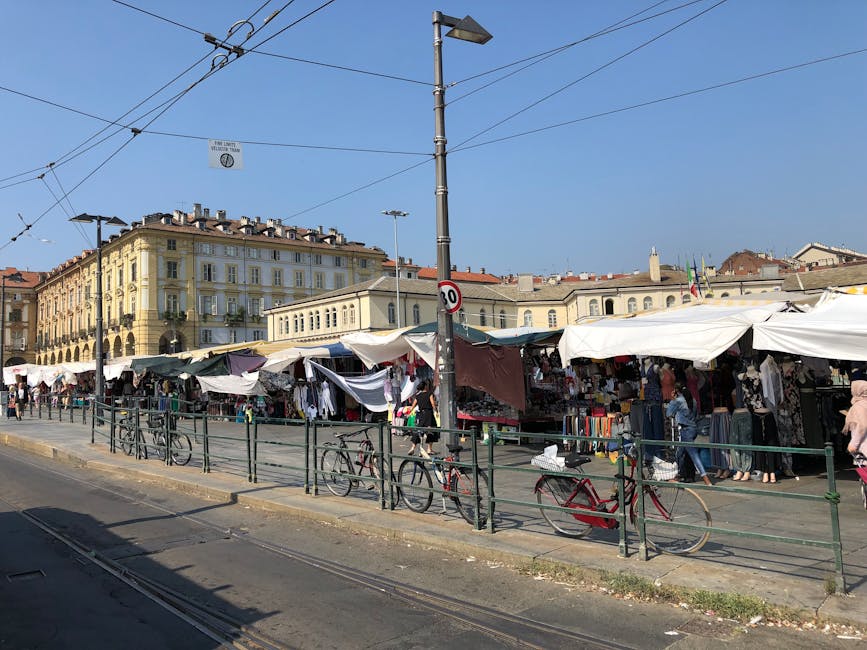
- Midday: lunch in the historic Quadrilatero Romano market (Via Palazzo di Città and nearby streets); local dishes €10–20.
- Afternoon: tour Teatro Regio or, season permitting, attend a concert. Finish with a visit to the Museo Egizio if time allows.
Transport and accessibility:
- From Torino Porta Nuova station: trams and buses serve the center; it’s a 15–20 minute walk depending on pace. Taxis and apps like MyTaxi/local services available.
- Metro stations: Porta Nuova (linea 1), Porta Susa; many bus lines serve Piazza Castello.
- Accessibility: most museums are accessible to visitors with reduced mobility with elevators; check each site for access to historic rooms, which may have steps.
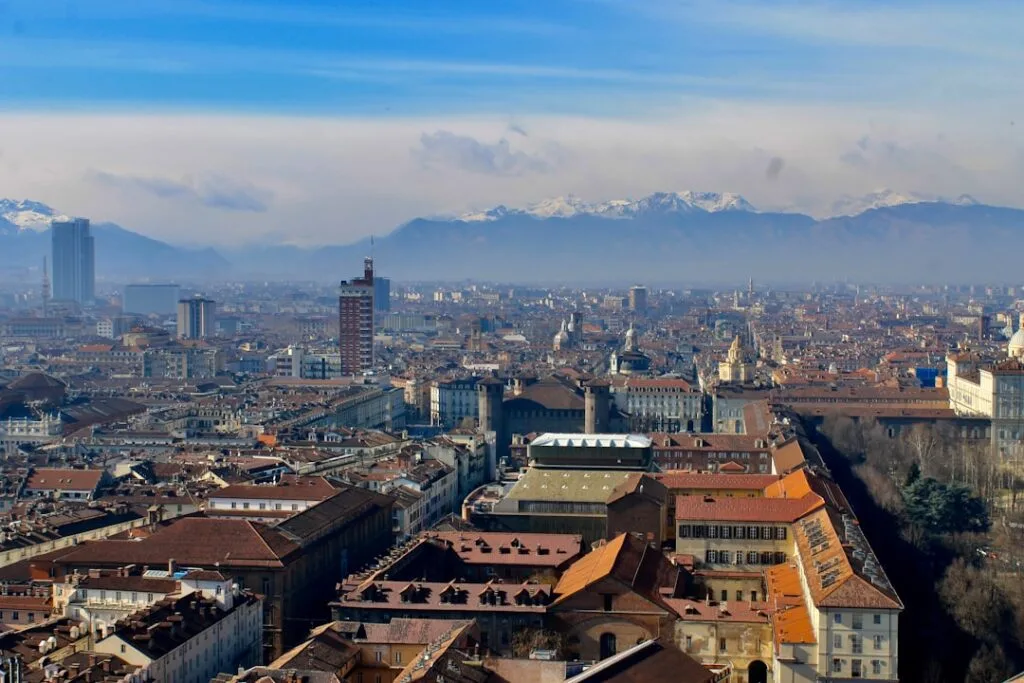
Accommodation and budget:
- Charming hotels near Piazza Castello: Grand Hotel Sitea, Via Carlo Alberto, 35, 10123 Torino — rates €120–250 per night depending on season. Perks: central location, breakfast and classical style.
- Budget options: B&Bs and small hotels around the Quadrilatero Romano, rooms €50–100 per night.
- Budget tip: allow €40–60 per day for museums and visits if you buy a few combined tickets; €20–40 per meal depending on dining level.
Local tips and good practices:
- Opening hours: hours vary; check online the day before. Temporary exhibitions often have reduced opening times.
- Reservations: for themed guided tours and Teatro Regio concerts, book at least two weeks in advance during high season.
- Photography: some historic rooms prohibit photography or require a paid permit; follow signage. Outdoor spaces and galleries are often photo-friendly.
- Markets and souvenirs: in the Quadrilatero Romano pick up reproductions of old engravings and small local ceramics. Avoid overly touristy shops near the Mole for more authentic souvenirs.
- Language: Italian is the norm; many sites offer brochures in English and sometimes French. Private English/French guides are available by booking (rates €120–250 for 2–3 hours depending on expertise).
Conclusion — Between Memory and Practice: How to Experience Turin’s Ceremonial Today
Searching for miraboli and courtly splendor in Turin is not just a string of museum visits: it’s a sensory experience that invites the imagination. Palaces like the Palazzo Reale di Torino and Palazzo Madama preserve spaces where ritual was expressed through architecture, furniture and light. The Cappella della Sacra Sindone and the Duomo convey the intense religious dimension of these ceremonies. The Teatro Regio reminds us that the court was always closely tied to the musical and theatrical stage. Moving between these sites allows you to mentally reconstruct the choreography of power and its symbolic stakes.
Practically speaking, take advantage of combined tickets and themed tours to grasp the details of protocol: precedence, seating at table, ceremonial costumes and the role of musicians. Book online to skip queues, plan your days around museum and performance schedules, and if possible attend a mass or a baroque concert to experience the ceremonial in its sonic rhythm. The prices and opening times given here are indicative; always consult the official sites (Palazzo Reale, Palazzo Madama, Teatro Regio, Duomo di Torino) for updates.
One final traveler’s tip: take time to notice material details — door studs, ironwork, Latin inscriptions, dynastic monograms on furniture — clues that curators and guides love to point out. Old ceremonies survive in gestures, objects and spaces; your visit becomes an active reading of history. Turin lets visitors move from archives to living traditions: markets, historic restaurants like Ristorante del Cambio, concerts at the Teatro Regio and walks through the squares that once hosted parades. By combining historical curiosity with practical planning, you can turn your stay into a true immersion in Turin’s art of ceremonial — an experience where every room, stained-glass window and rug has a story of power and spectacle to tell.