





Introduction: Discovering the Galleria Sabauda in Turin
The Galleria Sabauda, known in Italian as the Galleria Sabauda, is one of Turin’s most iconic cultural institutions. Housed within the heart of the Palazzo Reale complex, it brings together an outstanding collection of paintings, royal portraits, tapestries and ceremonial objects that trace the artistic and political history of the House of Savoy and the Italian principalities. For curious visitors, a trip through the Galleria Sabauda is an immersive dive into how power was portrayed—each painting and portrait reveals visual strategies of legitimation and aesthetic choices from past centuries.
Located in Turin’s historic center, the gallery is a must for lovers of art, history and architecture. Its rooms, arranged both chronologically and thematically, display works by Italian and European masters—particularly Flemish and Dutch schools—and a rich series of portraits of the sovereigns of the House of Savoy. The royal portraits, especially, are more than mere likenesses: they are political objects, visual garments of power that let you read the transformation of monarchy from the 17th to the 19th century.
This guide-style article, designed for travelers preparing a full visit to Turin, is meant to be a practical, in-depth companion. You’ll find concrete information: exact addresses, prices in euros (at time of writing), opening hours, local tips to get the most from your visit, immersive room and artwork descriptions, and suggested thematic routes (portraits, religious painting, Flemish schools). The goal is to help you enter the gallery not just as a tourist but as an informed observer, able to appreciate the symbolic and artistic richness of each piece.
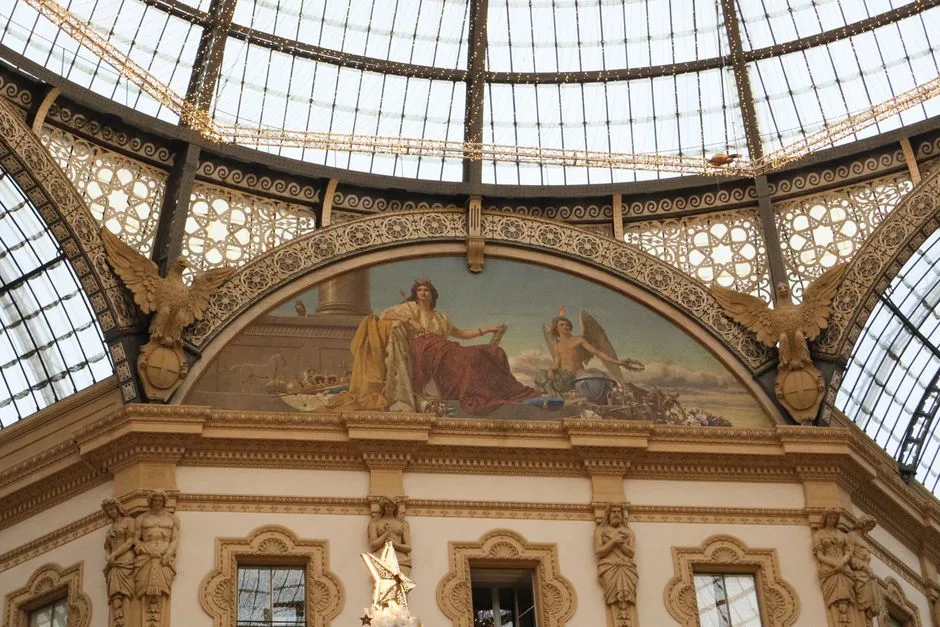
Before we dive into the works and practical recommendations, note that the Galleria Sabauda sits within the same complex as the Palazzo Reale di Torino, and a visit can easily be combined with an exploration of the royal apartments, the gardens and neighboring museums. Its proximity to Piazza Castello also makes the gallery a convenient starting point for exploring Turin’s city center, historic cafés and artisan shops. Finally, for those wanting to go further, the gallery occasionally hosts temporary exhibitions and thematic lectures—check ahead so you don’t miss these complementary events.
History, Location and Architectural Context
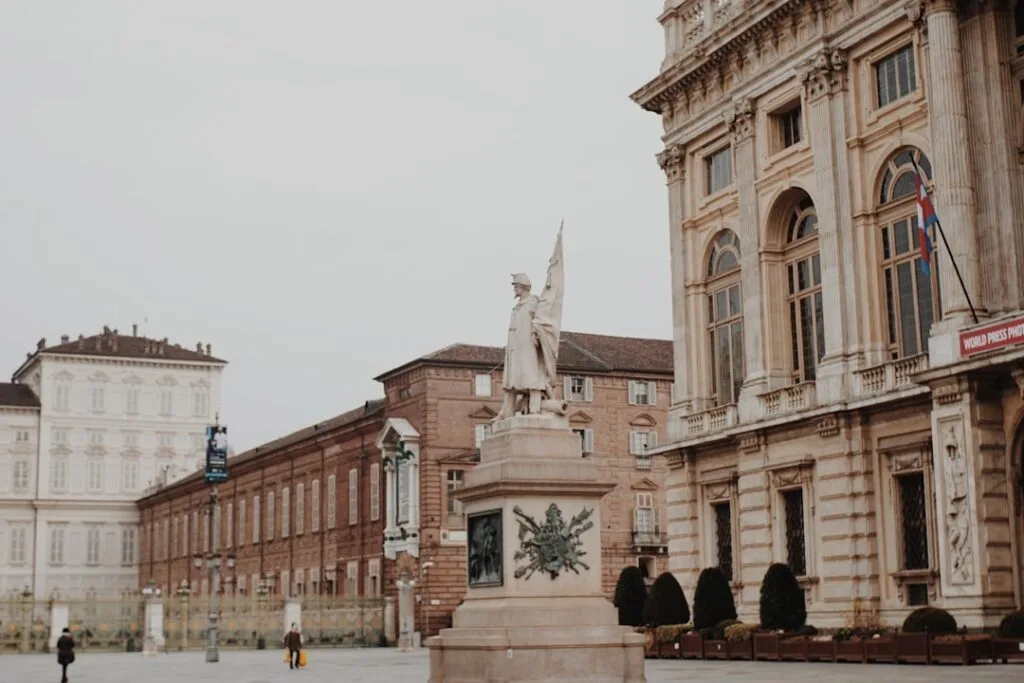
The Galleria Sabauda is rooted in the history of Savoyard power and the dynasty’s desire to assert its legitimacy through the arts. Located in the Palazzo Reale, it benefits from princely decor and architecture that tell the story of Turin’s rise as an administrative and cultural capital. Exact address: Galleria Sabauda, Palazzo Reale, Piazza Castello 191, 10122 Torino TO, Italy. The Palazzo Reale building, with its restrained façade and elegant internal courtyard, invites discovery: each room was designed to showcase paintings and portraits while preserving a coherent historical narrative.
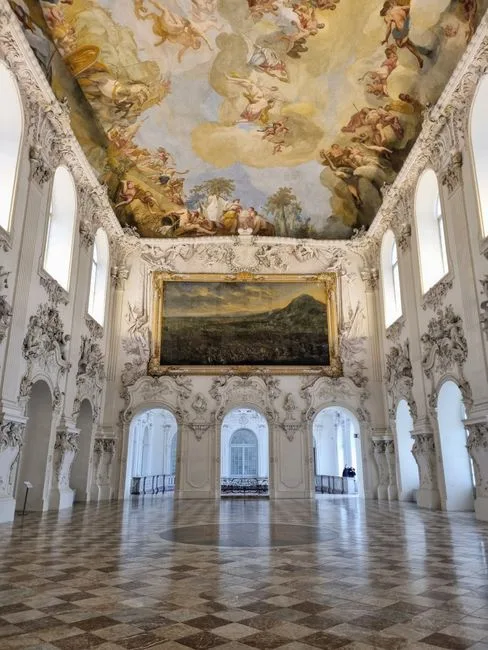
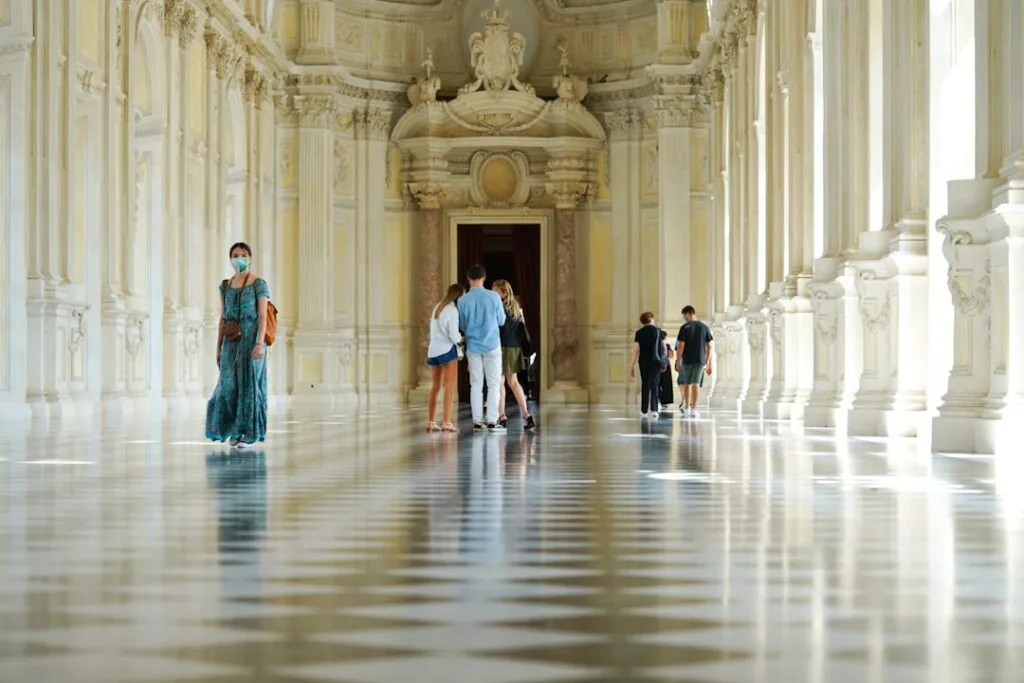
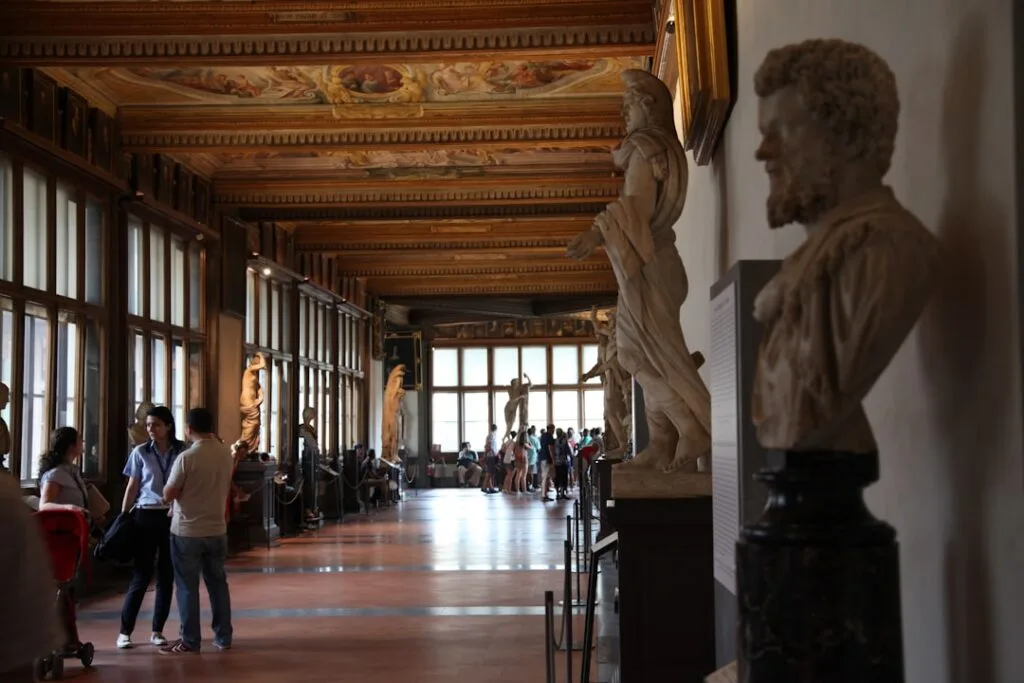
The museum route is arranged to encourage a smooth reading of the collection: visitors typically begin with the Flemish and Dutch schools of the 16th and 17th centuries, then move on to Northern Italian works and the portraits of the House of Savoy. The palace interior—with its moldings, woodwork and period fireplaces—provides an authentic setting for the paintings and contributes to the solemn atmosphere. You’ll find rooms where natural light, filtered through large windows, highlights the color richness of oil on canvas and gilded frames.
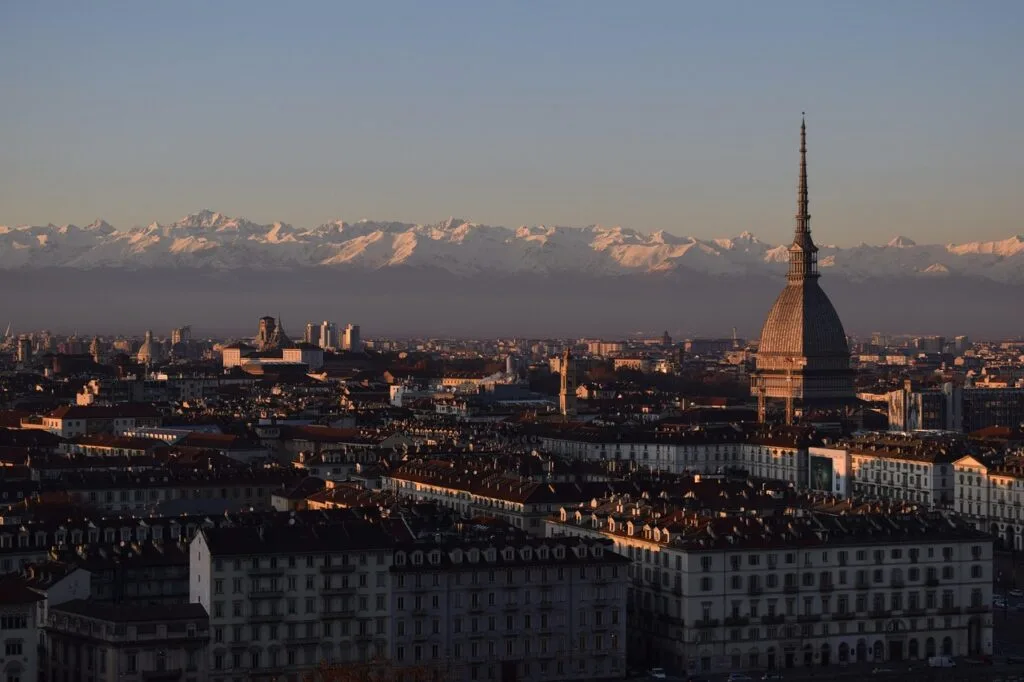
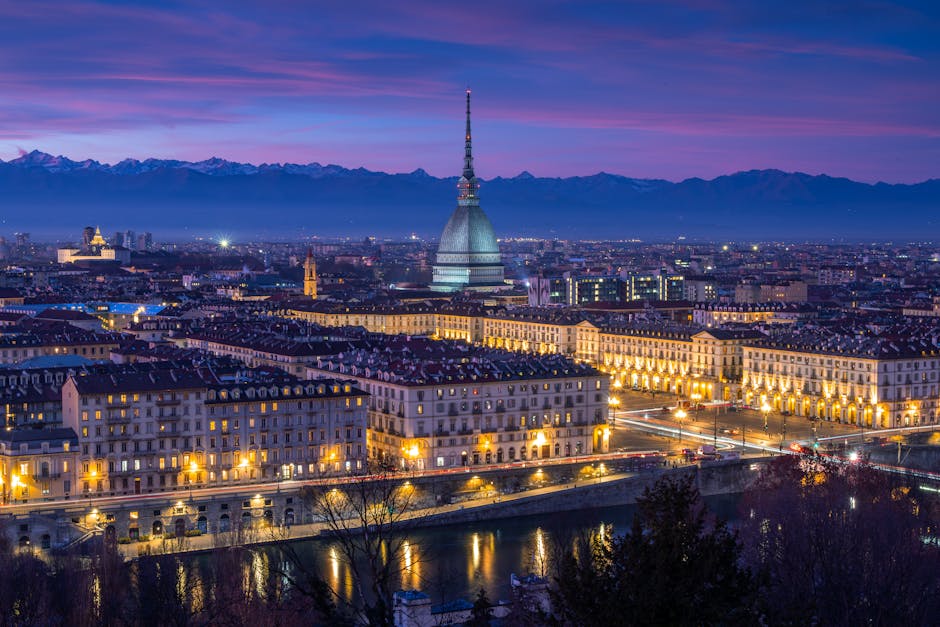
The gallery’s central location on Piazza Castello makes access easy: allow 10 to 15 minutes on foot from Torino Porta Nuova station (depending on your route) and a few minutes from the Porta Susa metro stop—several tram and bus lines run by GTT serve the square. The visit is enriched by the proximity of other major sites like the Museo Egizio (Egyptian Museum), the Duomo di Torino and the Mole Antonelliana, making this area a dense cultural hub.
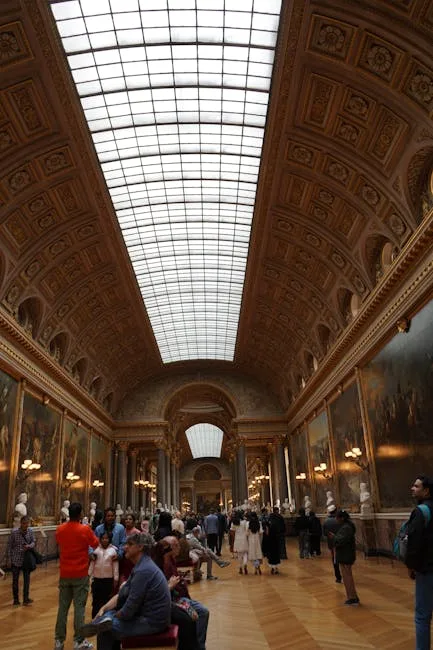
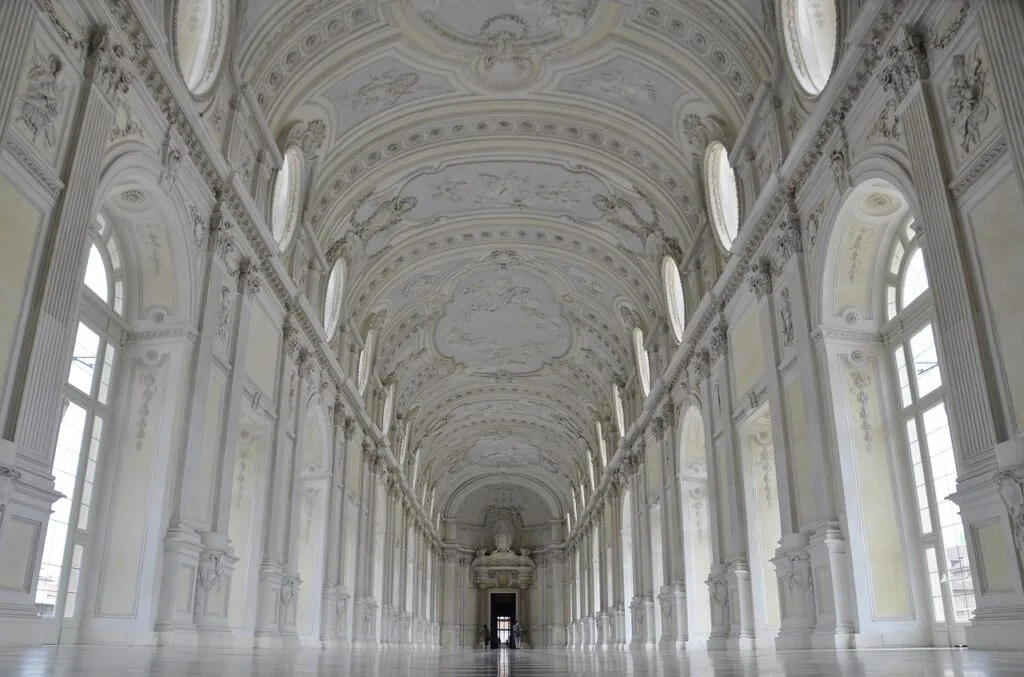
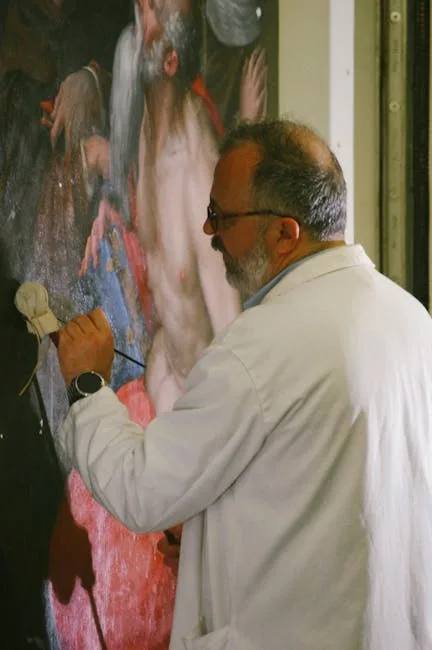
From architectural and museographic perspectives, the gallery has benefited from recent restoration campaigns aimed at improving public welcome and conserving the collection. The bright, renovated rooms make it comfortable to study the paintings, and the conservation team carries out regular maintenance. Some areas also feature multimedia displays and multilingual labels to help visitors. If you’re interested in the architecture itself, take time to admire the woodwork, painted ceilings and grand staircases—they’re integral to the palace’s story.
Major Works and Royal Portraits Not to Miss
The Galleria Sabauda’s collection is extensive but can be enjoyed in stages. Several paintings and portraits stand out for their quality, conservation state and historical value. Highlights include Flemish works (portraits, religious and narrative scenes), Italian masters from the 16th to the 19th century, and a suite of official portraits of Savoyard sovereigns. These portraits, often commissioned to fix the ruler’s image, are invaluable documents for understanding representations of power.
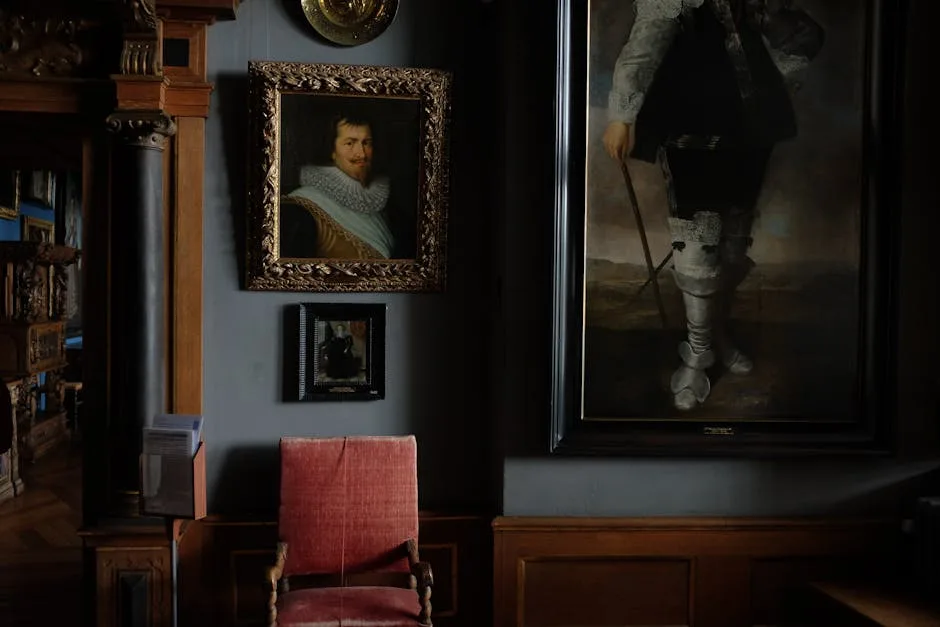
Among the pieces guides usually recommend:
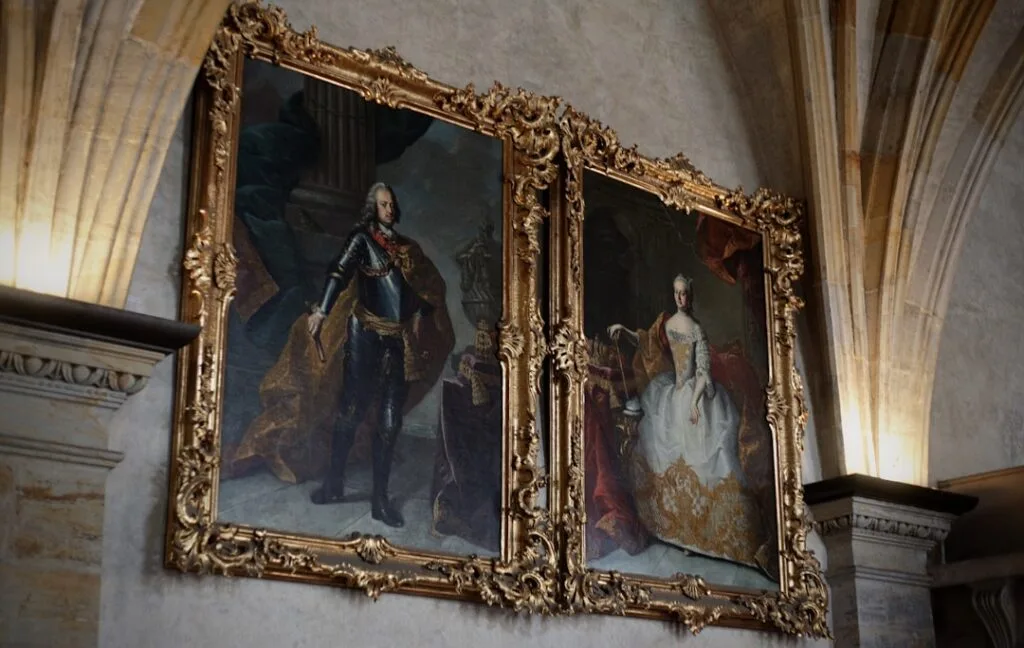
- Portraits of the Dukes and Kings of Savoy: a series of official portraits showing the evolution of dress codes, symbols of power (jewelry, swords, armor) and the pictorial language of royal studios.
- Flemish paintings: workshop pieces from Flanders illustrating religious and genre scenes, with meticulous detail and characteristic color richness.
- Baroque and 17th-century canvases: dramatic compositions, chiaroscuro effects, religious and mythological subjects.
- Court portraits collection: images of nobles, royal consorts and children that reveal family and political networks.
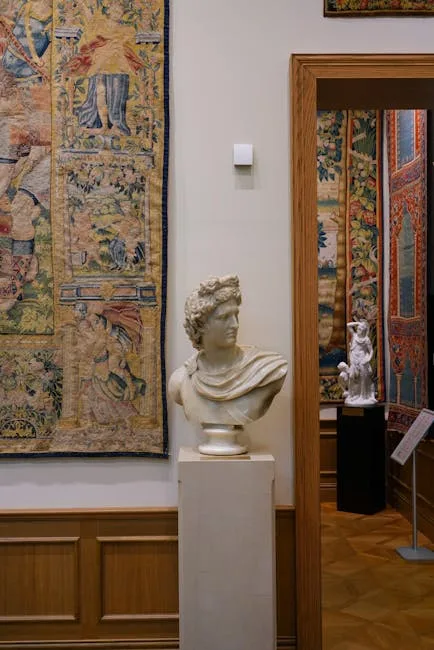
The royal portraits deserve close attention for several reasons: first, because they functioned as propaganda tools (diplomatic gifts, public displays, palace decoration); second, because their iconography shifts depending on political stakes (war, marriage alliances, rise to power). For example, how a sovereign is depicted—armored, in refined civilian dress, or as an austere bust—speaks directly to how they wished to be seen by subjects and foreign powers.
When you approach the labels, take time to read the details: date, workshop or author, materials and provenance. Labels often note a painting’s history (donations, confiscations, purchases)—these details add an essential narrative layer. If you want a themed angle, focus your visit on royal portraits: compare costumes, posture, pictorial backgrounds and symbols (scepters, crowns, cloaks), and note differences between the represented artistic schools.
Practical Visitor Guide: Prices, Hours, Access and Local Tips
Planning your visit to the Galleria Sabauda will make the experience much smoother. Here are the essential practical details and local tips to get the most out of your stop.
Address and Contact
Galleria Sabauda
Palazzo Reale, Piazza Castello 191, 10122 Torino TO, Italy
Phone: +39 011 521 1234 (indicative number; check online before your visit)
Official site: consult the Soprintendenza or Palazzo Reale website for bookings and events.
Opening Hours
At the time of writing, standard hours are as follows (check online before you go as seasonal changes may apply):
- Tuesday to Sunday: 9:00 – 18:30 (last entry at 18:00)
- Monday: closed
- Public holidays: variable hours, check the website
Tickets (indicative, in euros)
Prices may vary depending on temporary exhibitions and combined tickets with other Royal Palace museums. Example prices at the time of writing:
- Standard admission to Galleria Sabauda: €12.00 full price
- Reduced rate (students, seniors, youth cards): €8.00
- Combined ticket Royal Palace + annexed museums: €16.00 to €18.00
- Official guided tour (by reservation): approximately an additional €6.00 per person
These amounts are indicative—buy your tickets online to secure your preferred time slot, especially in high season.
Accessibility and Services
The gallery offers accessibility features: elevators for wheelchair users, adapted restrooms and benches in some rooms. Animals are not admitted (except guide dogs). The museum generally provides audio guides in multiple languages and educational materials for families and school groups. A small gift shop inside sells catalogs, postcards and reproductions.
Practical local tips:
- Arrive early: the first hours of the morning are often quieter and ideal for studying portraits without the crowds.
- Combine visits: pair the Galleria Sabauda with the Appartamenti Reali and the Giardino del Palazzo Reale for a comprehensive half-day of culture.
- Cafés and dining: nearby, try Caffè Mulassano (around Piazza Castello) or the Palazzina di Caccia for a break. Bring a water bottle—drinking in the galleries is prohibited, but there are places to eat outside.
- Photography: non-flash photography is generally allowed unless otherwise indicated for specific works.
- Transport: the square is served by tram and bus lines. Porta Nuova station is a 10–15 minute walk; Porta Susa is also reachable in 20–25 minutes depending on your route.
Recommended Routes and Interpretation Tips
To get the most out of the Galleria Sabauda, it helps to follow a structured route. Here are two recommended itineraries based on your time and interests, plus keys to reading royal portraits and other works.
Short route (1 hour) – The essentials
If you have an hour, focus on:
- The royal portraits room: study 4 to 6 key portraits and note differences in costume and attitude.
- A standout Flemish work: appreciate the detail and texture rendering.
- The temporary exhibition room (if available): a glimpse into current research.
Take time to read two important labels and linger for 10–15 minutes in front of one work to observe details and technique.
Long route (2–3 hours) – Thematic deep dive
For a thorough visit:
- Start with the Flemish schools to understand iconographic precision.
- Move on to the series of royal portraits and make comparisons—look at power attributes, backgrounds and symbolism.
- Explore tapestries and ceremonial objects if they are on display: they complement the portrait readings.
- Finish with a break in the royal apartments or the garden to place the gallery within the courtly life context.
Interpretation keys:
- Watch posture and gaze: a frontal gaze often signals authority, while a sidelong look can imply contemplation or moral elevation.
- Read the accessories: crowns, swords, jewelry and fabrics speak volumes about rank and the portrait’s political purpose.
- Notice the format: a full-length portrait is a deliberate declaration of presence.
- Compare schools: a Flemish work differs noticeably from an Italian one in skin rendering, light treatment and backgrounds.
Conclusion: Why Include the Galleria Sabauda in Your Turin Itinerary
The Galleria Sabauda is more than a collection of paintings: it’s a visual narrative of power-building in Northern Italy and a place where art, history and politics converge. The quality of the royal portraits, the diversity of represented schools and the princely setting of the Palazzo Reale make this visit both intellectually rewarding and emotionally resonant. Adding the gallery to your Turin itinerary gives you a finer understanding of Turin’s role as a center of power and how imagery served diplomacy and family memory.
Practically speaking, the Galleria offers modern amenities (audio guides, accessibility) and ticketing options that allow you to tailor your visit: short stops for passersby, longer visits for art-history enthusiasts. The royal portraits, in particular, form a unifying thread that illuminates stylistic and political shifts from the Baroque period to the dawn of modern Italy.
Final tip: take your time. Works reward close looking and contextualization (date, patron, political circumstances). Make the most of the gallery’s proximity to other Turin museums to build a coherent cultural day, and don’t hesitate to ask gallery staff for pointers—curators and mediators are often available to provide insights that will enrich your visit. The Galleria Sabauda is not just a place for contemplation; it’s a space for historical understanding, and in Turin it remains an essential stop for anyone who wants to grasp the city’s character and depth.