





Introduction — Turin on Display: A Food-Lover’s Stroll Through Historic Markets
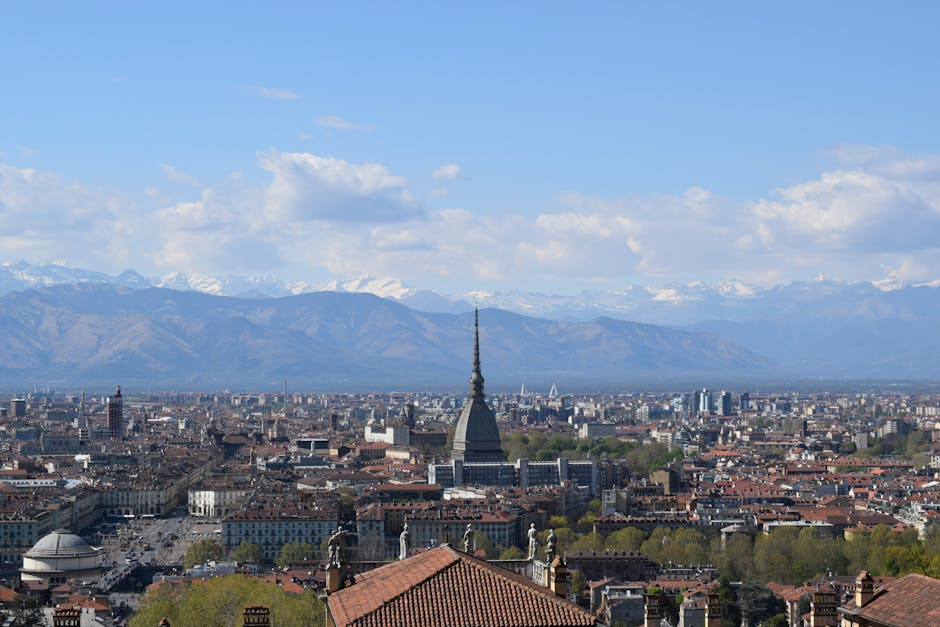
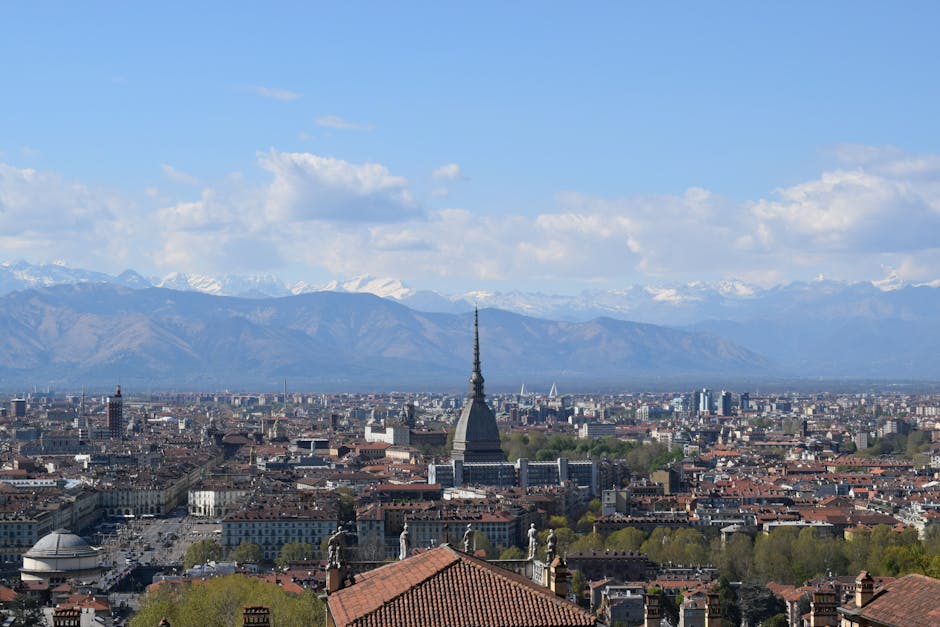
Turin is more than Piedmont’s chocolate capital and a city of grand cafés: it’s a place where markets have long shaped daily life. Wandering between stalls, breathing in the scent of warm bread, picking out a wedge of cheese from a local affineur, grabbing a panino in the shade of a portico… These are the experiences that make Turin unique. This foodie itinerary invites you to discover, in a full day or several relaxed half-days, the historic and popular markets that helped build the city’s culinary heritage.
On the agenda: vast open-air markets, covered halls bursting with local specialties, flea markets where you can find anything from ceramics to vintage bottles, and neighborhood gatherings where small producers and street-food vendors sit side by side. Each market is described in detail: exact address, typical opening hours, price ranges for emblematic products, local anecdotes and practical tips for smart shopping. The aim is twofold: to give you a clear, doable route and to immerse you in the sensory atmosphere — colors, sounds and flavors — that define Turin’s markets.
This article is for both the time-pressed visitor looking for an authentic lunch and the gastronome hoping to bring home regional products: Piedmontese cheeses (taleggio, robiola, toma), cured meats (salame di turgia, lardo), truffles and mushrooms in season, and of course sweet treats like gianduja and bicerin. You’ll also find recommendations for the best time to visit each market to avoid crowds, how to haggle (the subtle art of “chiedere il prezzo”), and logistical tips (transport, public toilets, card acceptance).
To make the route visual and inspiring, I’ve placed image markers at the most photogenic spots: colorful stalls, smiling vendors, neighborhood lanes, and tasting scenes. These cues are designed to help you prepare a visual travel journal or a photo route.
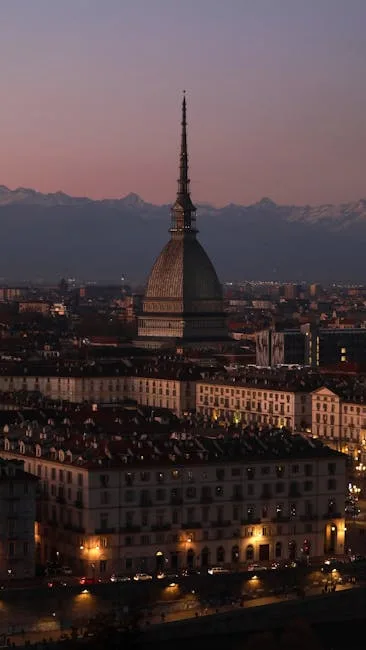
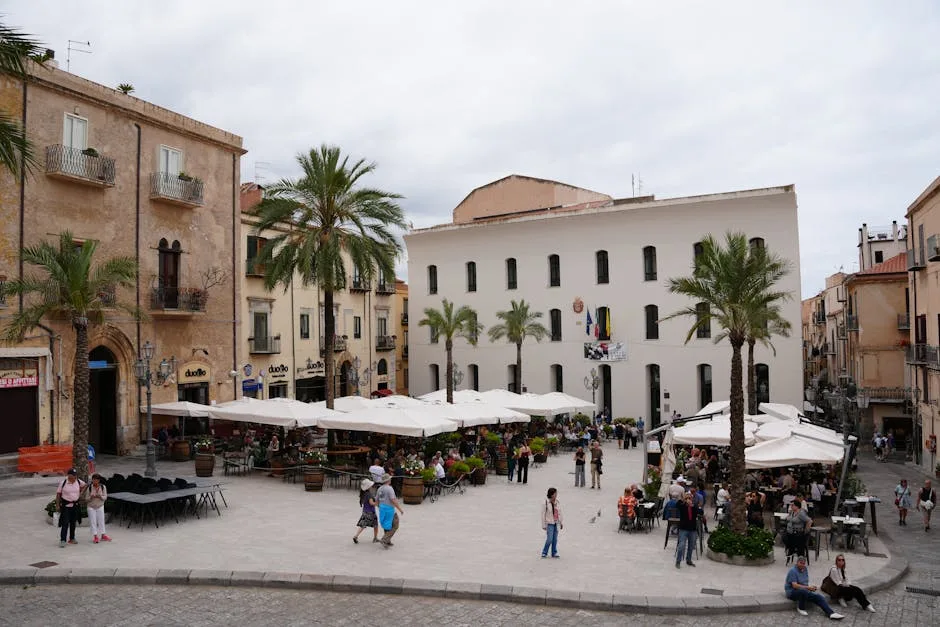
Mercato di Porta Palazzo — Turin’s Grand Food Hall (Piazza della Repubblica)
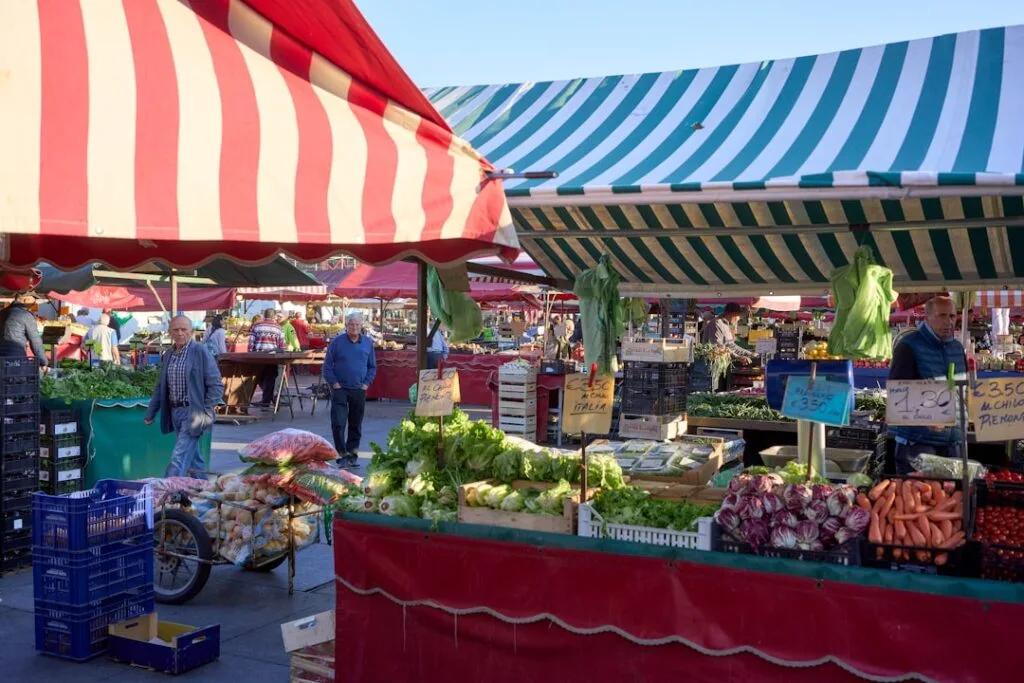
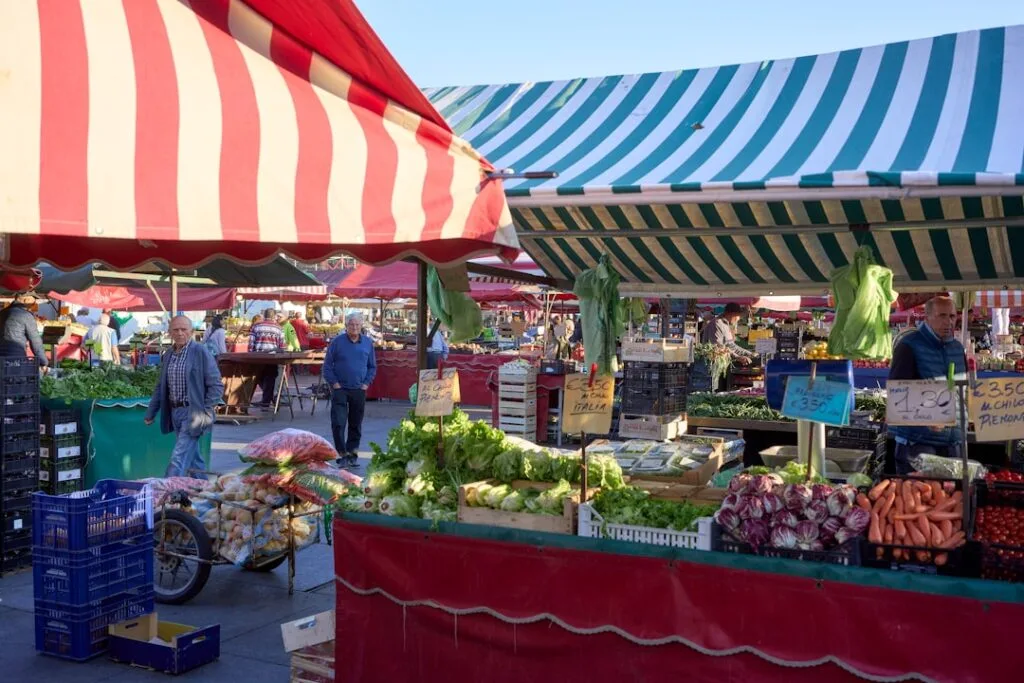
Mercato di Porta Palazzo is the largest open-air market in Europe and the commercial heart of Turin. Located at Piazza della Repubblica, 10152 Torino (TO), it occupies large swathes of the square and the surrounding streets. You’ll find everything here: fruit and vegetables, a fishmonger, butchers, cheesemongers, Italian groceries and international stalls. The market mainly runs Monday through Saturday from 7:00 AM to 2:00 PM. Some food stalls stay open until 4:00 PM; the covered shops have slightly different hours depending on each trader.
Why start your route here? Because Porta Palazzo sets the tone: density, variety, competitive prices and a very Turin, every-day atmosphere. Expect stalls overflowing with beefheart tomatoes, local asparagus, citrus, olives and aromatic herbs. Prices are attractive: a basket of mixed vegetables can cost between €5 and €12 depending on the season; early tomatoes €2–4/kg; local cheeses (toma piemontese) €18–25/kg; artisanal salami €12–20/kg. Fish fillets start from around €8–12/kg (depending on origin).
Beyond the prices, it’s the human ecosystem that draws you in: vendors from Piedmont as well as Eastern Europe and North Africa, regular customers moving from stall to stall, and small neighborhood eateries cooking on site. Practical tips: arrive early (7:30–9:00) for the best picks and to avoid the summer heat. Bring a reusable bag, some cash for quick buys (many stalls accept cards, but some are cash-only), and insulated bags for meat and fish if you plan to buy them.
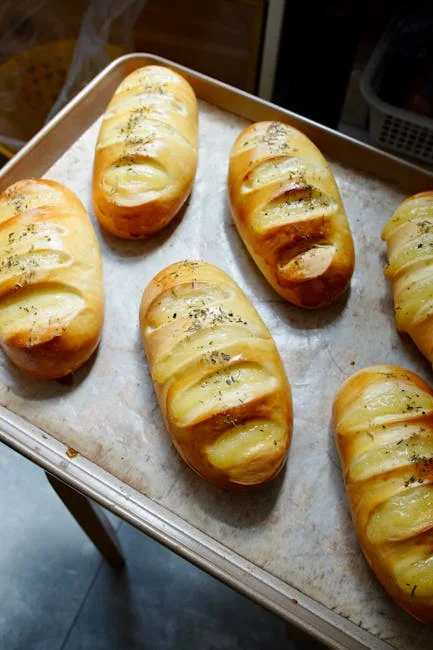
Highlights not to miss: the butcher’s hall (check freshness, ask the delivery date), the cheese counter where you can request a tasting, and the exotic product stalls for an international twist. For a quick lunch, try a “panino con porchetta” from a food truck or stop at the small café bordering the square for an espresso or a bicerin (the local chocolate-milk-coffee drink). Local tip: if you’re buying in bulk, haggle gently — a 5–10% discount is often possible.
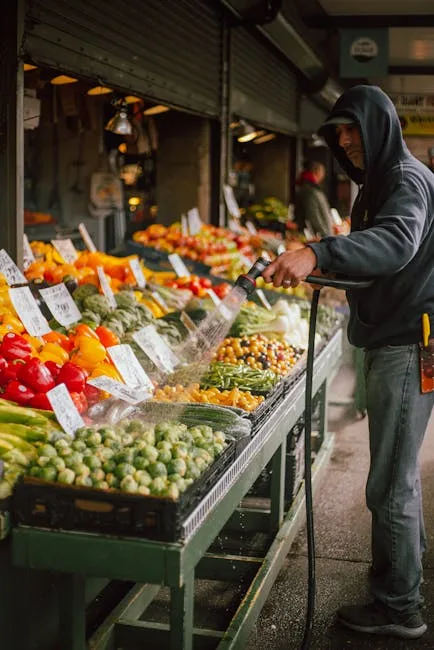
Borgo Dora — Balon, the Historic and Contemporary Flea Market
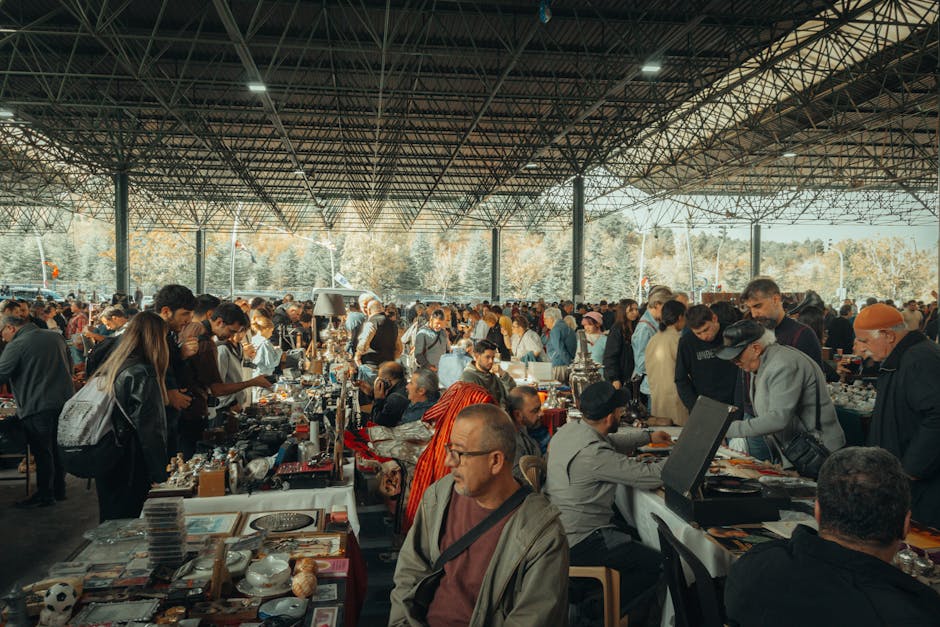
Borgo Dora and its famous “Balon” (Mercato delle Pulci di Borgo Dora) are the go-to spots for bargain hunters and lovers of antiques. The Balon mainly takes place on Saturdays — approximate hours 6:30 AM to 2:00 PM — along Via Borgo Dora and Via Piossasco, 10152 Torino. There’s a smaller Tuesday edition, but Saturday is the flagship day, with hundreds of exhibitors selling antiques, vintage items, vinyl records, cutlery, old furniture and sometimes stalls of reclaimed clothing.
The market occupies a fringe of the historic district north of the city center, close to the Po River and former workshops. It’s a place where visuals matter: stacks of leather suitcases, enamel cups, Art Deco lamps, old posters and even some small silver pieces. Prices vary hugely; you can find bargains (€5–20) and collector’s items that fetch several hundred euros. It’s wise to carry cash for impulsive buys.
Shopping tips: start on the Via Borgo Dora side near the covered market (zona Dora) and take time to sift through the scruffier stalls — the best finds are often buried under piles. If you’re after old books, head to the specialist booksellers near the intersection with Via Pallavicino. Haggling: at the Balon, bargaining is part of the fun. A 10–20% reduction can be acceptable with independent sellers; be polite, smile and be ready to walk away if the price doesn’t suit you — sometimes the vendor will call you back.
Around the Balon you’ll find cozy cafés and designer workshops that have turned former industrial spaces into showrooms. It’s also a great spot for a simple lunch: panini from €4–7, piadine €3–6 and coffees around €1.20–2. If you want a typical Turin souvenir, favor small ceramic pieces or an old copper chocolate mold.
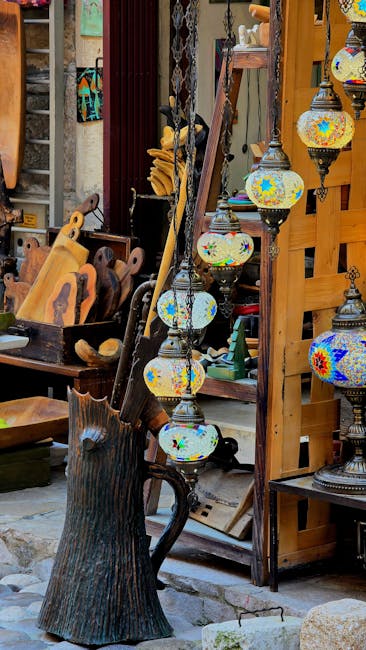
Mercato di San Salvario — Cosmopolitan Vibes and Street Food (Piazza Madama Cristina)
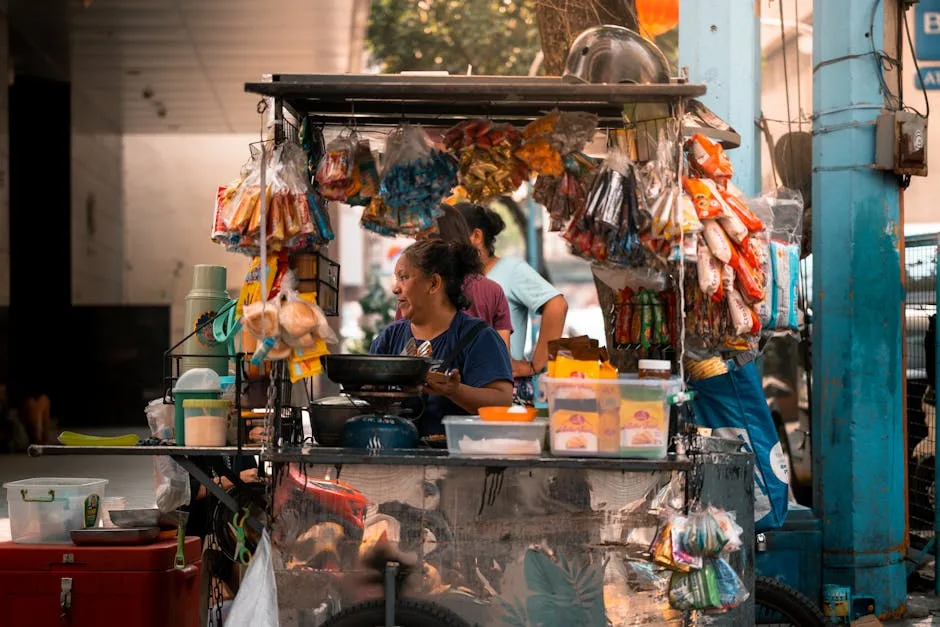
San Salvario is one of Turin’s liveliest and most multicultural neighborhoods. Its market, mainly on Piazza Madama Cristina, 10125 Torino, offers a mix of food products, international groceries and street food. It’s generally open from Tuesday to Sunday, with variable hours: the most active part of the morning is 7:30 AM to 1:30 PM; some street-food stalls stay open until 4:00 PM or reappear in the evening during local events.
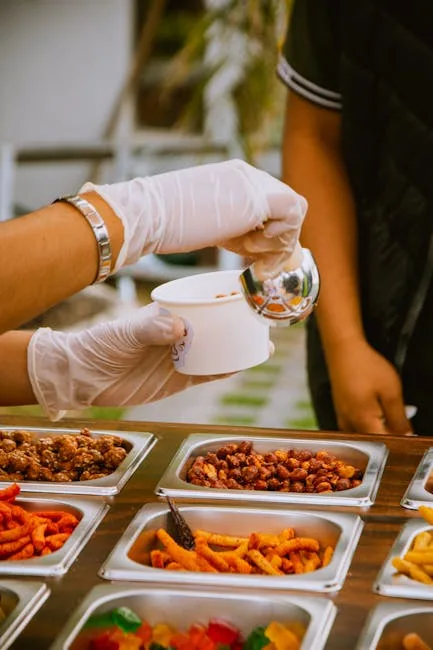
San Salvario is ideal for travelers who want to sample both Piedmontese specialties and culinary influences from across the globe: kebabs, falafels, empanadas and small Mediterranean plates rub shoulders here. Indicative prices: international sandwiches €3–6, portions of falafel €4–7, coffees €1.20–2.50. For local products, you’ll find artisanal olive oil €6–12/500 ml, jars of preserved tomatoes €3–6, and small boxes of gianduja from €3–5.
This market is perfect for a relaxed lunch. Sit at a communal garden table or take your dish for a tasting while you wander. Locals particularly enjoy stopping at a small neighborhood cheesemonger for a sample of robiola and toma (€10–20/kg depending on aging). Evenings in San Salvario often host temporary night markets with live music and artisan stalls.
Local tips: if you’re vegetarian or gluten-intolerant, San Salvario has several suitable options — always ask about ingredients. For safety, keep an eye on your belongings in the middle of the day, as with any urban market. Finally, take time to explore adjacent streets (Via Nizza, Corso Vittorio Emanuele II) to discover specialty grocery shops, artisanal bakeries and historic cafés.
Covered Markets and Food Halls — Where Tradition Meets Modern Dining
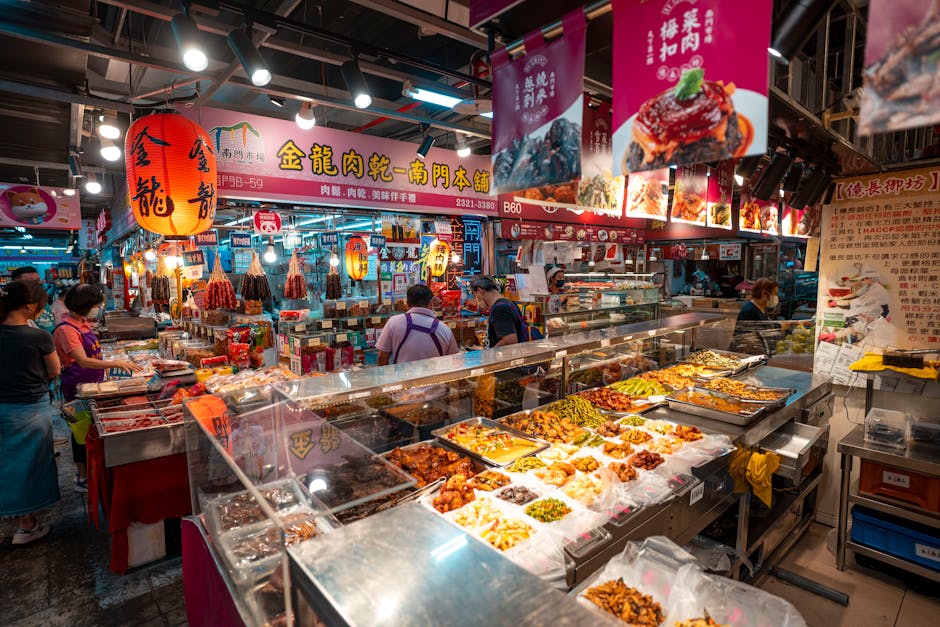
Turin has several covered halls and indoor markets that blend traditional stalls with contemporary dining concepts. These spaces often bring culinary artisans and urban chefs together. They tend to have extended hours and the option to eat on site. I recommend adding at least one covered hall to your route for a comfortable experience if the weather turns.
A typical example is a hall that concentrates caterers and stalls specializing in regional products — aged cheeses, artisanal jams, fresh pasta and cured meats. Typical address (central area): Via Giuseppe Garibaldi, 10122 Torino — note that different operators and halls can be found across the central district. Usual opening hours: 8:00 AM–7:00 PM on weekdays, with short afternoon closures (riposo) at some vendors.
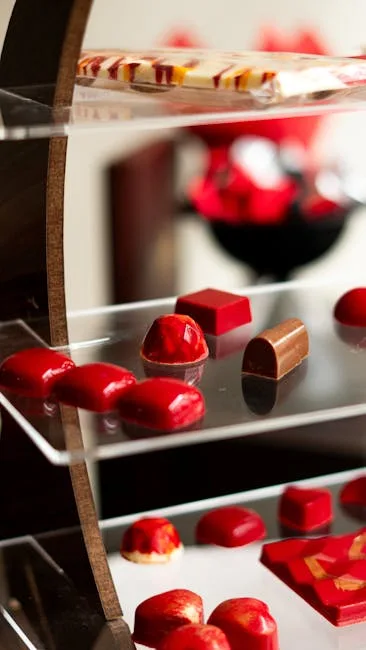
Prices and offerings: a tasting plate (cured meats + cheese) in a modern hall ranges between €8 and €18 depending on the selection; a fresh pasta dish on site between €7 and €14. Covered halls are particularly convenient for fragile purchases: artisanal chocolate (bars from €3–6), canned truffle spreads (small tins €15–30) or flavored oils (€8–20/bottle).
Practical advice: check restroom locations and card acceptance — many stalls take cards, but a few small vendors prefer cash. Halls also host events: cooking demonstrations, tasting workshops and themed markets (truffles, honey, bread). If you’re traveling in a group, inquire in advance — some stalls offer private tastings or table reservations for a typical Piedmontese aperitivo.
Logistics and Local Tips for a Successful Foodie Route
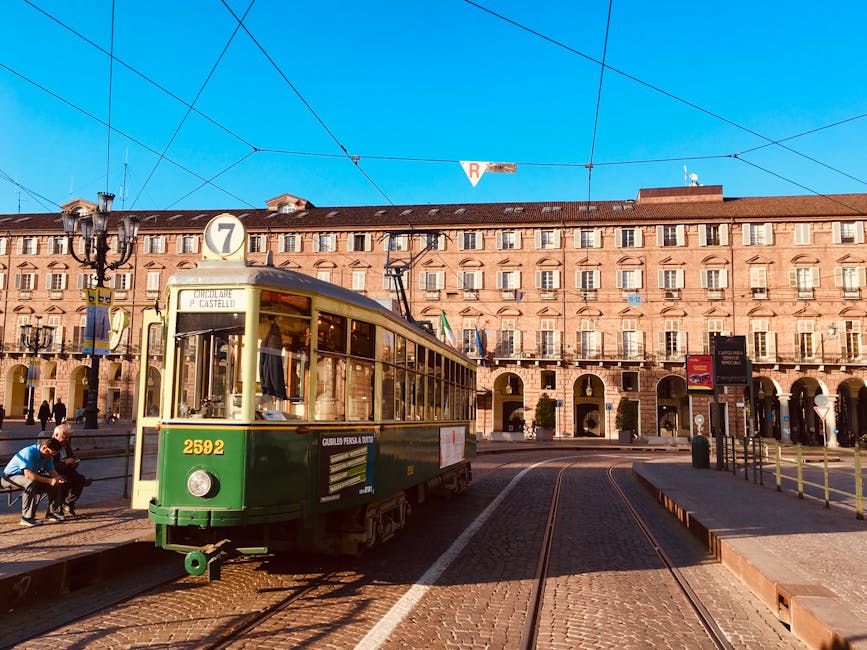
Preparing your market route in Turin takes a bit of planning, so here are concrete tips to get the most out of each stop. Transport: most markets are walkable from the center (Porta Palazzo, San Salvario) or reachable by tram/bus. Use the GTT (Gruppo Torinese Trasporti) network; a single urban ticket costs about €1.70 and is valid for 90 minutes. For longer travel or a multi-day stay, consider a 24-hour pass (around €4.50) or 48-hour pass (around €8.00).
Money and payment: always carry a small amount of cash — some street vendors, antique dealers and small producers don’t accept cards. ATMs (bancomat) are plentiful but scout one beforehand to avoid queues. Language: Italian will do fine; a simple “Quanto costa?” (how much is it?) and “Posso assaggiare?” (may I taste?) open many doors. If you speak French, you’ll often be understood: Piedmontese shares Romance roots and Turinese people appreciate the effort.
Packing and transporting purchases: bring insulated bags if you buy large amounts of cured meats or cheese. For fragile items (old dishes, bottles), ask for reinforced wrapping or buy bubble wrap at a nearby hardware store. Tastings: in most markets you can ask for a small sample — it’s common practice. Peak hours: morning is best, from 7:00 to 10:00, to see stalls full; late morning many high-quality products are already gone.
Safety and respect: as in any large market, don’t leave bags or wallets unattended. Respect local rules (don’t photograph some vendors without asking), and favor conversation: a smile and a question about a product’s origin will often earn you a free taste.
Conclusion — Take Turin Home: Souvenirs, Flavors and Encounters
Turin’s historic markets are more than shopping spots: they’re social stages where daily life, encounters and culinary exchanges play out. By exploring Porta Palazzo, Borgo Dora (Balon), San Salvario and the covered halls, you’ll cover a wide range of Piedmont’s finest: local products, age-old know-how, international influences and contemporary gastronomic creativity.
To bring a piece of Turin home, favor products that travel well or have a strong local identity: a bar of artisanal gianduja (€3–8), a jar of truffle cream (€15–30), a pot of alpine honey (€6–12) or a jar of sun-ripened preserved tomatoes (€3–6). If your luggage allows, a well-aged piece of toma vacuum-packed can cross borders; just check your country’s import rules first.
Finally, remember that the essence of a market isn’t measured only in prices or purchases: it’s a vendor’s story about a cheese’s origin, a local’s tip for the best trattoria, or a snapshot of a colorful stall. Take your time — whether your route stretches over a few days or a single morning — to talk, taste and get lost in the lanes. Turin’s markets welcome the curious and the hungry: pack a bag, bring your curiosity and your appetite, and let the city’s scents and voices lead the way.
Enjoy your culinary journey in Turin — buon appetito and safe travels!