





Introduction: Palazzo Madama, a crossroads of Piedmont’s history
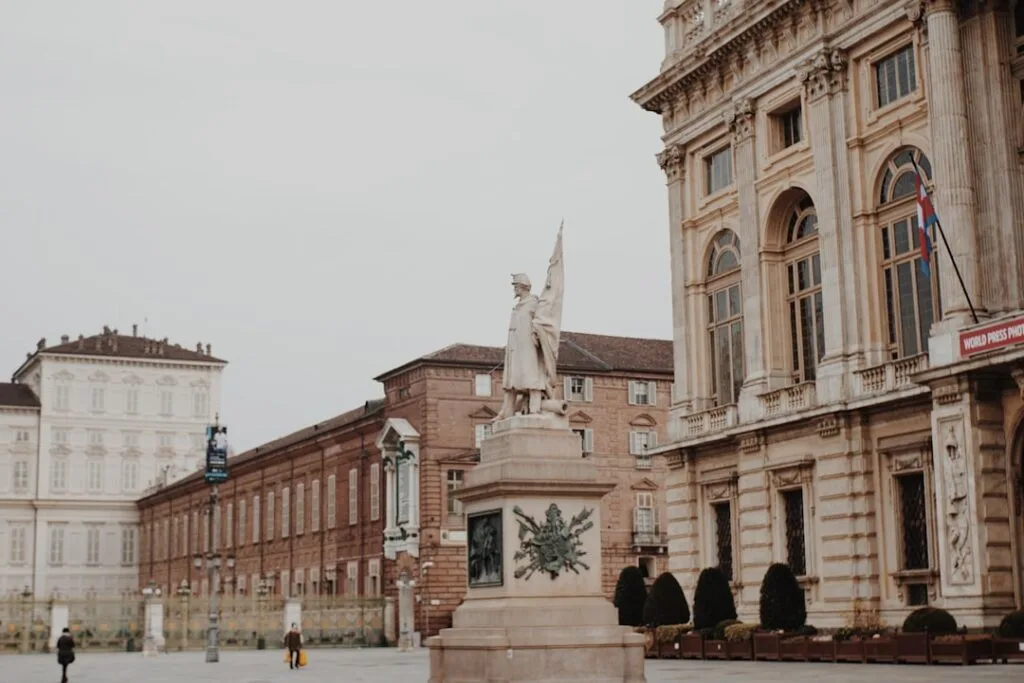
Palazzo Madama e Casaforte degli Acaja, located in the heart of Turin at Piazza Castello, 10122 Torino TO, Italy, is far more than an elegant Baroque façade: it’s an architectural and political palimpsest that tells the story of Piedmont from Roman times through Italian unification and beyond. Built on the remains of a Roman gate and transformed over the centuries from a medieval fortress to a senatorial palace and then a princely residence, Palazzo Madama embodies continuity of power and the cultural transformations of Turin. Its unmistakable silhouette on Piazza Castello now sits in dialogue with the neighboring Palazzo Reale and the broad public square that has hosted countless reforms, ceremonies and political events.
Visiting Palazzo Madama means moving through time: you’ll cross from spare medieval chambers to richly decorated Rococo salons and see how architecture itself was used to represent authority. The municipal museum housed in the palace — the Museo Civico d’Arte Antica — preserves collections of decorative arts, sculpture, armor and objects that illustrate ties between local noble houses, the church and civic institutions. These collections also show how Turin, capital of the Duchy of Savoy and later the Kingdom of Sardinia, played a central role in the processes that led to Italian unity.
This guide offers both historical immersion and practical advice: you’ll find detailed descriptions of architectural spaces (the façade, the medieval tower, Baroque loggias, museum rooms), practical information (opening times, prices, access), suggested visit routes, and local tips to make the most of your visit (best times to go, nearby cafés and services, transport and parking). The aim is to present Palazzo Madama not only as a major tourist site in Turin but as an active witness to Piedmontese history — a testament to political, artistic and social shifts that shaped the region.
Beyond history, Palazzo Madama offers a living perspective on heritage management and storytelling: temporary exhibitions, educational programs, cultural events and conservation projects take place regularly within its walls. Whether you love architecture, political history, decorative arts or you’re simply a curious traveler, this guide will walk you through understanding Palazzo Madama’s role in Piedmont’s history and help you get the most out of your visit.
1) Architectural history and the layers of power: from Roman ramparts to a Baroque palace
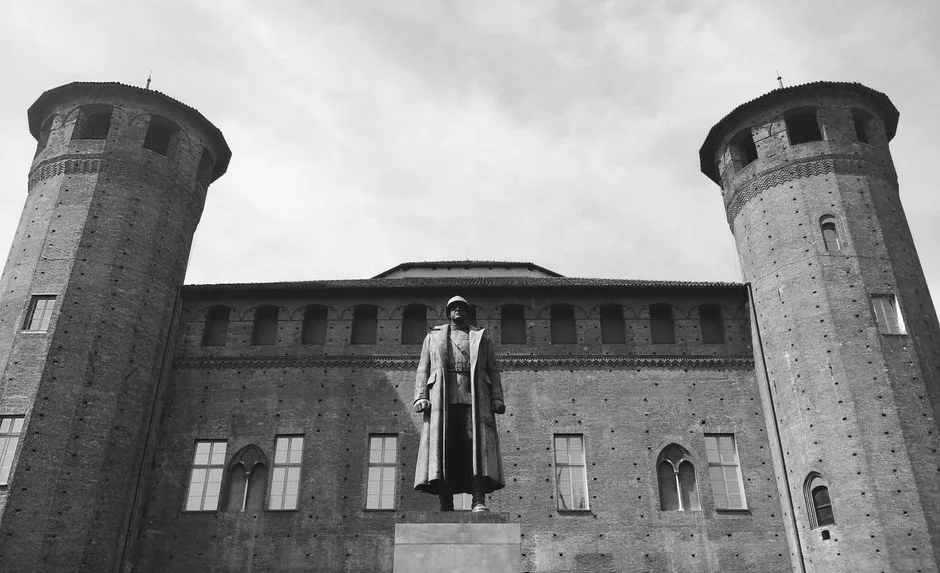
The site of Palazzo Madama reveals an exceptional stratigraphy: Roman foundations, medieval elevations and Baroque façades layered one on top of the other. Originally there was a gate in the Roman walls of Augusta Taurinorum, and later a medieval fortress rose to protect the city. Remnants from that period are still visible in the palace’s oldest section: the Casaforte degli Acaja, recognizable by its thick walls and defensive tower. This tower, standing right on Piazza Castello, speaks to the military and administrative role the site played during the early Middle Ages.
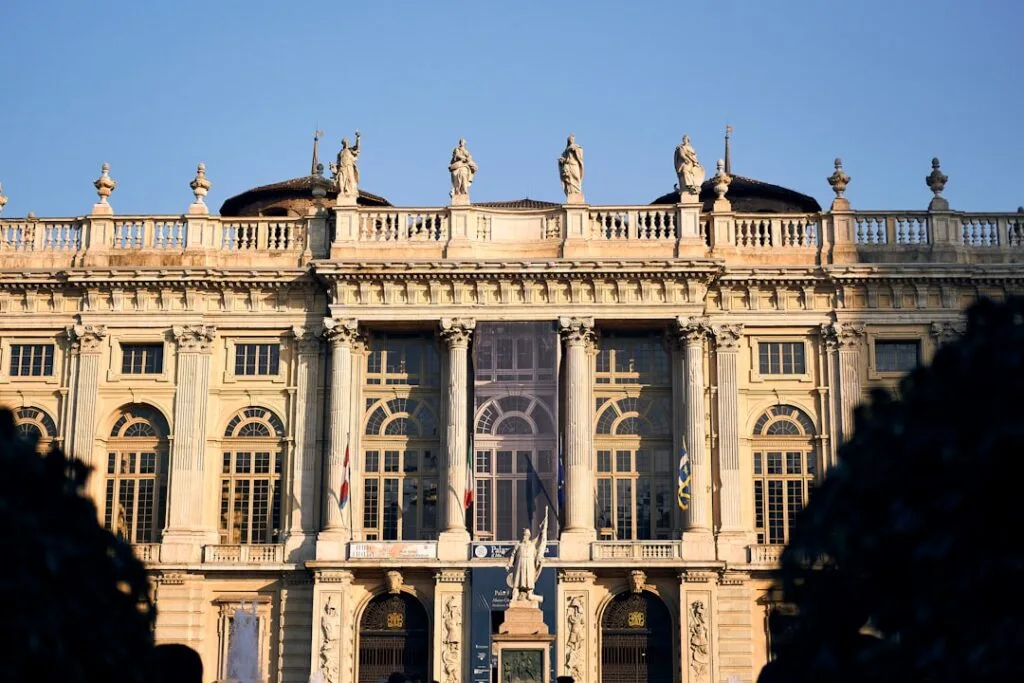
In the 15th and 16th centuries, as the House of Savoy extended its power, the palace evolved to host civil and residential functions. One of the major transformations occurred in the 17th century when architects such as Guarino Guarini and Filippo Juvarra (Juvarra worked on many royal buildings in Turin; his influence is still felt across the city) introduced Baroque languages that gave the palace its present appearance, notably the double façade and the 18th-century loggias. The contrast between the austere mass of the medieval parts and the ornamental lightness of the Baroque additions perfectly illustrates the shift from feudal power to a more centralized, representational authority.
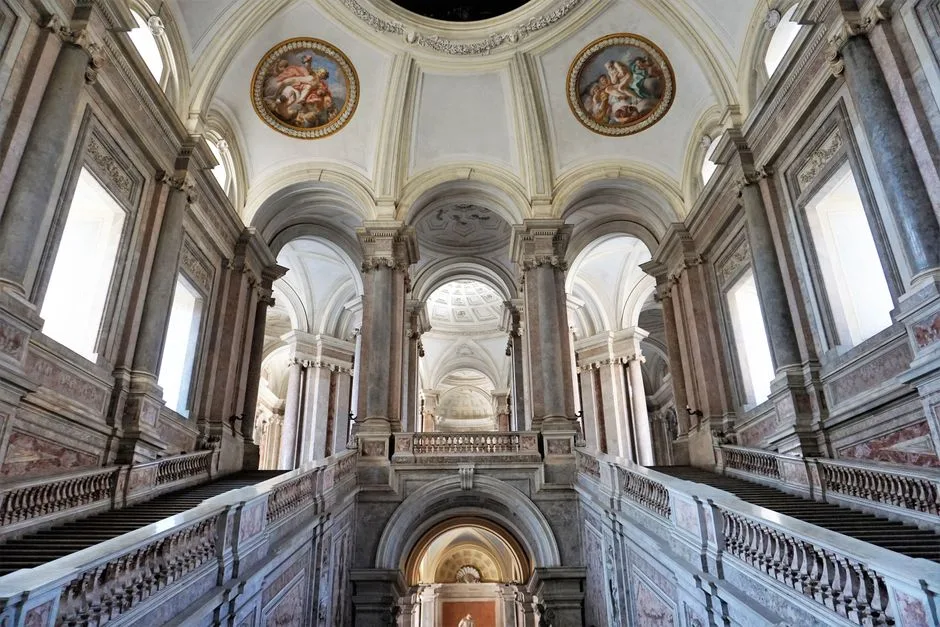
Symbolically, Palazzo Madama’s architectural evolution reflects Piedmont’s transformation: from a landscape of garrisons and ramparts to a courtly administrative capital. The palace was also home to the Senate of the Kingdom of Sardinia in the 19th century — a political function that cements its place in national history. Interior features preserved there (monumental fireplaces, painted ceilings, ceremonial staircases) reveal a deliberate will to represent authority and prestige through architecture.
2) Palazzo Madama in Piedmont’s political history: institutions and symbols
Palazzo Madama has successively housed civic and political institutions that marked Piedmont’s history. In the 18th century it hosted the « Segreteria di Stato » and various ducal administrations. In the 19th century, after Napoleonic reforms and the return of the House of Savoy, the building was chosen to host the Senate of the Kingdom of Sardinia, the seat of a parliament that was decisive in the process of Italian unification (the Risorgimento). It was in this political context that Turin became the political center of a state that — with leaders like Vittorio Emanuele II, Cavour and Garibaldi — played a crucial role in creating the Kingdom of Italy.
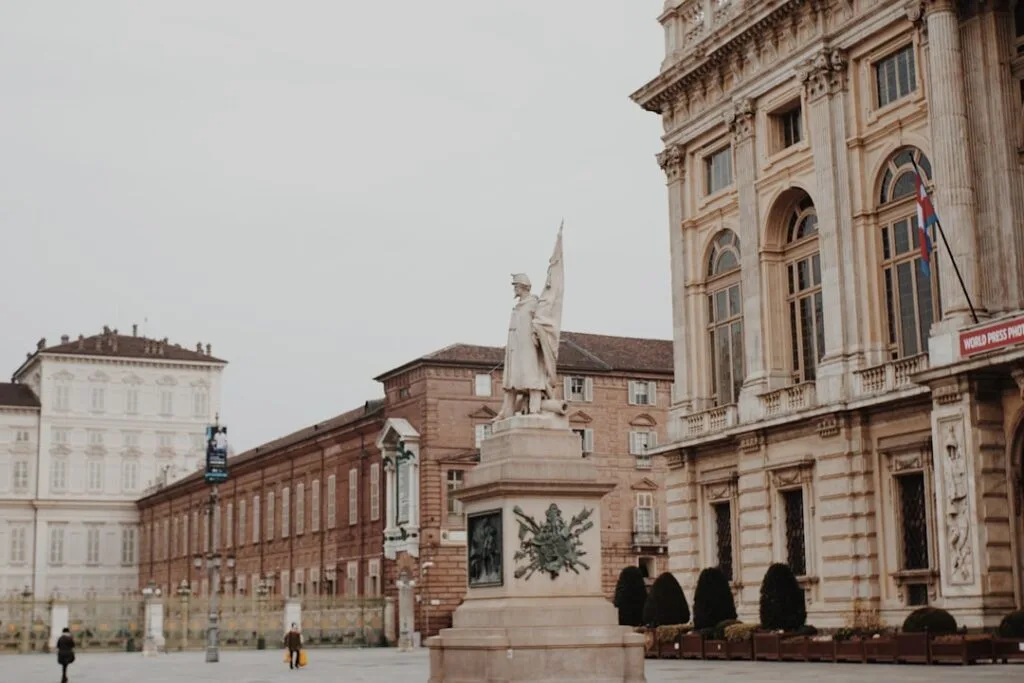
Palazzo Madama’s institutional role means its rooms are more than art showcases: they are places where decisions were made that resonated far beyond Piedmont’s borders. The archives, decrees and artifacts preserved here help visitors grasp the intensity of the political debates of the time. Its immediate proximity to the Palazzo Reale (address: Piazza Castello, 10122 Torino TO) reinforces this dimension: together, these buildings formed Turin’s administrative and ceremonial heart.
In Piedmontese collective memory, the palace also stands as a symbol of continuity: between civil and religious authority, between feudal rule and parliamentary modernity. The exhibitions at the Museo Civico d’Arte Antica place this political history in context through objects such as seals, ceremonial costumes, armor and portraits of magistrates. For political-history enthusiasts, a visit to Palazzo Madama is essential to understand how Piedmont projected its influence across the Italian peninsula and into Europe.
3) Collections of the Museo Civico d’Arte Antica: objects, masterpieces and stories
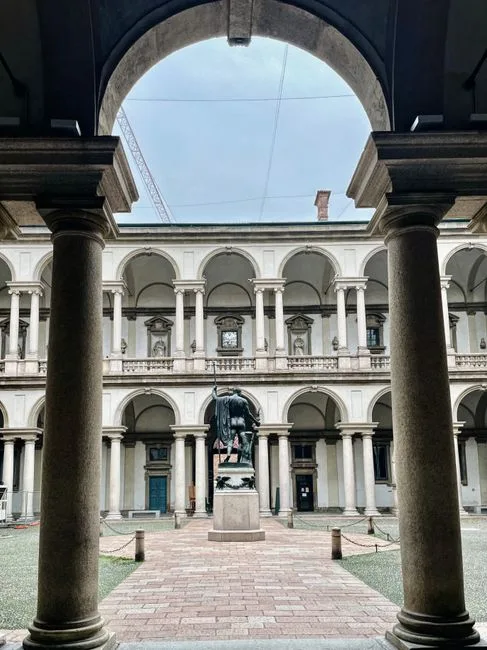
The Museo Civico d’Arte Antica, housed inside Palazzo Madama, presents a rich and varied collection. You’ll find medieval sculptures, paintings, princely furniture, goldsmith works, armor and archaeological remains. Notable pieces include Gothic sculptures from Piedmontese churches, monumental carved fireplaces and painted ceilings that testify to the artistic refinement of ducal courts.
The rooms are organized to tell a chronological and thematic story: you move from medieval artifacts — lamps, reliquaries and funerary elements — to salons decorated with Renaissance and Baroque objects. The display cases dedicated to decorative arts help explain the tastes of Piedmontese elites, their exchange networks with France and Spain, and the importance of local workshops. The museum route also includes items related to weaponry and armor, reminding visitors of the region’s military dimension.
Practical info: Museo Civico d’Arte Antica’s regular opening hours at Palazzo Madama are generally Tuesday to Sunday from 9:00 to 18:00, closed on Mondays. Indicative prices: full ticket €10.00, reduced €6.00 (students and seniors with ID), free entry for under-18s and certain school groups; combined tickets with other royal museums (Palazzo Reale, Galleria Sabauda) may be offered, often in the range of €12.00 to €18.00 depending on the package. Thematic guided tours can be booked via the official site or tourist information offices; guided rates typically start around €50.00 per group (varying with season and group size). This information is indicative: check current times and prices on the museum’s official website or with Turin’s tourist office.
4) Routes and visiting tips: making the most of your time on Piazza Castello
Seeing Palazzo Madama takes a bit of planning if you want to fully enjoy the rooms and displays. Here are practical suggestions and recommended routes.
Best time to visit
Weekday mornings (opening hours 9:00–11:30) are often the quietest. Weekends and afternoons can be busy, especially in high season (May–September) and during temporary exhibitions. If you also plan to visit the Palazzo Reale (Piazza Castello, 10122 Torino TO), set aside at least 3–4 hours for both sites combined.
Suggested route
- Entrance and vestibule: Take time to study the façade and Baroque loggia from Piazza Castello. Photograph the contrast with the Palazzo Reale and the Mole Antonelliana in the distance.
- Medieval section: Start with the lower rooms and the tower, where thick walls and vaults recall the site’s defensive origins.
- Baroque salons: Head up to the state floors to admire the decorations, ceilings and fireplaces — the stylistic contrast is a highlight of the visit.
- Collections: Allow at least an hour for the decorative arts and armor collections to grasp both the everyday and military sides of aristocratic life.
- Temporary exhibitions: Check the front desk to find out what’s on; temporary shows often offer fresh perspectives on Piedmontese history.
Access and transport
Address: Palazzo Madama e Casaforte degli Acaja, Piazza Castello, 10122 Torino TO, Italy. The palace is served by several tram and city bus lines. The nearest stops include tram line 4 and buses along Via Roma / Piazza Castello. If you arrive by car, nearby public parking includes Parcheggio Roma (Via Roma, 10122 Torino) and Parcheggio Mole Antonelliana (Via Montebello, 13). Note: the city center often has restricted traffic zones (ZTL); check parking rules and avoid entering the ZTL without authorization to prevent fines.
5) Around Palazzo Madama: the urban landscape, cultural connections and local tips
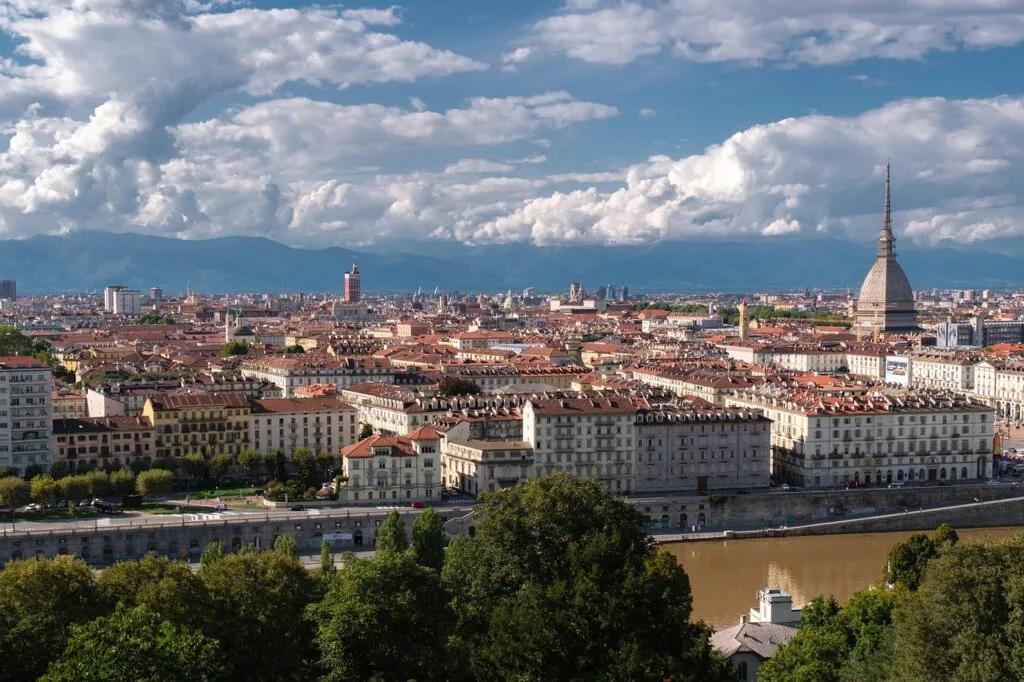
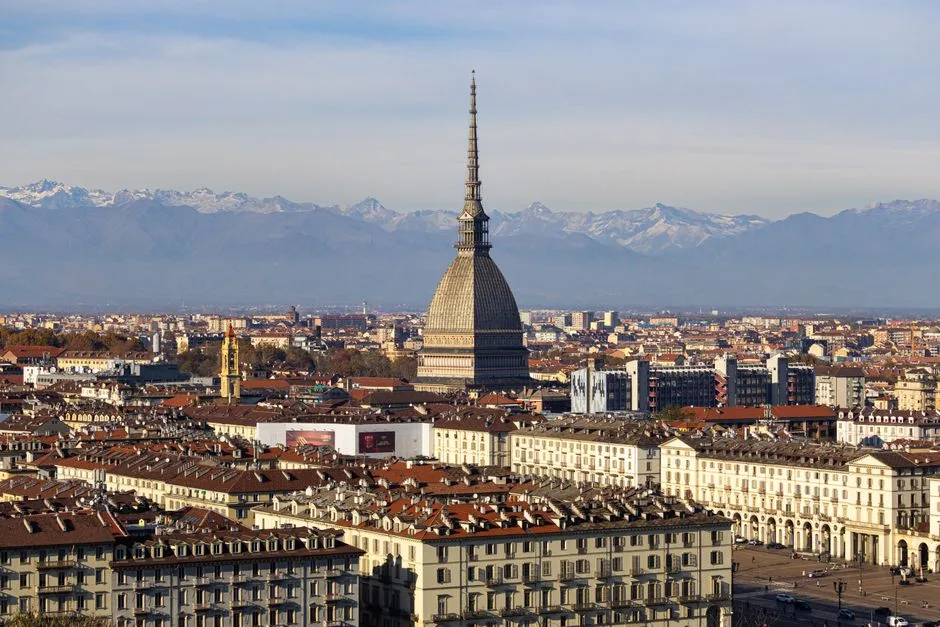
Palazzo Madama doesn’t stand alone: it’s part of a rich urban ensemble that includes the Palazzo Reale, the Galleria Sabauda (Piazza Castello), the prestigious Via Roma and the Mole Antonelliana, visible from the square. Consider a cultural walk after your visit: the Museo Egizio (Museo Egizio di Torino, Via Accademia delle Scienze, 6 — about a 10-minute walk) is an ideal complement, housing one of the world’s most important collections of Egyptian antiquities.
For a bite or a break, you’ll find plenty of cafés and restaurants nearby. Local recommendations:
- Caffè Torino — Piazza San Carlo, 10121 Torino TO: a historic spot for an espresso or Turin-style hot chocolate; typical prices: espresso €1.50–2.50, hot chocolate €4.00–6.00.
- Ristorante del Cambio — Piazza Carignano, 2, 10123 Torino TO: high-quality Piedmontese cuisine, reservations recommended; dishes typically €18–40.
- For a quick meal, Via Roma and Via Garibaldi are full of small trattorias and piadinerias.
Practical local tips:
- Wear comfortable shoes: the cobbles on Piazza Castello and surrounding streets are uneven.
- Bring ID if you qualify for reduced ticket prices (student, senior, teacher).
- Check the weather: many façades and viewpoints are especially photogenic at sunrise and sunset.
- If you’re traveling by train, the main station Torino Porta Nuova is about a 15–20 minute walk or a few tram stops away; taking the tram or walking via Via Roma gives a nice first taste of the city.
Conclusion: A living heritage, witness to Piedmont and guardian of memory
Palazzo Madama e Casaforte degli Acaja is more than stones and frescoes: it’s the witness of a long, multi-layered history, a place where key moments in Piedmontese and Italian history were played out. From the original Roman rampart through medieval and Baroque transformations to its role hosting parliamentary institutions, each stone tells a story of power, art and society. The Museo Civico d’Arte Antica, through its collections, highlights not only the splendour of princely courts but also the material, military and administrative realities that shaped the territory. For visitors, the palace offers an immersive experience: walking its corridors, viewing its state rooms and examining its artifacts helps you understand how Piedmont structured its identity.
Practically speaking, a well-planned visit will let you appreciate the palace’s many layers: favor weekday mornings to avoid crowds, check opening hours (generally Tuesday–Sunday 9:00–18:00, closed Monday), and consider combined tickets if you want to explore other royal museums. Ask at the ticket desk for updated pricing — full price often around €10.00 with reduced fares available for certain categories; don’t forget your supporting documents. Finally, take advantage of the palace’s prime location on Piazza Castello to follow up with visits to the Palazzo Reale, the Galleria Sabauda or the Museo Egizio.
Beyond a simple tourist route, Palazzo Madama is an invitation to reflect on how cities preserve, tell and reinterpret their past. Temporary exhibitions and cultural programming demonstrate an active commitment to keeping heritage alive and relevant for today’s audiences. By visiting Palazzo Madama you also support that effort: each visit contributes to conservation, research and educational initiatives that keep this heritage accessible and inspiring.
In short, whether you’re passionate about history, architecture or just curious, give Palazzo Madama the time it deserves. It will tell you, stone by stone, century by century, the story of Piedmont — its ambitions, alliances and transformations — and, by extension, the story of an Italy in the making. Safe travels through time, and enjoy your visit to Turin.