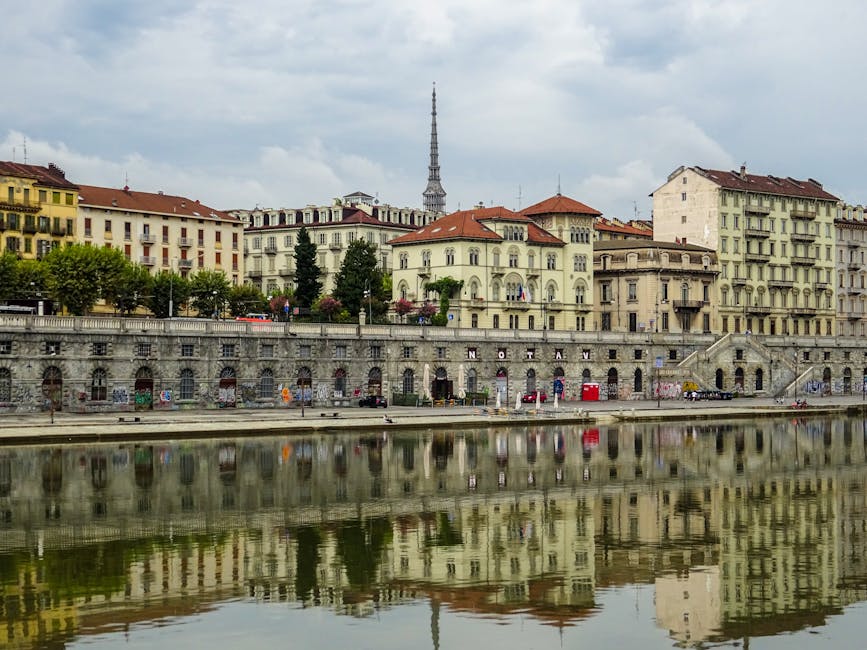






Introduction: Why a photo route along the Po River in Turin?
Turin (Torino) is a city where water shapes both the urban landscape and its photographic soul: the Po River cuts across town from west to east, lined with historic bridges, cobbled quays, parks and ochre façades that change color throughout the day. This photo route is designed to guide both hobbyists and seasoned photographers to the best vantage points along the Po, offering framing suggestions, optimal times, technical tips and practical info (addresses, prices, opening hours) so you can make the most of each stop.
My approach here is both visual and practical: each location is given with a precise address, access conditions or opening hours, possible fees, lighting and composition tips, and local tricks to avoid crowds or find a unique viewpoint. Whether you’re shooting with a smartphone, a mirrorless or a DSLR, this itinerary will give you focal length ideas, angle suggestions (backlight, silhouettes, reflections) and the best times of day (blue hour, golden hour, night) to create strong, coherent images.
The route follows the Po and takes in iconic spots like Piazza Vittorio Veneto, the arcades of the historic center, the Parco del Valentino waterfront, the arches and embankments of the Murazzi del Po, as well as must-see bridges (Ponte Vittorio Emanuele I, Ponte Umberto I — also called Ponte Isabella by locals). Each stop includes practical suggestions: public transport, coffee or meal breaks, and side trips for photos (Mole Antonelliana, Borgo Medievale, historic cafés). Addresses are precise to help you find them on maps or GPS; listed prices reflect usual public rates (museum entries, boat tickets or boat rentals), and opening hours match official info at the time of writing.
Finally, this guide emphasizes the human context: look beyond pure geography and capture how residents, students and cyclists use the Po’s banks. The best images often come from mixing architecture, nature and everyday life: an early-morning angler, a couple on a bench at sunset, café lights reflected on calm water. So charge your batteries, pack spare memory cards and bring a tripod if you plan long exposures — then follow this route to discover Turin from its river, viewpoint by viewpoint. 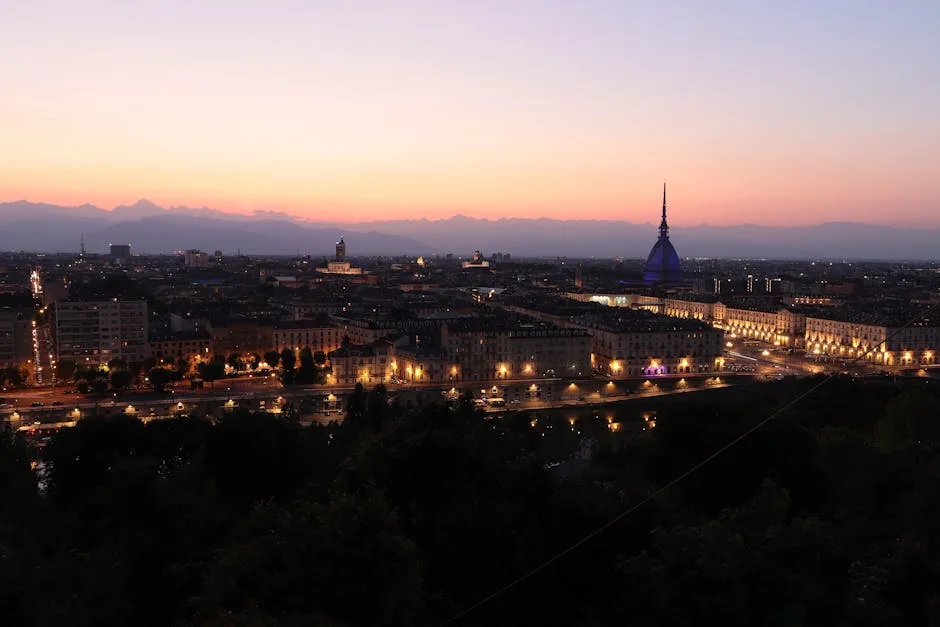
Piazza Vittorio Veneto and the east bank: wide urban angles and quay life
Piazza Vittorio Veneto (Piazza Vittorio Veneto, 10124 Torino TO, Italy) is one of Turin’s largest open spaces and makes a perfect starting point for a Po riverside photo route. The wide esplanade framed by arcades and cafés opens onto the river, giving you plenty of opportunities to work with a wide-angle lens to capture the perspective between the buildings and the water. The best time to shoot here is the evening golden hour, when the façades warm up and light spills across the river.
You can kick off your day with an outdoor coffee at Caffè del Cambio (Piazza Carignano 2, 10123 Torino TO — note: a historic café nearby; for a place directly on the square check Caffè Torino, Piazza San Carlo 156, 10123 Torino TO). Espresso prices range from €1.50 to €2.50 at the counter; a cappuccino seated on the terrace can cost €3.50 to €6.00 depending on the venue. Cafés generally open from 7:00 and close between 20:00 and 23:00 depending on the season.
Suggested framing: use a wide-angle lens (16–35mm full frame or 10–22mm APS-C) to include the arcade, the square and the river in a single shot. Look for leading lines: the quay railings, street lamps and water edges guide the eye toward the bridges. In late afternoon position the sun slightly behind you for richer colors; for dramatic silhouettes work backlit just after sunset.
Transport and access: Piazza Vittorio is served by GTT buses and trams (stop « Vittorio Veneto »). The square is accessible 24/7. Paid parking is available nearby; rates vary (expect around €1.50–3.00/hour depending on the zone).
- Local tip: Early in the morning hunt for local anglers on the bank: these calm scenes are ideal for environmental portraits. Avoid midday if you want to escape tourists.
- Recommended gear: Wide-angle lens, polarizing filter to deepen the sky and cut reflections, small tripod for long exposures after sunset.
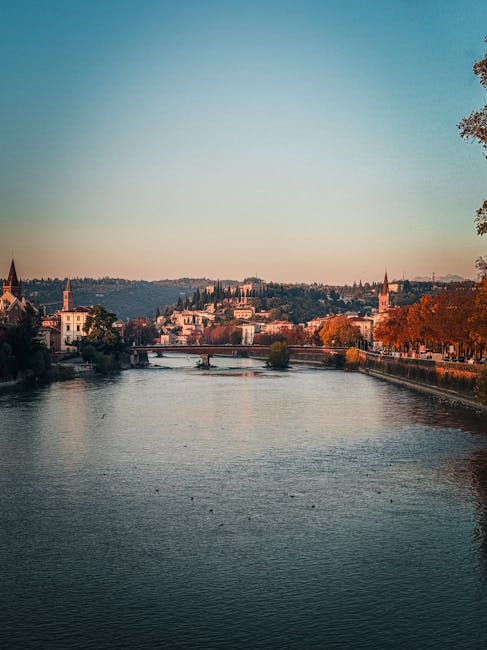
The Po bridges: graphic compositions and reflections — Ponte Vittorio Emanuele I and Ponte Umberto I
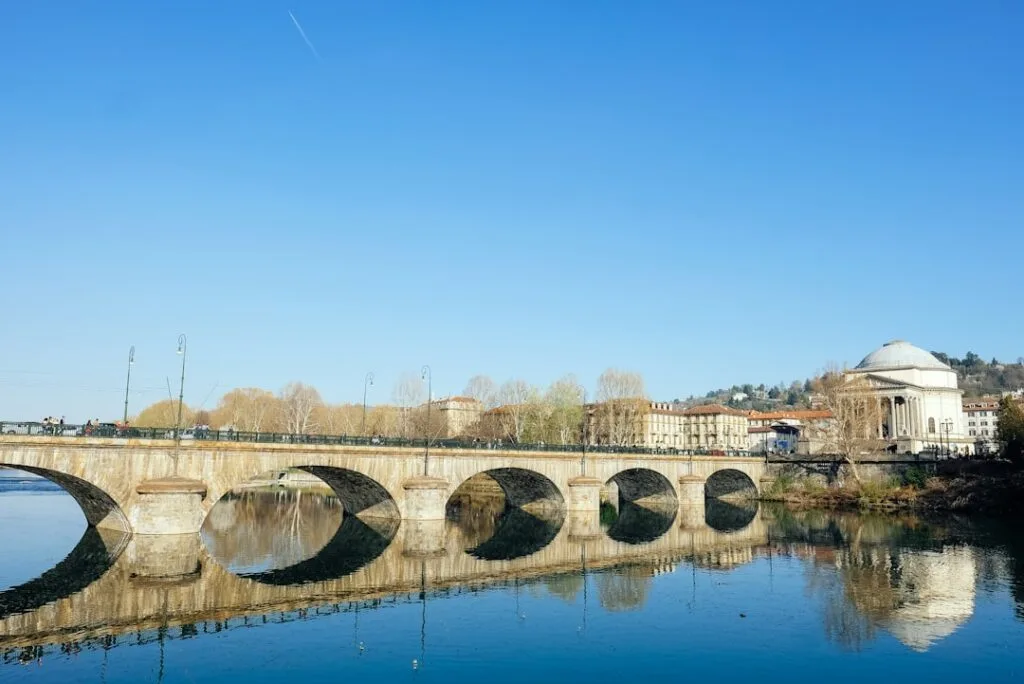
The bridges that span the Po offer essential graphic compositions: arches, cables, parapets and columns create natural frames for your shots. Two bridges stand out for photography: Ponte Vittorio Emanuele I (at the intersection of Corso Vittorio Emanuele II and Lungopò, near Piazza Vittorio) and Ponte Umberto I, often called Ponte Isabella by locals (between Corso Massimo d’Azeglio and Parco del Valentino). These structures are perfect for playing with symmetry, lines and reflections on the water.
Address and access: Ponte Vittorio Emanuele I (Corso Vittorio Emanuele II, 10122 Torino TO) — open access, 24/7. Ponte Umberto I / Ponte Isabella (Via Collegno / Lungo Po Antonelli depending on approach) — open access, 24/7. There is no fee to access the bridges.
Timing: the bridges take on a special character at sunrise and sunset. For perfect reflections on the Po look for mornings with little wind. After dark, urban lighting highlights the arches and creates stunning night compositions; bring a tripod for long exposures and keep ISO low (100–400) to minimize noise.
Framing and technique: on Ponte Vittorio Emanuele I, shoot from the center to achieve perfect symmetry between the arches and the river; use a standard focal length (35–50mm) or a short tele (85–135mm) to compress the scene and isolate balustrade details. For Ponte Umberto I, use the parapet as a foreground support to create interesting foreground elements, or move closer to the banks to capture elongated reflections.
- Local tip: Climb a little onto the south cornice of Ponte Umberto I for a downward angle on the river that reveals boats and riverside vegetation. Early mornings often feature joggers and cyclists who add dynamic elements to wide shots.
- Light tip: On cloudy days, consider black-and-white compositions to emphasize the bridge’s structure and the contrast between stone and water.
Parco del Valentino and the Borgo Medievale: tree portraits, romantic architecture and historic angles
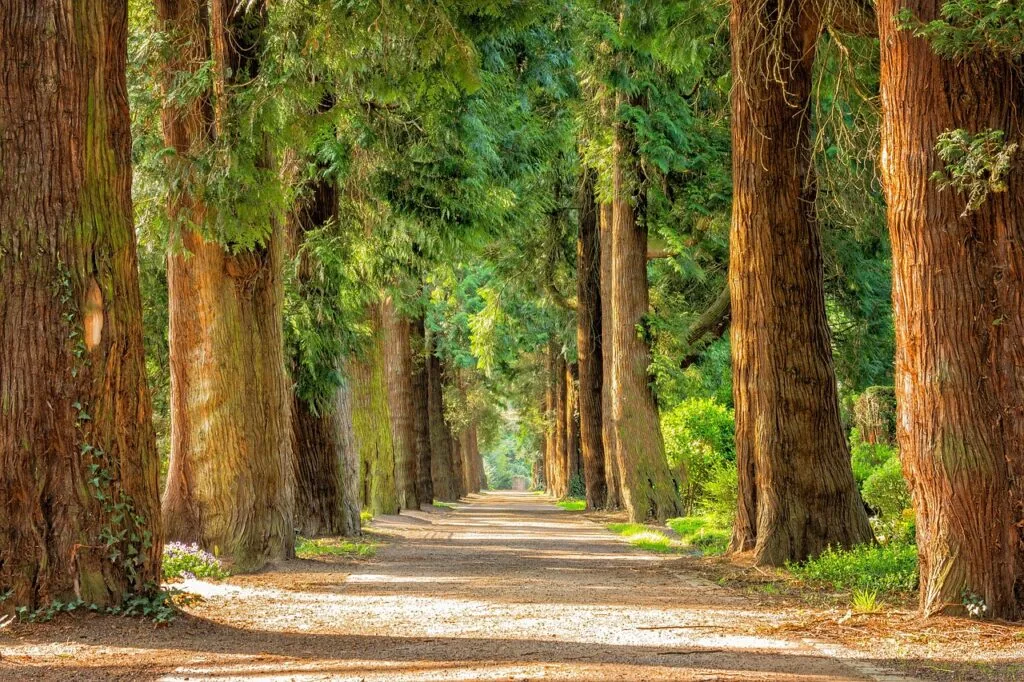
Parco del Valentino (Viale Virgilio, 10126 Torino TO, Italy) is the city’s main riverside park, located on the left bank of the Po. It runs alongside the river for several hundred meters and houses the well-known Borgo Medievale (Borgo Medievale, Viale Virgilio, 10126 Torino TO). The park is public and generally accessible 24/7, while the Borgo Medievale follows seasonal opening hours (typically 10:00–19:00 in high season). Exterior visits to the Borgo are free; interior exhibits may charge a small fee (usually €3–6 for some temporary exhibitions).
Why come here to shoot? The park offers shaded avenues, diverse trees (plane trees, willows), skyline views and the Borgo’s architectural details — towers, stone bridges and 19th-century recreations of medieval façades. It’s ideal for environmental portraits, depth-of-field compositions and urban-nature shots.
Recommended techniques: for portraits use wide apertures (f/1.8–f/2.8) to isolate the subject with pleasing bokeh formed by leaves and background structures. For architecture, a 24–70mm zoom allows switching between wide scenes and details. Try macro shots of riverside vegetation — morning dew, bark textures and insects make small but photogenic subjects.
Access and comfort: the park is walkable from the historic center (10–20 minutes depending on your starting point). Bike rentals and small boat rentals are available near the park for water-level perspectives (boat rental rates roughly €15–30 for 30–60 minutes depending on season and boat type). Cafés and kiosks in or near the park serve drinks and snacks (prices €2.00–8.00).
- Local tip: The best time to photograph the Borgo Medievale is the evening golden hour: the stone warms and the quiet allows long exposures around the ponds. Arrive about 45 minutes before sunset to test multiple angles.
- Safety: The park is generally safe during the day; stick to company and pack away gear after dark in less frequented areas.
Murazzi del Po and the nocturnal quays: lively scenes, reflections and nightlife photography
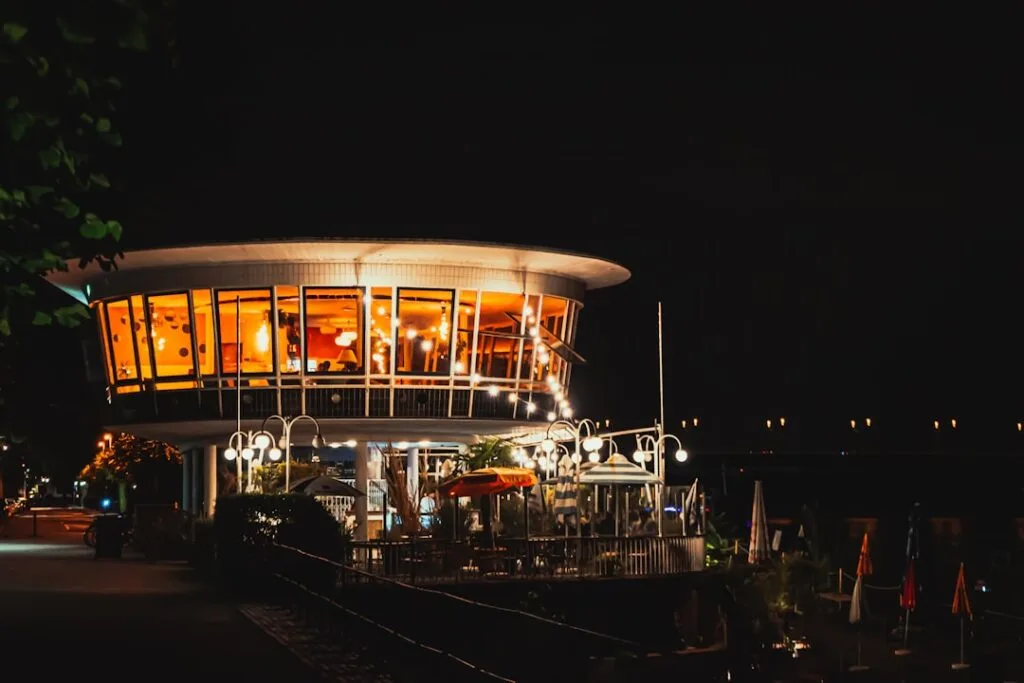
The Murazzi del Po are one of the liveliest stretches on the riverbank, especially at dusk. These long stone terraces along the right bank have been repurposed into seasonal bars, clubs and restaurants (most active in spring and summer). General address: Murazzi del Po — area along Lungo Po Antonelli / Corso Moncalieri, 10124 Torino TO. Access to the quays is free; expect to pay for drinks if you want to enjoy the terraces (drink prices around €5–12 depending on the place).
Photographically, the Murazzi are perfect for night shots: colorful signs, spot lighting on stone, shimmering reflections and silhouettes of passersby. Use long exposures (10–30 seconds) to smooth the water and create light trails on the river. Low ISOs (100–200) combined with smaller apertures (f/8–f/16) yield maximum sharpness on stone textures and lampposts.
When to go: the blue hour (20–40 minutes after sunset) is ideal for balancing ambient light and artificial lighting. If you’re into street photography, the 21:00–23:00 window offers dynamic scenes — musicians, pedestrians and bar patrons — great for capturing movement. For intimate portraits, get close to the terraces and use warm lights for a cozy atmosphere.
Safety and logistics: nighttime activity varies with the season. In high season, the Murazzi can be lively until 2:00–3:00 AM; in low season the area quiets down around 22:00. Be mindful of your gear: use a secure strap and avoid leaving expensive bodies unattended. If you want to shoot from the water, check night boat tour availability (typical price: €15–25 per person for a short cruise).
- Local tip: Look for low angles from the Murazzo edge to incorporate the stone’s texture in the foreground — this strengthens contrast with the smooth water in long exposures.
- Composition tip: include a bright reference point (sign, lantern) to anchor the eye and avoid large black areas without detail.
Boats and water-level perspectives: rentals, tours and practical tips
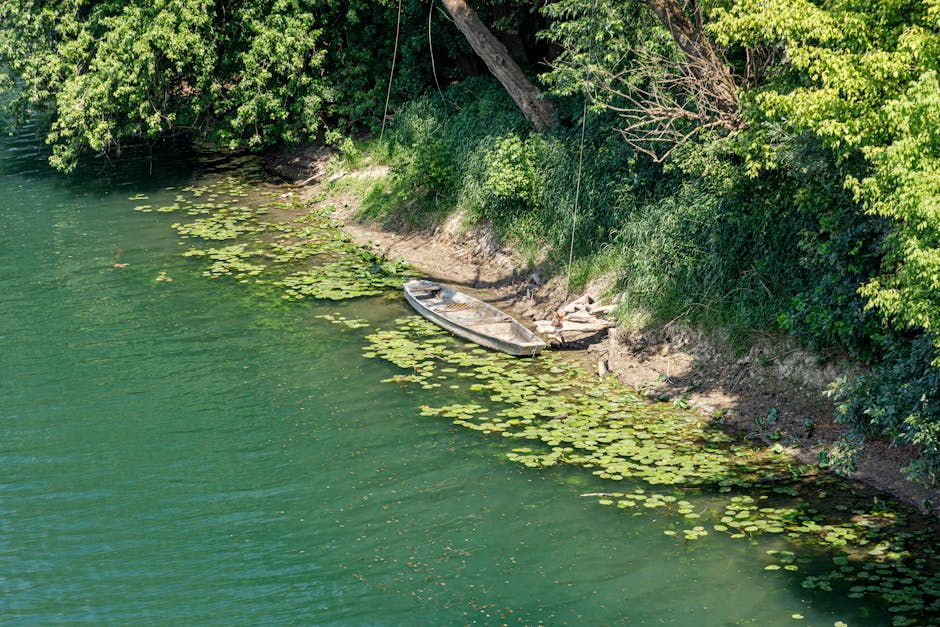
Nothing beats the perspective from the river itself: sailing the Po lets you reach angles impossible from the bank. Several options exist in Turin: small rowboat rentals, kayaks and guided tours. One convenient launch point is near Parco del Valentino (Viale Virgilio, 10126 Torino TO), where local operators offer craft for varying durations.
Indicative prices: rowboat rental (non-motorized): €15–30 for 30–60 minutes; single kayak: €20–40 per hour; guided boat tours (short narrated cruises): €15–30 per person depending on duration. Prices fluctuate with the season (peak summer demand). Weekends often require advance booking. Check rates with operators on the day of your outing.
Safety: life jackets are usually mandatory and provided by operators along with a brief safety briefing. Weather conditions (wind, rain) can make navigation tricky — choose calm days for perfect reflections and more stable shooting. Bring a dry bag for your camera or use a protective plastic cover.
Photography tips from the water: use a mid-range prime (35–50mm) for natural compositions or a 24–105mm zoom to vary framing without swapping lenses. Choose fast shutter speeds if the boat drifts (1/250–1/500s) to freeze motion, or slower speeds (1/4–1/15s) if you want streaks and background bokeh — but keep in mind you’ll need some stability. Getting close to the waterline helps capture crisp reflections of façades and bridges: lower your shooting angle toward the water to strengthen the mirror effect.
- Local tip: Book a trip about 45 minutes before the golden hour to enjoy gradually warming light and changing reflections. Tell the operator you’re shooting photos so they can choose a route that maximizes photogenic views.
- Gear tip: Bring a microfiber cloth to wipe splashes and a lens hood to combat direct sun reflections on the river.
Alternative viewpoints: Mole Antonelliana and panoramic belvederes
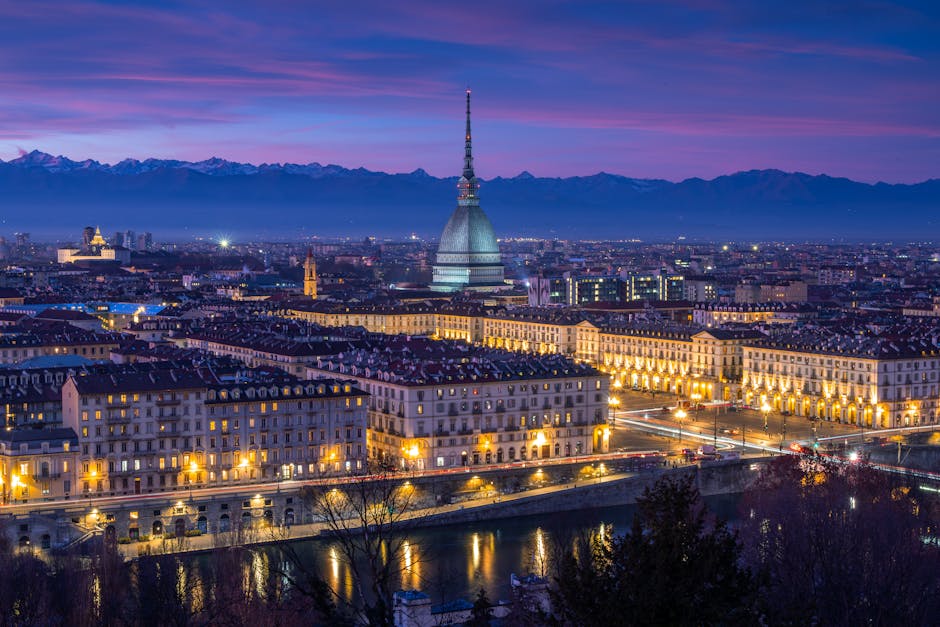
To complement your river-level shots, head up high for a sweeping view. The Mole Antonelliana (Museo Nazionale del Cinema, Via Montebello 20, 10124 Torino TO) has a panoramic terrace accessible by a glass elevator. Hours: typically 9:00–20:00 (seasonal variation). Museum + belvedere ticket: around €10–16 (reduced rates for students and seniors may apply). From the platform you get a bird’s-eye view of the city and the Po winding through Turin — a must for panoramas.
Other worthwhile belvederes: Superga hill (Basilica di Superga, Strada Basilica di Superga 73, 10024 Torino TO — outside the center) offers a sweeping view over the plain and the river in the distance. Access via the historic tram (Trenino Superga); schedules and fares vary (combined train + basilica ticket roughly €8–10). These vantage points help contextualize your water-level images and create a coherent portfolio mixing close-ups, portraits, bankside and panoramic views.
Technique: for the Mole a 24–70mm lens is perfect to cover wide and medium shots. For panoramas, shoot several portrait-orientation frames to stitch later in post (use exposure bracketing if needed). Morning light accentuates bridge shadows; blue hour emphasizes the contrast between the lit city and the deep sky.
- Local tip: Buy Mole tickets online to skip the ticket line, especially in high season. Allow 45–60 minutes for the visit plus the ascent to the belvedere.
- Composition tip: add foreground elements (parapet, tree) to give scale to your panorama and avoid flat-looking images.
Conclusion: Weaving your photographic narrative of the Po — route, coherence and practicalities
The Po is not just a subject: it’s a thread that links atmospheres, eras and uses across Turin. Following this photo route you’ll explore a wide variety of spaces — the monumentality of Piazza Vittorio Veneto, the architectural lines of the bridges, the romantic calm of Parco del Valentino and the Borgo Medievale, the nightlife energy of the Murazzi, unique water-level perspectives from a boat, and panoramas from the Mole Antonelliana or Superga hill. Each place calls for different technical approaches (wide-angle, tele, long exposure, portraits) and has its ideal moments when light flatters forms.
To build a coherent series, think narrative: for example, start with wide establishing shots to set the scene, follow with mid-shots and details (stone textures, reflections, hands on a railing), and finish with portraits and panoramas. Vary focal lengths but maintain a consistent editing aesthetic (color, contrast, sharpness) so your series tells a visually recognizable story. Don’t forget practicalities: check museum opening hours (Museo Nazionale del Cinema at the Mole: Via Montebello 20, 10124 Torino TO, approximate hours 9:00–20:00; price €10–16), book boat rentals ahead in summer (approx. €15–40), and adapt your movements to the weather.
Finally, be curious about human interactions. The best river photos blend architecture, light and life. Talk to locals, respect the places (don’t disturb park quietude, don’t leave litter) and, if possible, revisit the same spots at different times to capture the full range of moods. Turin, viewed from the Po, reveals a changing face — both urban and bucolic — that will enrich any city-focused portfolio. 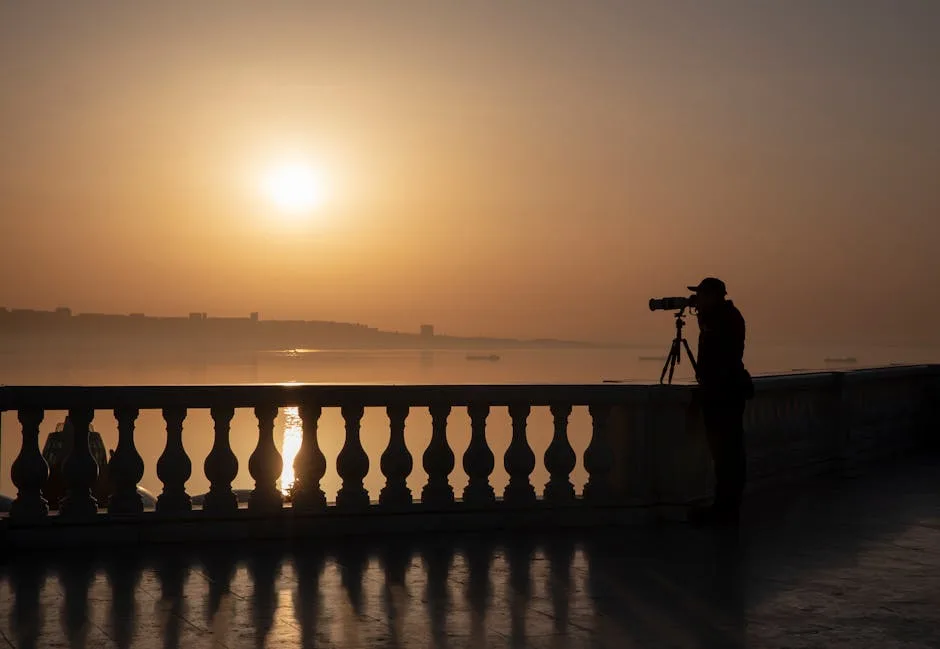
Happy photographic travels along the Po in Turin: pack your gear, plan your key moments and let yourself be surprised by the perspectives only a riverbank like the Po can offer.