





Introduction — Discovering the Borgo Medievale along the Po
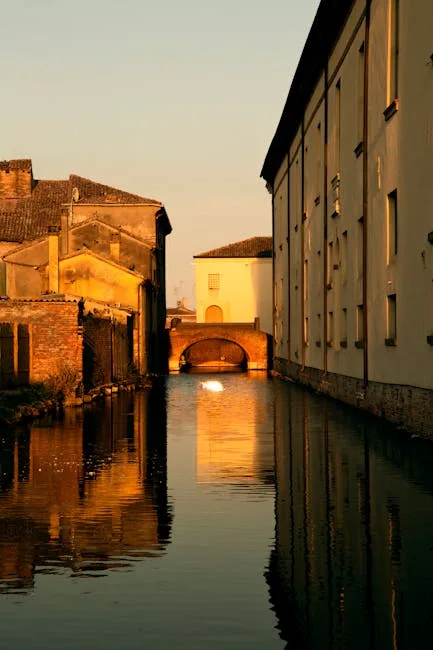
The Borgo Medievale in Turin feels like something out of a historical novel: a recreated village and castle built at the end of the 19th century, tucked inside the Parco del Valentino and sitting right on the banks of the Po River. As you walk along the river, you first pass wide landscaped quays, then avenues lined with century-old trees, and finally, beyond lawns and Italian-style gardens, you spot the picturesque silhouette of the Borgo. Its architecture, inspired by Piedmontese medieval models and topped with towers, entrance bridges and a small fortress, creates a striking contrast with the modern city of Turin that surrounds it.
This visit mixes history, a riverside walk and sensory experiences: the sound of water, the scent of linden trees and the panoramic view of the far bank of the Po combine to create an immersive atmosphere. The Borgo Medievale (Viale Umberto I, 1, 10124 Torino TO, Italy) was designed to be faithful to medieval techniques while meeting the late 19th-century aesthetic and museographic standards. Today it functions as a tourist attraction, cultural space and filming location for events and reenactments. Access to the village is usually free, making it an ideal stop for visitors following the river on foot, by bike or on a guided walk.
In this guide we’ll cover not only the history and architecture of the Borgo Medievale, but also practical info: addresses, typical opening hours, indicative prices, photography tips, routes from Turin’s key points and nearby food and service recommendations. We’ll include local tips to avoid peak crowds, the best vantage points on the Po, and ideas for extending your day in Parco del Valentino or Turin’s historic center. Whether you’re a history buff, a photographer chasing golden light, a family looking for a relaxed outing or a couple after a romantic spot, exploring the Borgo Medievale along the Po lets you see Turin from a different — more intimate, greener and more contemplative — angle.
History and architecture of the Borgo Medievale: a reimagined Middle Ages
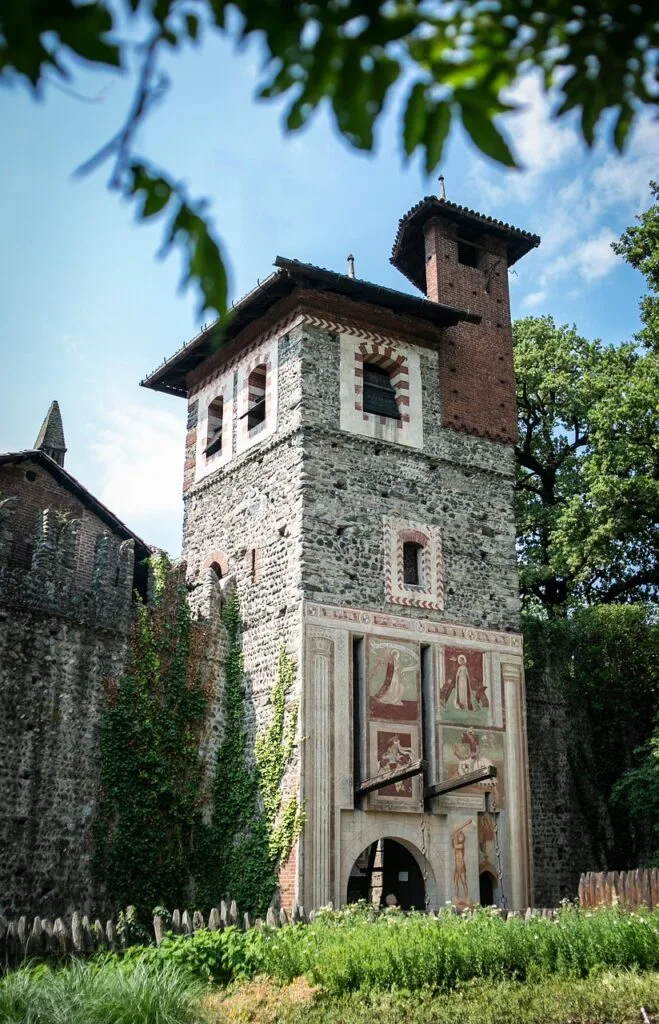
The Borgo Medievale of Turin is a historical reconstruction created for the 1884 National Exhibition. Architects and craftsmen studied authentic medieval models from the Piedmont region to reproduce a complete fortified village with houses, workshops, tanneries, bakery, wells and defensive features. The heart of the site is the castello — a small fortress set on an artificial mound — surrounded by half-timbered houses, narrow streets and vaulted passageways that recreate the social and artisanal layout of the Middle Ages.
Architecturally, you’ll notice the use of local stone, simulated slate roofs and wooden elements worked according to traditional techniques. Details like wrought-iron chains, gargoyles and heraldic emblems were crafted by specialist artisans to achieve a notable aesthetic fidelity. The dwelling area includes small artisan shops and museum-style apartments that illustrate daily medieval life: the forge, tailor, bakery and goldsmiths’ workshops. Some spaces host small temporary exhibitions dedicated to ancient techniques and Piedmontese craftsmanship.
Typical opening hours (check before you go): April–September: 10:00 – 19:00, October–March: 10:00 – 17:00. Closed often on January 1 and December 25. Access to the village: free entry. Guided commentary tours: from €5.00 per person (group and special rates available by reservation). Some exhibition rooms or temporary events may require an additional ticket, usually between €3.00 and €6.00. Hours and prices may change with the season, restoration work or municipal events: it’s recommended to check the official Città di Torino website or call the municipal museums office before your visit.
Getting to the Borgo Medievale and following the Po: routes and practical tips
The Borgo Medievale sits in Parco del Valentino, on the right bank of the Po, at Viale Umberto I, 1, 10124 Torino TO, Italy. Its riverside location makes it an ideal destination for a walk from Turin’s historic center or a stop during a bike ride along the quays. Here are some practical ways to get there:
- On foot: Allow 20–30 minutes from Piazza Castello (historic center). The most pleasant route often follows the river or goes through the pedestrian streets of the old town toward Piazza Vittorio Veneto, from where the avenue leads to Parco del Valentino.
- By public transport: Buses and trams serve the park area. The most convenient stop is generally around Piazza Vittorio Veneto (Vittorio Emanuele II). Lines vary with season and roadworks: check current lines on the GTT (Gruppo Torinese Trasporti) site. Bring a single urban ticket (around €1.70) or a day pass depending on your itinerary.
- By bike: Turin has a good cycling network. Rent a bike in the centre and follow the paths along the Po. Bike-sharing stations are available around the city.
- By car: Parking on streets near the park is limited. Use paid central car parks (e.g. Parcheggio Interrato Piazza Vittorio). Main access roads are Viale Umberto I and Corso Massimo d’Azeglio.
Practical local tips:
- Arrive early in the morning (10:00) in summer to enjoy soft light on the facades and avoid heavy tourist flows — the evening golden hour is also superb for photography.
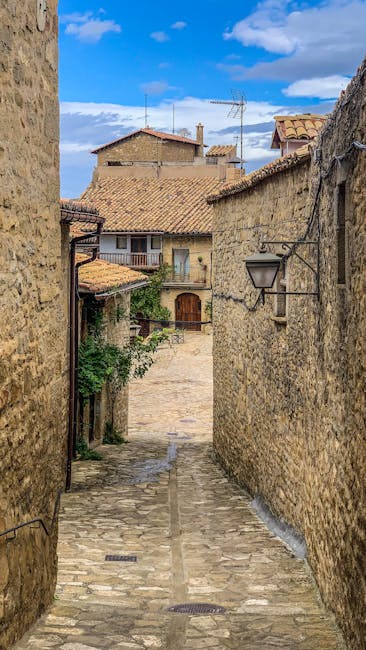
- Wear comfortable shoes: cobbled streets and small slopes require good traction.
- If you’re visiting with a group, book a guided tour (indicative price €5.00–€8.00 per person) via Turin’s tourist office for detailed commentary and access to areas sometimes closed to unaccompanied visitors.
- In case of rain, several workshops and indoor rooms inside the Borgo offer shelter and interesting exhibits.
Activities, events and top picks around the Borgo Medievale
The Borgo Medievale isn’t a static museum — it pulses with the seasons. Parco del Valentino hosts craft markets and festivals, especially in spring and summer. The village often stages medieval-themed events, children’s workshops, craft demonstrations and open-air concerts. Entry to the site is free, but some special activities, workshops or shows may be paid and require prior registration (prices vary, often between €5.00 and €15.00 depending on the event).
Food and coffee stops:
- Caffetteria del Borgo (inside Parco del Valentino): hot drinks, pastries and snacks. Indicative prices: espresso €1.20–€1.50, panini €5.00–€8.00.
- Ristorante del Parco (nearby, Viale Umberto I): Piedmontese cuisine and regional dishes. Main menus €15.00–€30.00 per person depending on choices.
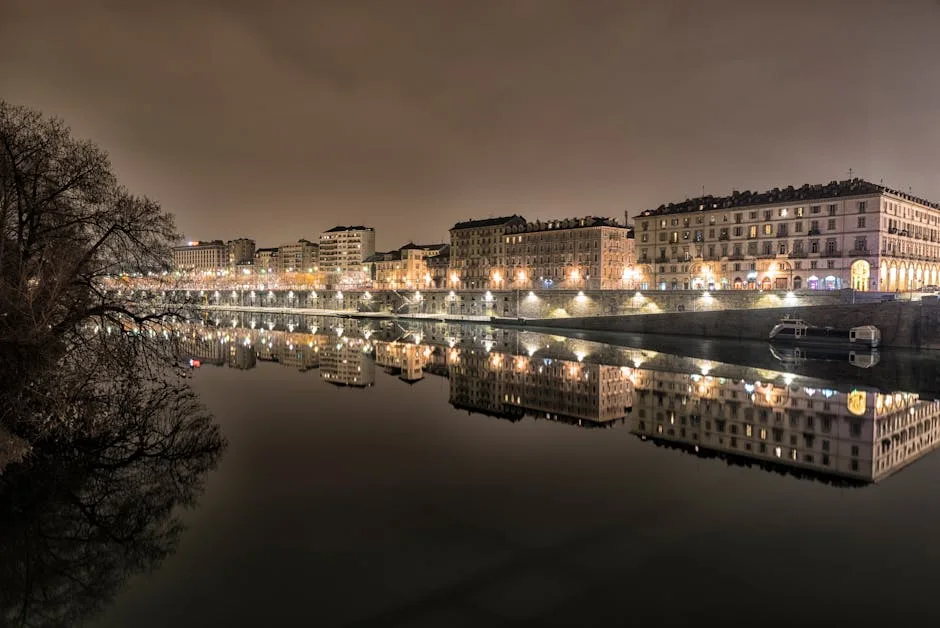
- Piazza Vittorio Veneto (nearby square): numerous cafés and restaurants where you can sit and watch the sunset over the Po.
Museums and nearby extensions:
- Castello del Valentino (Corso Massimo d’Azeglio, 10125 Torino TO) — a historic building now attached to the Politecnico di Torino, often open to the public for occasional visits.
- Museo Nazionale del Risorgimento Italiano (Via Pietro Micca, 9, 10122 Torino TO) — located toward the centre, perfect for continuing your historical exploration. Prices and hours on the official site.
Photography tips:
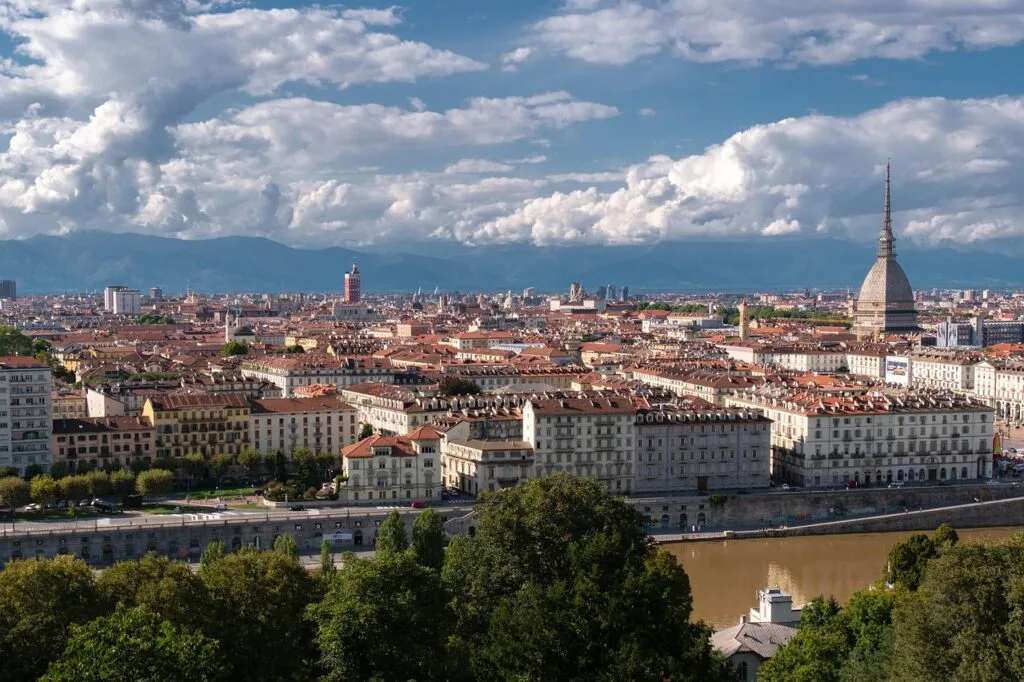
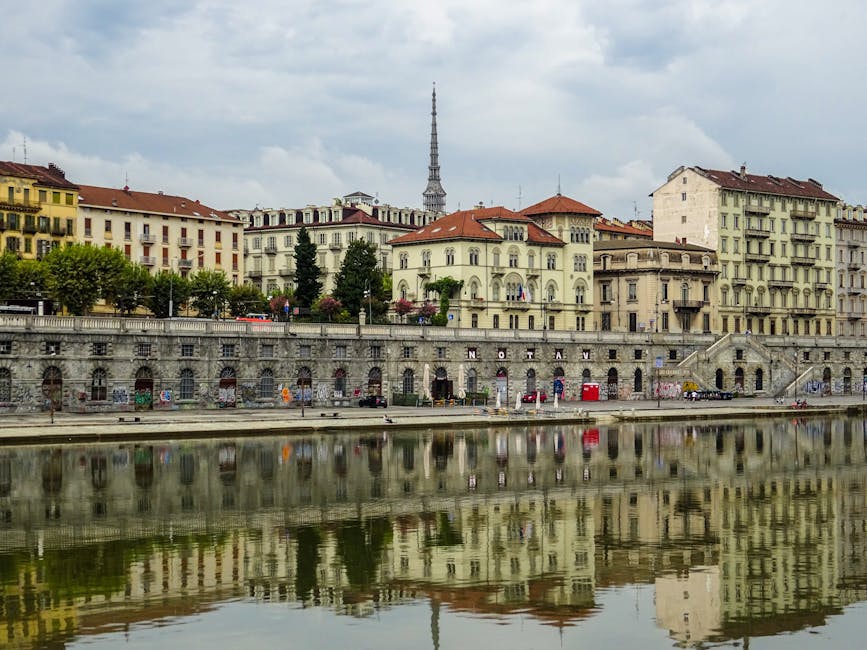
- Views from the opposite bank of the Po, just past the Umberto I bridge, offer beautiful compositions that include the river, the park and the Borgo — favor a wide-angle lens to capture the whole scene.
- For architectural details (woodwork, metalwork, gargoyles), a 50 mm or 85 mm prime lens helps capture textures and contrast in the shadows.
- Respect signs and areas where photography is prohibited inside exhibitions.
Local tips, safety and final recommendations for a successful visit
The Borgo Medievale and Parco del Valentino are much-loved by locals, especially on weekends. Here are concrete tips to make the most of your visit and avoid disappointment:
- Favor weekdays: if your schedule allows, visit on a weekday to enjoy a calmer atmosphere and better photography opportunities.
- Check for exceptional closures: some parts of the Borgo may be closed for restoration or private events. Check the official Città di Torino website or call the municipal tourist office (Città di Torino – Museo Torino for information) before you travel.
- Safety: the park is generally safe, but like any urban site keep valuables secure, especially during lively evenings and festivals.
- Accessibility: some narrow, cobbled streets can be difficult for strollers and wheelchairs; check in advance for the most accessible routes and adapted areas.
- What to bring: water, a hat in summer and a rain jacket if the weather looks changeable. Benches are plentiful but spaced out — bring a small bag for artisan purchases.
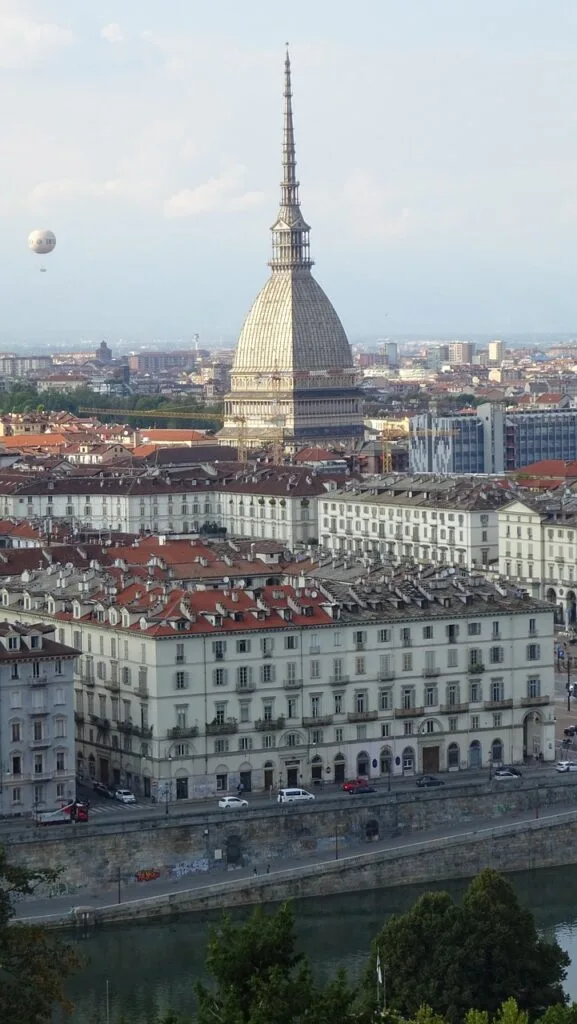
Finally, take time to enjoy the unique juxtaposition of old and new: the Borgo Medievale, built as a tribute to a regional past, is today a living place where locals, artists, families and travelers meet. After your riverside stroll, consider extending the day with a visit to Turin’s historic center (Piazza Castello, the Mole Antonelliana) or a tasty break in one of the city’s historic cafés.
Conclusion — A must-do route to experience a different side of Turin
The Borgo Medievale is a gateway to a lesser-known Turin, told in stone, wood and riverside perspective. Walking along the Po to reach this reconstructed village offers a rare blend of relaxation, historical escape and cultural activities. Thanks to its location in Parco del Valentino (Viale Umberto I, 1, 10124 Torino TO), it’s accessible for a quiet morning or an afternoon full of discoveries, photos and simple pleasures — gelato, coffee and river-watching.
On the practical side, remember the key facts: entry is generally free, typical opening hours (April–September 10:00–19:00, October–March 10:00–17:00), guided tours from €5.00 and the need to check schedules on the official Città di Torino site. For a full visit, combine the riverside walk, exploring the Borgo, a break in Piazza Vittorio Veneto’s cafés and possibly a continuation to Castello del Valentino or the Museo Nazionale del Risorgimento Italiano.
Follow the local tips in this guide (arrive early, wear comfortable shoes, check seasonal events) and you’ll turn a simple tourist stop into a sensory and informative immersion. Whether you’re in Turin for a short stay or a longer trip, the Borgo Medievale is a must for anyone wanting to feel the city’s historic soul while enjoying one of Italy’s most beautiful urban riverbanks. Safe travels and enjoy discovering the Po!