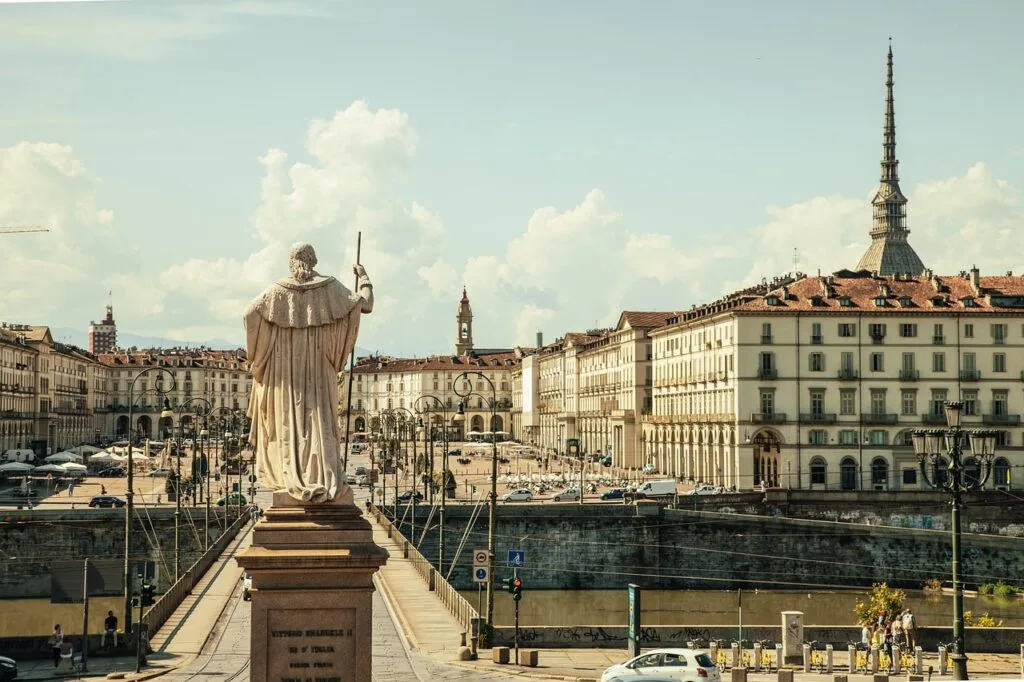






Introduction: Turin’s Baroque Palaces — an immersive route
Turin (Torino) is often thought of as a city of clean lines, geometric squares and grand boulevards. Yet tucked into that urban discipline is a distinctive Turinese baroque—refined, intimate and often more restrained than the exuberant baroque of southern capitals. The baroque architecture of Turin’s palaces is the product of Savoy dynastic ambition blended with 17th-century European taste, resulting in sculpted façades, ceremonious entrance courtyards, monumental staircases and salons adorned with stucco, frescoes, woodwork and gilding. This article works both as a general guide and as an architectural reading: it will introduce you to the essentials — Palazzo Reale di Torino, Palazzo Carignano, Palazzo Madama — as well as lesser-known spots that preserve remarkable baroque interiors.
Turinese baroque is written in stone, marble and the light filtering through large windows onto spiral staircases. Royal spaces like Piazza Castello structure the city, while more discreet palaces open onto surprising inner courtyards and carefully composed decorative perspectives. Over the centuries these buildings have been transformed — princely residences turned museums, administrative offices or cultural venues — but many still retain a visible baroque core: painted vaults, high-quality woodwork, period furnishings, and room layouts designed for ceremony and spectacle.
This guide offers practical routes, detailed architectural descriptions, practical information (exact addresses, opening hours, prices in euros) and local tips to make the most of each visit. You’ll learn how to recognise the hallmarks of Turinese baroque: rhythmic façades alternating columns and pilasters, finely carved stone balconies, decorated pediments, townhouses deeply embedded in the urban fabric and terrace gardens. We’ll focus on the sensory experience: strolling beneath arcades, feeling the coolness of marble floors, looking up to read allegorical ceiling scenes, and listening to guides reveal the little historical anecdotes that make these places come alive.
This guide is aimed at curious travellers, architecture lovers, photographers and art history students. The suggested routes are doable on foot or with short public transport links, and include practical recommendations — best time slots to avoid crowds, reduced fares and tips for themed guided tours. You’ll also find visual cues in image markers to help you picture each place before you go. Lace up your walking shoes, bring a sketchbook and your curiosity: let’s explore Turinese baroque, palace by palace.
Palazzo Reale di Torino (Royal Palace) — baroque majesty and state apartments
Palazzo Reale di Torino (Royal Palace) is one of the essential starting points for understanding Turinese baroque. Address: Piazza Castello, 10122 Torino TO, Italy. Built and altered between the 17th and 18th centuries by the House of Savoy, this palace blends classical restraint with baroque ornamentation in its interiors. The main entrance leads into a series of representative spaces: the state apartments, the Galleria Beaumont and the palatine chapel, all decorated with wood panelling, gilded stucco and illusionistic frescoes.
Opening hours: generally open every day except certain holidays; typical hours: 9:00–19:00 (last entry 18:00). Prices: combined ticket for the Royal Palace and the Galleria Sabauda around €15 for an adult ticket, reduced fares (students, seniors) around €10, free for children under 6; check the official site before visiting. Audioguides are often available in multiple languages (around €4–€6).
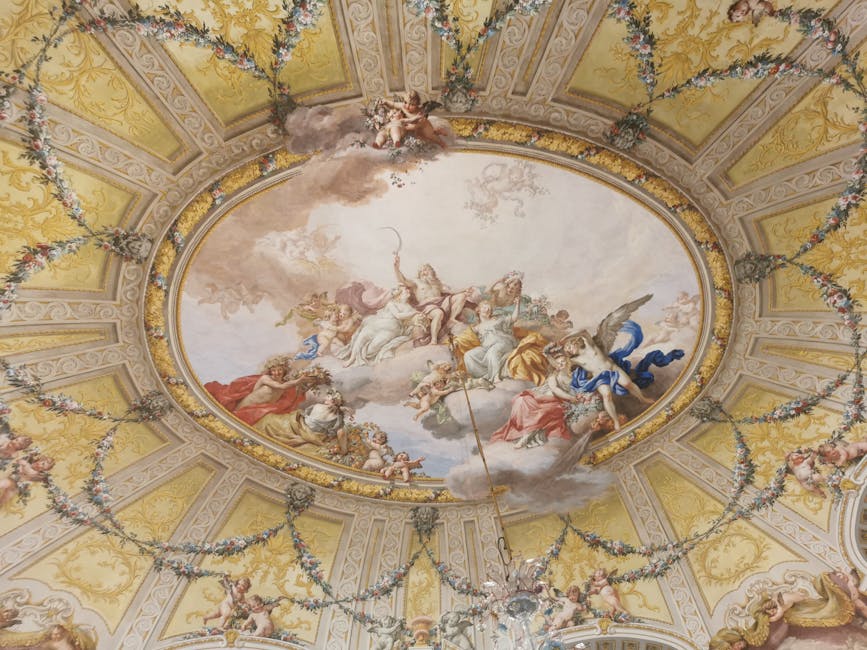
Immersive description: step through the honor courtyard lined with arcades and take note of the use of marble and contrasting stone that heighten the solemnity. The state apartments are a feast of color and texture: embroidered hangings, carved wooden seats, ceilings painted with allegories of victory and virtue. Turinese baroque here expresses itself as a balance between decorative surfaces and ceremonial functions — rooms arranged to maximise the staging of power, with enfilade reception rooms, richly furnished salons and smaller private chambers with more restrained but refined decor.
Local tips: aim for an early-morning visit to enjoy the rooms with fewer people and to capture ideal morning light for photography (check the flash policy). Don’t miss the climb to the palace terrace and gardens for a city view and, on clear days, a line-up of the Alps. For a deeper dive, book a themed guided tour (Habsburg–Savoy history, interior decoration, military history) via the palace reception.
Palazzo Madama — from medieval fortress to baroque palace
Palazzo Madama e Casaforte degli Acaja is a fascinating synthesis of Turin’s historical layers. Address: Piazza Castello, 10122 Torino TO, Italy (opposite the Royal Palace). The building presents a medieval base (the fortified gate) topped by an 18th-century baroque façade remodeled by Filippo Juvarra, one of the great masters of Piedmontese baroque. Today Palazzo Madama houses the Museo Civico d’Arte Antica, displaying furniture, ceramics, armor and paintings that let you read the evolution of aristocratic taste.
Opening hours: generally open 10:00–18:00 (closed on Mondays or certain dates; last entry 17:00). Prices: museum ticket about €12 for the permanent exhibitions, reduced rates from around €8; combined tickets available with other sites in the Città di Torino museum network. Audioguides or guided tours in Italian and English are often offered for an additional €5–€8.
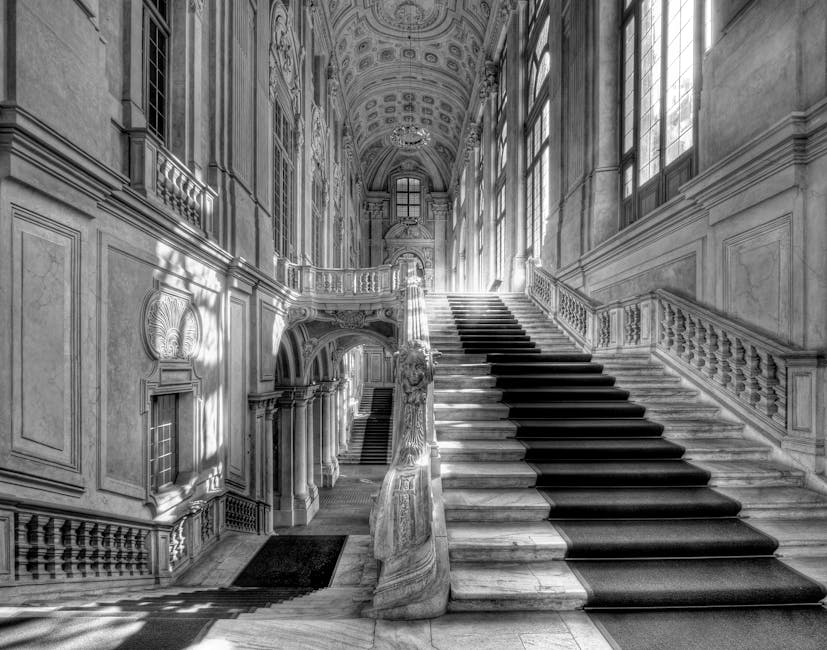
Immersive description: climbing Juvarra’s grand baroque staircase is a highlight — the space unfolds in elegant spirals, with ornate railings and calculated lighting effects designed to dramatize visitors’ arrival. The exhibition rooms preserve original decorative elements: carved cameos, gilded stucco, painted ceilings and monumental fireplaces. Here baroque is more than a style: it structures circulation, enhances the drama of entrances and inscribes each room within a social ritual of welcome and representation.
Practical tips: the belvedere room and the terrace offer fine views over Piazza Castello and make for striking photographic compositions (bring a telephoto for carved detail). Check temporary exhibitions which rotate frequently — they sometimes feature baroque collections loaned from European museums. For families, educational installations and weekend workshops for children are often available.
Palazzo Carignano and other private palaces — domestic and political baroque
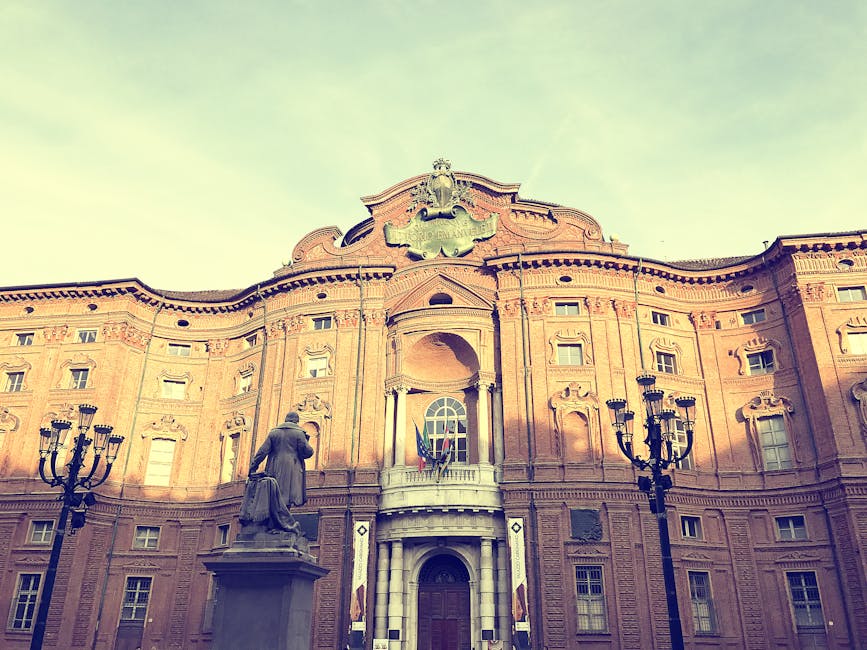
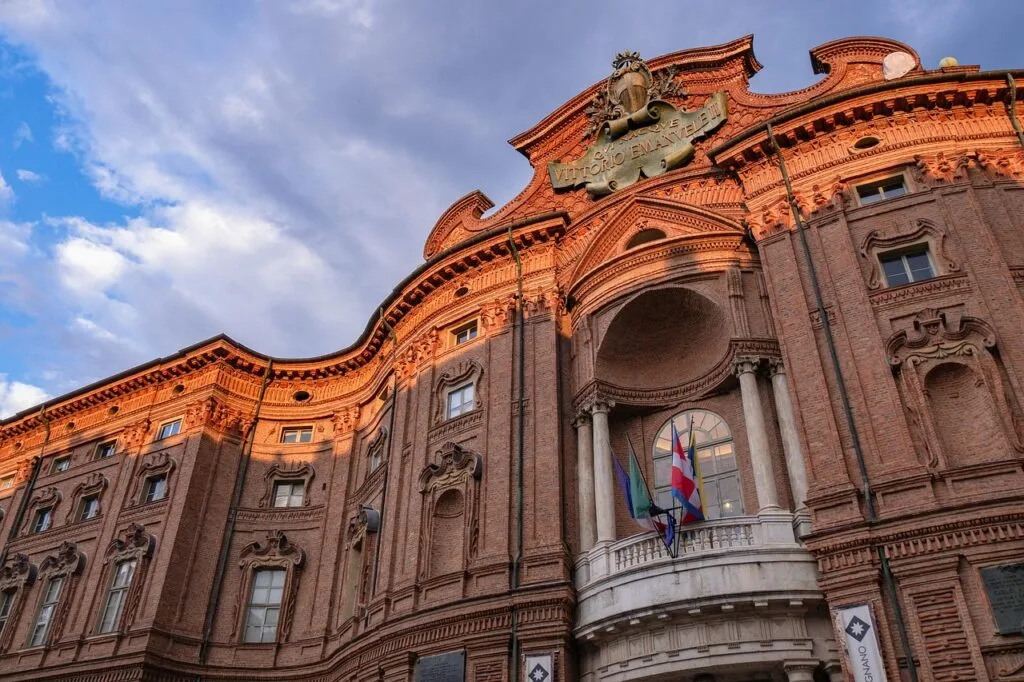
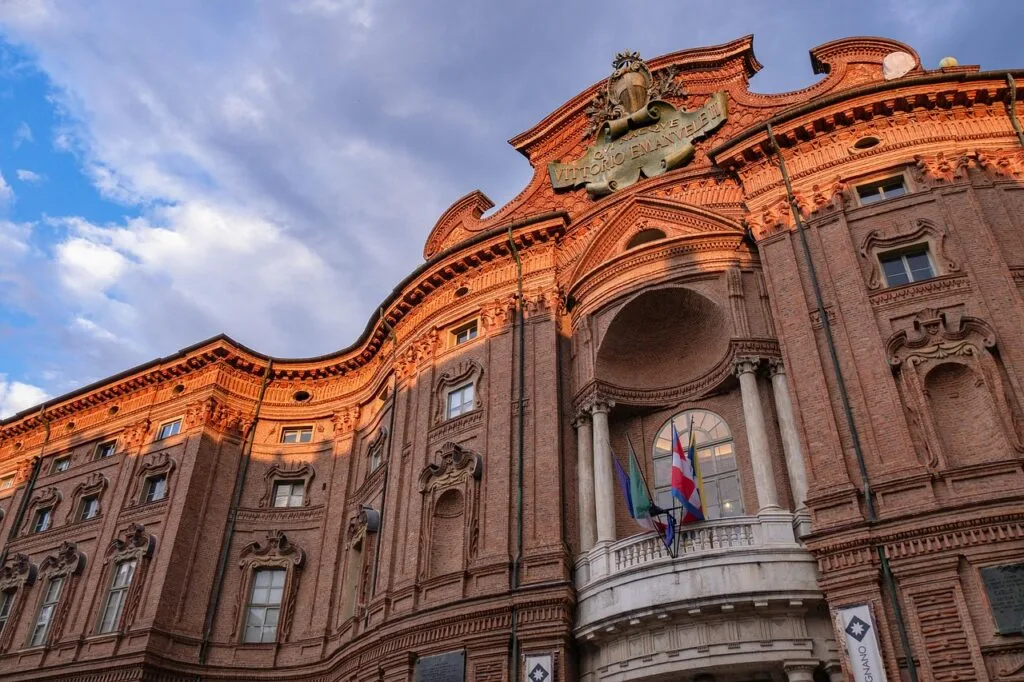
Palazzo Carignano is a masterpiece of Piedmontese baroque and a must for anyone wanting to understand palatial architecture used for political purposes. Address: Via Carlo Alberto, 10, 10123 Torino TO, Italy. Designed by Guarino Guarini at the end of the 17th century, the palace is notable for its curved façade and innovative plan. It houses the Museo Nazionale del Risorgimento Italiano and displays furniture, portraits, documents and objects linked to Italian unification.
Opening hours: usually 9:00–18:00 (hours vary with exhibitions). Prices: museum entry around €8–€10, reductions for students and groups. Audioguides and guides available; book during high season. The grand salon and the state apartments preserve original woodwork and stucco; the architectural reading of the building shows how baroque could also be an instrument of political prestige.
Immersive description: Palazzo Carignano’s sinuous façade captures light and attention. Inside, volumes are organised to highlight aristocratic sociability: communicating salons, reception rooms and careful attention to proportions to optimise acoustics and social sightlines. Technical details — mouldings, cornices and stucco decorations — testify to the technical virtuosity of Piedmontese baroque craftsmen.
Other private palaces: Turin retains many secondary palaces where baroque appears on a more domestic scale but is no less refined. Among them: Palazzo Chiablese (in the Piazza Castello area, often used for temporary exhibitions and cultural events), Palazzo Barolo (Via Maria Vittoria 9 — check the exact address before visiting for private exhibitions) and Villa della Regina (on the Po hills, Salita Santa Caterina, a listed site offering terraces and landscaped gardens). These palaces are worth visiting for their intact salons, inner courtyards and small private chapels, often decorated with baroque frescoes and period furniture.
Local tips: to fully appreciate domestic baroque, book a small-group guided tour which often grants access to rooms not open during general admission. The best times to visit are late afternoon, when slanting light accentuates the relief of stucco and sculpture. In high season, buy tickets online in advance to avoid queues at the box office.
Walks, viewpoints and practical tips for photographing and understanding the baroque
Getting around Turin to discover its baroque palaces is straightforward: most main sites are concentrated around the historic core (Piazza Castello, Via Po, via Roma). Walking routes will lead you past arcades, small squares and secret courtyards. If you plan to visit several museums, look into the Torino + Piemonte Card or combined civic museum tickets, which often offer good discounts for 24–72 hour periods.
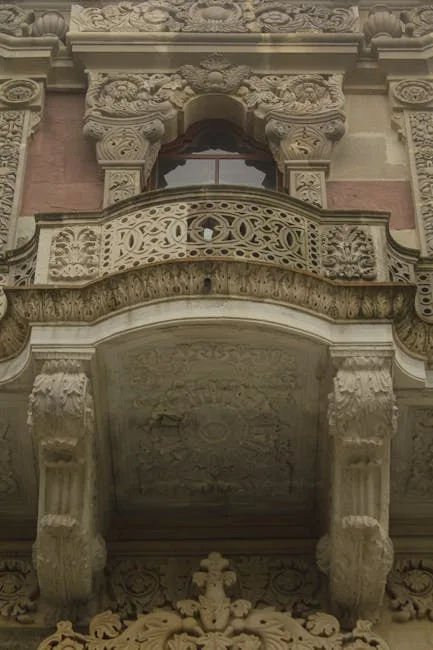
Photography tips: baroque shows different faces depending on the light. Try the golden hours (early morning or late afternoon) to capture the modelling of façades and the play of shadows on carved balconies. Indoors, favour fast lenses (f/2.8 or faster if possible) and raise ISO slightly to avoid motion blur, while respecting the rules (many palaces ban flash and sometimes tripods). Focus on details: cartouches, mascarons, keystones, and the stuccoists’ hand on cornices.
Recommended experiences: join a themed guided tour (architectural baroque walk, workshops on stucco and gilding craft) or attend a baroque music concert in a restored salon — these events help you understand the sound dimension of the décor and how rooms were designed for music and speech. Also pop into the baroque churches attached to palaces to complete your reading of the style: private chapels and small sacristies often hide decorative treasures.
Conclusion: making the Turinese baroque part of your memory
Visiting Turin’s baroque palaces is stepping into a geography of power where every façade, salon and staircase tells a story: of the Savoys, of the governments that followed, of the artists and craftsmen who left their mark, and of social practices designed for representation and ceremony. From Palazzo Reale to Palazzo Madama, through Palazzo Carignano and private residences, Turinese baroque reveals itself as both spectacular and intimate. It takes time to perceive its subtleties: study the proportions, read the iconographic cycles on the ceilings, feel the quality of materials and understand how light and movement animate stone and stucco.
To make the most of your route: plan visits according to suggested times (mornings for the grand rooms, late afternoon for sculpted details), book themed guided tours, check discounts and concessions (student, senior, local culture cards), and allow yourself to wander off the beaten track to smaller palaces and villas where baroque unfolds without the trappings of tourism. Don’t forget to consult the official museum websites for exact opening times and exceptional closures — the prices listed in this guide are typical references and may change.
Finally, leave time to simply sit beneath the arcades of a Turinese square, watch the façades and imagine life in another era: sumptuous receptions, walks in terraced gardens, political conversations held behind closed doors. The baroque of Turin’s palaces deserves to be experienced slowly, with attention and curiosity. Enjoy your visit and happy exploring; Turin will reward you, palace after palace, with a rich reading of a European baroque that is at once sovereign and deeply human.