





Introduction — Dining Like Royalty in Turin: Where History Meets the Table
Turin (Torino) is a city where history is meant to be tasted as much as admired. Once the capital of the Kingdom of Sardinia and later the Kingdom of Italy, it hosted the House of Savoy and their court for centuries. They left behind not only palaces and gardens but also a refined culinary repertoire and table customs. “Dining like royalty” in Turin therefore suggests a hybrid experience: diving into recipes inherited from royal kitchens, witnessing service rituals and ornate dining rooms, while also enjoying modern reinterpretations of those traditions in historical restaurants or museum recreations.
This guide explores royal menus and dinner traditions in the Turin context: where to find these flavors and rituals today, how court banquets unfolded in the past, and which venues and museums let you relive or adapt the experience. We list must-visit places — palaces, historic restaurants, old cafés — with exact addresses, opening hours, price ranges and practical local tips. Whether you’re a curious traveler, a foodie wanting to trace the origins of a Piedmontese dish, or an event planner aiming to stage a courtly dinner, this guide offers concrete information and immersive suggestions.
Turin’s setting blends the rigor of court protocol — multi-course service, stemware and silverware — with the generous rural spirit of Piedmont: braised meats, refined broths, stuffed pasta and chocolate desserts. Royal feasts could include dozens of courses, from sweet entremets and baroque pastries to game and poultry preparations. Today, these elements survive as traditional dishes (bagna cauda, bollito misto, agnolotti) served in lavish settings or reinvented by contemporary chefs.
In the sections below you’ll find detailed descriptions of culinary and ceremonial heritage, a curated list of addresses to experience a “court dinner” in Turin (with addresses, hours and price ranges), itineraries pairing palace visits with regal meals, and practical advice on dress, reservations and service expectations. We also include wine suggestions and a glossary of Piedmontese royal dishes. Image placeholders are included to help you visualize typical scenes — historic dining rooms, dressed tables, signature plates — accompanying each section.
1. The Origins of Court Dining in Turin: History, Protocols and Recipes
The history of court dining in Turin is tightly linked to the House of Savoy. Based at the Royal Palace (Palazzo Reale di Torino, Piazza Castello, 10124 Torino TO, Italy), the court developed a codified food ceremony as early as the 17th century. Formal meals followed a strict order: aperitifs, starters, soups, roasts, fish and seafood (season and availability permitting), then elaborate plated desserts and pastries. Menus reflected a mix of local Piedmontese traditions and French influences — often brought in by guest chefs or culinary treatises.
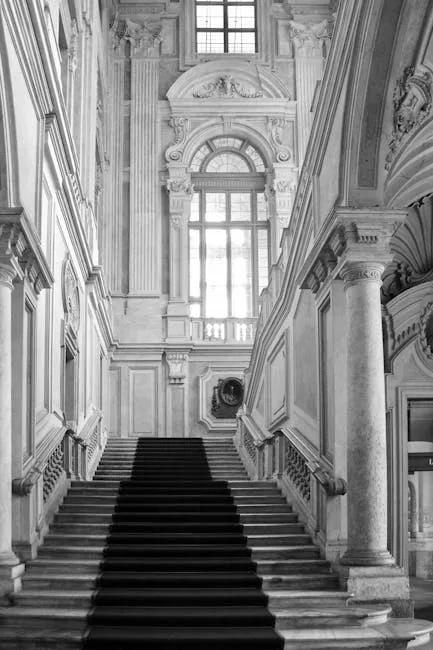
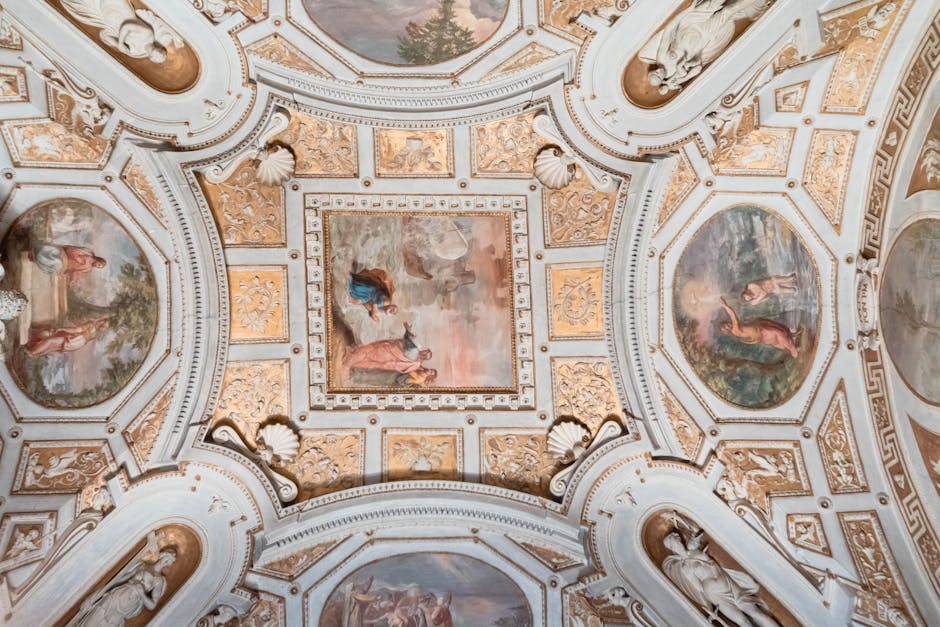
The Palazzo Reale di Torino remains the primary material witness to this history. Address: Piazza Castello, 10124 Torino TO. Indicative hours: Tuesday–Sunday 10:00–18:00 (closed Mondays), tickets usually €9–15 for the museum, with combined visits available including the Armeria Reale and the gardens. The Sala delle Guardie and the royal apartments display the rooms where banquets took place; the palace’s historic kitchens reveal past logistics — stoves, cauldrons for broths, and pastry workshops.
Popular Turin royal recipes include:
- Bollito misto: a selection of boiled meats (beef, chicken, tongue) served with piquant sauces and raïol (sauces based on garlic and walnuts). A festive yet rustic dish, valued for its generosity.
- Bagna cauda: a warm dip made from anchovies, garlic and olive oil, for dipping raw or cooked vegetables. Originally a shared dish, it symbolizes Piedmontese table conviviality.
- Agnolotti del plin: tiny pinched stuffed pasta typical of Piedmont, often served in a broth or with butter and sage.
- Vitello tonnato: thin slices of cold veal topped with a tuna-based cream, popular at summer receptions.
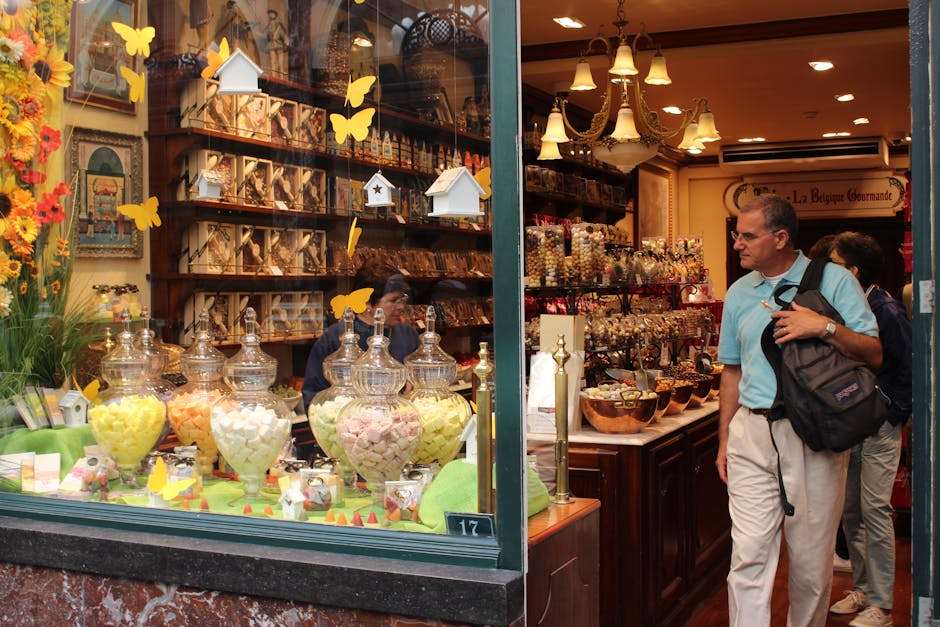
- Gianduiotto and other chocolates: Turin’s chocolate tradition, tied to Caffarel (Via Montebello, 9, 10121 Torino), features in court desserts and confections.
These dishes were typically paired with local wines chosen to harmonize with the richness of the preparations: Barolo and Barbaresco for roasts, Barbera for boiled meats, Moscato d’Asti for desserts. Service rules were precise: cutlery placement reflected the menu, glasses were lined up according to the wines served, and dishes were often distributed from side consoles to avoid cluttering the main table.
2. Where to Dine Like the Court Today: Historic Restaurants and Royal Tables in Turin
Turin offers several venues where you can taste cuisine inspired by courtly practices. These places often combine historical decor with refined cooking. Here are emblematic addresses with practical info to plan a “courtly” evening.
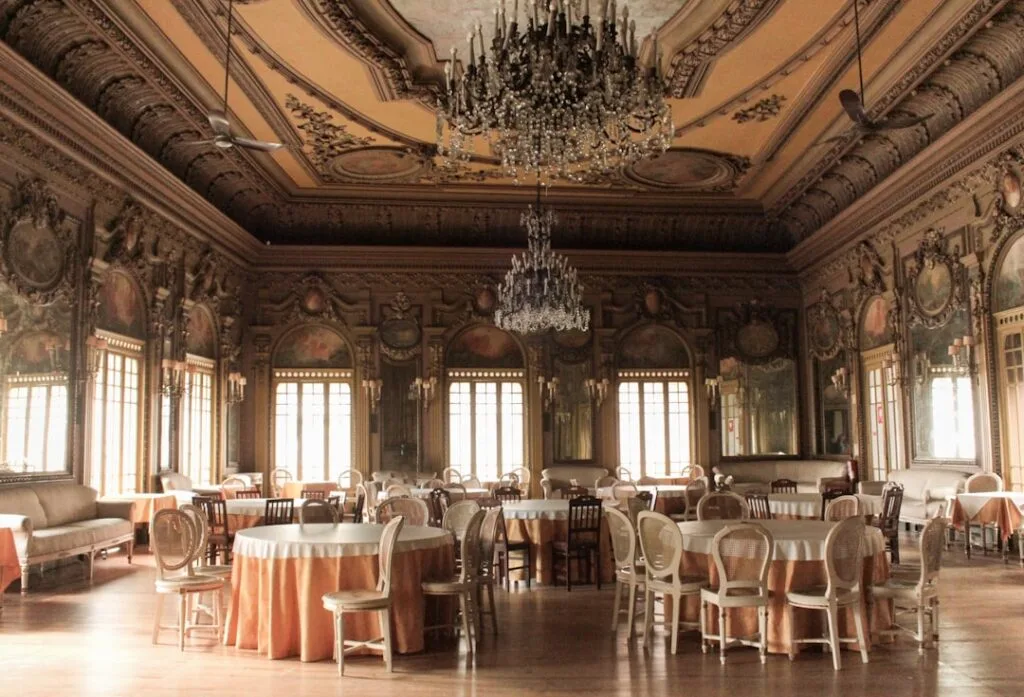
- Ristorante Del Cambio — Piazza Carignano, 2, 10123 Torino TO, Italy. Tel: +39 011 521 0264. Hours: Tuesday–Saturday 12:30–14:30 / 19:30–22:30, closed Sunday and Monday (hours may vary seasonally). Prices: à la carte €40–90, tasting menu around €80–130. Description: founded in 1757, this historic restaurant hosted parliamentarians, aristocrats and cultural figures. Lavishly decorated dining rooms, well-dressed servers, and a menu that revisits Piedmontese classics (agnolotti, bollito) alongside modern creations. Reservation recommended; smart attire required.
- Caffè Mulassano — Piazza Castello, 15, 10123 Torino TO, Italy. Tel: +39 011 546 155. Hours: daily 07:30–20:30. Prices: coffees and snacks €3–20. Description: famous for inventing the tramezzino (triangular sandwich) in 1888 and for its Art Nouveau decor. Perfect for a historic aperitif before an official dinner.
- Grand Café San Carlo — Piazza San Carlo, 156, 10121 Torino TO, Italy. Tel: +39 011 547 0141. Hours: 07:00–01:00 daily. Prices: main dishes €10–35, desserts €5–12. Description: a meeting place for Turin’s elite, ideal for experiencing café culture and salons before or after a princely dinner.
- Ristorante Consorzio — Via Monte di Pietà, 23, 10121 Torino TO, Italy. Tel: +39 011 495 655. Hours: Tuesday–Saturday 12:30–14:30 / 19:30–22:30. Prices: tasting menu €45–65. Description: more contemporary but committed to local produce — quality meats, fresh pasta and traditional desserts. Professional service and careful presentation.
- Caffarel Chocolate Boutique — Via Montebello, 9, 10121 Torino TO, Italy. Hours: 09:00–19:00. Prices: pralines €15–40 / box. Description: extend the royal experience with gianduiotti and chocolates that carry the legacy of courtly sweets.
Practical tips: book well in advance (especially for Del Cambio), disclose any allergies, and ask for the “historic menu” when available (some venues offer menus specifically inspired by court recipes). The price ranges give an idea: a full dinner in a historic restaurant like Del Cambio often runs €80–150 per person (wine and service partially included), while a coffee and pastry at Grand Café San Carlo is more accessible (€15–30).
3. Royal Routes: Pairing Palace Visits with a Princely Dinner
To experience a full “court” evening in Turin, combine visits to historic sites with a meal in a period restaurant. Here are two sample itineraries — one for an elegant evening and one for a full-immersion day — with addresses, hours and specific suggestions.
Elegant itinerary (evening):
- 17:00 — Guided visit to the Palazzo Reale di Torino (Piazza Castello, 10124 Torino TO). Duration: 60–90 minutes. Approximate entrance fee: €9–15 depending on the exhibition. The palace often closes at 18:00, so check seasonal hours.
- 18:30 — Aperitif at Caffè Mulassano (Piazza Castello, 15). Price: €8–20 for cocktails and small bites. The Art Nouveau atmosphere is perfect for getting into the courtly mood.
- 20:00 — Dinner at Ristorante Del Cambio (Piazza Carignano, 2). Tasting menu €80–130; wines extra (Barolo selections €40–120 per bottle). Expect formal dress.
This route emphasizes elegance and historical continuity: moving from royal apartments to an Art Nouveau salon and then to a classic dining room lets you feel the thread of Turin’s social customs.
Full-immersion day itinerary:
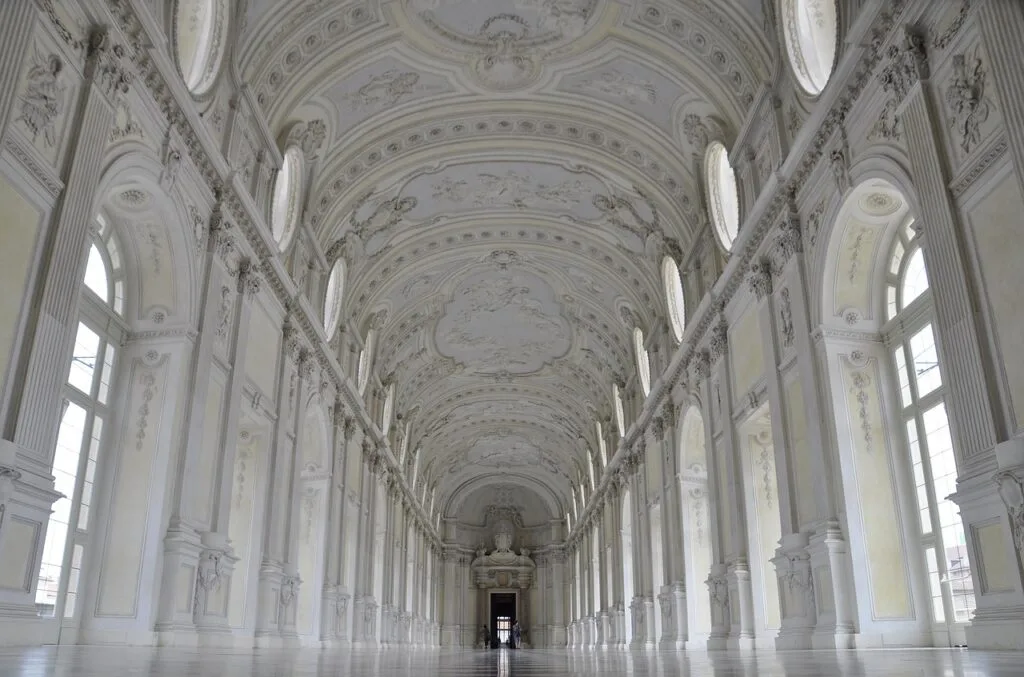
- 09:30 — Head to the Reggia di Venaria Reale (Piazza della Repubblica, 4, 10078 Venaria Reale TO). Hours: 09:00–19:00 (season-dependent). Price: €12–18 for gardens + residences. Venaria, a hunting residence and Savoy secondary palace, offers reconstructed banquets and exhibitions on royal kitchens.
- 13:00 — Lunch at the Venaria restaurant (Il Ristorante La Reggia, on site): menu €25–45. Tip: try game preparations and traditional Piedmontese dishes.
- 16:00 — Return to Turin for a visit to the Museo Nazionale del Risorgimento Italiano (Piazza Carlo Alberto, 8, 10123 Torino TO) to contextualize the political history. Hours: 10:00–18:00. Price: €8–12.
- 20:00 — Friendly dinner at Ristorante Consorzio (Via Monte di Pietà, 23). Tasting menu €45–65, ideal for a modern take on court dishes.
Booking advice: for Venaria and Del Cambio, buy tickets or reserve a table at least 7–10 days ahead in high season. Note that guided tours of historic kitchens may be offered occasionally — check the official sites of the institutions for schedules.
4. Table Rituals and the Art of Service: Codes, Tableware and Wines
A court dinner follows not only a menu but a ritual. In Turin, customs developed by the nobility and palace administrations are still alive in certain restaurants and private events. Here are the essentials to know if you want to understand or recreate a princely dinner.
Seating plan and place setting: traditionally, the guest of honor sat facing the entrance and at the center of the table, flanked by allies and family members. Place cards were used to avoid social faux pas. Today, for a court-inspired dinner, use printed place cards and a seating plan defined before guests arrive.
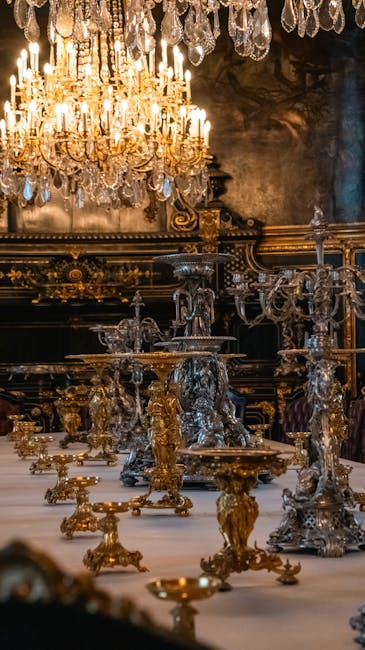
Tableware and silver: palaces preserved large collections of silverware and porcelain. For a court-style dinner, favor multiple sets of cutlery (fork for starter, fork for main course, soup spoon, dessert spoon) and distinct glasses for water, red wine, white wine and dessert wine. Plated service (dishes finished in the kitchen and brought out) is more modern; Russian service (courses presented and served sequentially) was common in large receptions.
Wines: a Turin princely dinner highlights Piedmont crus:
- Barolo (Langhe) — ideal with roasts and robust meats. Bottle price: €30–150 depending on vintage.
- Barbaresco — elegant, for characterful meats. Price: €25–120.
- Barbera d’Asti — more flexible, for boiled dishes and rich sauces. Price: €8–25.
- Moscato d’Asti — sweet wine for desserts (gianduiotti, tarts). Price: €6–18.
Historic restaurants’ sommeliers often propose “court” pairings — don’t hesitate to ask for a wine pairing by course (usually €10–30 extra per person for selections by the glass).
Service and dress code: most “court” restaurants expect smart-casual to formal attire (a jacket for gentlemen is advisable). Service is typically paced in several stages, with pauses to allow conversation. If you’re organizing a private dinner, consider soft background music and warm lighting to recreate the salon ambiance.
Conclusion — Why Dining Like Royalty in Turin Is a Must-Do Experience
Dining like royalty in Turin — whether through a palace reconstruction, reserving a table at a historic restaurant like Ristorante Del Cambio, or combining a visit with a meal at the Reggia di Venaria — offers a deep way to understand Turin’s culture. It’s not just about eating: it’s stepping into a historical continuum where food, ceremony and place meet. Traditional dishes — bollito misto, bagna cauda, agnolotti, vitello tonnato — tell the story of a region shaped by agriculture, livestock and precise culinary techniques, while also having absorbed the influences of European courts.
For visitors, the experience takes preparation: book ahead, check opening hours and menus, choose appropriate attire and, if possible, ask for details about wine pairings and ingredient origins. The addresses listed in this guide (Palazzo Reale di Torino, Ristorante Del Cambio, Caffè Mulassano, Grand Café San Carlo, Reggia di Venaria Reale, Caffarel) form a solid starting point for composing a royal evening. Prices vary with authenticity and luxury level — from a pastry and coffee at €5–20, to a full dinner in a historic venue at €80–150 per person.
Beyond the splendor, it’s the acts of sharing that make the experience memorable: broth served à la russe, a hot communal sauce for a bollito, or a slow sip of Barolo mid-conversation. These simple, ritualized moments reconnect you with the idea of dinner as a social and aesthetic act. Whether you’re a history buff, an epicurean, or an events professional, Turin offers the places, products and know-how to recreate a courtly dinner that’s rich in meaning and flavor. Plan ahead, book, and let yourself be guided by the unique blend of tradition and Piedmontese hospitality.