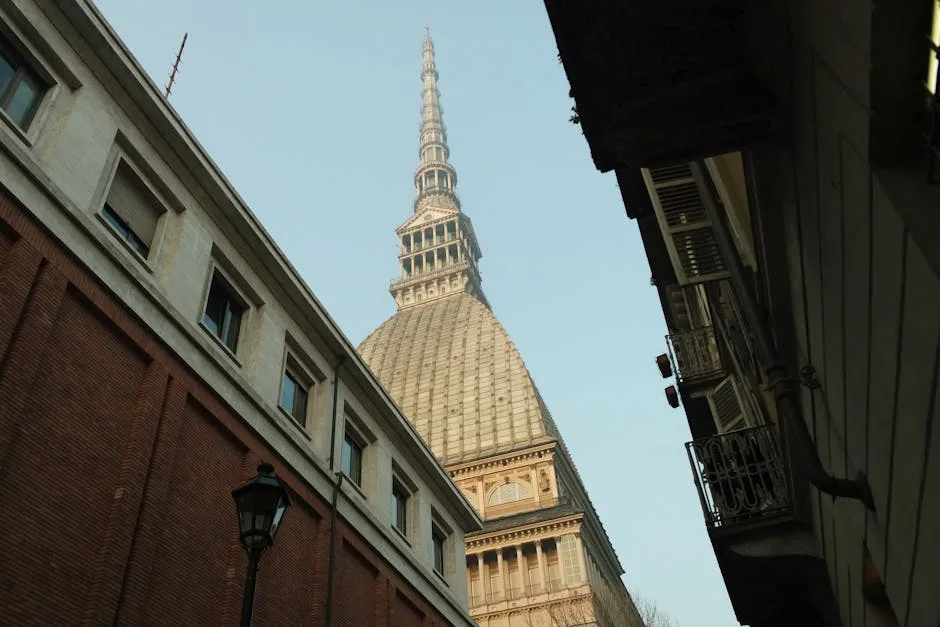





Introduction — A dive into Piedmont street food in Turin
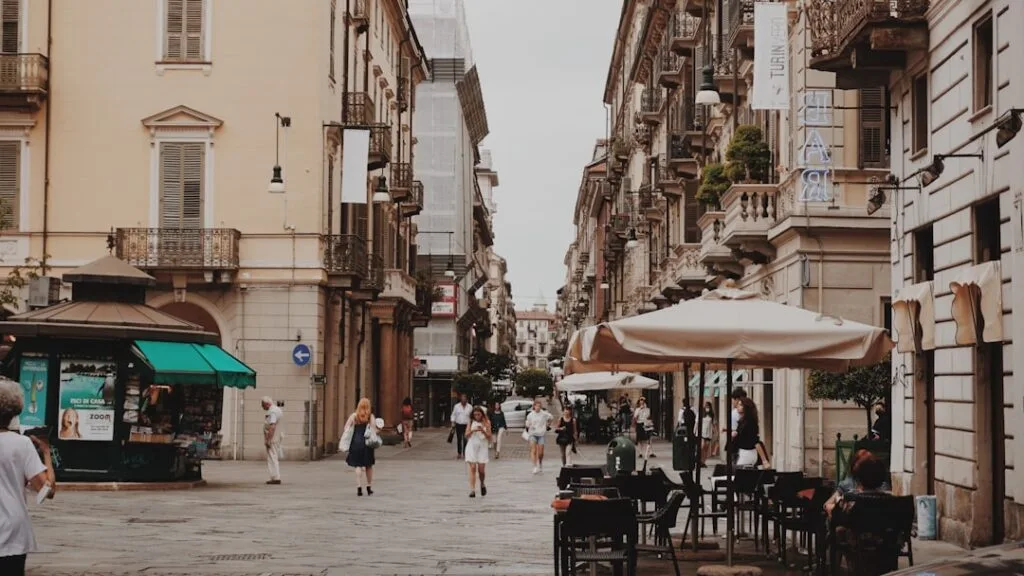
Turin, the elegant capital of Piedmont, is usually associated with chocolate, vermouth and its historic cafés. But behind that refined image lies a lively street food scene rooted in local produce and popular traditions. This guide takes you off the main tourist boulevards to small, secret spots where Piedmontese street food turns into little wonders: generous sandwiches, classic fried snacks, comforting street soups, rustic tarts and chocolatey treats. My goal is twofold: give you practical details (full names, exact addresses, opening hours and rough prices) and offer an immersive read—like walking with a local guide through Turin’s tasty side streets.
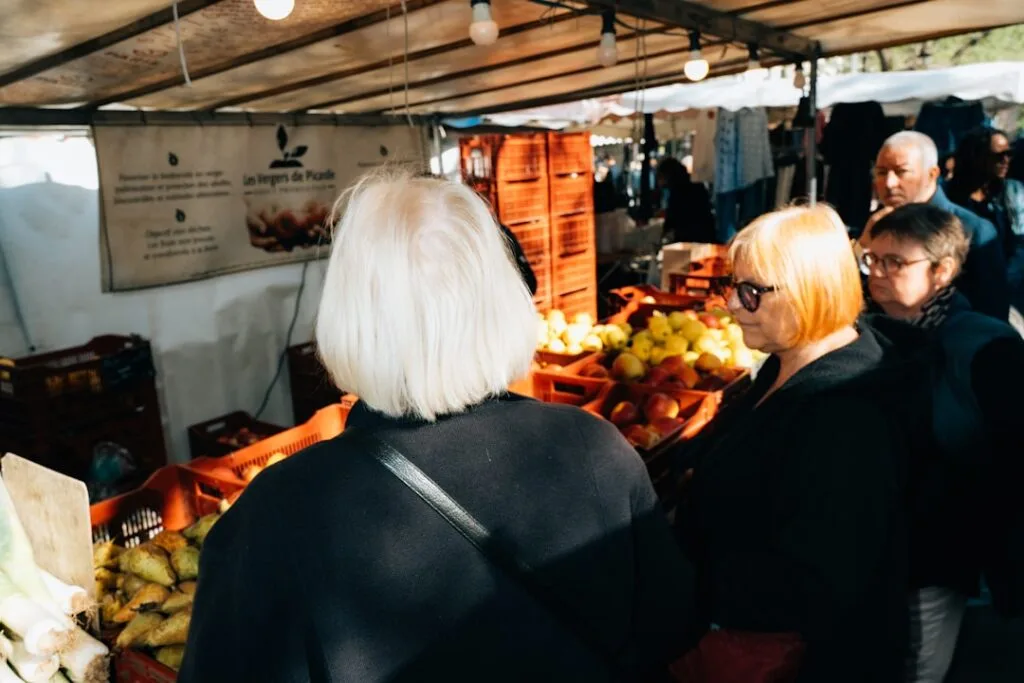
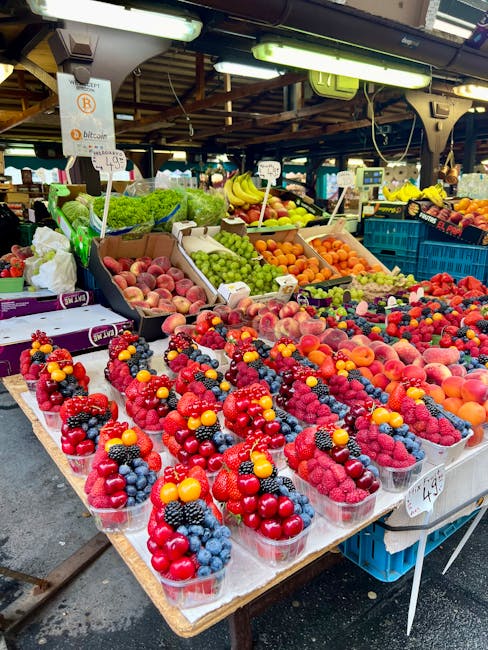
Piedmont is a land of exceptional ingredients: farmhouse cheeses (toma, robiola), cured meats (local salumi), legumes, truffles and the Nebbiolo grape. Local street food doesn’t try to reinvent the wheel: it elevates these ingredients in simple, popular formats—panini, piadine, focacce, fritto misto and market specialties. In Turin, markets remain nerve centers: the Mercato di Porta Palazzo, for example, overflows with stalls where people eat standing up, side by side with grandmas and hurried students.
This guide is for anyone curious: food-loving travelers, locals hunting for new places, or regional cuisine fans. You’ll find a selection of secret spots and tiny shops—sometimes tucked in arcades, sometimes run by long-standing families, sometimes brand new yet already cult favorites among Torinesi. For each place I list the precise address, typical hours, price indications to help plan your budget, and practical tips (how to order, what to try first, tricks to avoid queues). Descriptions are detailed: aromas, textures, service and atmosphere to help you recognize these experiences at a glance.
Finally, treat this guide as a flexible roadmap: street food evolves fast—new faces appear, stalls shift their hours—yet the Piedmontese spirit stays the same. Follow the morning markets for the freshest products, favor late afternoons for tasting before dinner, and don’t hesitate to ask vendors what they cooked that day. Get your taste buds ready: Turin still has plenty to reveal, and every corner could become a small culinary adventure.
1) Mercato di Porta Palazzo — The beating heart of Turin’s street food
Mercato di Porta Palazzo is the largest open-air market in Europe and a must-visit if you want to understand Turin’s street food. Address: Piazza della Repubblica, 10152 Torino. This is where producers, fishmongers, butchers and small takeaway stalls meet. Hours: food stalls Monday–Saturday 07:00–14:00 (some counters, like the fishmongers and caterers, also open Sunday morning 07:00–12:00). The little street canteens and kiosks usually stay open until around 16:00. Prices: panini and focacce from €3 to €6, hot dishes (polenta, braised beef in sauce in market portions) €6–€10.
What to try here: Piedmontese farinata (a savory chickpea flour flatbread reinterpreted in a local style), homemade potato crocchette, and arancini given a Piedmont twist with a local meat ragù. Local producers also sell slices of fresh tomme and toma to enjoy with rustic bread. Street food stalls often use market ingredients: communal-oven bread, house-cured meats and grilled vegetables—perfect condiments for a quick panino.
Local tips: arrive early to avoid crowds and taste the freshest items. The best cuts of meat or limited-run specialties go fast; if you’re aiming for something specific, ask the greengrocer or butcher if they plan a second batch. Payment: many stalls accept cash only (cash recommended), although some now take cards for amounts over €10.
2) La Focacceria di Via Po — Panini and focacce like nonna makes
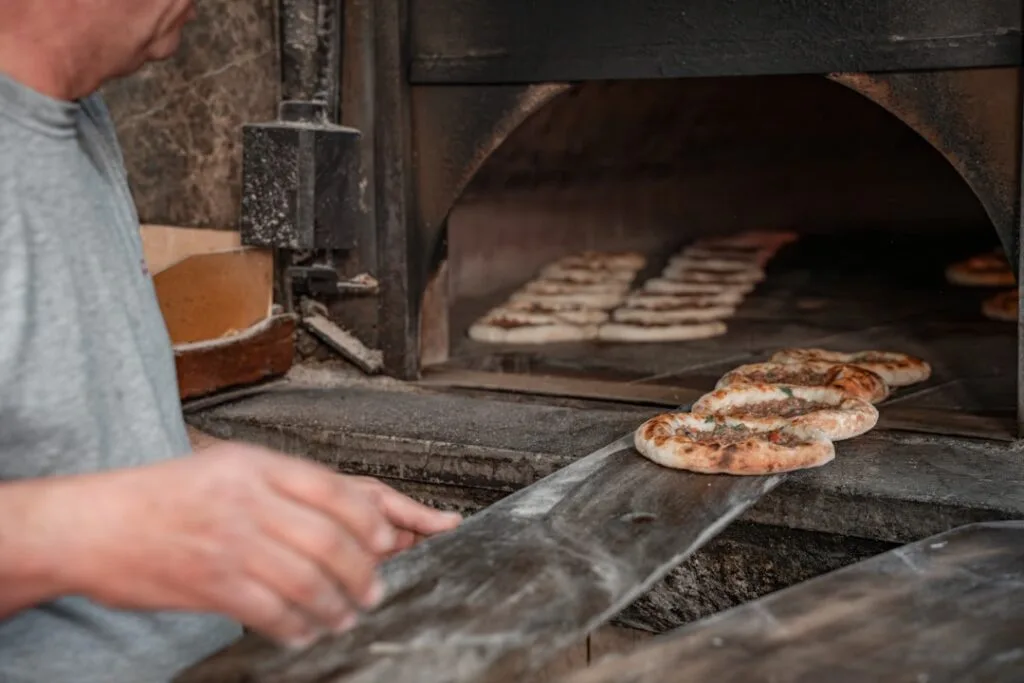
Address: La Focacceria di Via Po, Via Po 45, 10124 Torino. Hours: Tuesday–Sunday 11:00–21:00, closed Monday. This small bakery-shop has been run by the Bellini family since 1987 and remains a well-kept secret among students and regulars near the university. Here, the focaccia isn’t just dough: it’s slowly leavened, topped with typical Piedmont ingredients (melting toma, coppa, sautéed porcini mushrooms) and pressed on the plancha.
Prices: plain focaccia €2.50, topped focaccia €4–€7, special panino (cheese-and-cured-meat combo) €5.50–€8. Portions are generous—often shared between two unless you’ve got a big appetite. The interior is tiny (a few stools); most customers take away and sit by Parco del Valentino or on the Po riverbank in summer.
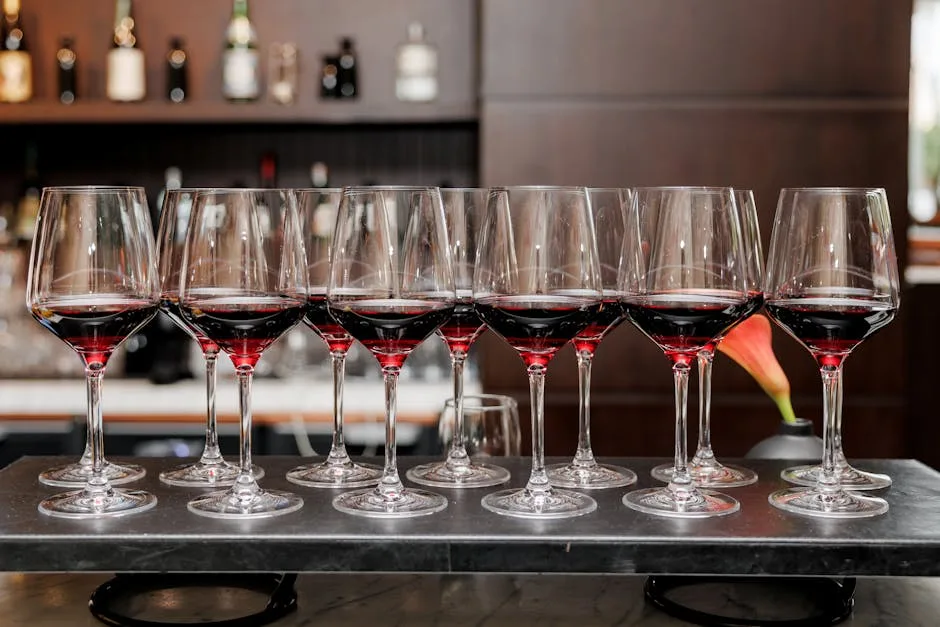
Immersive description: you walk in and smell warm bread and olive oil, see flour on the bakers’ hands. A tomato-mozzarella-toma focaccia lets off fragrant steam while slices of coppa crisp on the hot griddle. Service is simple and friendly; the owners are happy to recommend a local wine (a small glass of Barbera, €2–3) to pair with your focaccia.
Tips: order the “focaccia del giorno” to try market-driven toppings. In mushroom season, ask for the porcini version—a small autumn treasure. If you’re vegetarian, the grilled vegetables and local robiola focaccia is excellent. Cards accepted for amounts over €5; small bills and coins are appreciated.
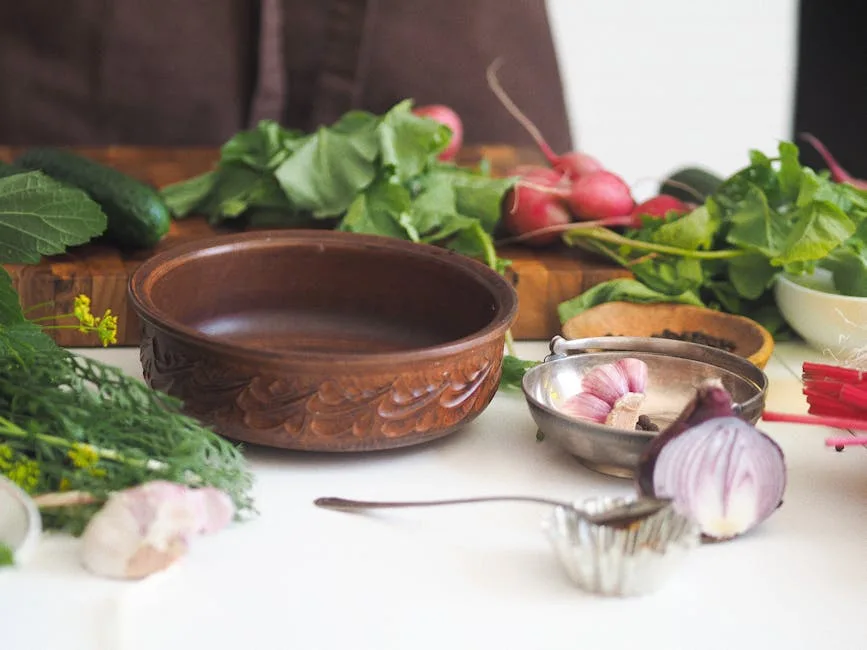
3) Banco della Bagna — A modern take on bagna cauda
Address: Banco della Bagna, Via Sant’Anselmo 12, 10125 Torino. Hours: Thursday–Sunday 12:00–22:00 (closed Monday–Wednesday). This discreet stall has turned bagna cauda—the famous Piedmontese sauce of anchovies, garlic and oil—into a modern street food experience. The concept: small bowls served with raw and cooked vegetables, crostini and mini-focacce for dipping, available as individual portions or to share. Prices: individual bowl €6.50, sharing plate €12–€18 depending on toppings, small bottle of flavored oil €8 to take away.
Description: the bagna cauda here isn’t just salty; the team infuses herbs and smooths the garlic to remove bitterness, creating an almost velvety sauce. Vegetables are chosen from the region’s best: blanched cardoons, purple carrots, endives and purple potatoes. Crostini are made from country bread grilled over wood-fire, adding a smoky note that pairs perfectly with the sauce. The vibe is intimate—small wooden tables, warm lighting, attentive service.
Local advice: this is a sharing dish best enjoyed in the evening, often paired with a glass of Barbera d’Alba (€4–€6 per glass depending on the vintage). Let the staff know if you’re sensitive to garlic; they sometimes offer a lighter preparation. The best time to go is autumn and winter when root vegetables and home preserves are at their peak.
4) Gelateria Cioccolato e Strudel — Sweet street treats and a reinvented bicerin
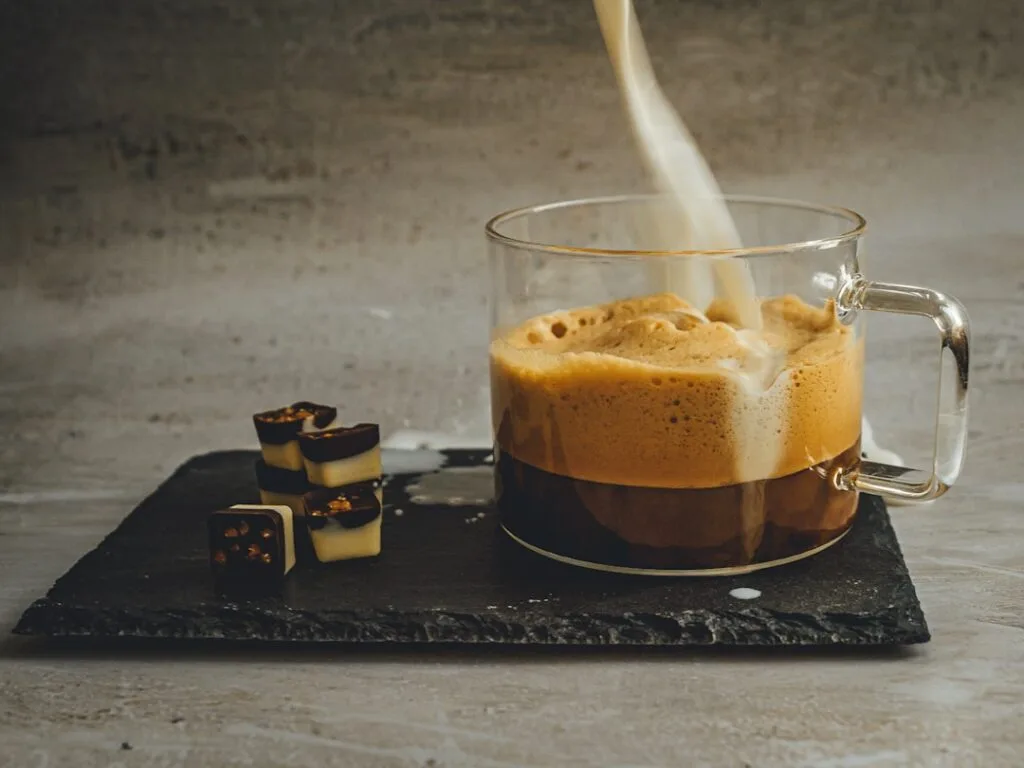
Address: Gelateria Cioccolato e Strudel, Piazza della Consolata 3, 10122 Torino. Hours: daily 09:00–23:00. Specialties: a take-away and frozen reinterpretation of the bicerin (Turin’s classic hot drink made with coffee, chocolate and cream), and Piedmontese strudels filled with apples and pears. Prices: classic bicerin in a cup €3.50, bicerin to-go (small bottle) €4.50, bicerin gelato cup €5.50, slice of strudel €3–€4.50.
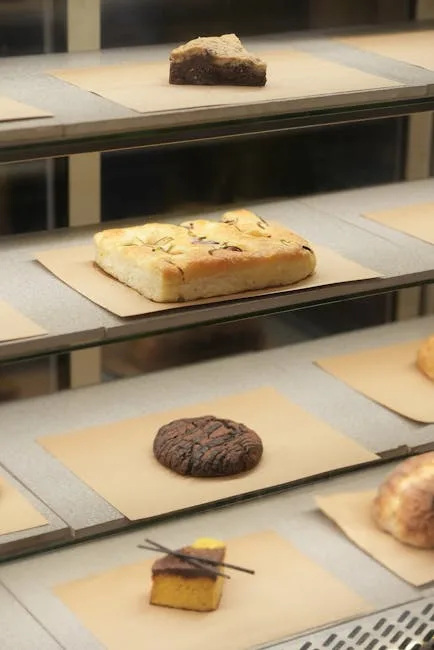
Immersive description: the display window is full of golden puff pastries and marbled chocolate gelato. The reinvented bicerin is served in layers: a hot dark chocolate base, a tight espresso shot, and a light whipped cream—its frozen version keeps the same layered texture in cool, creamy forms. Strudels are made with local caramelized apples, a hint of cinnamon and a buttery, crispy pastry. The place is friendly, with outdoor benches that look onto the Church of the Consolata—perfect for a snack break.
Tips: order a “bicerin freddo” on a hot summer afternoon (the gelato cup) and pair it with a slice of strudel for a typical Turin tasting. If you visit in winter, ask for the “bicerin fumante” (with a lightly brûléed cloud of cream on top) for a near-ritual experience. You can also buy jars of their house chocolate cream to take home (€6–€9).
5) La Bottega del Lampredotto — Small meat sandwiches, Piedmont-style
Address: La Bottega del Lampredotto (specialità locali), Via San Tommaso 8, 10121 Torino. Hours: Tuesday–Sunday 11:30–20:00, closed Monday. While lampredotto is a Florentine specialty, this tiny Turin kiosk adapted the idea to Piedmontese tradition by offering panini stuffed with local braised meats (kidney, tongue, slow-cooked guanciale depending on availability), served with typical sauces (bagnet verd, a parsley-and-caper salsa verde). Prices: meat panini €5–€9, menu option (panino + small salad) €9–€12.
Description: the meat is slowly cooked in a broth scented with mountain herbs and local wine, then shredded and piled onto slightly toasted artisan bread. The texture is melting, spices measured, the sauce brings brightness and acidity. The workshop is tiny; diners eat standing at zinc-topped counters. Service is fast and often bilingual (Italian/English)—the young owners have managed to blend respect for tradition with a modern marketing touch.
Tips: if you’re adventurous, ask for the “porzione mista” (mixed portion) to sample several cuts. Vegetarians can opt for the braised vegetable and melting-cheese version, which is equally satisfying. Warning: portions are rich—plan a stroll after your meal. Cards accepted, and lines can get long at lunchtime.
Conclusion — How to make the most of Piedmont street food in Turin
Street food in Turin isn’t a mere offshoot of haute cuisine: it’s a living expression of Piedmontese terroir, where ingredient quality shows through simple technique. Between bustling markets, family-run focaccerias, traditional stalls and modern kiosks, there’s a wealth of experiences to discover. To get the most out of it: prioritize markets like Mercato di Porta Palazzo for variety and freshness; seek out small neighborhood shops (Via Po, San Salvario, Vanchiglia) for unique focacce and panini; and don’t skip Turin’s sweet classics—the bicerin and strudel—made by artisans loyal to local recipes.
Practically speaking, plan your visits around each spot’s rhythm: mornings for fresh produce and some market stalls, lunchtime for savory bites, late afternoon and evening for bagna cauda, panini and desserts. Bring cash—many small stalls still favor cash—and be ready to share: Piedmontese street food is often designed to be enjoyed in groups or passed around. Always ask for recommendations: owners take pride in their recipes and love to tell their stories—that’s often where you’ll find the day’s best dish.
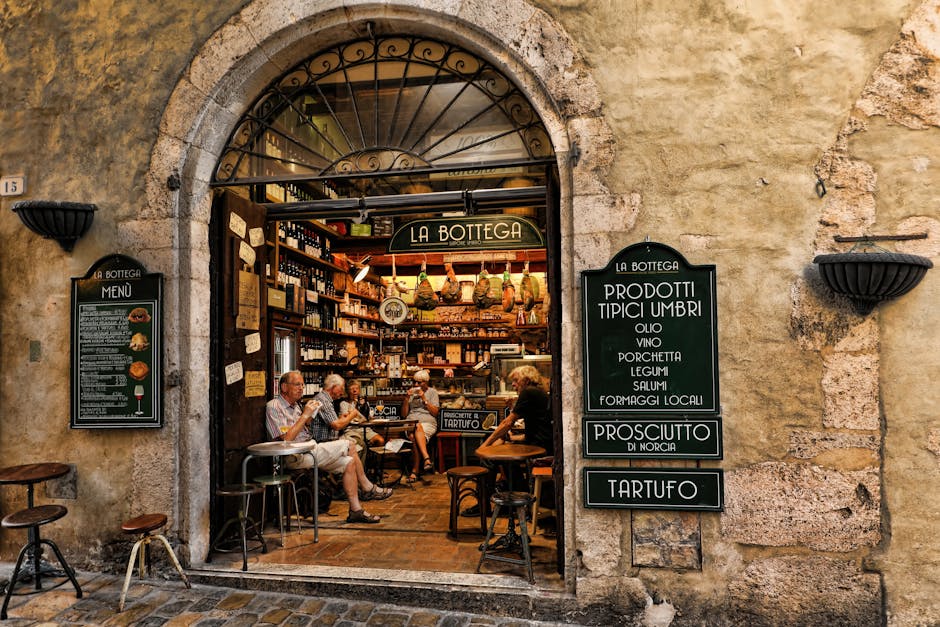
Lastly, stay curious and open-minded: the best discoveries aren’t always the ones listed in guides, but those found while wandering, following the smell of golden bread or stepping into a side alley where a wooden table hides a little culinary gem. Turin offers a street food scene where tradition and creativity meet for memorable tastings. Buon appetito and enjoy exploring Piedmont’s secret little spots!