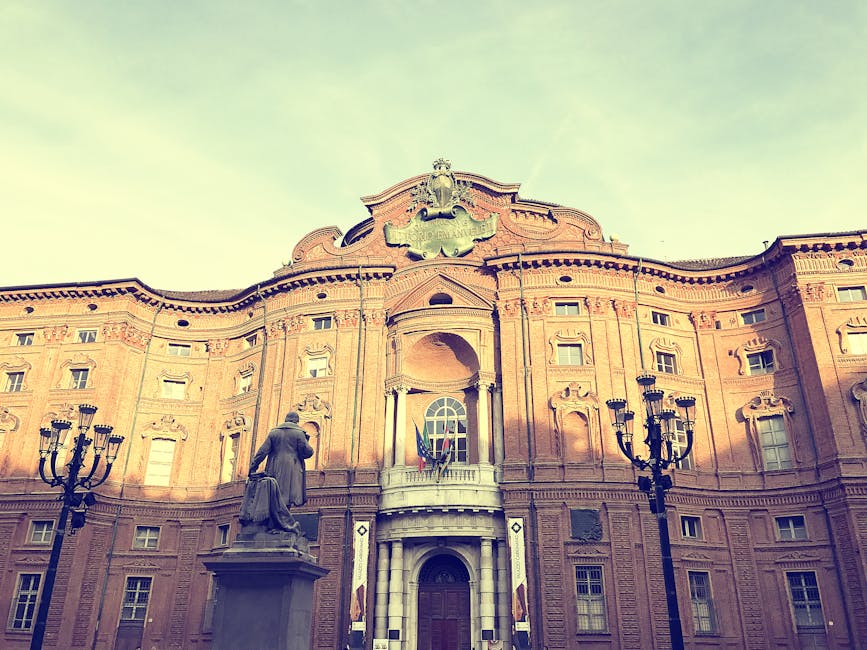





Introduction: Discovering the Hidden Gems of Palazzo Carignano
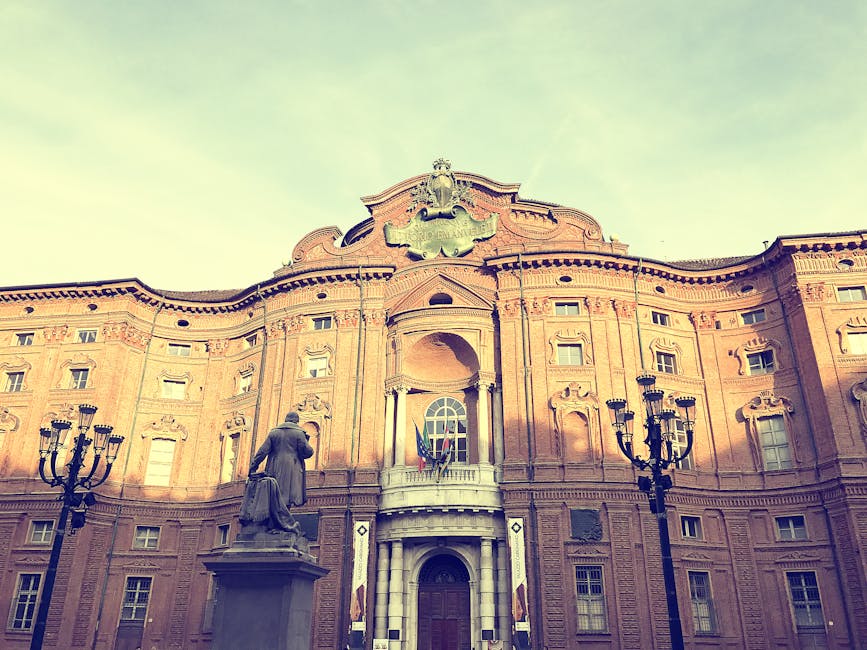
Palazzo Carignano, sitting in the very heart of Turin, is one of Italy’s most captivating Baroque masterpieces. Built in the late 17th century on the square that now bears its name, it’s best known for its undulating façade and its pivotal political role during Italy’s unification: it housed the first Italian Parliament during the Risorgimento and today hosts the Museo Nazionale del Risorgimento Italiano. Yet behind that well‑known reputation the palace hides lesser‑seen treasures — intimate decorated rooms, tucked‑away staircases, archival collections and fine architectural details — all worth lingering over. This guide offers a detailed, practical exploration of those hidden gems, complete with addresses, opening hours, ticket prices and local tips to help you get the most out of your visit.
This guide is aimed at travelers looking for an immersive, contextual experience: history buffs, architecture lovers, photographers and curious cultural explorers. We’ll cover not only the main holdings of the National Museum of the Risorgimento but also peripheral elements often overlooked — vestibules, stylistic cabinets, rooms dedicated to Piedmontese figures, and even the palace’s physical relationship with Piazza Carlo Alberto and the surrounding streets. Practical information (hours, prices in euros, walking routes) is included to make planning your visit easier.
Beyond the museum aspects, you’ll find concrete recommendations: when to visit to avoid crowds, which interior rooms deserve special attention, where to grab a historic coffee after your tour, and how to combine a visit to Palazzo Carignano with other nearby Turin attractions like the Museo Egizio or the Biblioteca Nazionale Universitaria. We’ll also note visitor services (accessibility, audio guides, temporary exhibitions) and practical tips for photographing the iconic Baroque façade without disrupting other visitors.
Because a place is also experienced through images, I’ve added visual cues throughout the article: these markers highlight scenes not to miss and help you picture the palace’s hidden corners. Get ready for a route that’s both scholarly and sensory, where political history blends with Baroque aesthetics and every stone tells a page of Italy’s past.
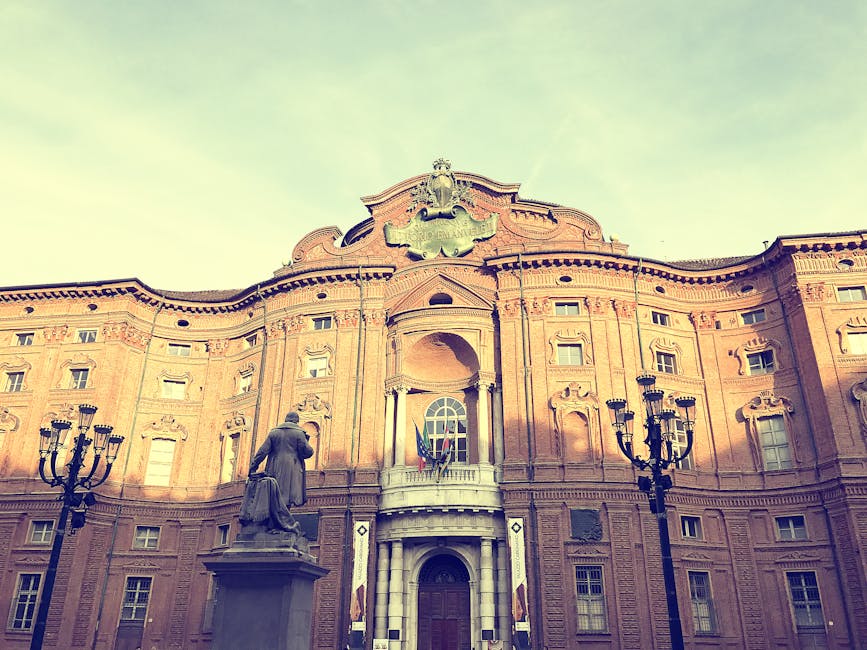
1) Entrance and Vestibule: Your First Contact with History (address, hours, prices)
The main entrance of Palazzo Carignano is on Piazza Carlo Alberto, 8, 10123 Torino TO, Italy. This is where the encounter with Baroque architecture begins: the sinuous façade and warm red stone promise an interior rich in decorative detail. Practical info is key for visitors. The Museo Nazionale del Risorgimento Italiano, housed inside the palace, is usually open Tuesday through Sunday. Typical hours: Tuesday–Sunday, 9:00 AM–6:00 PM (closed Mondays). Please note that hours can change for special events or temporary exhibitions — it’s a good idea to check the official website the day before your visit.
Admission to the museum’s permanent section is generally: full price around €6.50 for adults, reduced around €4.50 (students, seniors, groups), free for under‑18s and often free on certain cultural Sundays. Combined tickets with other Turin museums (for example the Museo Egizio) may be available and can offer savings: expect combined passes to range roughly between €12 and €18 depending on the season. Groups and private guided tours usually require advance booking; a group rate (from 10 people) is commonly offered.
The vestibule itself is worth a contemplative pause: restored frescoes, mouldings, portraits of revolutionaries and introductory panels set out the chronology of the Risorgimento (the period of Italian unification). Don’t miss the small information point and ticket desk, where you can pick up detailed brochures in several languages (Italian, English, French). For photographers: the vestibule’s natural light and the warm tones of the stone make for very photogenic compositions; if you plan to use a tripod, ask staff for permission first.
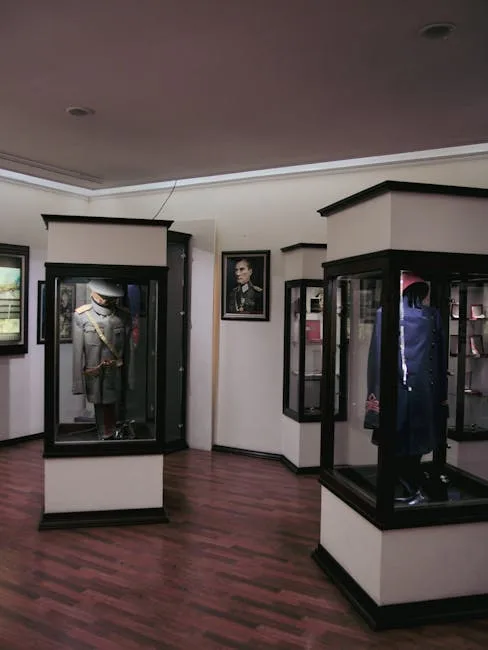
2) The Risorgimento Rooms: Collections, Objects and the Museum Narrative
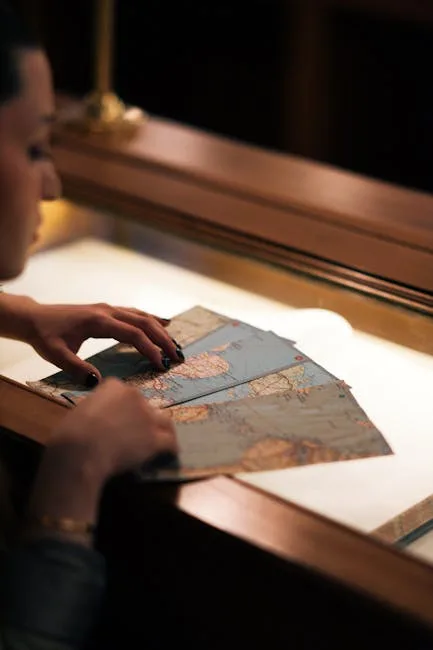
Stepping into the rooms of the Museo Nazionale del Risorgimento Italiano means entering a museum narrative that traces the complex process of Italian unification. The rooms are arranged chronologically and thematically: visitors typically begin at the end of the 18th century and move through uprisings, revolutions, military campaigns and political protagonists. Exhibits include weapons, uniforms, political posters, autographed documents (letters, decrees), flags and rare printed items. Among the most moving objects are personal effects of figures like Camillo Benso, Count of Cavour, and documents related to Vittorio Emanuele II.
The museum labels are generally bilingual (Italian/English) and provide keys to understanding not only events but also their social and cultural implications. Allow about 1.5–2 hours for a full visit, longer if you read the panels closely or listen to audio guide excerpts. Audio guides (available in Italian, English and sometimes French) can be rented at the desk for around €3.00–€5.00 and offer in‑depth commentary on the highlights.
Practical tips: arrive early to avoid school groups and enjoy a more reflective visit. If you’re researching history, the museum’s documentary section holds archives and reproductions consultable by appointment; contact staff via the official email or the number posted at the entrance to arrange access. For families, educational brochures and themed trails for children are sometimes available, making the visit accessible for younger visitors.
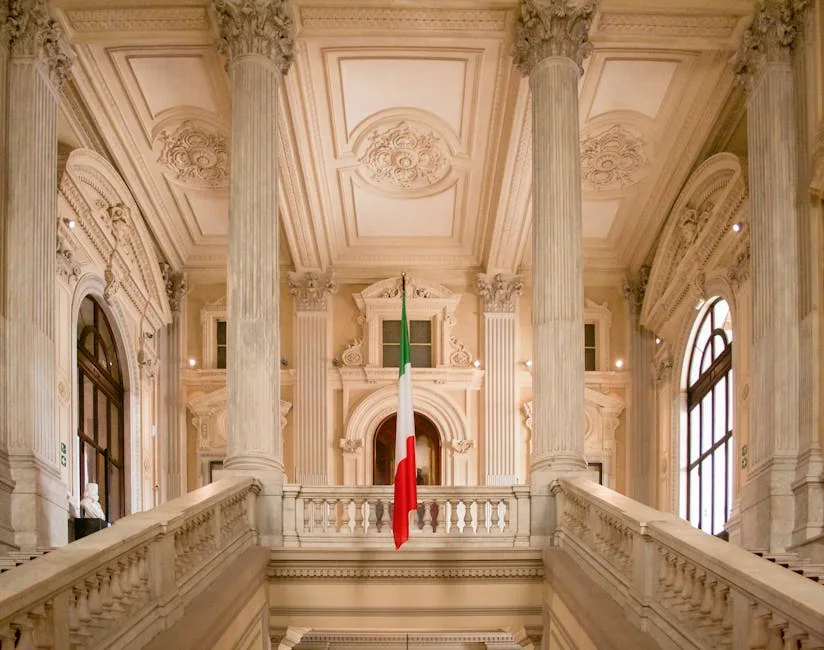
3) Interior Architecture: Staircases, Salons and Overlooked Decorative Details
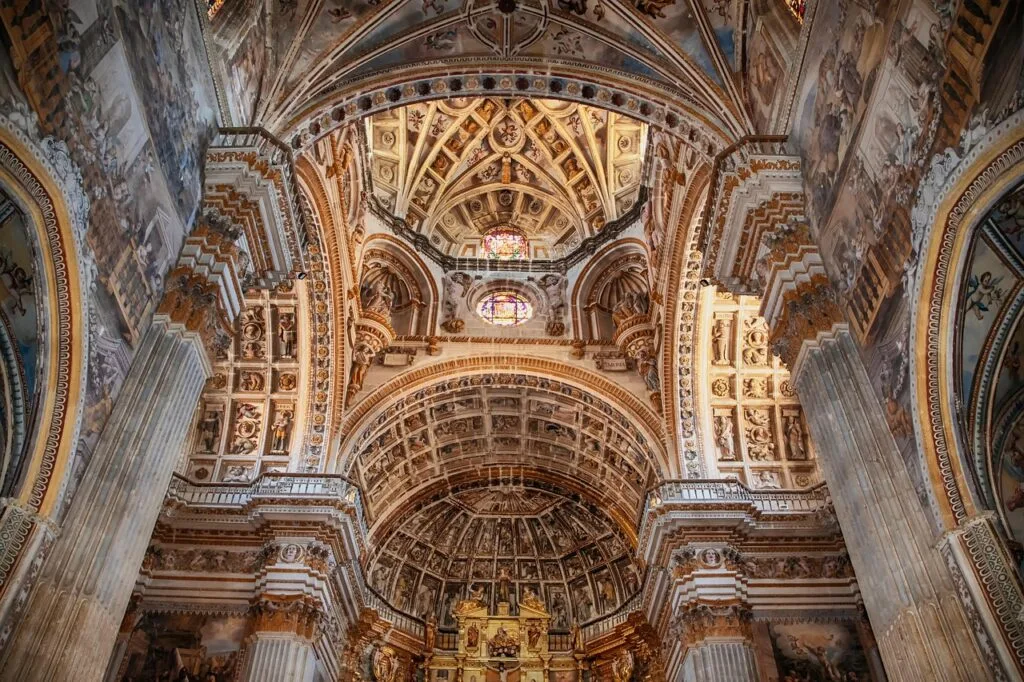
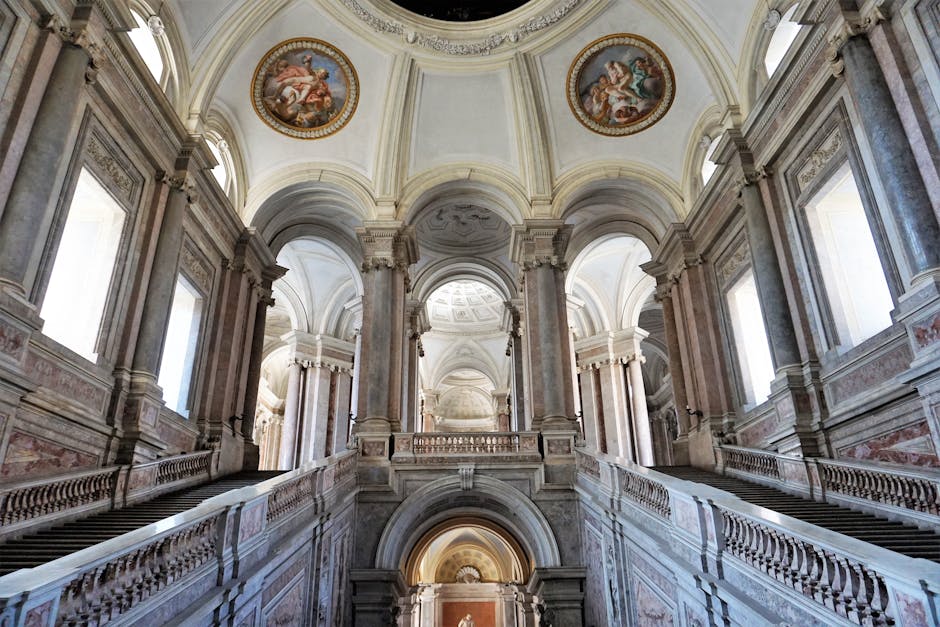
Palazzo Carignano’s charm goes far beyond its collections: the building’s architectural spaces are artworks in their own right. Inside you’ll find monumental staircases, salons adorned with stuccoes and frescoes, delicate cornices and painted ceilings that showcase Piedmontese Baroque craftsmanship. Many visitors focus on the façade and main collection and miss small side rooms that are sometimes closed or only accessible via special tours. These private cabinets — former reception rooms or studies — preserve wood panelling, marble fireplaces and period music boxes.
Take the time to study the keystones, engaged columns and recurring motifs (acanthus leaves, masks, volutes) that shape the palace’s stylistic identity. Some rooms still contain fragments of original furnishings and portraits of the Carignano family. On a special guided tour, the guide can point out details you’d likely miss on your own: discreet inscriptions, restoration retouches and even clues about the building’s structural evolution over the centuries.
Access and photography: while most rooms are open to the public, certain sections may be closed for conservation. Photography without flash is generally permitted, but follow posted signs and staff instructions. For a standout shot, look for natural light pouring through small side windows — it brings out the texture of stuccoes and reveals the walls’ patina. The carved stringer staircases are particularly photogenic and offer dramatic perspectives for architecture enthusiasts.
4) Annex Spaces and Hidden Treasures: Archives, Temporary Rooms and Special Guided Tours
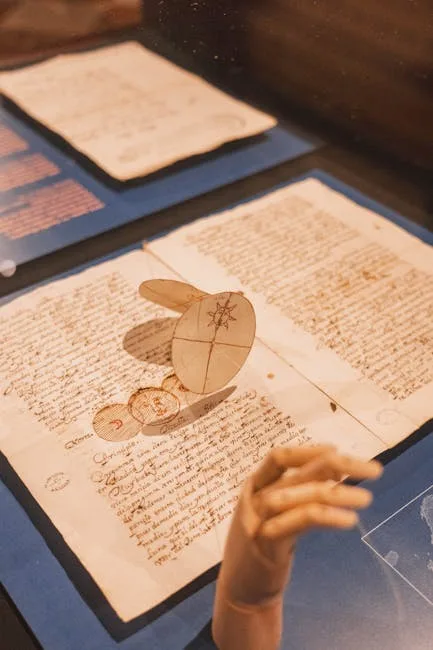
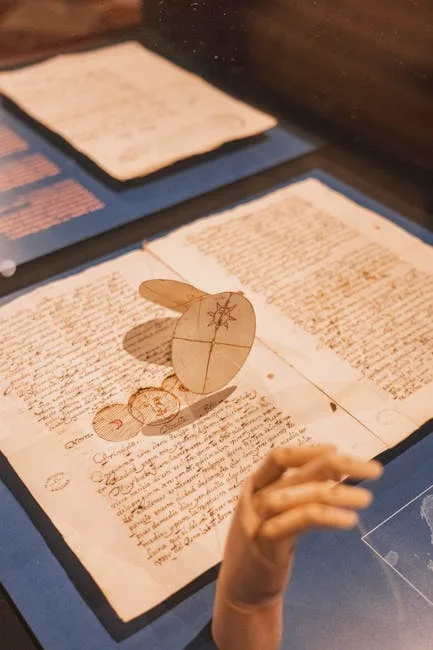
Beyond the standard paths, Palazzo Carignano houses less visible annex spaces that reveal hidden treasures. These include archive rooms containing original documents, diplomatic correspondence and period plans; numismatic cabinets with coins and medals; and temporary exhibition rooms that host thematic shows on varied topics (political history, iconography, art and costume). Archives are normally available by appointment and may require a small fee for document reproductions (e.g. €0.20 per copy, depending on institutional policy).
Special guided tours, often offered during the tourist season or cultural events, grant access to parts of the palace not included in the standard visit and share anecdotes about everyday life in the Carignano household. These thematic tours (for example “The Palace and the Women of the Risorgimento” or “Furniture and Secular Intimacy”) usually last 60–90 minutes and cost between €8 and €12 per person. Booking is recommended via the official website or directly at the ticket office.
Local tips: look out for open days and museum nights — events during which entry can be reduced or free. Students and researchers will find it useful to contact the museum’s servizio educativo (education service) to learn about workshops and available digital resources. Also keep an eye on temporary exhibitions, usually announced a few weeks in advance, which can offer unexpected and fresh perspectives on historical topics.
5) Around the Palazzo: Historic Cafés, Nearby Routes and Practical Advice
Palazzo Carignano sits in a lively neighborhood perfect for a leisurely stroll. After your visit, several nearby spots are worth checking out. Less than five minutes on foot is the Museo Egizio (Via Accademia delle Scienze, 6, 10123 Torino TO, Italy), one of the world’s most important Egyptian museums. Museo Egizio hours: typically Tuesday–Sunday 9:00 AM–6:30 PM (closed Mondays). Indicative ticket prices: full price €18.00, reduced €12.00, with some free entry options; check current rates on the official site.
For a coffee break, try Caffè al Bicerin (Piazza della Consolata, 5, 10122 Torino TO, Italy) — a historic spot to taste Turin’s famous bicerin, a warm drink made with espresso, chocolate and cream. Typical hours: 8:00 AM–8:00 PM; price for a bicerin: around €5.00–€7.00. Another option is Gelateria Pepino (Piazza Carignano, 8A, 10123 Torino TO, Italy) for artisanal gelato: usually open from 10:00 AM to 11:00 PM, with a single scoop costing about €2.00–€3.00.
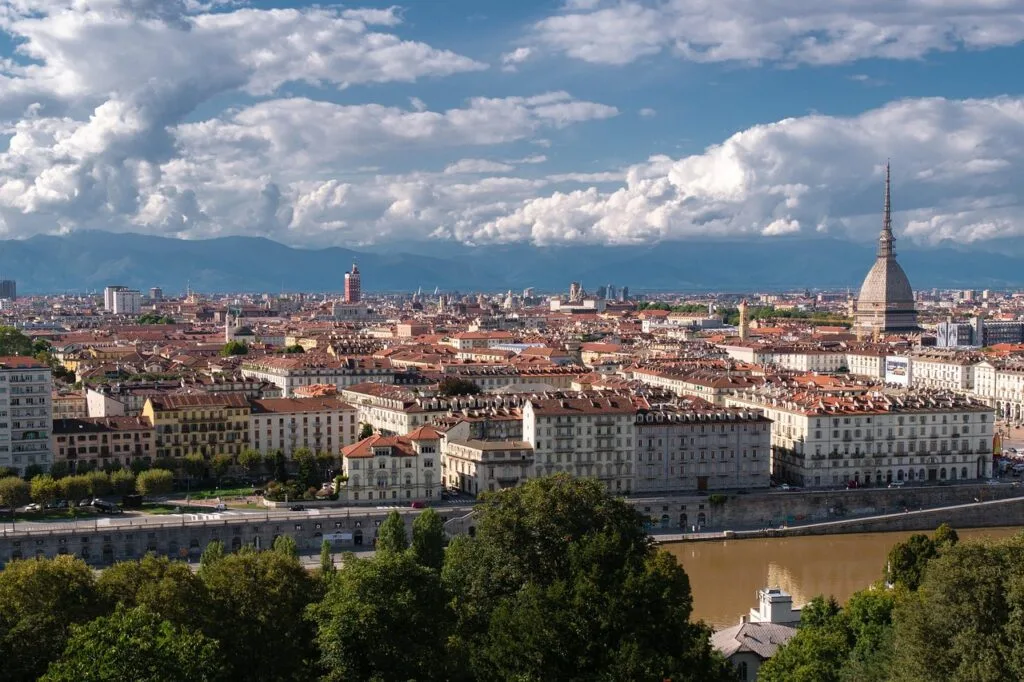
Suggested routes: combine Palazzo Carignano with a walk along the Po river or a visit to the Mole Antonelliana (Via Montebello, 20, 10124 Torino TO, Italy) — the national cinema museum with a stunning city panorama. Take time to browse nearby antique shops and local markets (for example Mercato di Porta Palazzo on Saturday mornings for a lively glimpse into Turin’s commerce). The area is well served by public transport (trams and buses); the nearest metro station is Re Umberto (M1 line), about a 10–15 minute walk away.
Conclusion: Why Palazzo Carignano Is a Must‑See in Turin
Palazzo Carignano is far more than a museum: it’s a living place where history, architecture and civic memory intersect. By lingering over its rooms, staircases and archives you gain insight into the complexities of the Risorgimento and the imprint left by major historical figures. The palace’s hidden treasures — small decorated rooms, rare documents, and areas seldom open to the public — provide a complementary experience to Turin’s big attractions and let you understand the city on a more intimate level.
Practically speaking, plan your visit: check with the Museo Nazionale del Risorgimento Italiano ticket office (Piazza Carlo Alberto, 8, 10123 Torino TO, Italy) for exact hours and to reserve guided tours. Budget accordingly: standard admission around €6.50 with reduced options and reasonably priced audio guides. Combine the visit with other Turin experiences — Museo Egizio, Mole Antonelliana, historic cafés — to build a full, coherent day. Remember the practical tips: arrive early, favor weekdays to avoid crowds, ask about temporary exhibitions and special tours, and consult staff if you want archive access or a themed visit.
Finally, give yourself time to simply sit on a bench in Piazza Carlo Alberto and watch the palace’s curved façade in the evening light: the building reveals a more intimate, almost private side then. Those small moments — a slightly open door, a carved detail, an old document studied quietly in an archive room — are the true treasures of Palazzo Carignano. Whether you’re passionate about history, a photographer, or just curious, this palace will offer discoveries that are both scholarly and sensory, memorable and inspiring.