





Introduction: Palaces and Power in Turin, Capital of the House of Savoy
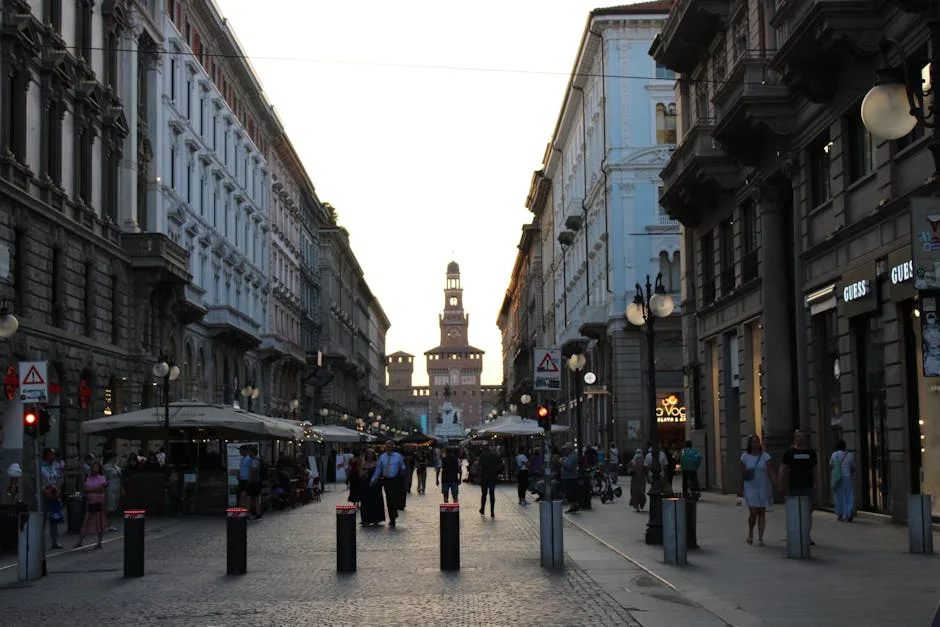
Turin is more than an industrial and culinary hub; it’s a historic capital of power, ceremony and royal urban design. Between the banks of the Po and the elegant arcades of the city centre, the palaces of the House of Savoy tell several centuries’ worth of stories about authority, decorative arts and continental ambition. This guide offers a general immersion in the places that shaped Savoyard power: royal residences, museums housed in palaces, and urban compositions where the logic of rule and representation is still legible.
The House of Savoy transformed Turin into a state capital in the 17th and 18th centuries: ministries, ceremonies and festivities took place in buildings with solemn façades, inner courtyards and ceremonial staircases. Children, first-time visitors and history lovers will find more than stone here: armour collections, state apartments, private chapels and archives that speak of diplomacy, war and modernization. The royal palaces, often clustered around Piazza Castello, provide a full reading of the rites of power — from receiving ambassadors to displaying dynastic prestige.
In this guide you’ll find practical, precise information: exact addresses, typical opening hours, indicative prices in euros and local tips to make the most of your visits (best times, combo tickets, accessibility). We’ll cover the Palazzo Reale di Torino (Piazza Castello), Palazzo Madama (Piazza Castello), Palazzo Carignano (Piazza Carlo Alberto) and the Mole Antonelliana housing the National Museum of Cinema (Via Montebello). We’ll also include a short trip to the Reggia di Venaria Reale (Piazza della Repubblica, Venaria) — a suburban residence that illustrates the territorial reach of the Savoy.
Each site is described with attention to detail: interior layouts (rooms, frescoes, furnishings), collections (armouries, tapestries, decorative arts), and practical advice (where to buy tickets, how to avoid queues, recommended cafés and bookshops nearby). The approach also aims to convey atmosphere: autumn light filtering through the Palazzo Reale’s windows, the rustle of recreated royal gowns, the Mole Antonelliana’s striking verticality. Get ready for a visit that blends political history, art and sensory experience.
Palazzo Reale di Torino: Ceremonial Heart and Royal Apartments
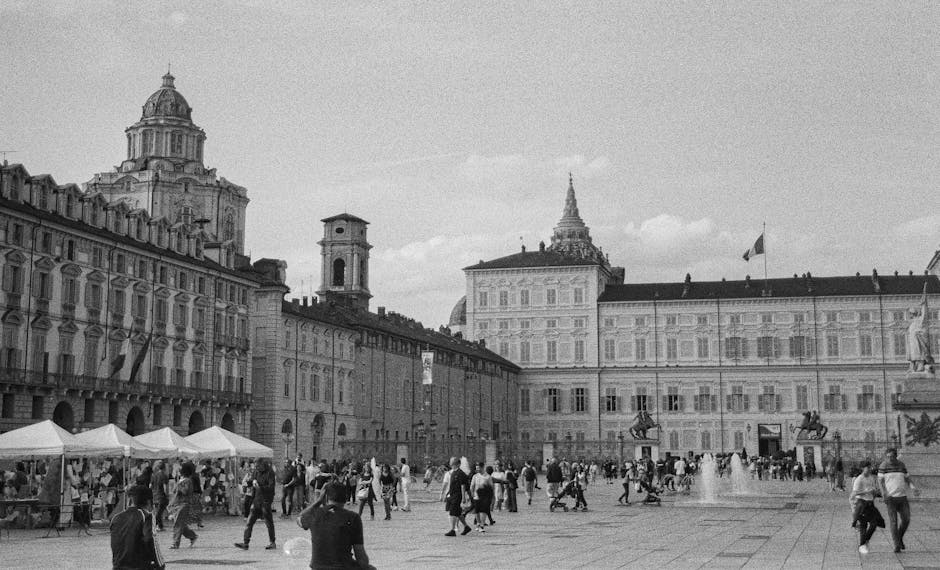
The Palazzo Reale di Torino, at Piazza Castello 10124 Torino TO, is the symbolic pivot of Savoyard power. Once the official residence of dukes and later the kings of Savoy, it now functions as a well-preserved museum complex. The main entrance faces the wide Piazza Castello, opposite Palazzo Madama and the baroque frame of the Galleria Subalpina. Exact address: Palazzo Reale, Piazza Castello 103, 10124 Torino TO, Italy (numbers vary by entrance — look for the main doorway on the square).
Opening hours: generally open daily from 9:00 to 18:30 (last admission 17:30). Closed on some public holidays; check the official site before you go. Prices: combined ticket for the Royal Palace + Armoury + Chapel of the Holy Shroud around €12–€15 for an adult; discounts for students, seniors and groups (indicative — confirm at the ticket office). Gardens and courtyards are often free or available at a reduced rate.
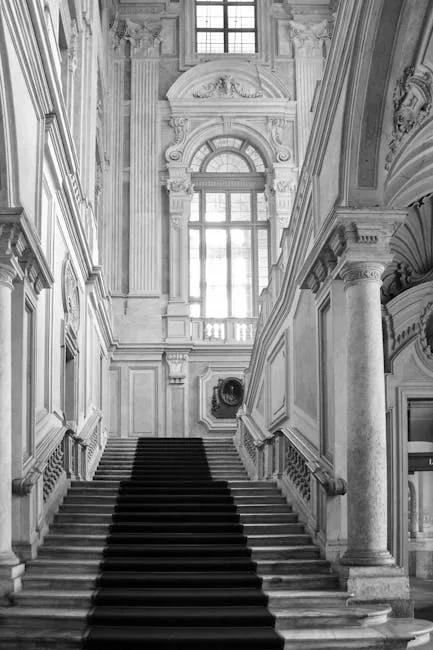
Immersive description: step through the main door and climb the great ceremonial staircase; polished stone, coffered gilded ceilings and frescoes amplify the sense of pageantry. The Appartamenti Reali showcase state rooms, a study and bedrooms furnished either with original pieces or faithful restorations. The Cappella della Sacra Sindone (Chapel of the Holy Shroud) contains the religious and political history of the royal house, a prime example of how monarchy blended the sacred and temporal realms.
Practical tips: aim to visit first thing in the morning to avoid tour groups. Buy a combined ticket at the desk or online to save time. For photographers, early side light brings out the warmth of the woodwork and gilding. Nearby: Bar Cavour (Via Pietro Micca 23, open 8:00–20:00) is a good spot for coffee after your visit. Be aware that temporary exhibitions can alter routes and opening times.
Palazzo Madama and the Theatre of Public Representation
Palazzo Madama, rising in the centre of Piazza Castello (Piazza Castello, 10122 Torino TO), embodies a dual role: seat of civil power and a monument to public representation. Exact address (Piazza Castello 1, 10122 Torino TO) points to a building that layers medieval remains, baroque façades and neoclassical interventions. The palace houses the Museo Civico d’Arte Antica (Civic Museum of Ancient Art).
Opening hours: typically open from 9:30 to 17:30 (closing times vary by season). Admission: around €8–€10 for a general ticket; discounts for young people and seniors. Look for combo tickets with neighbouring palaces to save money. The palace features an impressive reception hall and a terrace overlooking Piazza Castello, perfect for photographing the urban alignment that reinforces the centre’s authority.
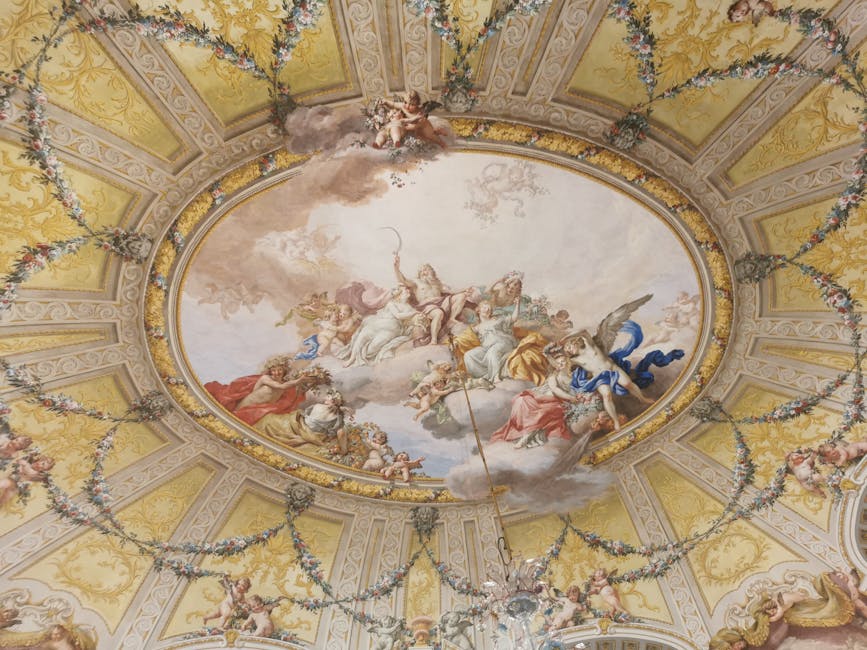
Immersive visit: start at the medieval level, where foundations reveal an ancient tower and moat — tangible traces of urban control. Move up to discover salons, sculptures, tapestries and liturgical objects that display wealth and prestige. The museum route is designed to tell Turin’s political story through art: portraits of rulers, diplomatic gifts and pieces of goldsmithing.
Local tips: don’t miss the terrace overlooking the square at sunset, when the evening light transforms the façades. Buy the audio guide at the ticket desk for anecdotes and deeper context. For accessibility, the main entrance has facilities for visitors with reduced mobility, though some historic rooms retain staircases; ask at reception for an adapted route.
Mole Antonelliana and the National Museum of Cinema: Verticality as Symbolic Power
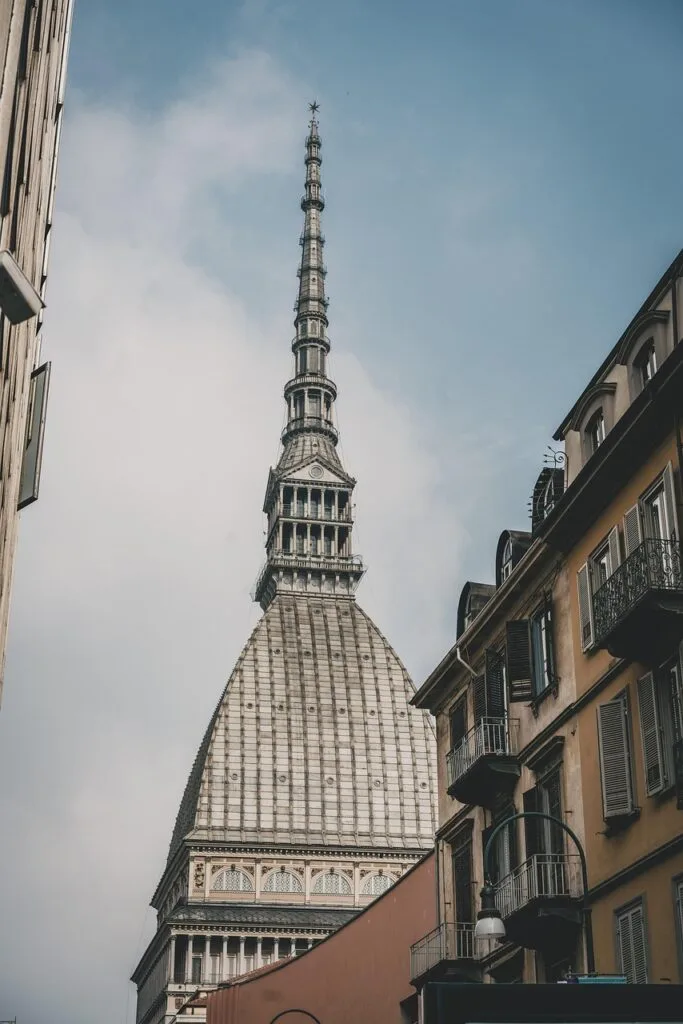
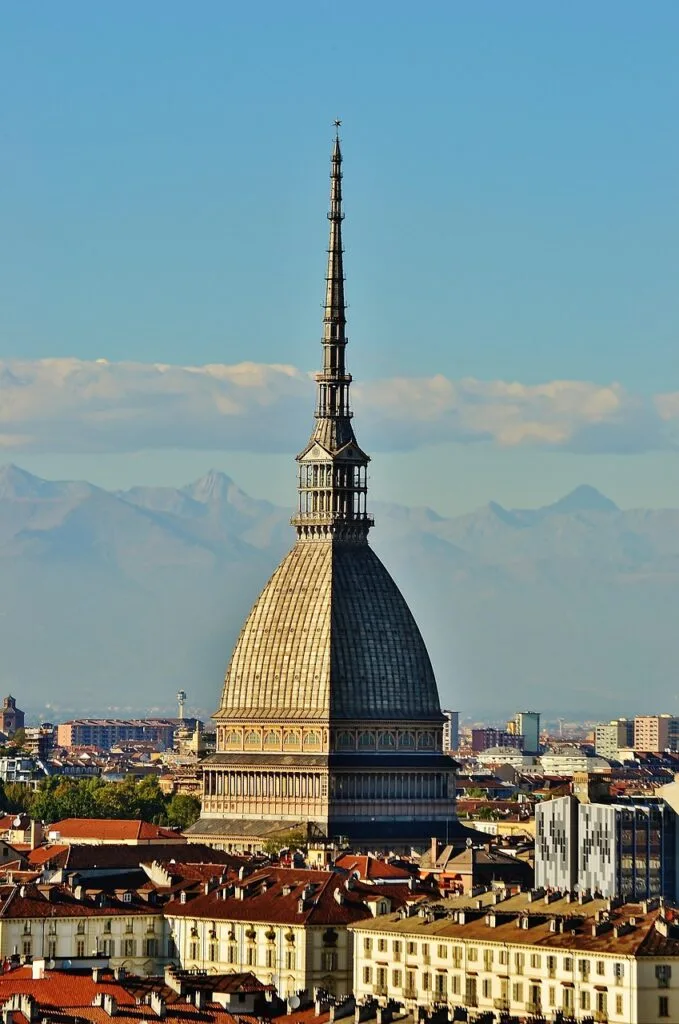
The Mole Antonelliana, at Via Montebello 20, 10124 Torino TO, is an architectural figure whose role — while not palatial — contributes to the story of Turin’s power and identity. Originally conceived as a synagogue and later transformed into a civic symbol, it now houses the Museo Nazionale del Cinema. Address: Mole Antonelliana, Via Montebello 20, 10124 Torino TO.
Hours and prices: commonly open 9:00–19:00 (times vary with season and special events). Standard museum ticket around €10–€15; the panoramic lift to the summit terrace is often included or offered as a paid option (check at the desk). Discounts for young people, families and evening openings. The museum blends immersive scenography with technical collections, making it an essential stop after visiting the palaces.
Immersive experience: the Mole’s hollow interior creates a dramatic vertical space: the walkways and metal structure invite visitors to look upward, a metaphor for power rising. The museum rooms chart cinema’s history with projectors, sets, posters and original equipment. From the panoramic terrace, views over Turin’s roofs and the distant Alps recall the city’s strategic and symbolic position.
Practical advice: arrive early to enjoy the light on the glazing and avoid crowds during the ascent. The museum is popular with families; skip-the-line tickets and themed guided tours (for example on the history of Italian cinema) are often available. Nearby, the Quadrilatero Romano neighbourhood has great trattorie for lunch (for example Trattoria dei Savoia, Via Sant’Agostino 12).
Day Trip to the Reggia di Venaria and the Suburban Residences
To round out a palace itinerary, a trip to the Reggia di Venaria Reale (Piazza della Repubblica 4, 10078 Venaria Reale TO) is a must. This residence, 15–20 minutes by car or reachable by train + shuttle from Torino Porta Susa, is part of the UNESCO-listed Residences of the House of Savoy. Hours: generally 9:00–19:00 in high season; pricing: single tickets €12–€18 depending on exhibitions and gardens; family packages and discounts available.
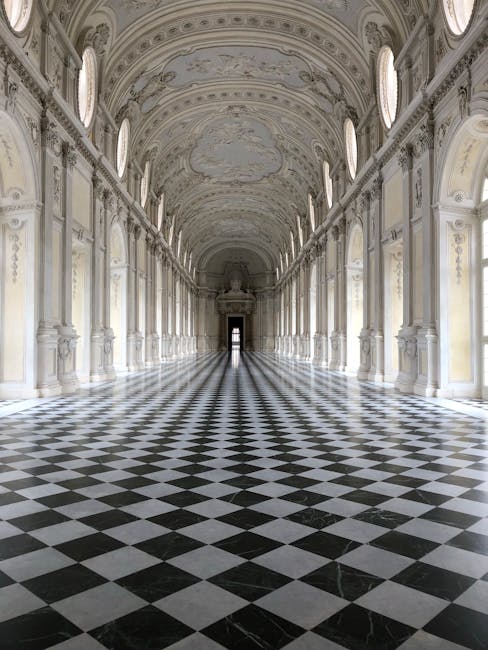
Immersive description: the Reggia unfolds in vast apartments, reception halls and restored French-style gardens. Long perspectives, reflecting pools and bosquets recreate the image of a monarchy that aimed to rival Versailles. Inside, tapestries, gilding and court theatres recount lavish celebrations and the ceremonial life of the royal household.
Local tips: combine this visit with a joint ticket if you plan to see Parco della Mandria or other residences. Book online in high season to avoid queues. The site often hosts temporary exhibitions (fashion, decorative arts) worth seeing. For food, the on-site Caffetteria della Reggia provides a pleasant break; plan roughly €10–€25 per person for lunch.
Conclusion: Reading Palaces as a Map of Power
Turin’s palaces — from the Palazzo Reale to the Mole Antonelliana, via Palazzo Madama and the Reggia di Venaria — form a coherent network of places where the political, religious and social history of the House of Savoy can be read. Visiting these buildings means passing through successive layers of representation: the grand staircase evokes ceremony, the chapel the sacralization of power, the weapons collection a capacity for coercion, and the gardens a symbolic mastery of territory. Each room, piece of furniture or painted ceiling plays a specific role in this theatre of power.
Practically speaking, plan for queues and opening times: favour morning or late-afternoon visits, opt for combined tickets (Palazzo Reale + Armoury; Mole + lift) and always check accessibility options if needed. Think about buying online for popular temporary exhibitions and contact the tourist offices (IAT Torino, Piazza Castello, information open 9:00–18:00) for specialist guides or themed tours about the House of Savoy.
Finally, leave time to soak in the atmosphere: sit for a moment on a palace terrace, watch how the light alters the marbles, listen to guides recount intrigues and alliances. Beyond dates and addresses, Turin has a rare ability to make the relationship between space and authority tangible. These palaces are not mere backdrops: they are instruments, crafted to speak — and if you listen, they tell you the delicate art of governance, representation and memory.