





Introduction: Inside the Royal Apartments of Turin’s Palazzo Reale
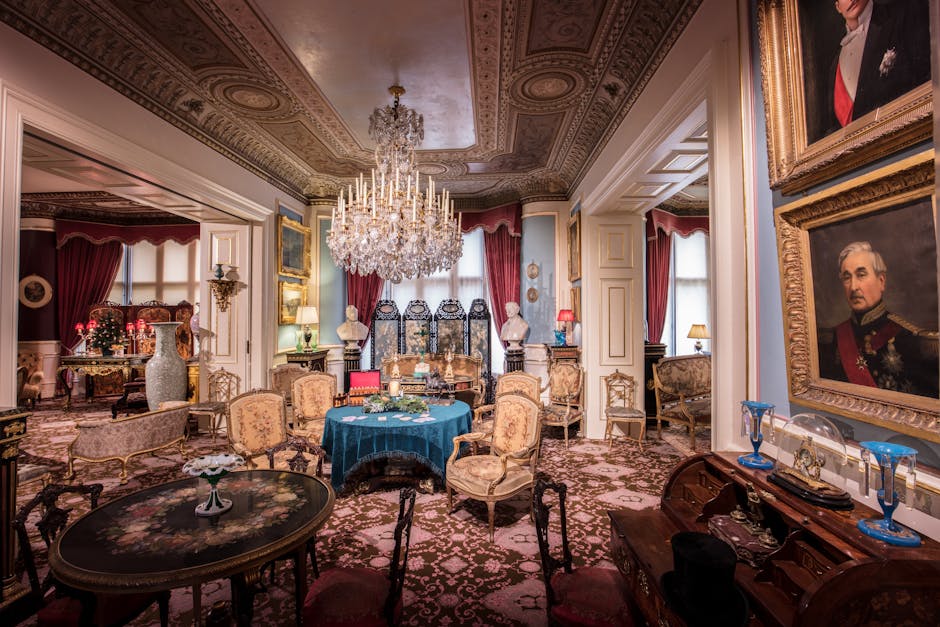
In the heart of Turin, on the grand Piazza Castello, the Palazzo Reale di Torino stands as one of the most powerful reminders of the former splendor of Europe’s ruling houses. Once the official residence of the House of Savoy, the palace gradually amassed centuries of art, furnishings, tapestries and sumptuous decor. The royal apartments, now open to the public as part of the Musei Reali Torino network, offer a near-theatrical immersion into the daily and ceremonial life of the kings and queens who shaped Piedmontese and Italian history. Walking through these rooms is like stepping into a world where every chandelier, gilt detail and portrait tells a political, familial and cultural story.
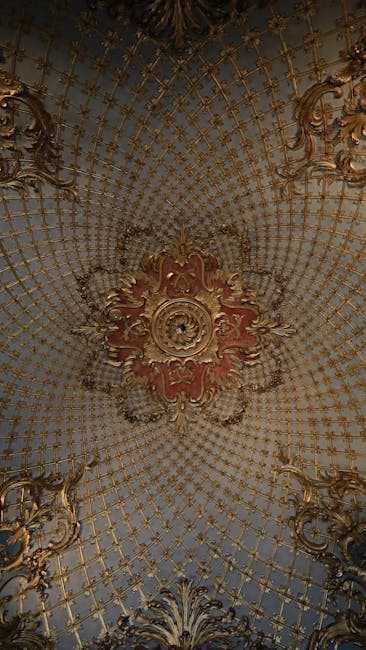
The experience goes beyond admiring precious objects: the spaces reveal power strategies — how internal architecture was designed to impress visitors, gather the court, or preserve the sovereigns’ privacy. The apartments include public areas (state rooms, reception halls), private quarters (bedrooms, studies) and service rooms now restored to convey an atmosphere as faithful as possible to the Baroque and Neoclassical eras. Recent restorations by the Musei Reali teams have brought colors, textures and inlaid and stucco details back to life, making them almost tangible.
Visiting these apartments fits into a wider cultural itinerary: the Palazzo Reale shares Piazza Castello with the Teatro Regio di Torino, the Biblioteca Reale and the Palazzo Madama. Nearby, the Museo Egizio (Via Accademia delle Scienze, 6, 10123 Torino TO) and the Cattedrale di San Giovanni Battista (Duomo di Torino) (Piazza San Giovanni, 2, 10122 Torino TO), home to the famous Chapel of the Holy Shroud, round out a day of exploration. This concentration of monuments makes the neighborhood the historic and cultural core of the city, easily walkable or reachable by public transport from Torino Porta Nuova station.
This in-depth guide not only provides an evocative, immersive description of the royal apartments but also practical, up-to-date information: exact addresses, opening hours, ticket prices in euros, the best times to visit, tips for avoiding lines, suggested themed routes and logistical advice (tickets, transport, dining). You’ll also find visual cues to help prepare your camera and set your expectations. Whether you’re a history buff, photographer, traveler looking for off-the-beaten-path routes, or simply curious about palace architecture, this article outlines a visit that combines depth, comfort and enjoyment.
History and architecture of the apartments: from public power to private life
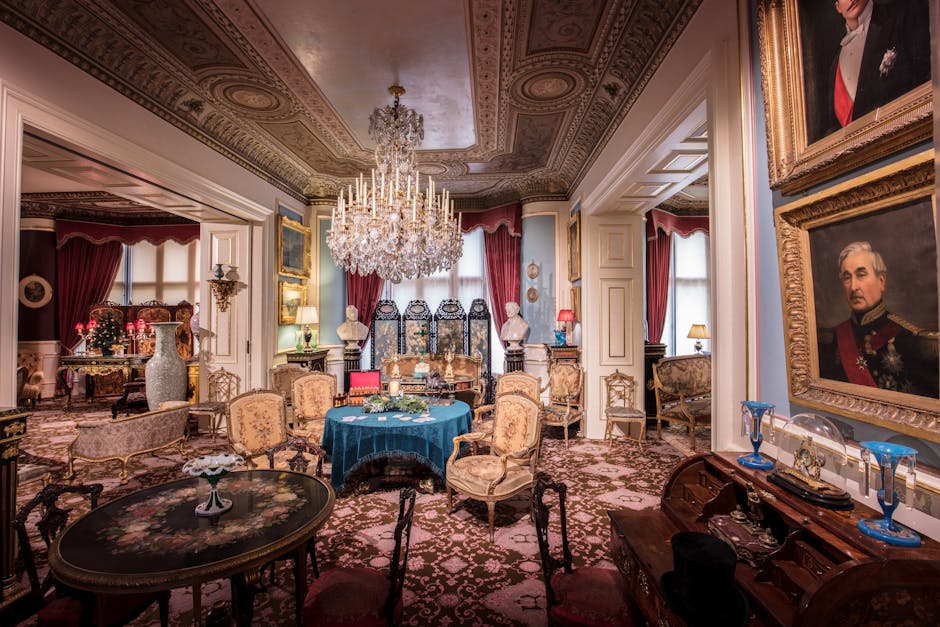
The royal apartments of the Palazzo Reale trace the evolution of princely living from the 17th to the 19th century. The palace’s current layout is the result of successive developments begun by the House of Savoy in the 17th century, reworked in the 18th under Baroque influence and later enriched with Neoclassical interventions in the 19th. The interior architecture balances grandeur and intimacy: state rooms (Salone d’Onore, Galleria delle Stagioni) were built to receive diplomats and nobles, while the private rooms (Camera della Regina, the king’s study) reveal more personal aesthetic choices, from color palettes and hangings to furniture.
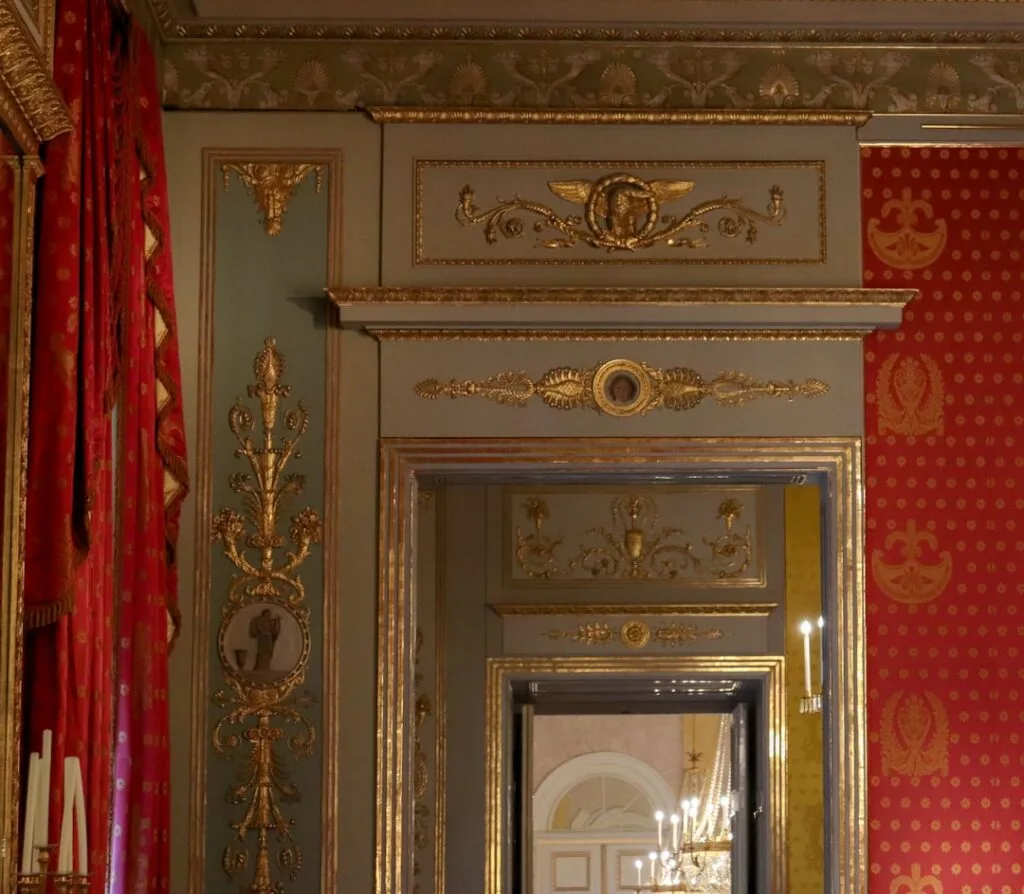
One of the standout rooms is the Camera da Lavoro del Re, where decor, wood paneling and murals reflect a scenography meant to assert royal authority. The carved wooden panels, often gilded, contrast with allegorical paintings celebrating peace, justice and power. The Galleria delle Stagioni features a sequence of alcoves and paintings representing the four seasons, a classic metaphor for the permanence of power. Flemish tapestries and parquet inlays add a sensory dimension that recreates not only the visual look but also the hushed, acoustic atmosphere of the historic salons.
The visit also highlights the importance of local workshops: Turin’s goldsmiths, cabinetmakers, mosaicists and stucco artists whose craftsmanship made the palace unique. Recent restorations have revealed old techniques such as gold leaf gilding, marquetry using precious woods and silk fabric restoration. Room labels and panels, available in Italian and English, explain the processes and historical contexts, enabling visitors to grasp the artistic and artisanal production chain behind these remarkable apartments.
Must-see rooms: detailed descriptions and suggested route
To get the most from your visit, follow a logical route that starts with the most public rooms and moves toward the private areas. Begin in the Salone d’Onore (Hall of Honor), a vast reception room with painted ceilings and crystal chandeliers. Here, frescoes depict mythological episodes and monarchical allegories, while large windows offer views over Piazza Castello. Exact address: Palazzo Reale di Torino, Piazza Castello, 191, 10122 Torino TO, Italy. Opening hours: Tuesday–Sunday 09:00–19:00 (last entry 18:00). Indicative price: Full ticket €12.00, reduced €6.00. Audio guide: €3.00; themed guided tours: around €8.00–€10.00 by reservation.
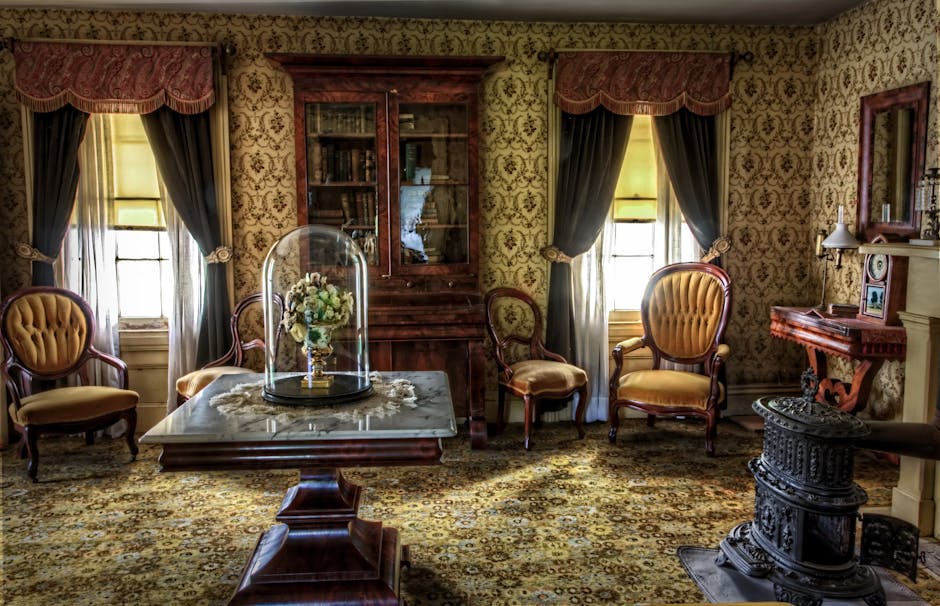
Continue to the Galleria delle Stagioni, a space whose sequence of painted scenes evokes nature’s cycles and the calendar of public ceremonies. Tapestries and gilded frames structure the viewing experience. This gallery naturally leads to the Camera della Regina, the queen’s bedroom restored with period furniture, silk textiles and gilded bronze chandeliers. The room recreates the palace’s feminine intimacy: small personal items, dressing tables, chests and portraits of ladies give a domestic perspective on the public role.
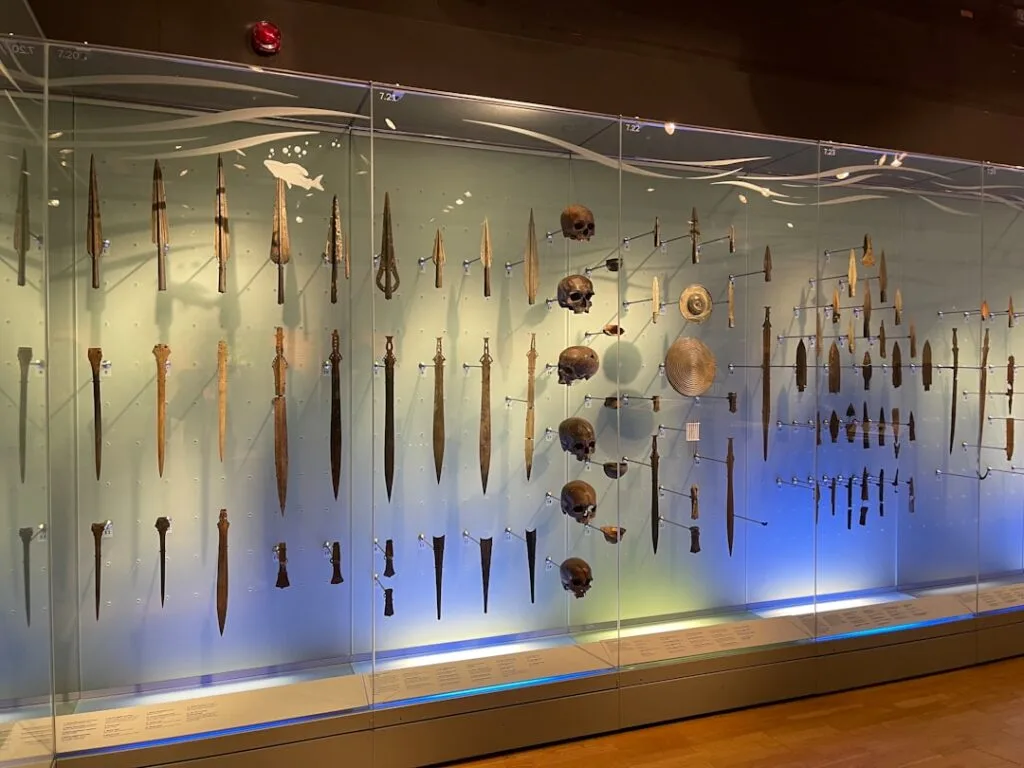
Finally, don’t miss the Appartamento del Re and its study, which contain maps, desk items and seating for private audiences. These rooms present a discreet but effective staging of power: the proximity of advisers, documents at hand and decor designed to command respect. Nearby, the Armeria Reale (Royal Armory) displays armor, weapons and relics that testify to military strength and dynastic alliances. Armory address: Piazza Castello, 10122 Torino TO. Combined tickets with Palazzo Reale are commonly available (combined full ticket approx. €15.00; reduced €8.00 depending on season and temporary exhibitions).
Practical information: hours, tickets, accessibility and local tips
Main address and contact: Palazzo Reale di Torino, Piazza Castello, 191, 10122 Torino TO, Italy. General opening hours: Tuesday–Sunday 09:00–19:00 (last entry 18:00). Closed Mondays (check public holidays and special exhibitions). Tickets: available on site or online via the official Musei Reali Torino website. Indicative prices (confirm on the official website before your visit): full ticket €12.00, reduced ticket €6.00 (eligible young people, seniors, school groups — valid ID required). Combined Armeria Reale/Palazzo Reale ticket: around €15.00 full, €8.00 reduced. Audio guide: €3.00; themed guided tours: €8.00–€10.00.
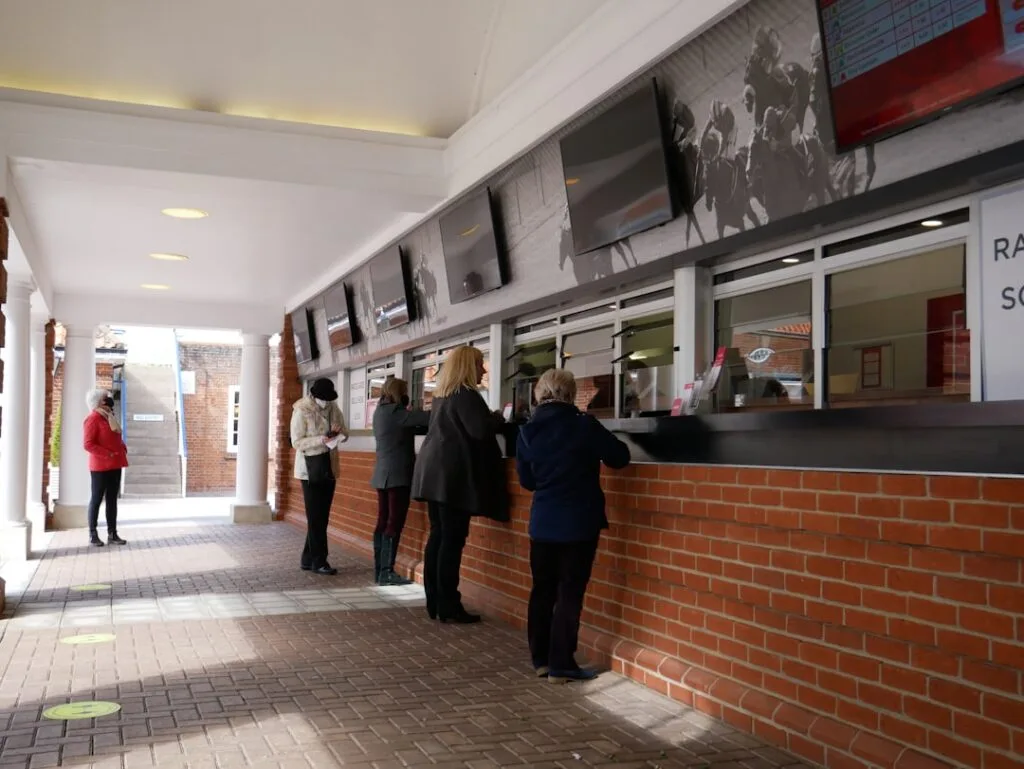
Booking tips and avoiding queues: buy tickets online and select a specific time slot. Mornings (opening 09:00–11:30) are generally quieter before tour groups arrive. In high season (April–October) and on weekends, allow at least 1.5–2 hours for a full visit to the apartments and the Armory. For a deeper experience (with a themed guided tour), reserve a half-day.
Accessibility: the Palazzo Reale has made efforts to accommodate visitors with reduced mobility: there are lifts and ramps, though some historic rooms may retain old thresholds or narrow passages. Wheelchair users should notify the reception team for any necessary arrangements. Pets: animals are not allowed except for assistance dogs. Photography: non-flash photography is generally permitted in certain rooms; check the signs at each entrance.
Transport and parking: the palace sits in the historic center and is very well served. Nearest station: Torino Porta Nuova (Piazza Carlo Felice) — about a 10–15 minute walk. Trams and buses: tram lines No. 4 and No. 15 and numerous bus routes serve Piazza Castello. Metro: Porta Nuova connects multiple lines. Parking: paid parking is available around Piazza Castello and on adjacent streets; favor official car parks (e.g., Parcheggio Piazza Carlo Felice) for reasonable hourly rates. Tip: choose cycling or walking to explore the historic center and avoid time spent hunting for parking.
Complementary experiences and themed routes around the Palazzo Reale
A visit to the royal apartments can be part of several themed routes depending on your interests: art and decoration, military history, the House of Savoy, or a garden stroll. Here are practical suggestions to extend your visit and build a half-day or full cultural day.
1) « Culture & Antiquities » route: After the Palazzo Reale (Piazza Castello, 191), head to the Museo Egizio (Via Accademia delle Scienze, 6, 10123 Torino TO), one of the world’s most important Egyptological museums. Recommended time: 2 hours. Indicative price: €19.00 full (check combined offers with the Musei Reali). Then cross Piazza San Carlo for coffee at the historic Caffè Mulassano (Piazza Castello area) or try the famous « bicerin » at Caffè al Bicerin (Piazza della Consolata, 5bis, 10122 Torino TO).
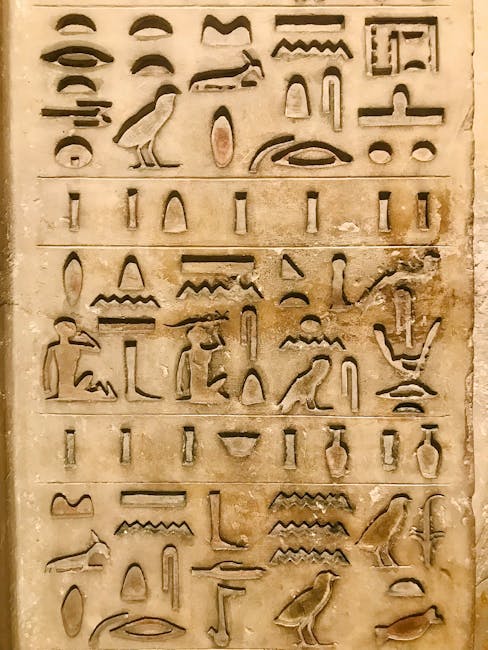
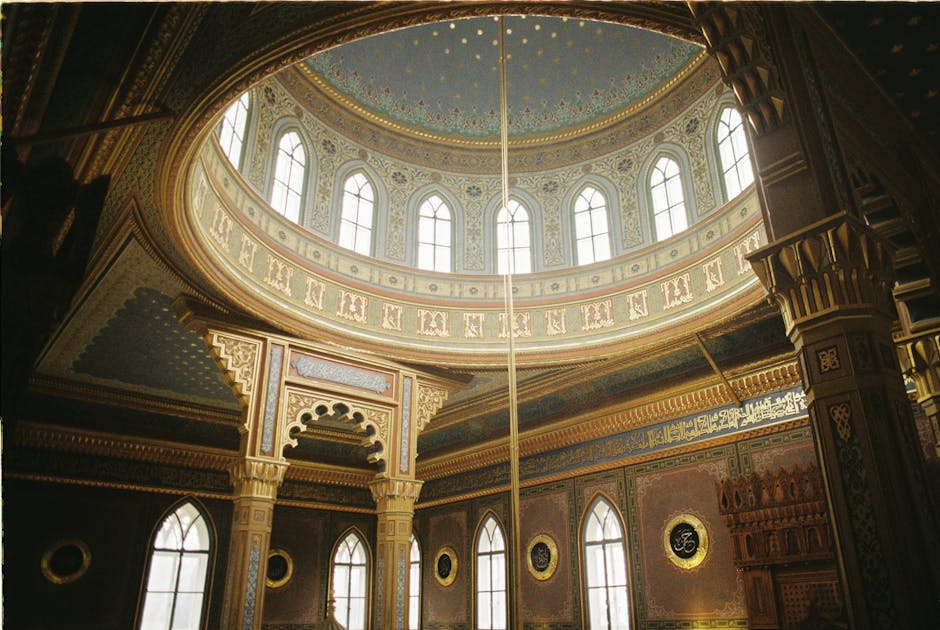
2) « History & Spirituality » route: After the palace, visit the Cattedrale di San Giovanni Battista (Duomo di Torino) (Piazza San Giovanni, 2) and the nearby Cappella della Sindone. Duomo address: Piazza San Giovanni, 2, 10122 Torino TO. Hours: variable, often 08:00–19:00; Chapel hours are announced locally. This route puts temporal and spiritual power in conversation within Turin’s urban fabric.
3) « Garden stroll » route: Finish at the Royal Gardens (Giardini Reali / Piazzetta Reale, adjacent to Piazza Castello), a green haven for relaxation. Restored and open to the public, these gardens are perfect for a break after the visit. There are shaded areas, fountains and scenic photo spots. Entry is free or regulated by the museum rules.
4) Food & drink: For lunch, favor traditional Piedmontese establishments nearby: Ristorante Del Cambio (Piazza Carignano, 2) for a historic gastronomic experience (reservations recommended). For a more casual option, try a local trattoria to sample tajarin, agnolotti or vitello tonnato, paired with a glass of Barolo or Barbera.
Final tips and recommendations for a successful visit
Plan ahead: check the official Musei Reali Torino website before you leave to confirm opening hours, prices and unexpected closures. Temporary exhibitions can change routes and offer attractive combined tickets. If you’re short on time, prioritize highlights: Salone d’Onore, Galleria delle Stagioni, Camera della Regina and the Armeria Reale.
Photography: bring a wide-angle lens to capture rooms and painted ceilings, and a longer lens for details (gilding, marquetry). Don’t use flash — it’s often prohibited. Respect signs asking you not to touch objects and not to cross barriers.
Time needed: allow 1.5–2 hours for a full visit to the apartments and the Armeria Reale; add 1–2 hours if you want a guided tour, to photograph or to visit the gardens and nearby museums. For a very full day, combine with the Museo Egizio and the Biblioteca Reale.
Practical budget: estimate €20–35 per person for the visit (ticket + audio guide + light refreshment). If you dine at a historic restaurant like Ristorante Del Cambio, plan on €40–80 per person depending on menu and wine choices.
Safety and comfort: wear comfortable shoes for sometimes uneven, historic floors. In summer, the rooms can feel surprisingly cool — bring a light jacket. In winter, heating may be limited to preserve the furniture; dress in layers.
Addresses and contacts at a glance
- Palazzo Reale di Torino — Piazza Castello, 191, 10122 Torino TO, Italy
- Armeria Reale — Piazza Castello, 10122 Torino TO (access via the Musei Reali complex)
- Museo Egizio — Via Accademia delle Scienze, 6, 10123 Torino TO
- Cattedrale di San Giovanni Battista (Duomo di Torino) — Piazza San Giovanni, 2, 10122 Torino TO
- Caffè al Bicerin — Piazza della Consolata, 5bis, 10122 Torino TO
- Ristorante Del Cambio — Piazza Carignano, 2, 10123 Torino TO
Conclusion: why the royal apartments are worth a visit
The royal apartments of the Palazzo Reale di Torino are much more than a collection of precious objects: they form a spatial and sensory narrative of power, court life and Piedmontese craftsmanship. Walking through these rooms helps visitors understand how the House of Savoy used space and aesthetics to consolidate authority, celebrate alliances and shape public image. Gilding, frescoes, furniture and everyday items offer a range of experiences — from spectacular solemnity to intimate detail — that bring history to life in an accessible, vivid way.
Beyond historical curiosity, the visit slots easily into a dense cultural route: world-class museums like the Museo Egizio, religious landmarks such as the Cattedrale di San Giovanni Battista and walks through the historic center complement the experience. The practical details provided here (addresses, hours, indicative prices, logistical tips) make planning simple and efficient, whether you travel solo, as a couple, with family or in a group.
Finally, for photographers, architecture lovers and history enthusiasts, the royal apartments offer rich visual and narrative opportunities: hand-painted ceilings, delicate gildings, ancient tapestries and rooms that bear the marks of time. By following site rules (no flash photography, conservation measures), and choosing quieter times (weekday mornings), you’ll enjoy an intense, almost private encounter with the past. Take your time, note the details, listen to the guides and let yourself be carried away by the unique atmosphere of a palace that has served as residence, instrument of power and cultural lookout over Turin.