





Introduction: Turin, a royal capital written in stone
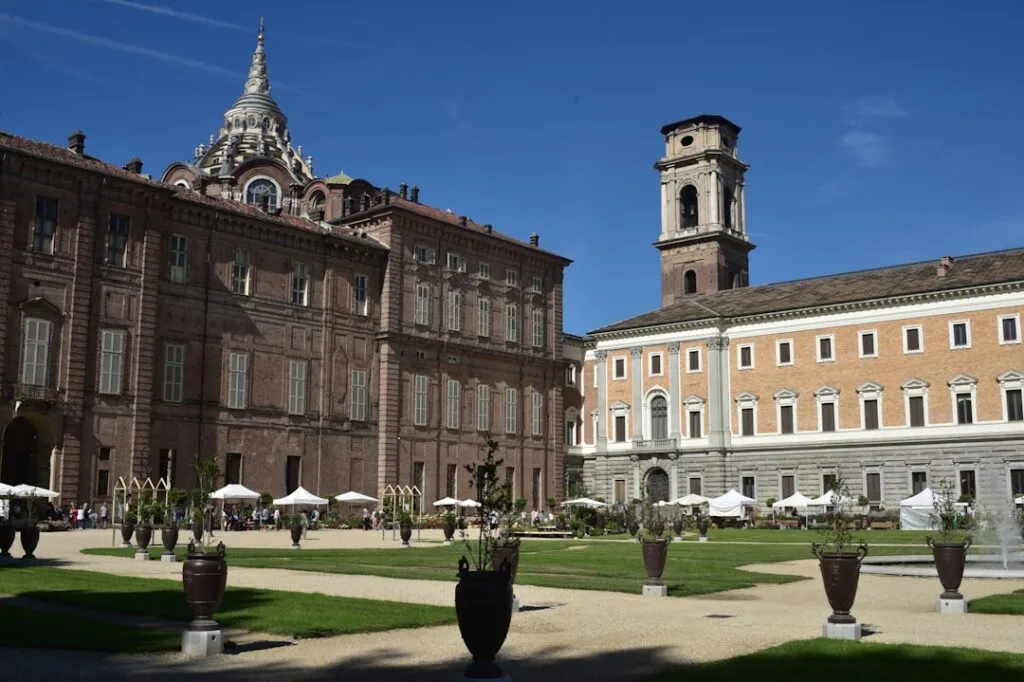
Turin unfolds like a story told in many voices: the House of Savoy, the baroque and neoclassical centuries, the industrious era, and a city that has balanced royal dignity with lively everyday life. At the heart of this tale are the palaces — residences, seats of power, cabinets of curiosities and museums — that make Turin a true « royal capital » on a human scale. This royal stroll, an itinerary of Turin’s palaces, invites you to travel through time and space as you pass through monumental doors, wander state apartments and secret gardens, and let yourself be guided by architectural details, art collections and courtly stories.
The route I suggest favors the historic concentration of the city center but also includes more intimate stops designed for wonder and contemplation: the Palazzo Reale, the symbolic heart of power; Palazzo Madama, with its dual identity as fortress and baroque stage; Palazzo Carignano, witness to the Italian Risorgimento; Castello del Valentino, a romantic riverside castle; and Villa della Regina, a private belvedere and pleasure garden. Each of these places offers not only historic rooms and furniture but also views, patterns, frescoes and gardens that invite a sensitive reading of court life, political rituals and refined pleasures.
Before you go, it’s useful to know that some monuments belong to the Musei Reali di Torino (Royal Museums of Turin) and offer combined tickets, while others are managed by municipal or university bodies with their own opening hours and prices. I therefore propose a practical route with exact addresses, indicative prices in euros (€), usual opening hours and local tips — when to buy tickets, which pedestrian routes show the best façades, where to sit for a coffee between visits, and how to optimize your day to avoid peak crowds.
Whether you’re a history buff, a photographer hunting carved details, a traveler after atmosphere, or simply curious, this royal stroll through Turin’s palaces will help you build your own walk, step by step, in tune with the city’s rhythms. Pack comfortable shoes, your camera and a notebook: Turin has a lot to tell, and its palaces hold magnificent, sometimes secret, often radiant chapters.
Palazzo Reale di Torino (Royal Palace) — historic core and state apartments
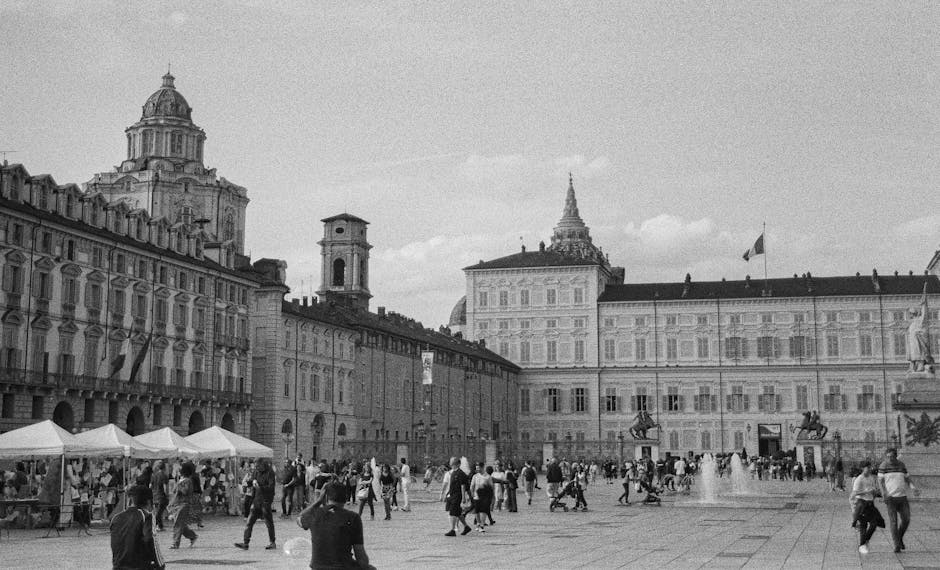
Full name: Palazzo Reale di Torino (Royal Palace of Turin). Address: Piazza Castello, 10122 Torino TO, Italia. The Palazzo Reale is one of the major symbols of Savoy presence in Turin: once the ducal and later royal residence, it opens onto the vast Piazza Castello and stands in dialogue with Palazzo Madama and the Teatro Regio. Listed as a UNESCO World Heritage Site as part of the Residences of the House of Savoy, it presents a succession of state apartments, the splendid Galleria Grande, the Cappella della Sacra Sindone (Royal Chapel) and the Appartamento di Rappresentanza.
Opening hours (indicative): daily from 9:00 to 19:00 (last entry at 18:00). Some sections may be closed on Mondays in low season; always check before visiting. Price: combined Royal Museums ticket (Palazzo Reale + Armeria Reale + Galleria Sabauda) around €12–15 for a standard adult ticket; reductions for youth and seniors, with possible free entry for under‑18s and certain profiles (check conditions). Audioguides available in several languages for around €5–7.
Immersive description: stepping through the heavy door of the Royal Palace is like entering a theatre where the walls tell stories of diplomacy, ceremony and everyday royal life. The grand staircase, adorned with balustrades and marbles, leads to sumptuous apartments: silvered salons, dining rooms decorated with allegorical paintings, richly furnished bedrooms. The Galleria Sabauda, often included in the visit, houses a collection of Flemish and Italian paintings that illuminate the tastes of the princes of Savoy. Don’t miss the Sala degli Argenti, a room where iconography and goldsmithing narrate the representation of power in Europe.
Local practical tips: book your ticket online, especially in high season or school holidays; arrive early (or late afternoon) to avoid tour groups. The entrance often gives access to the Biblioteca Reale (consultation by appointment) and the Armeria Reale (armory), where the famous « Sala delle Armi » is on display. Allow at least 2 hours for a full visit, more if you want to explore the Galleria Sabauda in depth. Accessibility: the palace has limited facilities for visitors with reduced mobility; inquire in advance about elevators and adapted routes. Nearby: for a coffee or break, Caffè Torino on Piazza San Carlo is a 5‑minute walk.
Palazzo Madama — medieval citadel and baroque splendor
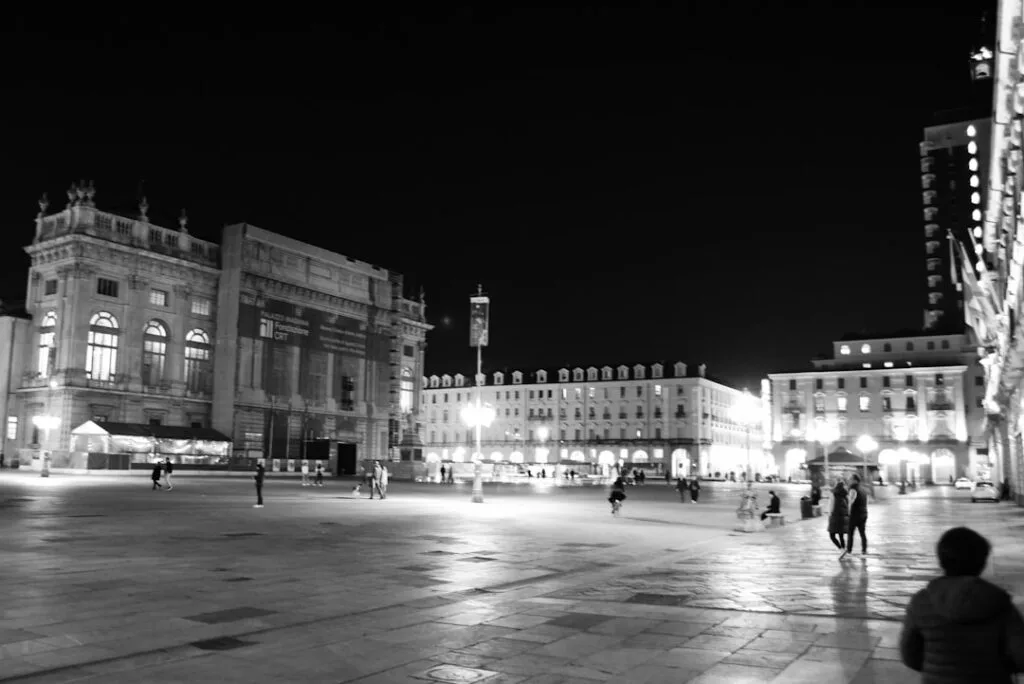
Full name: Palazzo Madama — Museo Civico d’Arte Antica. Address: Piazza Castello, 10122 Torino TO, Italia. Palazzo Madama is built on a site with a double identity: its medieval foundations contrast with the imposing baroque façade that adorns the square. The building now houses the Museo Civico d’Arte Antica, and its rooms trace the city’s artistic history, from furniture and sculpture to costumes and precious objects.
Opening hours (indicative): open daily from 9:00 to 19:00 (last entry at 18:00). Closed on Mondays in low season; hours may vary during temporary exhibitions. Price: standard entry around €8–10 for an adult ticket; reductions for students and seniors; free entry for under‑18s and on certain municipal free days. Combined tickets are often offered with other museums on Piazza Castello.
Immersive description: when you enter, you immediately feel the layering of ages: on the ground floor, medieval remains and walls; on the noble floor, decorated salons and a baroque atmosphere. The museum’s collections offer a panorama of Italian and European artistic creation, with objects that speak as much of daily life as of courtly splendor. Remarkable pieces include sculptures, carved fireplaces, painted ceilings and historic costumes. The terrace’s belvedere reveals a rare perspective over Piazza Castello.
Local practical tips: Palazzo Madama is central and is often visited together with Palazzo Reale and the Galleria Sabauda — consider a combined ticket to save time and money. Audioguides and themed guided tours (medieval history, baroque, costumes) are ideal for decoding the building’s layers. Plan 1h30 to 2h for an in‑depth visit. Public transport is convenient: trams and buses serve stops around Piazza Castello; the « Porta Nuova » train station is less than a 10‑minute walk. For photographers, the best light on the façade is early morning or late afternoon.
Palazzo Carignano and Museum of the Risorgimento — where politics meets architecture
Full name: Palazzo Carignano — Museo Nazionale del Risorgimento. Address: Piazza Carlo Alberto, 8, 10123 Torino TO, Italia. Built in the 17th century and famous for its curving barocco‑mania façade, Palazzo Carignano now houses the Museo Nazionale del Risorgimento Italiano, dedicated to the history of Italian unification. It’s a place steeped in political events: the first chamber of the modern Italian Parliament met here in 1861.
Opening hours (indicative): Tuesday to Sunday, 9:00 to 18:00 (last entry 17:00); closed on Monday. Price: standard entry around €6–8 for the museum; reduced rates for students, seniors and groups. Combined tickets are sometimes offered with other civic museums. Themed guided tours are available for a fee according to the calendar.
Immersive description: crossing the threshold of Palazzo Carignano means stepping into a maze of political histories. The museum’s rooms display documents, uniforms, posters, maps and personal objects that marked the Risorgimento era. Modern scenography highlights manuscripts and testimonies, while the palace’s architecture — vaults, staircases and the assembly hall — recalls the weight of political gestures. Guarino Guarini’s undulating façade is worth a careful photograph, as its play of light and shadow changes throughout the day.
Local practical tips: if you’re into modern history, combine Carignano with a stroll through the nearby university quarter, where cafés and bookshops invite you to linger. The museum often hosts temporary exhibitions and conferences — check the official site for the calendar. The building is pedestrian‑friendly and close to public transport (bus and tram stops nearby). Allow 1h30 for a complete visit; bring water in summer as some rooms can be warm despite air conditioning.
Castello del Valentino and Parco del Valentino — riverside romance and an architecture school
Full name: Castello del Valentino — Parco del Valentino. Address: Viale Mattioli, 39, 10125 Torino TO, Italia (situated in Parco del Valentino, on the right bank of the Po river). Castello del Valentino is a romantic‑style castle with towers and an Italianate garden, integrated into Parco del Valentino, one of the city’s most beloved green spaces. Today it hosts university faculties, notably the School of Architecture at the Politecnico di Torino, and temporary exhibitions.
Opening hours (indicative): the park is freely accessible every day from dawn to dusk; the castle and its exhibitions have variable hours (often 9:00–18:00 on weekdays for publicly open areas). Price: park access is free; some exhibitions in the castle may charge an entry fee (tickets typically between €3–10). Guided tours of the castle are sometimes offered by the Politecnico or local cultural associations.
Immersive description: walk along the Po and enter Parco del Valentino: shaded avenues, lawns shared by joggers, families and students, and at the center the romantic image of Castello del Valentino reflected in the pond. The architecture blends French and Italian influences, with turrets, overhangs and stone weathered by time. Inside, when rooms are open to the public, the atmosphere mixes pedagogy and history: architecture exhibitions, models and occasional cultural events.
Local practical tips: the park is perfect for a picnic break — kiosks and small cafés line the main avenue. For photographers, the golden hours of morning or evening offer beautiful light on the castle and river. By bike or on foot, follow the riverside cycle path to reach other neighborhoods; several bike and e‑scooter rentals are available near Piazza Vittorio Veneto. If you want to visit the castle interiors, check opening times with the Politecnico di Torino or the Città di Torino website.
Villa della Regina — a hanging garden with city views
Full name: Villa della Regina. Address: Salita Santa Maria, 1 (or Salita della Rocca / Salita Santa Maria di Monte dei Cappuccini depending on the access), 10131 Torino TO, Italia. Villa della Regina is a baroque pleasure residence perched on Turin’s eastern hills, featuring planted terraces, Italianate gardens and panoramic views over the city and surrounding hills. It was a place of delights and receptions, designed for the relaxation of princesses and courtiers.
Opening hours (indicative): generally open daily from 9:00 to 18:30 (closing times vary by season). Price: adult ticket around €6–8; reductions for youth, seniors and groups. Guided visits by reservation are available, especially in summer for garden and fresco tours. Some gardens are freely accessible during public events.
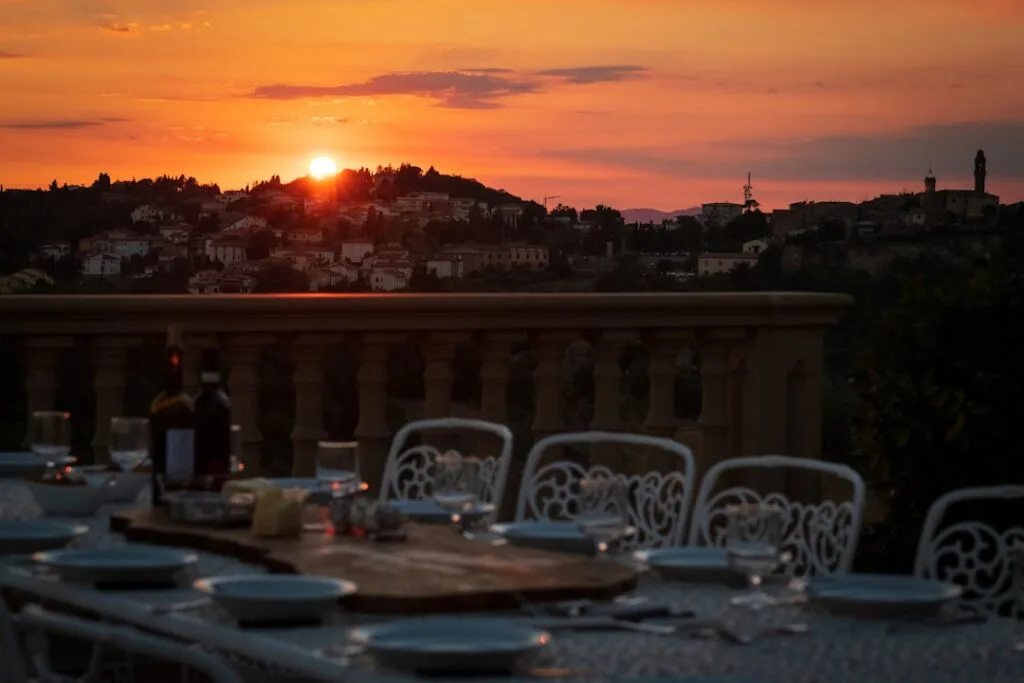
Immersive description: Villa della Regina offers a more intimate experience than the central palaces. You arrive through winding lanes, climb a short slope and discover successive terraces — flowerbeds, potted orange trees, fountains and statues — framing a wide view over Turin. Interior rooms preserve delicate frescoes and period decoration, while the outdoors encourage a slower pace: read, photograph, or simply sit and feel the city at your feet.
Local practical tips: the climb up to the villa can be steep; choose to walk if weather and fitness allow, or take a taxi/public transport from the river’s right bank. It’s an ideal spot for a quiet afternoon away from the tourist center: bring a hat in summer, sturdy shoes for the stone path and a paper guide or audioguide to understand the frescoes. Check opening days for special events (concerts, art shows) that may change hours and prices.
Practical tips to organise your royal stroll in Turin
Planning and tickets: to make the most of your time, buy tickets online for the Musei Reali (Palazzo Reale, Galleria Sabauda, Armeria Reale) and Palazzo Madama. Combined tickets often save a few euros and help avoid queues. If you only have one day, prioritise Palazzo Reale and Palazzo Madama (they’re close to each other) and finish with a walk along the Po toward Castello del Valentino if time allows.
Transport and walking route: Turin’s historic centre is easily walkable. From Piazza Castello to Castello del Valentino expect around 30–40 minutes on foot along the Po, or 15–20 minutes by tram/bus. Metro stations « Bernini » and « XVIII Dicembre » serve central points; the main train station « Torino Porta Nuova » is a 10–15 minute walk from Piazza Castello. For Villa della Regina, prefer a taxi or the local bus network (stops indicated on the GTT site).
Best times to visit: spring and early autumn offer soft light and pleasant temperatures. In summer, plan visits early morning or late afternoon to avoid heat. Winter can be charming but some opening hours may be reduced; always check online before you go.
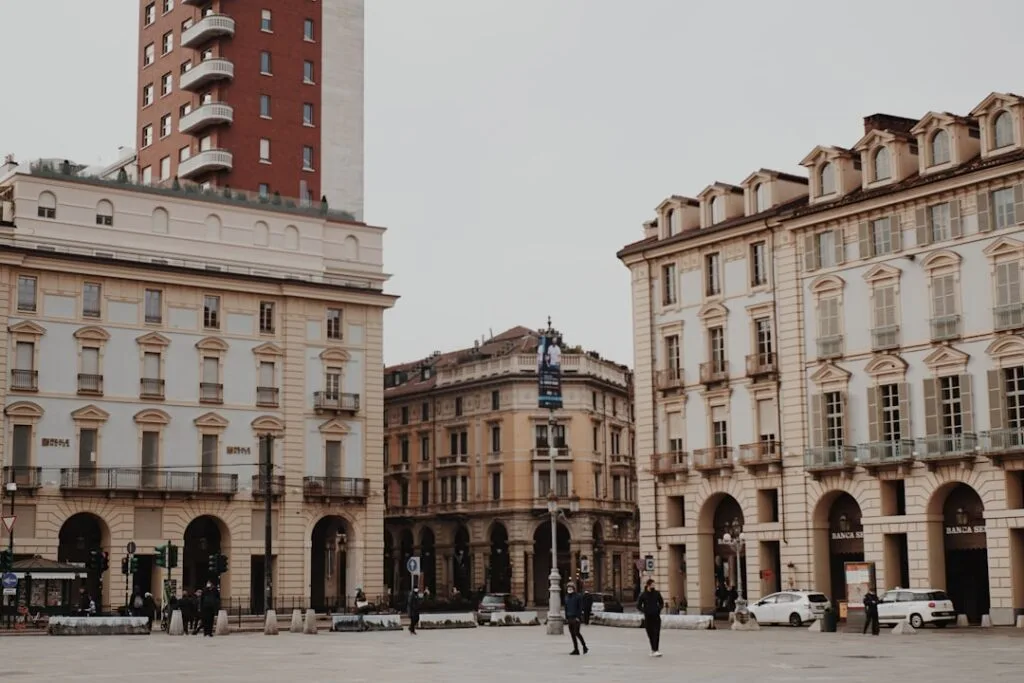
Accessibility and facilities: most palaces offer elevators and accessible routes, but some historic areas have steps and uneven floors; check in advance if you have specific needs. Public toilets and cafés are available around Piazza Castello and Piazza Vittorio Veneto. For a tasty pause, try the « bicerin », Turin’s signature hot drink, at Caffè Al Bicerin (Piazza della Consolata, 5).
Safety and etiquette: follow photography rules (some rooms prohibit flash), don’t touch artworks, keep personal items close in crowded areas. Above all, take your time: these palaces are not to be rushed, they are to be savoured.
Conclusion: a day, a week, a lifetime to taste Turin’s royal side
The palaces itinerary I’ve suggested isn’t an exhaustive tour or a mere checklist: it’s an invitation to slowly read a city that has shaped its identity around lavish residences, ceremonial squares and hanging gardens. Inside the rooms of Palazzo Reale you sense the echoes of political decisions and ceremonies; in Palazzo Madama you perceive the historical continuity between fortress and cultural space; in Palazzo Carignano architecture becomes national memory; Castello del Valentino and Villa della Regina offer breaths of calm, views and more private pleasures where the landscape matters as much as the interior decor.
Each palace has its own voice: some speak in marble and gold, others in frescoes and archival documents. Following this route you will learn to decode signs of power, the aesthetic choices of sovereigns, and the political transformations that shaped modern Italy. More than that, you’ll see how Turin presents its memory to the public: through well‑run museums, open gardens, accessible routes and cultural initiatives that bring these ancient places to life.
Walk at the pace the sites invite, and leave room for the unexpected — a temporary exhibition, a garden concert, a tasty break with a bicerin. Remember also that Turin rewards repeat visits: each season and each hour of the day reveals a new facet of its palaces. On a return trip, explore lesser‑known collections, archives and themed guided tours that add extra layers of understanding.
Finally, keep in mind that the best visit combines curiosity, patience and sensory pleasure. Take time to study carved details, listen to guides, breathe in the scent of old wood and look at the city from a terrace. Turin, with its royal palaces, promises an experience where history becomes tangible, art reads like a conversation, and royalty — for a few hours — becomes accessible to any curious visitor.