





Introduction — Hunting down the real risotto alla piemontese in Turin
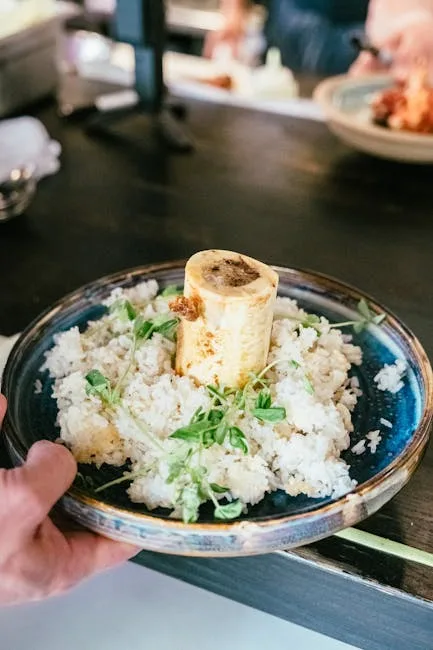
Risotto alla piemontese isn’t just a rice dish: it’s the creamiest, most elegant expression of Piedmont’s culinary soul. Traditionally made with Carnaroli or Arborio rice, a rich beef stock, a butter roux and Parmigiano (and sometimes beef marrow for extra intensity), this risotto tells the story of Turin — from market stalls to bourgeois dining rooms and family-run trattorie. For the food-minded traveler, the question “where to find the real risotto alla piemontese?” calls for more than a single address: it needs a walk through neighborhoods, conversations with the old guard, and an eye for detail.
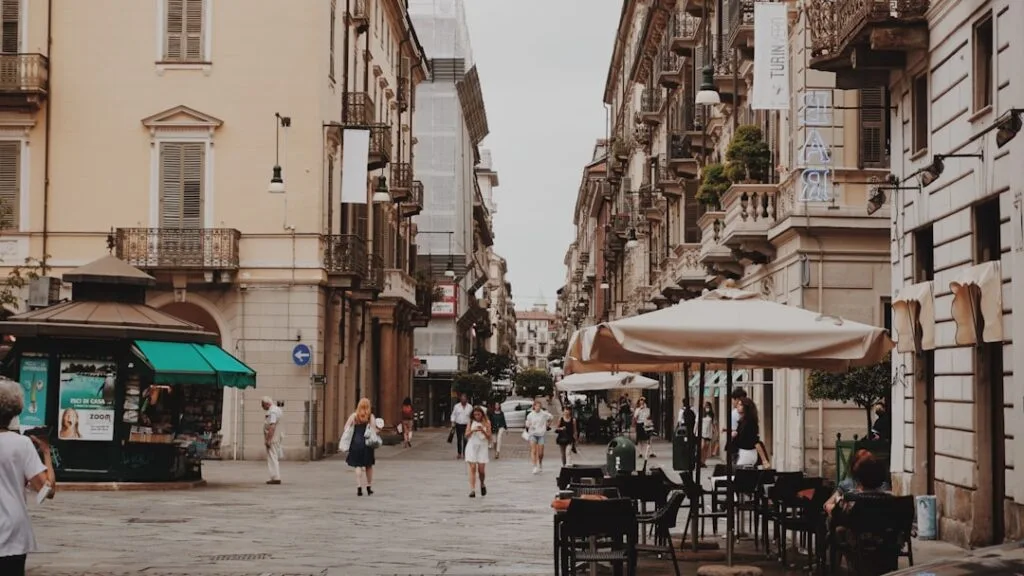
Turin (Torino) breathes food: historic cafés, the Porta Palazzo markets, starred restaurants and tiny neighborhood osterie create a spectrum where risotto can shift in character while staying authentic. Around the Mole Antonelliana, along the Po riverbanks or a stone’s throw from Palazzo Carignano, every place has its own recipe, its own butter ratio and its own way of using marrow or saffron. Some chefs stick to the strictest traditions, others offer a lighter, contemporary take. In this guide I’ll lead you to must-visit spots, markets where you can source exceptional rice and ingredients, cooking classes to master the technique, and practical tips — opening hours, price ranges, exact addresses and how to order like a local.
This isn’t just a list of restaurants: it’s a toolkit to help you recognize a true risotto alla piemontese. In Turin, the difference comes down to the quality of the stock, the grain of the rice, when the Parmigiano is added and the speed and technique of the mantecatura (the final creaming with butter). You’ll also learn which Piedmont wines pair best — Barbera d’Alba, Dolcetto d’Alba or a more structured Nebbiolo — and how the setting can heighten the experience: the soft light of a vintage bistro, the worn tiles of a trattoria, or a view over the covered market.
Finally, for those who want to go further, the article suggests hands-on cooking classes and local contacts for in-home experiences, plus budget-friendly tips to eat like a Turinese without breaking the bank. Get your address book ready: we’re off to track down the genuine risotto alla piemontese, through historic venues, neighborhood trattorie, cooking schools and market corners that make Turin’s food scene so rich.


Historic restaurants to taste risotto alla piemontese
To start your hunt, head to the houses that shaped Turin’s gastronomic history. These establishments keep recipes passed down through generations and a level of craftsmanship that guarantees perfectly cooked rice, concentrated stock and a silky mantecatura.
Antica Casa del Cambio — Palazzo Carignano
Antica Trattoria del Cambio is one of Turin’s most emblematic restaurants, famed for its period elegance and classic Piedmontese cuisine. Address: Piazza Carignano 2, 10123 Torino. Hours: typically open Tuesday to Sunday 12:30–14:30 and 19:30–23:00 (closed Mondays) — check the website for public holiday hours. Price: a risotto alla piemontese as a main is usually priced between €22 and €30, depending on season and extras (marrow, truffle).
Immersive description: the dining room is trimmed with wood panels and mirrors, the light is soft, and the service has the refinement of a 19th-century grand hotel. The risotto is served on a warm plate, creamy yet with grains still slightly distinct, a deep beef-stock note and often a finishing touch of caramelized beef marrow. It’s a safe bet to taste a historic version, executed by chefs trained in classic technique.
- Practical tip: Book in advance, especially on weekends and during food fairs. Ask for the “porzione alla piemontese” for the traditional portion.
- Wine tip: Pair the dish with a Barbera d’Alba or a Langhe Nebbiolo to balance the risotto’s richness.
Ristorante Consorzio — modern approach, local produce
Ristorante Consorzio is known for showcasing Piedmont products with a modern sensibility. Address: Via Maria Vittoria 49a, 10123 Torino. Hours: open Tuesday to Saturday, lunch 12:30–14:30, dinner 19:30–22:30; closed Sunday and Monday. Price: a reworked risotto alla piemontese falls around €18 to €26.
Immersive description: contemporary yet rustic décor, chalkboards listing the day’s market products. The chef plays with textures and intensity: the risotto might be finished with a veal-stock emulsion, shavings of 24-month-aged Parmigiano Reggiano or a hint of saffron. Portions are sized to allow tasting several dishes — ideal for sharing a multi-course meal.
- Practical tip: For the full experience, start with traditional Piedmont starters (vitello tonnato, a light version of bagna cauda) then have the risotto as your main.
- Local tip: Ask if marrow (midollo) is available — on some days it transforms the dish into a very traditional and powerful experience.
Neighborhood trattorie and osterie where authenticity matters
For a more down-to-earth and often cheaper immersion, head to Turin’s trattorie and osterie. These family-run spots focus on passing down recipes and consistency. You’ll find rustier, butter-forward risottos here, sometimes served in the “risotto alla cantoniera” style — meaning very creamy and comforting.
Antica Trattoria Tre Galline
Antica Trattoria Tre Galline is a beloved Turin spot known for homestyle Piedmont cooking. Address: Via Gianfrancesco Bellezia 37, 10121 Torino (check the entrance, close to the historic center). Hours: generally open every day except Sunday evening; lunch 12:00–14:30, dinner 19:00–22:30. Price: a risotto alla piemontese costs roughly €16 to €22.
Immersive description: warm atmosphere, checkered tablecloths and service that knows the regulars. The risotto is generous with ingredients: a long-reduced stock, local butter and a shower of grated Parmigiano at the table. The vibe is familial and portions are often hearty — perfect for sharing an antipasto and finishing with the risotto as the main course.
- Practical tip: Arrive early in the evening or reserve: the dining room is small and popular with locals.
- Local tip: Ask for a piece of Tuscan bread (panino) to mop the plate — a popular move among many Turinese.
Osteria Le Vecchie Mura (a typical neighborhood example)
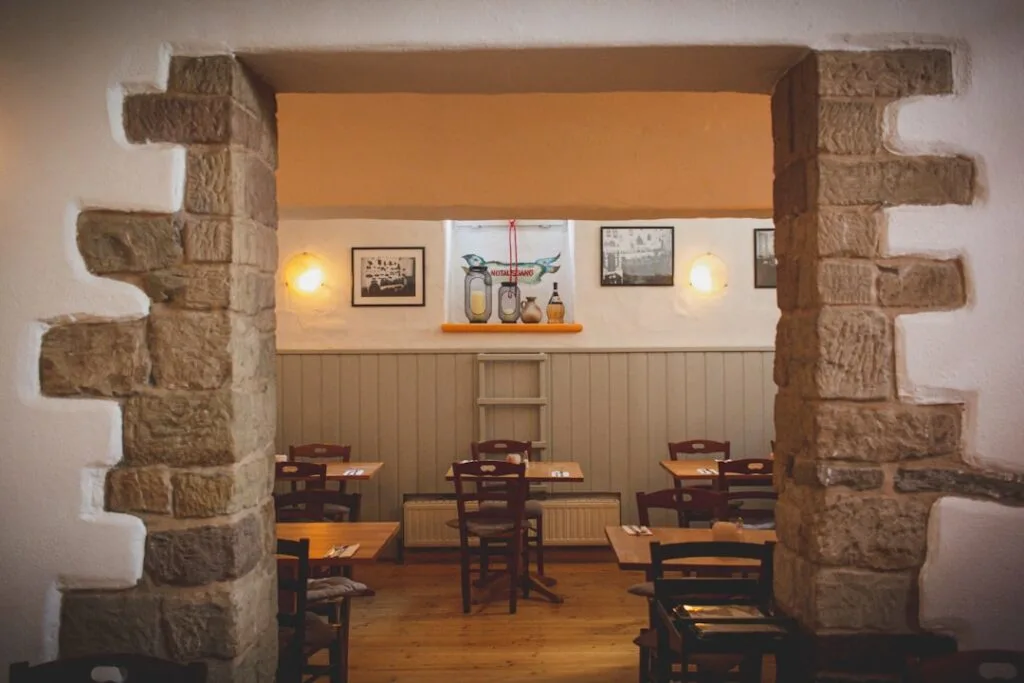
Many small osterie scattered through Turin’s historic neighborhoods serve traditional risottos. A typical example: Osteria Le Vecchie Mura (indicative address for the style: Via San Domenico 7, 10122 Torino). Hours: often lunch 12:00–14:30 and dinner 19:00–23:00. Price: €12–€18 for a risotto that’s faithful to family recipes.
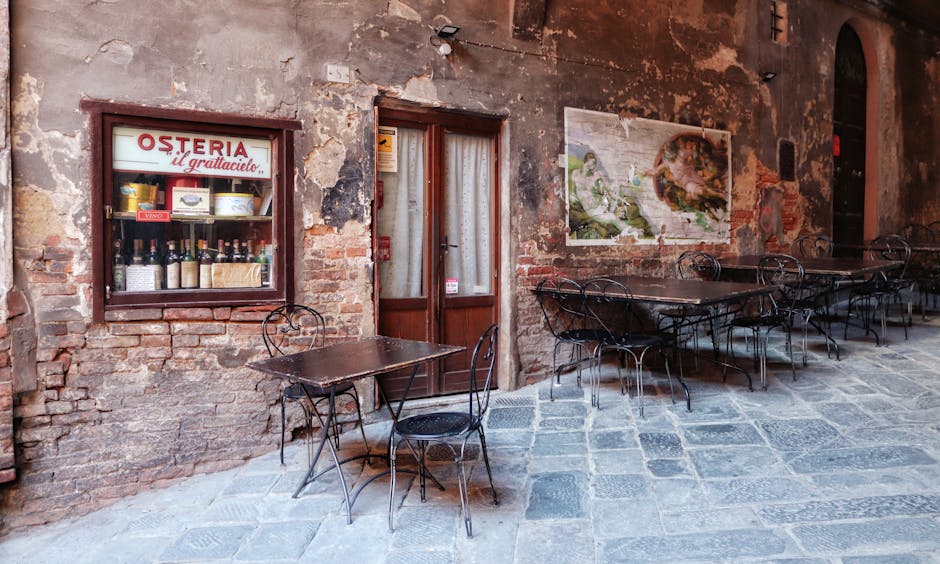
Immersive description: imagine the aroma of simmering stock in the air, simple but flavorful plates, and an owner who’ll tell you where the ingredients come from. In these small osterie, the mantecatura is essential — the rice is worked with a spoon, often in front of you. The value-for-money is excellent and the intimate atmosphere will make you feel like a guest.
- Practical tip: If the menu is on a chalkboard, ask the server to point out the “alla piemontese” version. The risotto often changes with the seasons (mushrooms in autumn, squash in winter).
- Local tip: Turinese often enjoy pairing their risotto with a glass of Vermouth di Torino as an aperitif, especially in historic osterie.
Markets, specialty shops and cooking classes to master the recipe
To deepen your discovery, buy the ingredients and learn the technique in Turin. Markets and specialty shops offer everything you need for an authentic risotto alla piemontese: Carnaroli rice, midollo di bue (beef marrow), aged Parmigiano Reggiano and concentrated homemade stock.
Porta Palazzo — Mercato di Porta Palazzo
Mercato di Porta Palazzo is the largest open-air market in Europe and a must-visit. Address: Piazza della Repubblica, 10152 Torino. Hours: market active Monday to Saturday, food stalls often open 7:00–14:00; some vendors stay open later. Prices: Carnaroli rice 1 kg ≈ €3.50–€6 depending on brand; beef marrow (when available) ≈ €6–€12 per kilo; Parmigiano Reggiano (24–30 months) ≈ €12–€20 per kilo.
Immersive description: wander among meat stalls, smoked fish stands, cheesemongers and herb sellers. Butchers at the market can provide fresh marrow on request. Take time to chat with vendors: they often recommend the best cuts for a powerful stock and will suggest the rice that works best for your mantecatura. The adjoining farmers’ stalls also sell local wines by the bottle, perfect with your risotto.
- Practical tip: Bring a cooler bag to keep marrow and cheese cool. Buy the rice on site to benefit from vendor advice.
- Local tip: Visit early in the morning for the best produce and to avoid the lunchtime crowds.
Specialty shops and workshops: Eataly Torino Lingotto
Eataly Torino Lingotto (Via Nizza 230, 10126 Torino) is a hub for Italian products and cooking workshops. Hours: generally open daily 10:00–22:00 (may vary). Prices: cooking classes €35–€90 per person depending on length; quality ingredients (Carnaroli rice 1 kg ≈ €5–€12). It’s an ideal place to take a risotto class where you learn mantecatura, ideal temperatures and stock control.
Immersive description: classes are usually small-group, led by local chefs who favor Piedmont products. You’ll learn to make a reduced stock, lightly toast the rice and perform the final mantecatura — the moves that make all the difference. Workshops sometimes include a guided tour of the aisles to pick the best ingredients.
- Practical tip: Book the class in advance and specify you want to focus on risotto alla piemontese. Bring questions about substitutions if you’re traveling light.
- Local tip: Ask the chef for tips on reheating risotto if you plan to take leftovers back to your accommodation — reheating gently in a pan with a little stock helps preserve texture.
Practical tips to recognize and order the real risotto alla piemontese
Spotting a genuine risotto alla piemontese takes attention. Here are concrete criteria and tips to order like a local, avoid disappointing versions and get the most from Turin’s culinary offering.
- Color and texture: Traditional risotto alla piemontese has a warm color, sometimes slightly golden if marrow or saffron is used. The texture should be creamy while each grain remains identifiable — not a mashed or puréed look. The mantecatura (finishing) is done off the heat with cold butter and grated Parmigiano.
- Ingredients to look for: Carnaroli or Arborio rice, homemade beef stock, midollo di bue (when added), Parmigiano Reggiano, good-quality butter. Some chefs add saffron for color, but a pure traditional version may skip it.
- What to avoid: Steer clear of risottos that are too dry (a sign of overcooking) or too soupy (too much stock added). A good risotto is served “all’onda” — slightly saucy and gently flowing around the spoon.
- How to order: Use “risotto alla piemontese” on the menu. If available, ask for “con midollo” for the very rich traditional version. For a lighter portion, request “porzione ridotta.” Locals often share several antipasti and finish with the risotto as the main course.
- Wine pairings: Barbera d’Alba (red fruit and acidity), Dolcetto d’Alba (fruit-forward, softer tannins) or a Langhe Nebbiolo for more structure. For a lighter lunch, a fresh Piedmont white can also work.
- Budget: In a trattoria expect €12 to €25; in historic or starred restaurants €22 to €45 depending on extras (truffle, marrow, etc.).
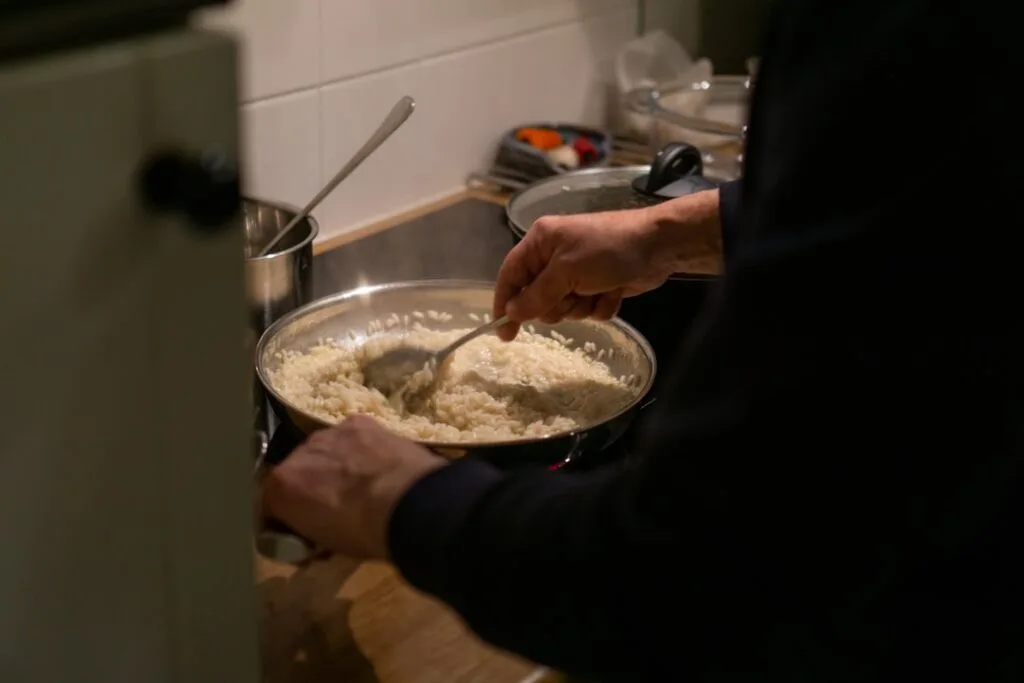
Conclusion — Savor it and bring the experience home
Finding the real risotto alla piemontese in Turin is a delicious quest that blends location, context and technique. Whether you pick a historic restaurant like Antica Trattoria del Cambio (Piazza Carignano 2, 10123 Torino) for a refined experience (around €22–€30) or a neighborhood trattoria like Antica Trattoria Tre Galline (Via Gianfrancesco Bellezia 37) for a homier dish (around €16–€22), each place reveals a different side of the dish. Porta Palazzo market (Piazza della Repubblica, 10152 Torino) lets you buy essentials — Carnaroli rice (≈ €3.50–€6/kg), beef marrow (≈ €6–€12/kg), Parmigiano Reggiano (≈ €12–€20/kg) — while Eataly Torino Lingotto (Via Nizza 230, 10126 Torino) offers practical workshops (≈ €35–€90) to learn mantecatura and stock management.
A few golden rules to bring back a true taste: favor Carnaroli for its structure, ask for marrow if you like intensity, and don’t hesitate to quiz the chef or staff about the stock’s origin. For harmony, choose a Barbera d’Alba or a Dolcetto d’Alba to highlight the dish’s rich, savory notes. Finally, always reserve in advance, especially for historic venues and workshops; hours can change in summer and during holidays — checking websites or calling is recommended.
Turin offers a broad palette of culinary experiences: understated risottos in historic dining rooms, generous versions in neighborhood osterie, and hands-on classes where you learn the technique. As you visit these places, you’re not merely tasting a dish: you’re stepping into a slice of local culture, history and handed-down techniques. Take your time, be open to advice and, above all, savor slowly — a true risotto alla piemontese deserves attention and patience.