





Introduction: Venaria Reale, the Savoia’s hunting residence
Just a few kilometres northwest of Turin stands the Reggia di Venaria Reale, one of Italy’s baroque gems and one of the best-preserved hunting residences of the House of Savoy. Built at the end of the 17th century as a starting point for grand royal hunts, this expansive estate combines a sumptuous palace, formal French-style gardens and wide parklands that testify to a vanished aristocratic way of life. A place of power, ceremony and courtly pleasures, the Reggia has been carefully restored over decades to regain its former glory and now hosts temporary exhibitions, cultural events and immersive visits.
Venaria Reale is more than a monument: it’s a sensory journey. You enter through the large honor courtyard, pass through rooms adorned with stucco and frescoes, linger by fountains and precisely laid-out flowerbeds, then escape into the vast Parco della Mandria, once the royal hunting reserve. Stone façades, perfectly aligned perspectives, lavish interior ornamentation and active restoration workshops give every visit a lively, historical dimension. The atmosphere shifts with the seasons: light spring mist, the golden glow of autumn, winter light playing on frozen pools, and the vibrant heat of summer days that enliven strolls.
This article offers a detailed dive: history and architecture, exploring the gardens and park, all the practical info (exact addresses, opening hours, prices), plus local tips to make the most of your visit from Turin. Whether you’re planning a cultural weekend, a photo route or a family outing, you’ll find precise information here to plan your day.
Before you even step inside the palace, check the program: temporary exhibitions, concerts and themed tours can change the usual organisation. Finally, Venaria Reale is an excellent starting point to discover other nearby Savoy residences, like the Palazzina di Caccia di Stupinigi and Turin’s Museo Egizio. Bring comfortable shoes, pay attention to transport schedules, and carry a small notebook to jot down architectural details: the Reggia rewards patient eyes and a leisurely pace.
History and architecture: the Savoia’s baroque grandeur
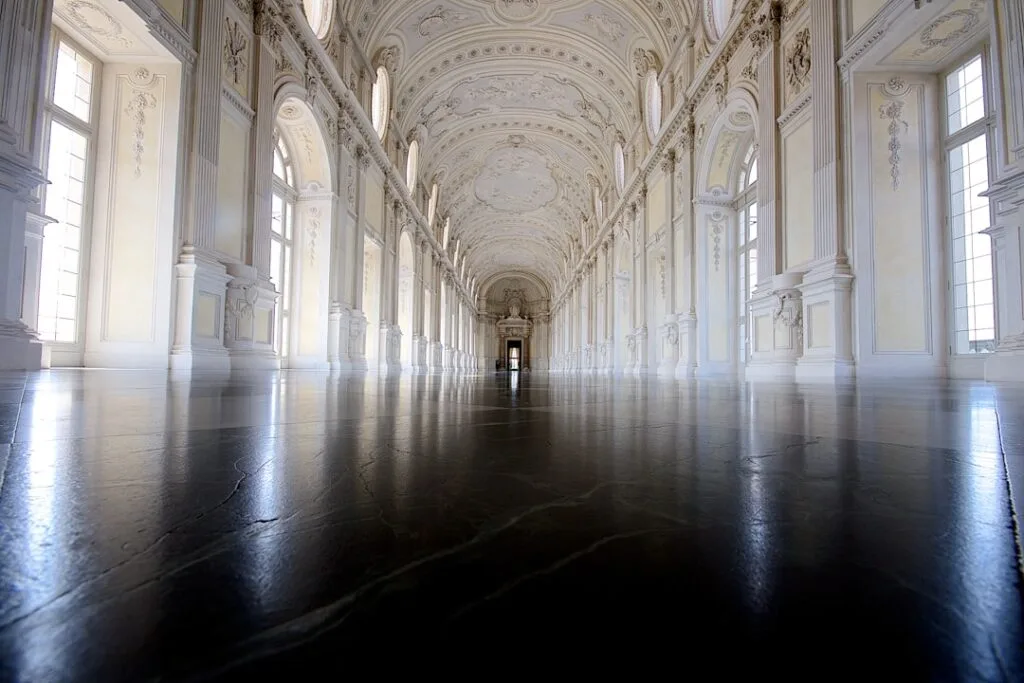
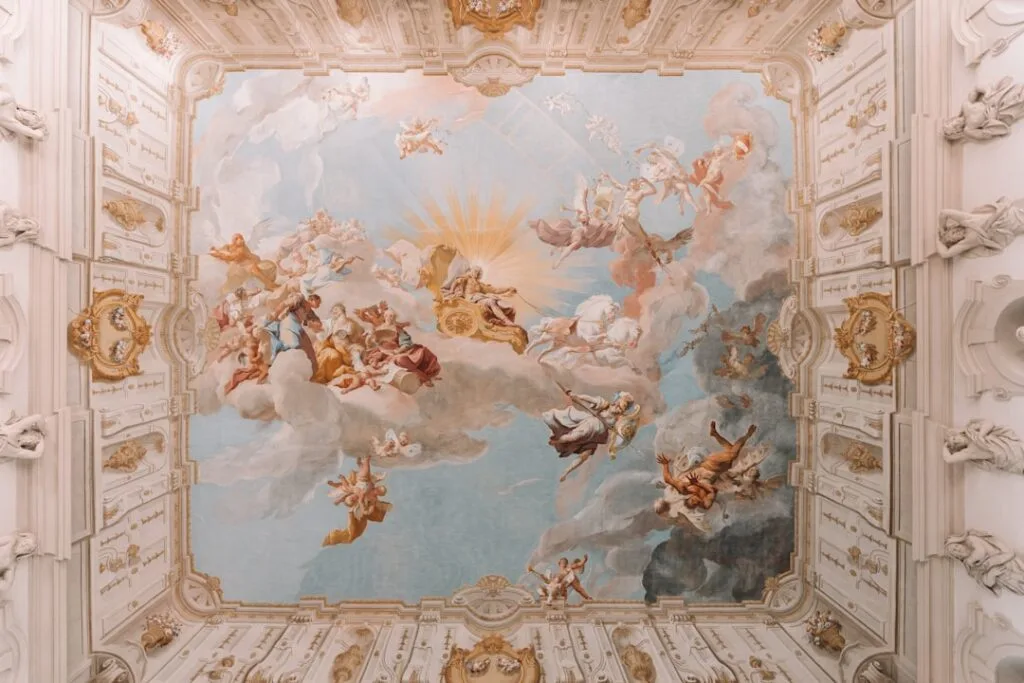
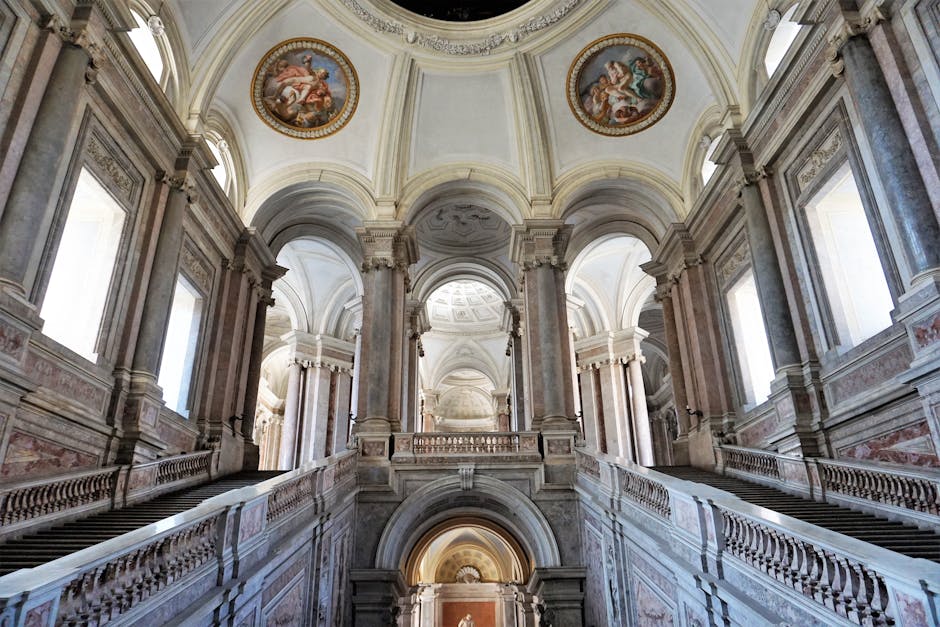
The Reggia di Venaria Reale was commissioned by Duke Charles Emmanuel II of Savoy in 1658, based on designs by architect Amedeo di Castellamonte and later continued by master builders such as Michelangelo Garove and Filippo Juvarra. Designed as a departure point for royal hunts and as a representational residence, the Reggia blends military and decorative elements: massive walls, broad avenues and an enfilade of richly decorated salons. Inside you’ll find fine woodwork, delicate stuccoes, painted ceilings and monumental fireplaces that speak to the splendour of the Savoy court.
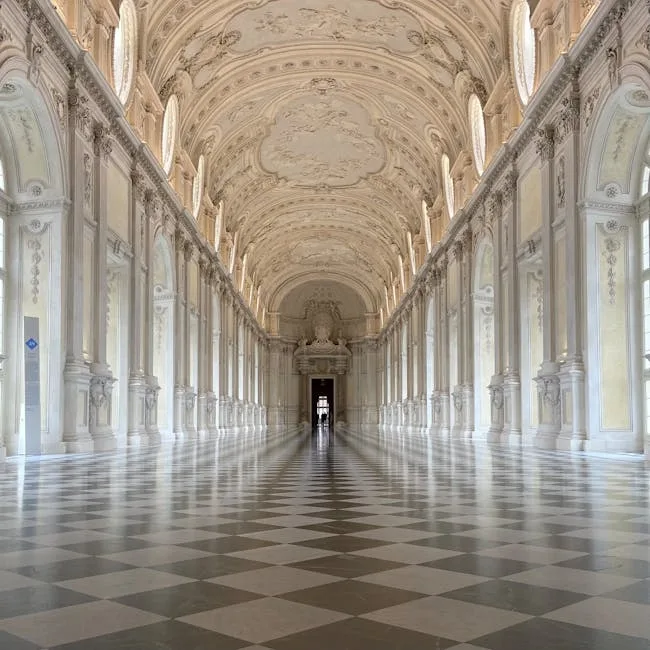
The main façade opens onto Piazza della Repubblica and the large honor courtyard, a space conceived for grand arrivals. Inside, the Galleria Grande, the Sala delle Feste and the Cappella di Sant’Uberto (the royal chapel) are prime examples of Italian baroque taste, where perspective tricks, lavish gilding and theatrical decoration come together. Ornamentation works involved craftsmen and artists: painters, sculptors, marquetry specialists and ironworkers all contributed to create a coherent whole.
After periods of neglect, particularly in the 19th and 20th centuries, the Reggia underwent a monumental restoration that began in the 1990s and continued into the 21st century. The project restored the historic gardens and re-established the continuity of interior volumes, allowing visitors today to follow scenographic and museographic routes. The restorations also offer an insightful look at traditional techniques: joinery, finishes and polychromy treatments are explained to visitors through panels and guided tours.
Historic address of the Reggia: Reggia di Venaria Reale, Piazza della Repubblica 4, 10078 Venaria Reale TO, Italy. The architecture is at once monumental and welcoming: every gate, every window tells the story of a court on the move and a territory shaped by the Savoia.
The gardens and the Parco della Mandria: nature and formal perspectives
No visit to the Reggia is complete without a long walk through the French-style gardens and the vast Parco della Mandria, the former hunting grounds turned royal reserve. The restored gardens follow the original layout with symmetrical beds, pools, fountains and sculptures aligned along rigorous perspectives. The Fontana dei Querci, mirrored pools and neatly trimmed avenues offer perfect settings for photography and historical reflection.
The Parco Naturale della Mandria — now a regional park — covers roughly 3,000 hectares and preserves woodlands, meadows and wetlands. It’s ideal for walks or bike rides, wildlife watching (roe deer, migratory birds) and following waymarked routes. Parts of the park are freely accessible, while other areas are visited via guided tours to better understand land management and conservation of the natural heritage linked to the royal residence.
Practical tips for visiting the gardens: arrive early to avoid crowds, especially in summer; wear closed shoes for the trails; bring water, as facilities are limited in some parts of the park. In autumn, the colours dramatically transform the landscape and offer remarkable photo angles, particularly from terraces overlooking the parterres.
Practical information: opening hours, prices, transport and local tips
Before you go, here’s all the practical info to organise your visit to the Reggia di Venaria Reale and the Parco della Mandria. Main address: Reggia di Venaria Reale, Piazza della Repubblica 4, 10078 Venaria Reale TO, Italy. For the park: Parco Naturale della Mandria, Strada della Mandria 2, 10078 Venaria Reale TO, Italy.
Opening hours (check the official website before your visit): generally, the Reggia is open from 9:00 to 19:00 (last admission around 17:00 or 17:30) from Tuesday to Sunday; often closed on Mondays. The park may open earlier and close according to the seasons (generally from sunrise to sunset). Timings for temporary exhibitions can vary, especially for evening events.
Indicative prices (confirm locally): standard ticket for museum and gardens ≈ €14 – €16; reduced fare (youth, seniors, groups) ≈ €8 – €10; free entry sometimes available for children under 6. Audioguide ≈ €3 – €5. Combined tickets with temporary exhibitions or guided visits may increase the price. Discounts are often available online or for advance purchasers. Multilingual audio guides and guided tours in English/Italian are generally offered.
Transport from Turin: from Torino Porta Susa or Torino Porta Nuova, take the train or tram to Venaria — the GTT network (bus/tram) and some tourist shuttles serve the Reggia; line 72 (seasonal timetable dependent) and special shuttles from Piazza Castello are common. A convenient option is a regional train to Venaria station, then a local bus or a 20–25 minute walk. By car: take the A55 motorway, exit Venaria/La Mandria; paid parking is available near the Reggia (expect €2–€5 depending on duration).
Local tips: book tickets online to skip queues, bring coins for lockers and toilets, don’t forget your camera and lenses for panoramas; respect restricted areas to help conservation. For lunch, try the cafés and restaurants around Piazza della Repubblica or check out Caffè della Reggia (confirm opening times) for a quick break. If you’re interested in other Savoy residences, combine your visit with the Palazzina di Caccia di Stupinigi (Strada della Palazzina di Caccia, 9, 10078 Nichelino TO) and the Castello di Rivoli (Piazza Mafalda di Savoia, 1, 10098 Rivoli TO) for a full immersion.
Around Venaria Reale: day trips, food and stay tips
Venaria is a great base to explore the north of the province of Turin. Less than 20 minutes by car or public transport will get you to Turin’s centre (Piazza Castello, Museo Egizio, Mole Antonelliana) and other Savoy residences. Food lovers will enjoy Piedmontese specialities: agnolotti, vitello tonnato, tajarin and the famous gianduja cake. Seek restaurants that feature local produce and Piemonte wines — Barbera, Nebbiolo and Moscato d’Asti.
Some practical recommendations: if you’re travelling for a weekend, book restaurants and accommodation in advance; B&Bs and small hotels in Venaria and Turin’s northern neighbourhoods offer good value. For families, prioritise outdoor routes in the Parco della Mandria and look out for children’s workshops sometimes offered by the Reggia. For photographers, the best light is early morning or late afternoon to catch the low sun on façades and pools.
Finally, respect the rules of the park and palace: don’t pick plants, obey fences and information panels, and be mindful of indoor dining areas where consumption may be restricted. With a little planning, Venaria Reale delivers a day rich in history, nature and architectural beauty — perfect for visitors to Turin looking to broaden their discovery of Savoy heritage.
Conclusion: why visit the Reggia di Venaria Reale
The Reggia di Venaria Reale is more than a palace: it’s a living testament to the elegance and power of the Savoia, a layered cultural landscape where architecture, art and nature answer each other. Whether you’re passionate about history, love baroque architecture, are a photographer hunting perfect perspectives, or a family seeking a cultural escape, the Reggia offers multiple, complementary experiences. The sumptuous rooms, restored gardens and the vast Parco della Mandria allow you to vary your pleasures over the course of a day, and the close proximity to Turin makes it easy to tailor an itinerary.
Practically speaking, combining precise information — addresses, opening hours and prices — with local tips (book online, best times for photos, transport options) will help you optimise your visit. Don’t forget to check the cultural programme: temporary exhibitions, performances and themed guided tours can turn a standard visit into a unique experience. The site is designed to welcome diverse audiences, with adapted services (audio guides, workshops, accessible routes) but the best way to discover it remains a slow walk: give the decorations, perspectives and pool reflections time to reveal their details.
In short, plan well, come curious and patient, and allow yourself to wander: the Reggia di Venaria Reale will reward you with moments of wonder. Between Turin and Venaria you’ll find one of Piedmont’s major cultural routes, where every stone tells a story and every alley invites you to travel.