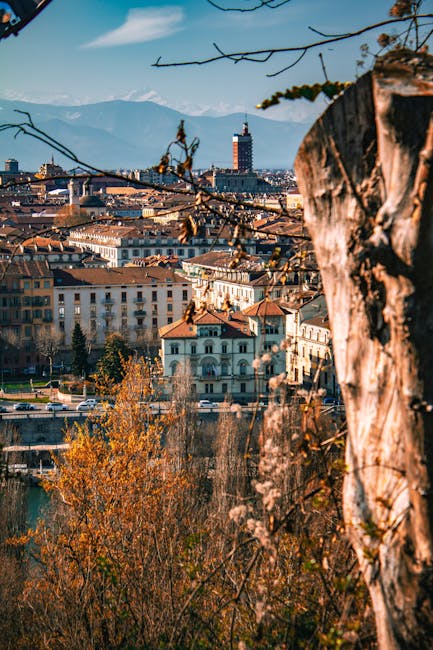






Introduction: Seasonal Vegetables in Turin — why hunt for the best organic market
Turin (Torino) is often celebrated for its chocolate, hearty Piedmontese cuisine and baroque architecture, but if you pay attention the city also boasts a vibrant local market and organic farming culture. The arcaded streets, large squares like Piazza Castello and lively neighborhoods such as San Salvario or La Crocetta host weekly producers and vendors offering seasonal vegetables sometimes picked the day before from the surrounding Piedmont countryside. Looking for “the best organic market” in Turin becomes a tasty, eye-opening little adventure: you’ll find heirloom varieties, sustainable growing methods, committed farmers and — most importantly — vegetables whose flavor and freshness rival the highest culinary standards.
This guide walks you through the markets and retail spots to find the city’s best organic produce — open-air markets, historic covered halls, specialty stores and agricultural cooperatives. You’ll get full addresses, typical opening hours, price ranges in euros, vivid descriptions of the places and practical tips to shop smart: how to recognize genuine organic produce, which varieties to favor each season, how to bargain with producers, and what dishes best showcase your purchases.
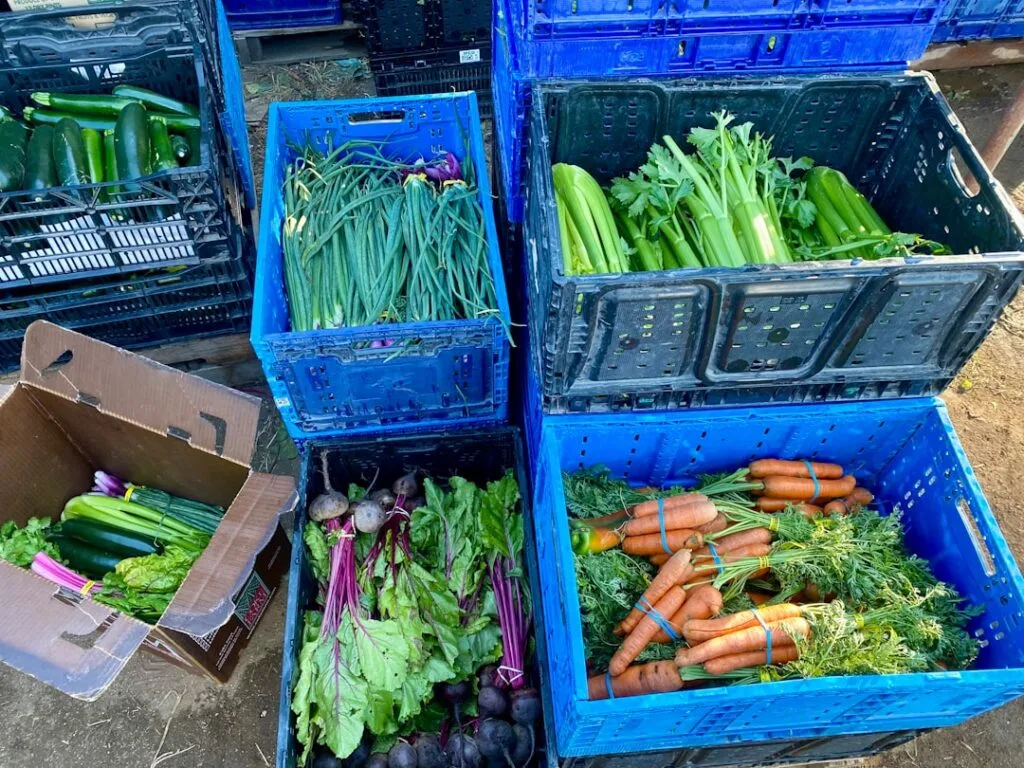
Turin benefits from a rich agricultural hinterland — the Po plain and the first alpine foothills yield a wide palette of vegetables: violet artichokes, cardoons, green cabbage and verza, butternut squash, round courgettes, late radicchio, borlotti beans, beefheart and heirloom tomatoes, plus intensely aromatic herbs. The city’s organic markets often favor short supply chains: local growers, AMAPs (associations supporting small-scale farming) and co-ops that cut out middlemen to guarantee freshness and traceability. Beyond flavor, buying organic in Turin supports a local economy working to reduce pesticide use, protect biodiversity and preserve soils.
Whether you’re a visitor hoping to stash sun-ripened tomatoes in your suitcase (when in season) or a Turin resident looking for weekly organic box subscriptions, this guide will help you spot reliable addresses, estimate prices and optimize purchases according to your budget and culinary plans. I’ve also included practical tips for transport (which insulated bag to use), storage (how to keep delicate vegetables) and prep (which veg to choose for soups, stews or salads). Grab your shopping list, dust off your wicker basket and let’s go: the hunt for Turin’s best seasonal vegetables starts now.
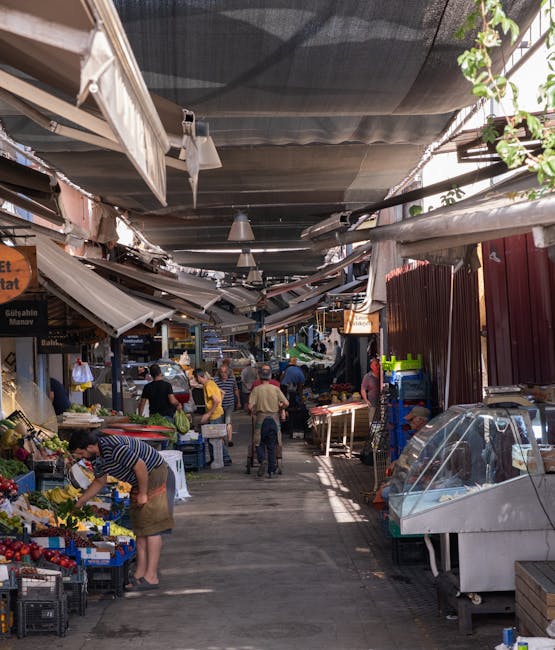
Mercato di Porta Palazzo — Europe’s largest open-air market (Piazza della Repubblica)
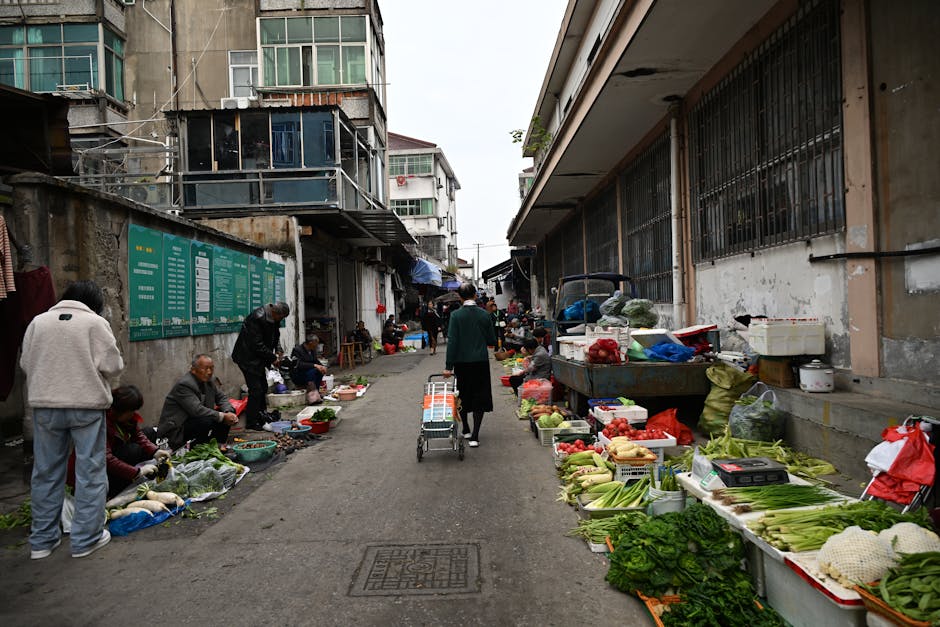
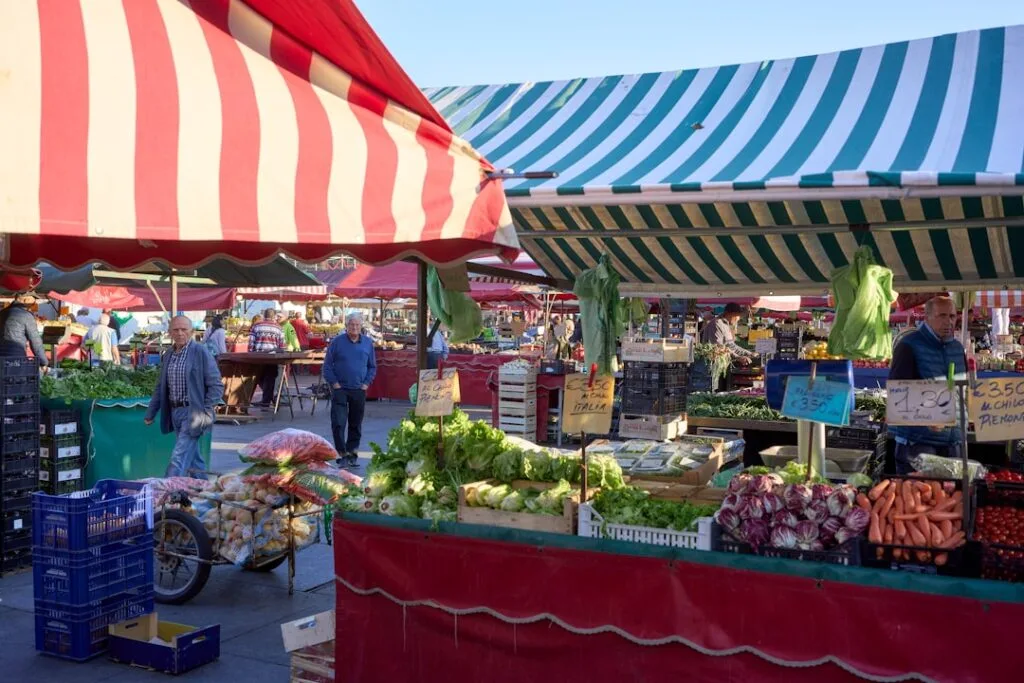
Mercato di Porta Palazzo is a Turin institution and the largest open-air market in Europe. Set across the vast Piazza della Repubblica near the historic Porta Palazzo, it’s divided into several zones: the Mercato Ortofrutticolo (fruits and vegetables), the Pescheria (fish), the cheese stalls and a lively mix of spice stalls, flower sellers and second-hand traders. The exact address is Piazza della Repubblica, 10152 Torino. The atmosphere is electric: vendors shouting their deals, shoppers from all walks of life and a profusion of colors and smells that whet the appetite.
Opening hours: the market generally runs Monday to Saturday from 06:00 to 14:00 (some sections may open later on Sunday mornings for special markets). It’s best to go early (between 7:00 and 9:00) to find the best organic picks and enjoy the widest selection. Many local producers operate certified organic stalls — look for labels reading “biologico” or EU organic codes (e.g. IT-BIO-XXX). Prices vary by season and quality, but here are typical ranges:
- Beefsteak tomatoes (organic): €3.50–€6.00/kg
- Courgettes/Zucchini (organic): €1.80–€3.00/kg
- Late radicchio (organic): €2.50–€4.50/each
- Fresh borlotti beans (organic): €4.00–€7.00/kg
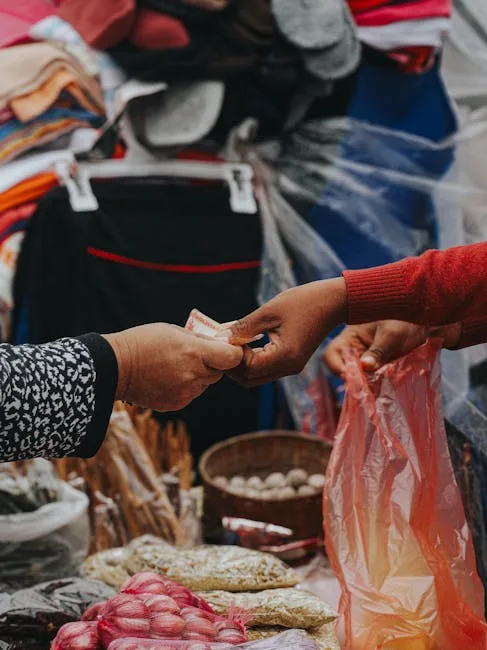
Practical tips at Mercato di Porta Palazzo: arrive early, bring a sturdy reusable bag and small change for bargaining — some producers will offer a small discount if you buy in volume. To spot genuine organic produce, look for the label or ask the grower directly about origin and methods. The outdoor aisles are ideal for comparing stalls selling the same product; take time to smell and feel items — a crisp pepper or firm carrot is a good freshness sign. If you plan to fly home with produce, avoid high-water-content vegetables in checked luggage and favor tubers or dried vegetables.
 Click here to discover Turin on a 3-hour food tour
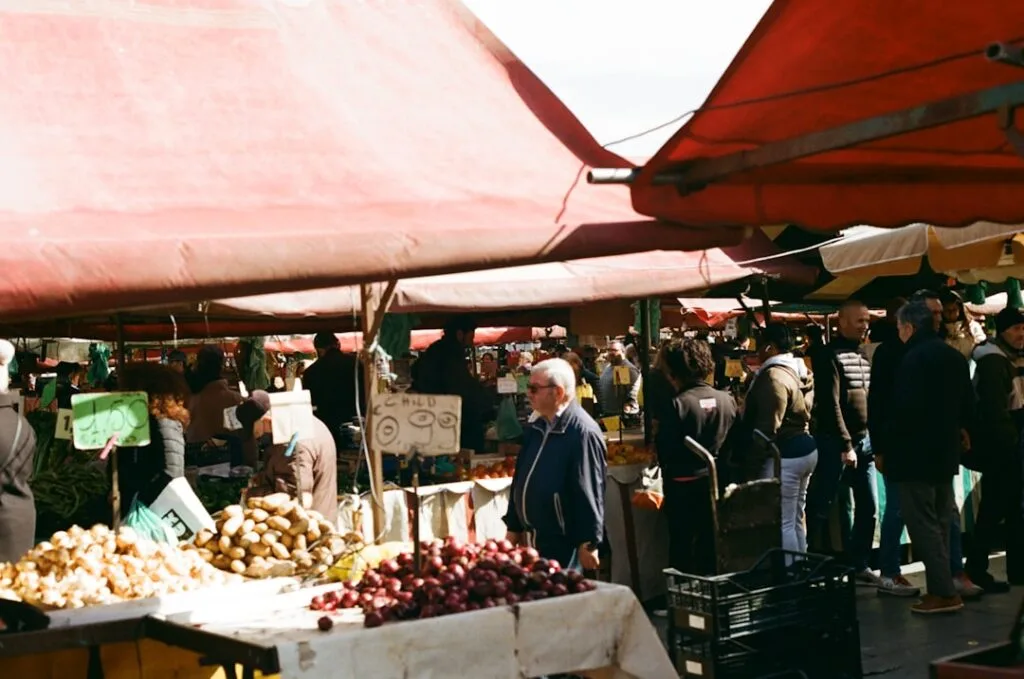
Sensory immersion and producers to meet
Among the stalls, look for producers displaying signs with their farm name (nome dell’azienda agricola). Several well-known local farms at the market specialize in organic farming and sell directly, often with samples to taste. Talk to them: they love sharing recipes and storage tips (for example, how to keep herbs fresh in a jar of water). If you’re planning a vegetable risotto, ask which courgettes or leeks are sweetest this week — a farmer’s tip can sometimes beat a cookbook.

Mercato di Piazza Madama Cristina — San Salvario, bohemian vibes and organic finds (Piazza Madama Cristina)
Mercato di Piazza Madama Cristina, in the heart of San Salvario, is more than a vegetable market: it’s a community space where families, students and chefs mingle looking for interesting ingredients. Address: Piazza Madama Cristina, 10126 Torino. The market runs mainly in the daytime on Tuesdays, Thursdays and Saturday mornings, typically from 7:30 to 13:30, but there are also special evening events, night markets and themed fairs throughout the year.
San Salvario is multicultural and lively — expect to find organic vegetables alongside ethnic products, rare herbs and heirloom tomato varieties. Indicative prices:
- Organic eggplants: €2.00–€4.00/kg
- Mixed organic lettuces (lettuce, lollo rosso): €1.50–€3.00/each
- Organic carrots: €1.50–€2.80/kg
This market is loved for its friendly vibe: stalls are smaller and sellers are more likely to chat about recipes and cooking methods. It’s ideal for city dwellers who want regular organic baskets without the crowds of Porta Palazzo. Practical tip: bring a small cooler bag if you’re also buying cheese or cured meats, because hot summer temperatures can affect delicate products.
Click here to taste Turin street food with an insider
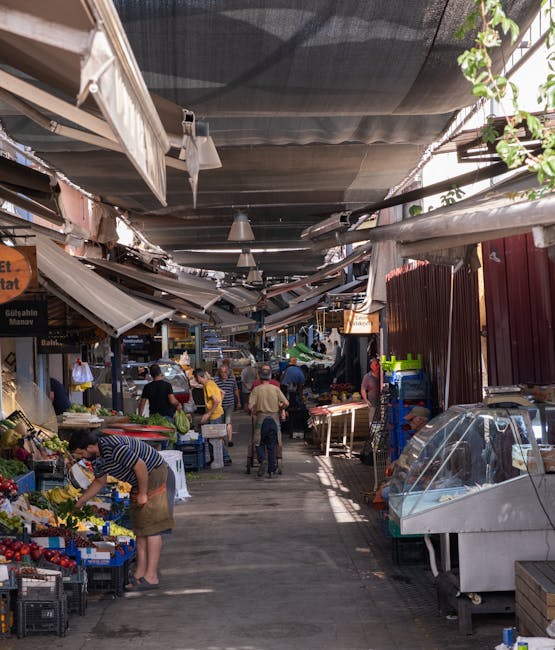
Where to find rare varieties and how to cook them
San Salvario is a great place for discovery: heirloom tomatoes (yellow pear, black cherry), round courgettes for stuffing, and tender young shoots. Producers often share recipe tips: for instance, stuffed round courgettes (zucchine tonde ripiene), or how to prepare cardoon Piedmont-style — blanch then gratin with a light béchamel and cheese. If you’re on a tight budget, ask vendors about “second-choice” produce (imperfect-looking but perfectly tasty) sold at a discount.
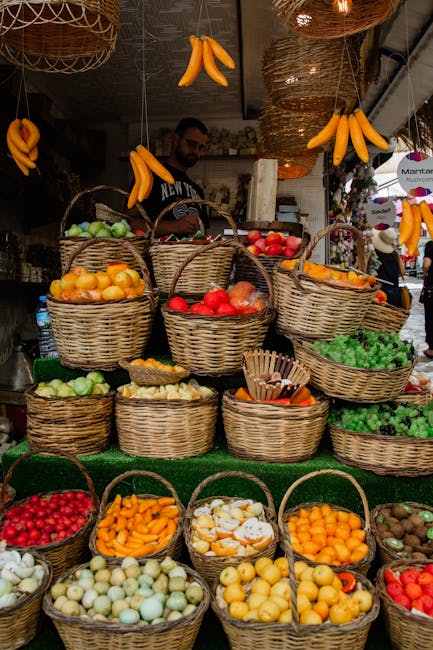
Eataly Torino Lingotto and Covered Market — premium organic produce and curated producers (Via Nizza 230)
Eataly Torino Lingotto deserves a special mention for those seeking a refined selection of organic vegetables accompanied by professional culinary advice. Address: Eataly Torino Lingotto, Via Nizza 230, 10126 Torino. Eataly blends a gourmet marketplace, producer stalls, restaurants and workshops. Typical hours: open daily, usually from 09:00 to 22:00 (hours may vary with season and events — check the website or posted times).
Prices at Eataly can be slightly higher than open-air markets, justified by careful selection, packaging and guaranteed quality:
- Heirloom tomatoes (Eataly’s curated selection, organic): €4.50–€7.50/kg
- Organic parsnips: €3.00–€5.50/kg
- Mixed ready-to-cook organic vegetables: €6.00–€12.00/pack
Why choose Eataly? It’s perfect for those who want full service: chef advice, tasting counters, workshops on organic cooking and a gourmet book corner. For international visitors, the advantage is multilingual information and the possibility to combine shopping with lunch — handy if you can’t store purchases in a hotel room. Tip: check weekly promotions on local products and ask staff for recipe ideas; they’re often trained by chefs.
Click here to sample chocolate and wine with an expert guide
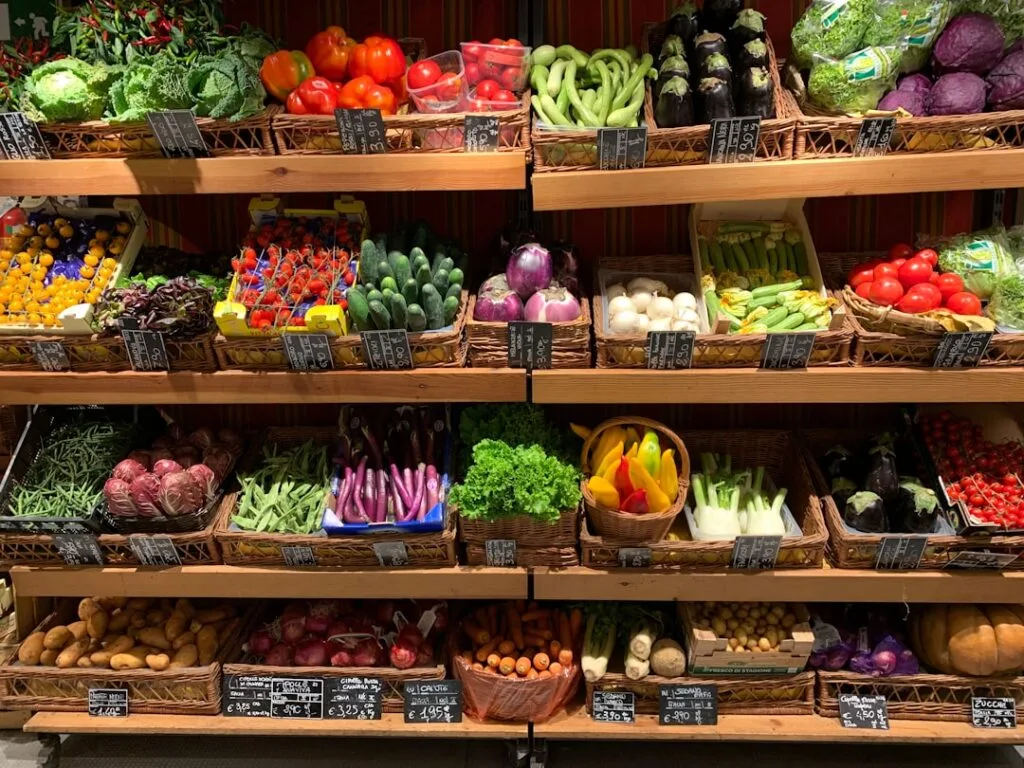
Covered market and direct-producer corners
Inside Eataly you’ll find corners dedicated to Piedmontese producers selling directly. These stalls display product origin and often the distance traveled (km zero). This makes responsible choices easy and guarantees that vegetables come from the Po plain or nearby hill farms. If you’re interested in weekly boxes, several producers present here offer subscriptions or contacts for local delivery.
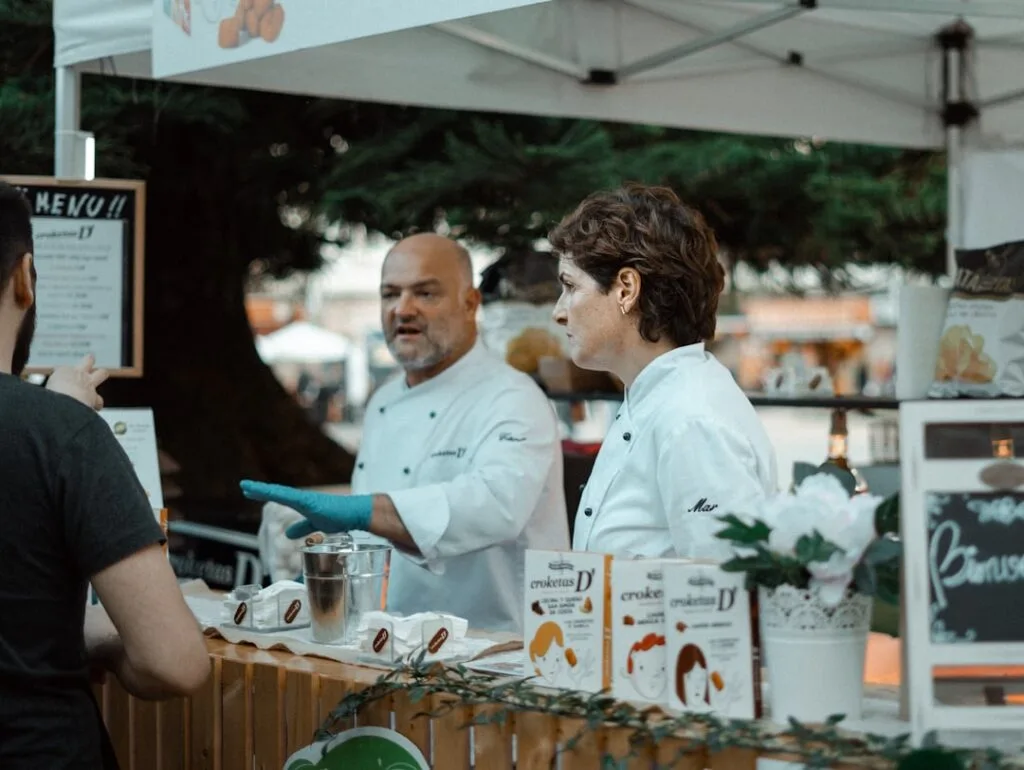
Cooperativa Terra e Gente & local AMAPs — the sustainable, community alternative
Beyond markets, Turin is served by several cooperatives and AMAPs (associations that support small-scale farming) where you can subscribe to weekly organic vegetable boxes. A notable cooperative is Cooperativa Terra e Gente (offices and pick-up points across the city — check their local page for locations). AMAPs offer seasonal subscription plans: in exchange for an upfront payment, you receive a weekly box of seasonal vegetables. Indicative rates:
- Individual weekly box (organic): €8–€15/week
- Family weekly box (organic): €18–€30/week
- Membership / admin fees: €10–€30/year
The advantage of AMAP boxes: stable prices, direct relationship with the grower, regular discovery of less common vegetables and a reduced environmental footprint (less packaging, optimized transport). Practical tip: before committing, ask for a sample box or a farm visit — most cooperatives organize open days.

How to choose between a market, Eataly and an AMAP
Your choice depends on lifestyle and priorities: if you love variety and bargaining, go to Porta Palazzo. If you want quality, comfort and culinary advice, Eataly is ideal. If you prefer a sustainable commitment, fixed prices and supporting a local farm, opt for an AMAP or cooperative. Many Turinese combine all three: an AMAP box for the weekly basics, the market for extras and Eataly for culinary inspiration.
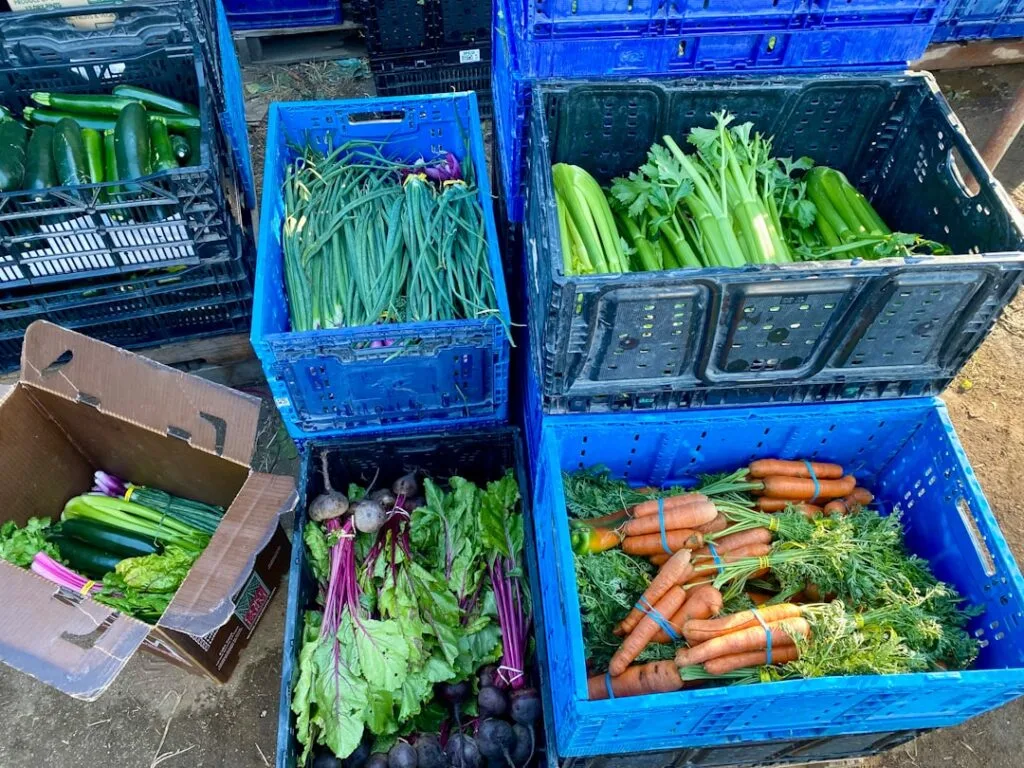
Local practical tips: seasonality, storage, transport and smart shopping
Buying seasonal vegetables starts with understanding the Piedmont calendar. Quick seasonal notes: in spring, artichokes, asparagus and young peas; in summer, tomatoes, eggplants, courgettes and peppers; in autumn, squashes, mushrooms and cabbage; in winter, cardoons, endives, potatoes and hardy carrots. Practical advice:
- Identifying organic: ask for the BIO certificate or the EU approval code (IT-BIO-XXX). A transparent producer will often show the packaging label or certification register.
- Storage: delicate leaves (salads, herbs) should stay cool and be eaten quickly. Root vegetables (carrots, turnips) can last several weeks in the fridge or a cool dark spot.
- Transport: choose reinforced reusable bags and, in summer, insulated bags for perishable items. If you buy in large quantities, ask for a box or crate — producers often have suitable packaging.
- Bargaining: at the market, buying in bulk (2–3 kg) often gets you 10–20% off; shop toward the end of market hours for discounts on items that need to go.
Finally, always carry a small kitchen kit: a pocket knife for tasting, extra bags and a water bottle. And above all, be open to advice: Turin vendors know family recipes that will elevate your vegetables — Piedmontese cooking is simple, seasonal and generous.
Conclusion: where to go based on your profile — final practical checklist
Turin offers a complete spectrum for lovers of seasonal organic vegetables. If you’re curious and want variety and atmosphere, Mercato di Porta Palazzo (Piazza della Repubblica, 10152 Torino) is unmissable — embrace the morning bustle and spend time talking to producers. For a gentler neighborhood experience with occasional exotic finds, Mercato di Piazza Madama Cristina (Piazza Madama Cristina, 10126 Torino) is perfect. If you want quality, neat presentation and culinary workshops, Eataly Torino Lingotto (Via Nizza 230, 10126 Torino) combines retail and learning. And if you prefer sustainable commitment, consider a local cooperative or AMAP for a weekly box and a direct relationship with the farm.
Quick checklist before you head to the market:
- Check opening hours (open-air markets are often early: 06:00–14:00) and the weather.
- Bring a sturdy reusable bag and, in summer, an insulated bag.
- Carry some cash (€1 and €2 coins are handy for small purchases).
- Ask about origin and organic certification (IT-BIO or equivalent).
- Shop early in the morning for peak freshness, or late morning for bargains.
In short, Turin is not just a city of history and culture: it’s a local capital of sustainable gastronomy where organic markets connect town and countryside. Whether you’re a chef, a food-loving traveler or a resident mindful of health, Turin’s markets offer seasonal vegetables that tell a story — the story of Piedmont’s terroir, diversity and agricultural know-how. Happy market shopping, buon appetito and enjoy the flavorful journey through Turin’s colorful lanes.