





Introduction: Palazzo Madama, between fortress and royal palace
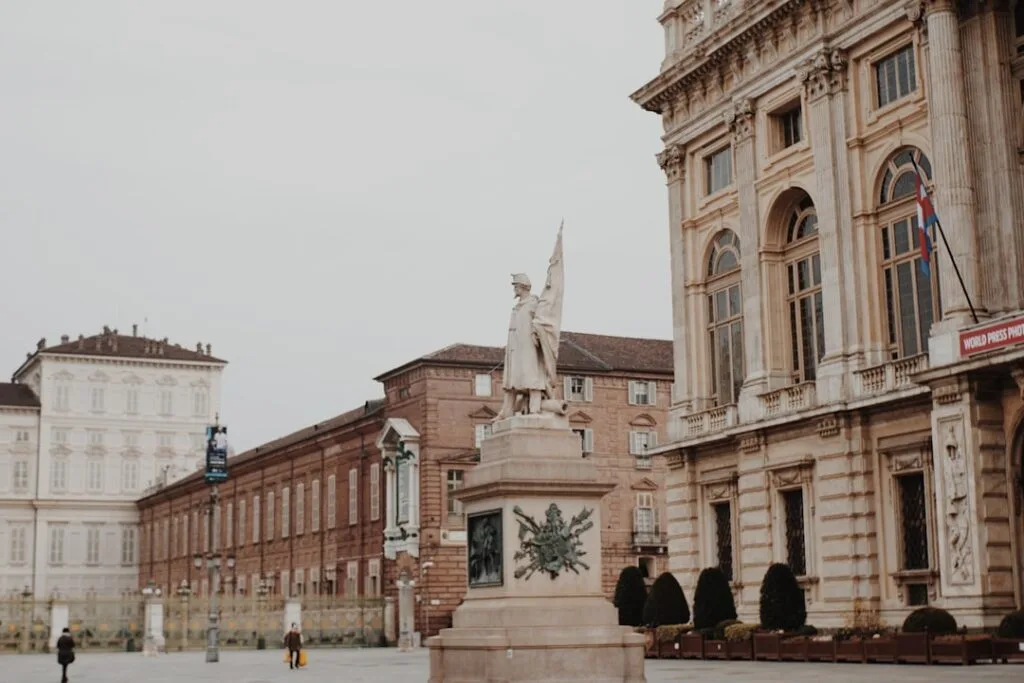
In the heart of Turin, dominating the broad expanse of Piazza Castello, stands Palazzo Madama — a building whose silhouette condenses several centuries of Piedmontese history. At different times a medieval fortress, princely residence, administrative center and museum of ancient art, this palace layers the historical and architectural phases of the Piedmont capital. Here, medieval stone meets Baroque flair, and the façades tell stories of power, prestige and urban transformation that shaped Turin into the city it is today.
Visiting Palazzo Madama is a stroll through time: from the foundations of a Romanesque and medieval fortification to the sumptuous 17th-century fittings commissioned by Christine of France, known as “la Madama Reale,” from whom the palace takes its name. Today the site houses the Museo Civico d’Arte Antica, a rich collection of artworks, sculptures, tapestries and objects that reveal the tastes and influence of the families who governed the region. You’ll also find architectural fragments, elaborately decorated rooms and a terrace that offers surprising views over Turin’s rooftops and, on clear days, of the Alps.
But beyond the exhibits, Palazzo Madama’s charm lies in its dual nature: it is simultaneously a fortress — a relic of a defensive town — and a royal palace steeped in the pomp of the Savoy court. This ambivalence is obvious in the thickness of its walls, the juxtaposition of massive towers and rhythmically placed windows with carved balconies, and in the way reception rooms sit above military and administrative spaces. An attentive visitor can read Turin’s urban evolution here: from fortified borough to court capital, then to a modern cultural city.
In this article I’ll cover not just the history and architecture of Palazzo Madama but also practical visiting information: addresses, opening hours, ticket prices, useful routes, the must-see works in the Museo Civico d’Arte Antica, temporary exhibitions and local tips to make the most of your visit — from the best time to photograph the façade to nearby cafés to warm up in after a day of exploration. For travelers wanting a deeper immersion, I’ll also outline how Palazzo Madama connects with other Turin highlights like the Palazzo Reale di Torino and the Museo Egizio, so you can build a cohesive cultural itinerary.
 Click here to book a nighttime tour of Palazzo Madama
History and architecture: from medieval tower to Baroque palace
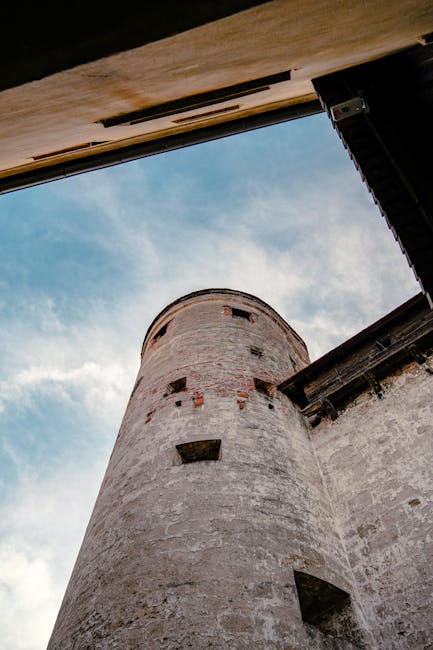
Palazzo Madama plays a central role in Turin’s urban history. Its oldest core is a fortified medieval structure — with towers and curtain walls — built between the 12th and 14th centuries to protect the city’s north–south spine. Originally it wasn’t a representative palace but an urban fortress, a sign of an era when defense shaped the layout of inhabited centers.
In the 17th century, driven by the Dukes of Savoy and especially through Christine of France, widow and regent, Palazzo Madama was transformed into a lavish residence. Architect Filippo Juvarra and other Italian masters contributed to the Baroque renovations and embellishments. It was during this period that the sculpted façades and decorative elements were added, giving the building the distinctive “royal palace” look. The contrast between the sturdy medieval base and the elegantly adorned upper levels makes Palazzo Madama a living example of architectural stratification.
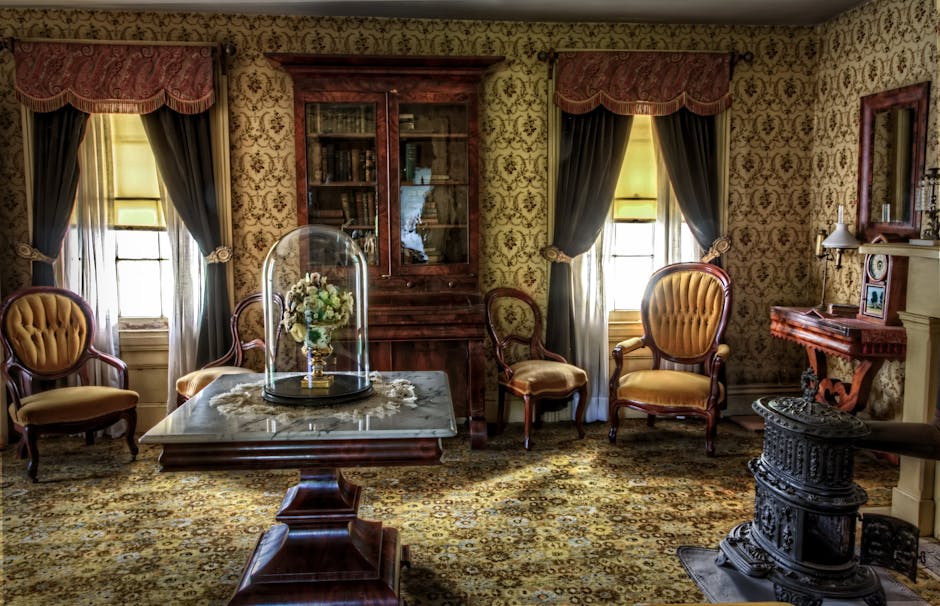
The materials used — local pale stone and marbles — and the carved details testify to the region’s artisanal expertise. Inside, you move from heavy, solid spaces to richly decorated rooms: painted ceilings, carved woodwork, monumental fireplaces and ornate paneling. These fittings were designed to impress visitors and diplomats, staging the power and refinement of Turin’s rulers.
Also notable are the 20th-century restorations that opened the palace to the public and installed the Museo Civico d’Arte Antica. Conservators often had to choose between preserving medieval elements and restoring Baroque features; those choices are visible during a visit and are an instructive example of heritage conservation. The museum layout respects this duality, alternating historical rooms with displays that engage with their surroundings.
The Museo Civico d’Arte Antica: collections, highlights and a visiting route
Today Palazzo Madama houses the Museo Civico d’Arte Antica, a municipal collection focused on ancient arts and precious objects from Piedmont and Italy. The exact address for visits is: Palazzo Madama, Piazza Castello 165, 10122 Torino TO, Italy. The museum sits in the historic center, just steps from the Palazzo Reale di Torino (Piazza Castello 107) and the Duomo di Torino (Piazza San Giovanni 2).
Opening hours (subject to seasonal changes): Tuesday to Sunday 10:00–18:00; closed Monday. It’s a good idea to check the Musei Civici Torino official site before you go, since some temporary exhibitions can affect opening times. Indicative ticket prices: full price €10.00; reduced €8.00 (youth, seniors and specific categories); free for under-18s and on certain European cultural days. Combo tickets or annual passes may be available; guided tours and audio guides are often offered for an extra fee (around €3.00–€5.00 for an audio guide).
Among the highlights are medieval and Renaissance sculptures, portraits, tapestries and period ceramics. Don’t miss the Sala del Trono (the throne room) and the route up to the panoramic terrace — an excellent spot to gauge the palace’s imprint on the city. The collections of goldsmithing and weaponry also provide a fascinating glimpse into court life and military preparations.
Suggested route for a full visit: start on the ground floor to appreciate the medieval architecture (towers and walls), then climb to the Baroque state rooms where paintings and objects are displayed, and finish on the panoramic terrace. Allow between 1h30 and 2h30 for a thorough visit, longer if you join a guided tour or linger in temporary exhibitions.
Click here to book your skip-the-line ticket for the Royal Palace
Practical tips for visiting: hours, access, dining and local hacks
Getting to Palazzo Madama is easy thanks to its central location. Address: Palazzo Madama, Piazza Castello 165, 10122 Torino TO, Italy. Practical ways to reach it: by metro, use the “Porta Nuova” or “Re Umberto” stations depending on where you’re coming from, then a short walk to Piazza Castello; by bus, lines 2, 4, 13 and 15 serve the central area; if you’re driving, the nearest underground car park is Parcheggio Interrato – Piazza Castello (entrance via Via Roma), but watch out for ZTL (limited traffic) zones — check restrictions if you intend to enter the center by car.
Hours and prices recap: open Tuesday–Sunday 10:00–18:00; closed Monday. Full ticket €10.00, reduced €8.00, free for under 18s; audio guides and guided tours at extra cost (€3.00–€10.00 depending on the option). For up-to-date information, book online through the Musei Civici Torino official site or contact the museum’s ticket office. Lines can be longer on weekends and school holidays — aim for a weekday morning visit for a quieter experience.
Local tips: arrive early to take advantage of the morning light that flatters the façade facing Piazza Castello (perfect for photos). If you fancy a treat after your visit, stroll down Via Roma and drop into Caffè Torino (Piazza San Carlo, 156) for a bicerin, Turin’s traditional drink made of coffee, chocolate and cream. For a full nearby lunch, Trattoria Valenza (Via della Consolata, 15) serves classic Piedmontese dishes.
Accessibility: the civic museums have made efforts to improve access for visitors with reduced mobility, with elevators and adapted routes for some parts of the palace; however, certain historic areas may still have steps and narrow passages. Ask at the front desk for the accessible route. Photography: non-flash photography is generally allowed in museum areas, unless otherwise indicated for specific works or temporary shows.
Events, temporary exhibitions and themed tours
Palazzo Madama regularly hosts temporary exhibitions, lecture series and themed tours (for example on 17th-century court life, Baroque fashion, or arms and armour). These events are often announced on the Musei Civici Torino site and in the city’s cultural calendar. There are specific guided tours for families, school groups and English-speaking visitors: book ahead, especially for tours in foreign languages.
Conclusion: why you shouldn’t miss Palazzo Madama during your stay in Turin
Palazzo Madama is more than a museum: it’s a living record of Turin’s urban and political development. Its dual identity — medieval fortress and Baroque royal palace — makes it a must-see for understanding the city’s soul. Crossing its threshold you enter a place where history is written in stone, where each room tells an era, and where the collections converse with the building’s very architecture.
Plan your visit keeping the opening days in mind (open Tuesday–Sunday 10:00–18:00; closed Monday), book tickets when possible (full €10.00, reduced €8.00) and favor weekday mornings for a more intimate experience. Use the palace’s central location — Piazza Castello 165 — to continue your exploration at the nearby Palazzo Reale di Torino (Piazza Castello 107), the Duomo di Torino (Piazza San Giovanni 2) or the Museo Egizio. After the visit, treat yourself to a bicerin in one of the city’s historic cafés or wander the arcaded streets that give Turin its charm.
For curious visitors, Palazzo Madama also offers a unique photographic experience: the terrace and various vantage points over the roofs open rare perspectives on the city and the Alps on clear days. It’s the ideal place for those who love to combine history, architecture and lively cultural life. Finally, don’t forget to check the temporary exhibition and events calendar: themed shows often highlight little-known aspects of the collection or include loans from other European museums.
All in all, including Palazzo Madama in your Turin itinerary guarantees a dense, nuanced immersion in European history: from stone ramparts to ornate salons, from military shells to royal finery, every stone and object tells a story worth discovering slowly. Lace up your walking shoes, bring your curiosity and your camera — Torino and its Palazzo Madama are waiting for you.