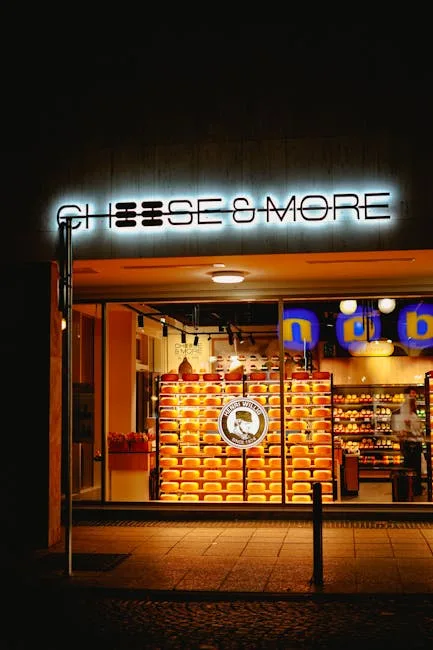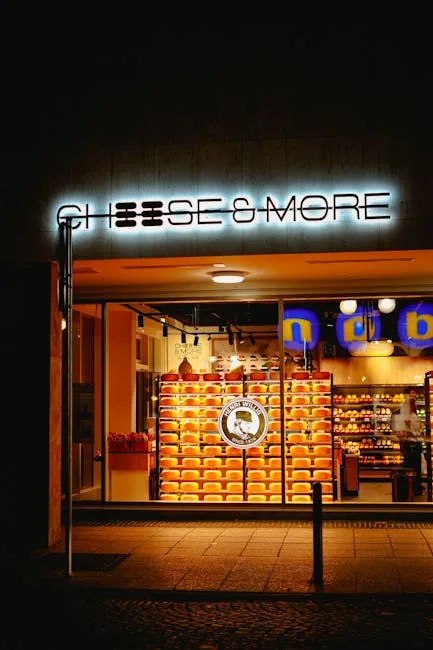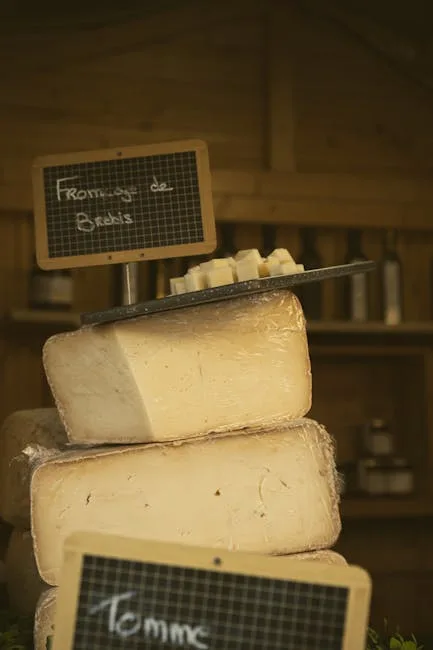






Introduction: Turin, the Piedmont Cheese Capital
Turin isn’t just the city of chocolate, historic cafés and the Mole Antonelliana — it’s also a low-key cheese capital. Nestled between the Alpine valleys of Piedmont and the region’s fertile plains, Turin sits at the crossroads of one of Italy’s richest cheesemaking traditions. Where food meets history, cheese stalls — from tiny artisan counters to large market halls — tell a flavorful story of mountain milk, humid aging caves, and passionate dairy farmers. In this guide I’ll take you down the alleys and squares where you can sniff, taste and buy the best cheeses Turin has to offer, with addresses, opening hours, price ranges and practical tips for an authentic local experience.
Whether you’re a curious foodie, a terroir hunter, or a home cook planning a tasting, knowing where to go makes all the difference. In Turin, every market has its specialties: in the city center the Mercato di Porta Palazzo lines up stalls where tommes and robiolas are bargained over like neighborhood gossip; Eataly Torino Lingotto stages the region’s best in a modern setting, hosting visiting producers and organized tastings; and the small family cheesemongers scattered across the Quadrilatero Romano and along the Po offer irreplaceable human encounters with artisans who’ll tell you the story behind every wheel.
This guide gives you more than just addresses — the exact stall names and precise locations — it also offers price ranges in euros, practical opening hours to plan your visits, sensory descriptions so you know what to look for, and local tips for buying, storing and tasting properly. I’ll also point out the best time of day for each spot: some stalls shine in the morning, when market light brings out rind colors; others hit their stride in the afternoon, perfect for a relaxed tasting after visiting museums like the Museo Egizio or strolling along the Po.
Read on to discover Turin’s essential cheese stalls — from big markets to tiny historic cheesemongers — and to plan your cheese-focused itinerary with confidence. With addresses, hours, prices and practical advice in hand, you’ll be ready to bring home cheeses that really tell the story of Piedmont.
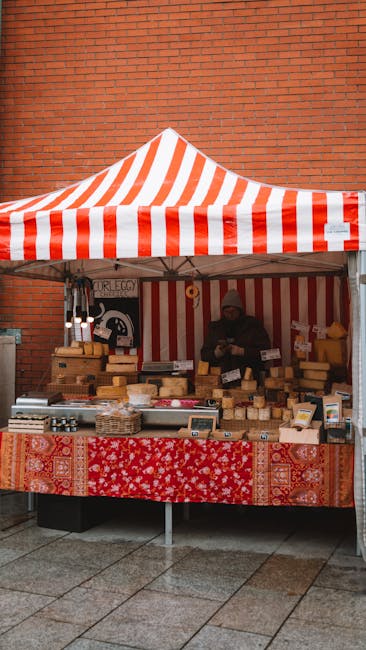
Mercato di Porta Palazzo: the Beating Heart of Turin’s Cheese Stalls
Mercato di Porta Palazzo, at Piazza della Repubblica, 10152 Torino, is the largest open-air market in Europe and a must for anyone wanting to dive into Turin’s cheese scene. Opening very early — most stalls are active between 6:00 and 14:00 Monday to Saturday (Sunday is much reduced; check seasonally) — the market delivers a sensory buzz: fresh milk aromas, herbs, vendors’ voices, and towering piles of cheese stacked by arrival.
Stalls to watch for include the « Caseificio Artigiano Porta Palazzo » counter (central north side, near Via Palazzo di Città) which offers mountain tommes (Toma Piemontese) from around €7.50/kg for common versions up to €18–25/kg for special maturations; the « Formaggi di Valle » stall (central aisle, stall 32) is known for fresh robiolas (about €2.50–4.00 per 100–150 g piece) and local goat cheeses. Prices fluctuate with aging: a young toma is often €12–18/kg, while a well-aged caciocavallo or pecorino can reach €20–30/kg.
Practical tips for visiting:
- Arrive early (7:00–9:00): the best bits disappear fast, especially soft cheeses in the morning. Vendors are also more available to chat about aging and origin.
- Bring cash: many stalls accept cards, but small purchases are often easier in cash.
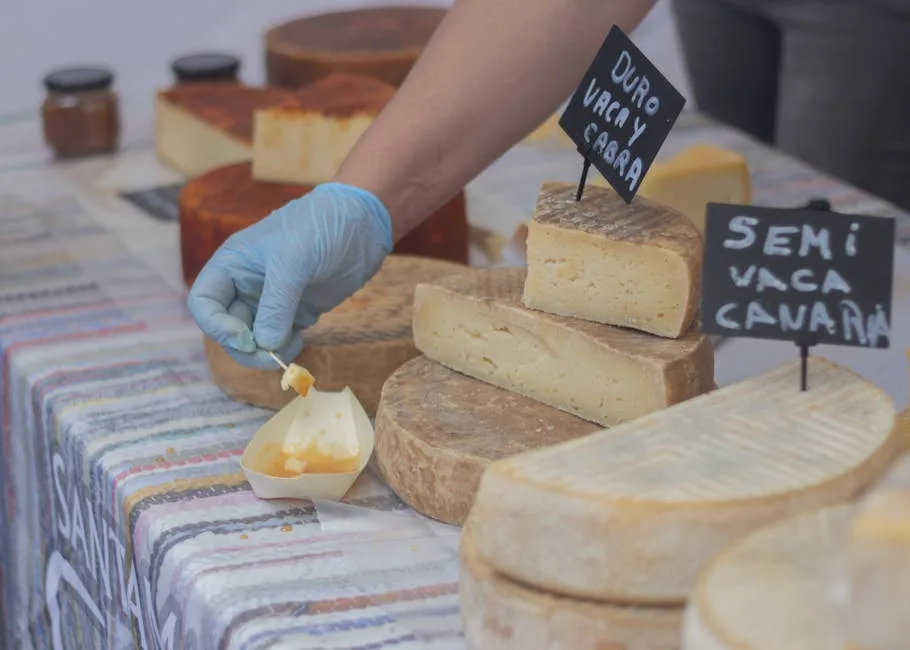
- Taste before you buy: most stalls offer samples. Don’t hesitate to ask about the milk (cow, goat, sheep), aging (days, months) and origin (Alpine valleys, Langhe, Monferrato).
- Store properly: ask for vacuum packing if you’re taking a train or need to keep cheese for several days.
Mercato di Porta Palazzo is also a lively tourist spot: after shopping, stroll toward Corso Venezia or grab a cheese panino at one of the nearby small terraces. Producers from the valleys often come into town on certain days — ask about producers’ market days if you’re searching for very specific farmhouse products.
 Click here to discover Turin on foot with tastings
Eataly Torino Lingotto: the Modern, Educational Cheese Stage
Eataly Torino Lingotto, in the Lingotto complex at Via Nizza 230, 10126 Torino, is one of the top spots to explore Italian cheeses in a modern setting. Usually open from 10:00 to 22:00 daily (sometimes extended on Fridays and Saturdays), Eataly blends a shop, restaurants, workshops and tasting spaces, with a cheese counter well stocked and rotating local and national producers.
Eataly’s cheese counters are staffed by expert cheesemongers who work directly with Piedmont and southern Italian dairies. You’ll find products like Castelmagno DOP (around €28–45/kg depending on aging), toma piemontese (€12–20/kg), mild or spicy gorgonzola (€12–22/kg), and selections from small artisan producers with prices that can vary between €20 and €60/kg for rare or heavily aged cheeses.
Highlights:
- Tasting workshops: Eataly regularly runs sessions (guided tastings, wine-and-cheese pairings, « cheese-and-honey » workshops) priced €15–45 per person depending on the format.
- Personalized advice: cheesemongers help you compose boards and choose packaging suited to travel.
- Complementary products: a wide range of artisan breads, jams, honeys and charcuterie to assemble a full board on site or to take away.
Practical tips:
- For a relaxed visit, aim for late afternoon (17:00–19:00) after exploring the Museo dell’Automobile or the Lingotto area.
- Book workshops in advance, especially on weekends — demand is high.
- If flying with cheese, request vacuum packing and follow customs rules.
Click here to book a 3-hour food tour
The Quadrilatero Romano Cheesemongers: Historic Charm and Small Finds
The Quadrilatero Romano, the old central quarter around Piazza della Consolata and Via Garibaldi, is full of small cheesemongers and delicatessens where human contact takes center stage. Typical addresses to note: « Antica Latteria Torino » (Via San Tommaso 10, 10123 Torino) — an indicative address for a historic city counter — usually open Monday to Saturday from 9:00 to 19:00; and « Gastronomia del Quadrilatero » (Piazza Emanuele Filiberto, 10122 Torino), a shop offering ready boards and takeaway portions.
These boutiques stand out for:
- A curated selection: local affinages, small-valley producers and family recipes.
- Personal service: slicing to order, wine-and-cheese pairing advice (ideal for an aperitivo in a rental apartment), and boards for 1 to 6 people (prices €8–40 depending on composition).
- Atmosphere: stone walls, neat displays and often multi-generational staff who love to tell the story of Piedmontese cheese.
Price guidelines:
- Tasting board (small, for 1–2 people): €8–12
- Medium board (3–4 people): €18–30
- Rare aged cheese (200 g portion): €6–15 depending on the product
Tips:
- Always ask about origin: a good seller will specify the valley, the milk and the aging method.
- Eat soft cheeses at room temperature: take them out 30–60 minutes before tasting to reveal textures and aromas.
- Explore in the late afternoon: Quadrilatero shops are perfect for a spontaneous aperitivo after visiting the Cattedrale di San Giovanni Battista or wandering the neighborhood’s medieval lanes.
Click here to book a walking tour with tastings
Mercato Centrale Torino and Specialized Indoor Halls
Mercato Centrale Torino, located near the Porta Palazzo market (main access at Piazza della Repubblica / Via Milano), is an indoor market hall gathering artisans, caterers and specialty vendors. Typical hours run from 8:00 to 20:00, with variations depending on stalls and weekend events. It’s the perfect sheltered market experience if it’s raining while still keeping market atmosphere.
Stalls to explore in this hall include:
- Banco dei Formaggi Tradizionali: a selection of Piedmont and national cheeses, with portions starting at €3 (100 g) and whole wheels from €10 to €50/kg depending on aging.
- Mountain producers’ stand: high-altitude cheeses often sold €18–35/kg. Producers sometimes come on weekends, bringing cheeses made that week.
- Tasting counter: ready boards (€10–25) served with wines and artisan bread.
Why come here? Mercato Centrale is ideal if you want to compare multiple producers under one roof, especially in bad weather. Vendors are often bilingual (Italian/English) and happy to explain the difference between a robiola and a toma, or between a smoked caciotta and a raw cow’s milk tome.
Practical tips:
- Check producers’ days: some stalls have special arrivals on Fridays and Saturdays.
- Combine visits: pair the hall with a stop at the Museo del Risorgimento or nearby Porta Palazzo depending on your interests.
- Transport: request vacuum packing if you need to take a train from Gare di Porta Nuova; staff often know the best ways to keep cheeses safe during travel.
Historic Dairies and Producers to Visit Around Turin
Around Turin, several historic dairies and farms open their doors to visitors — a fantastic way to understand Piedmont’s dairy agriculture. These visits let you buy directly at the source (often at better prices) and watch the production: milking, rennet, molding and aging cellars. Here are types of places to look for and tips on organizing visits.
Common destinations include:
- Artisanal valley dairies (e.g., Val Chisone or Val di Susa): exact addresses should be requested in advance — these dairies sell farmhouse tommes for €8–20/kg depending on season.
- Mountain dairies in the Piedmont Alps: high-altitude alpage cheeses often cost more (€20–40/kg) but have unique flavors tied to alpine flora.
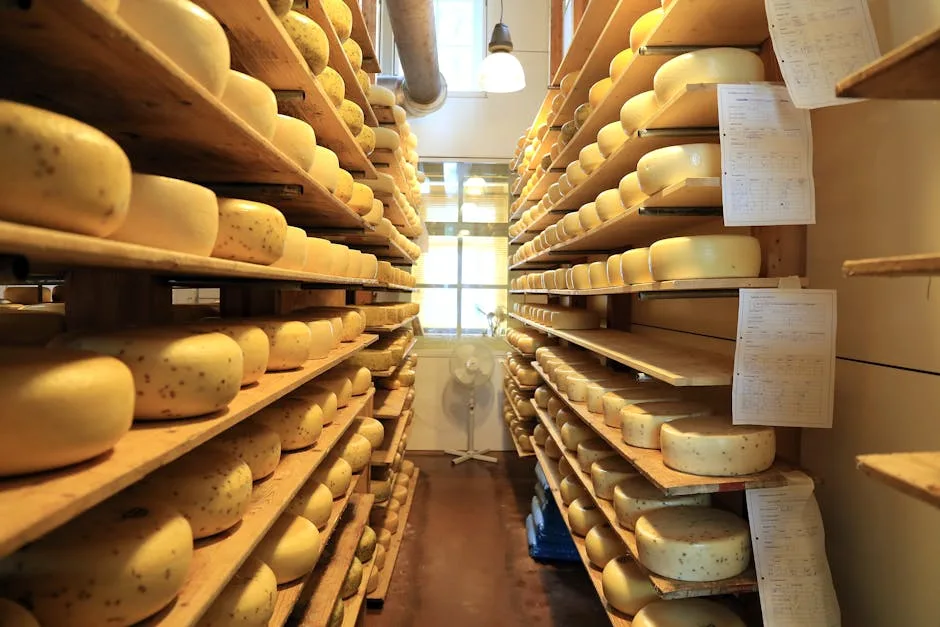
- Small aging cellars around Turin: guided tours explain humidity, temperature and aging length (visit fees €5–20 per person).
Tips for organizing:
- Contact ahead: many farms welcome visitors by appointment. Call or email to book a visit and check seasonal hours (many close or reduce visits in low season or winter).
- Buy on site: besides cheeses, you can often buy yogurt, farmhouse butter and homemade preserves (price tips: small yogurt pot €1–2, butter €4–6 per portion, preserves €3–8).
- Bring a cooler bag: if you plan to buy several kilos, an insulated bag helps protect your purchases on the trip home.
Visiting a dairy around Turin also gives you the chance to buy rare items like Raschera d’Alpeggio, Castelmagno DOP directly from the producer, or traditionally smoked tommes. Farmers are usually happy to share tasting tips and local pairing advice: full-bodied reds like Barolo or Barbaresco for powerful cheeses, aromatic whites for soft cheeses.
Practical Tips for Buying, Storing and Tasting Cheese in Turin
To get the most from your cheese shopping in Turin, a few local and practical tips will help. Here’s a compact but precise guide to buying smart, storing well, and organizing a memorable tasting either at your accommodation or right after purchase.
Buying:
- Ask about origin: quality often ties to provenance (Alpine valleys, the Langhe hills, the plains). The more local the producer, the stronger the terroir profile.
- Take time to taste: most stalls give samples. Try cheeses at different temperatures (cold vs room temperature) to perceive how aromas evolve.
- Make small, frequent purchases: opt for several small portions rather than one large piece to keep freshness and variety.
Storing:
- Short transport: keep cheeses cool, ideally in an insulated bag. If you buy for the same day, store them in the coolest spot of your apartment.
- Check packaging: prefer vacuum packing for long trips or flights. Otherwise, paraffin paper or breathable film (not airtight plastic) is better for short-term storage.
- Refrigeration at home: keep most cheeses in the less cold part of the fridge (4–8 °C) and take them out 30–60 minutes before tasting.
Tasting and pairing:
- Soft cheeses (mild gorgonzola, robiola): pair with an aromatic white or Prosecco if you want something sparkling. A decent bottle in Italy costs around €8–20.
- Pressed cheeses (toma, Castelmagno): go with local reds like Barbera d’Asti or Nebbiolo.
- Goat and sheep cheeses: local honey (€5–10 per jar) and quince jam make great matches.
Final local tips:
- Explore beyond the classics: ask for « off-menu » suggestions — often the best finds aren’t on display.
- Respect opening hours: markets close early; plan purchases for morning or early afternoon.
- Support small producers: many artisans offer seasonal products and family stories — they’ll appreciate hearing your feedback and you might be invited back.
Suggested itinerary for a cheese day in Turin
A typical day could start early at Mercato di Porta Palazzo (7:00–10:00) to pick up first items, continue to Mercato Centrale to compare and have lunch there (12:00–14:00), then wander the Quadrilatero Romano for late-afternoon purchases and enjoy a sunset tasting by the Po with the Mole Antonelliana as your backdrop. If you have an extra half day, book a morning visit to a caseificio on the outskirts to learn about production.
Conclusion: taking a piece of Piedmont home
Turin is a city to taste as much as to see. Its cheese stalls — spread across large halls, open-air markets and historic shops — are gateways into Piedmontese culture. By exploring Mercato di Porta Palazzo, Eataly Torino Lingotto, Mercato Centrale and the small cheesemongers of the Quadrilatero Romano, you’ll experience a range of textures and aromas — from fresh robiola to cave-aged tomes, from powerful Castelmagno to alpine cheeses scented with mountain flowers.
Armed with the addresses, hours and prices in this guide, you can plan your visits based on your interests: culinary curiosity, shopping for a dinner, or educational trips to producers. Don’t forget the practical tips: arrive early, taste, ask for suitable packaging for transport, and favor several small purchases to extend the pleasure. Turin’s cheesemongers usually love sharing their knowledge; a short conversation can turn a simple purchase into a true lesson in terroir.
Finally, remember that every piece of cheese you bring home from Turin tells a story — of an alpine pasture, a cow or a goat, an aging process and local know-how. Whether you vacuum-pack a wheel to share later or enjoy it right away with a glass of Barbera, these stalls invite you to experience Turin from the inside. Happy tasty travels and buon appetito!