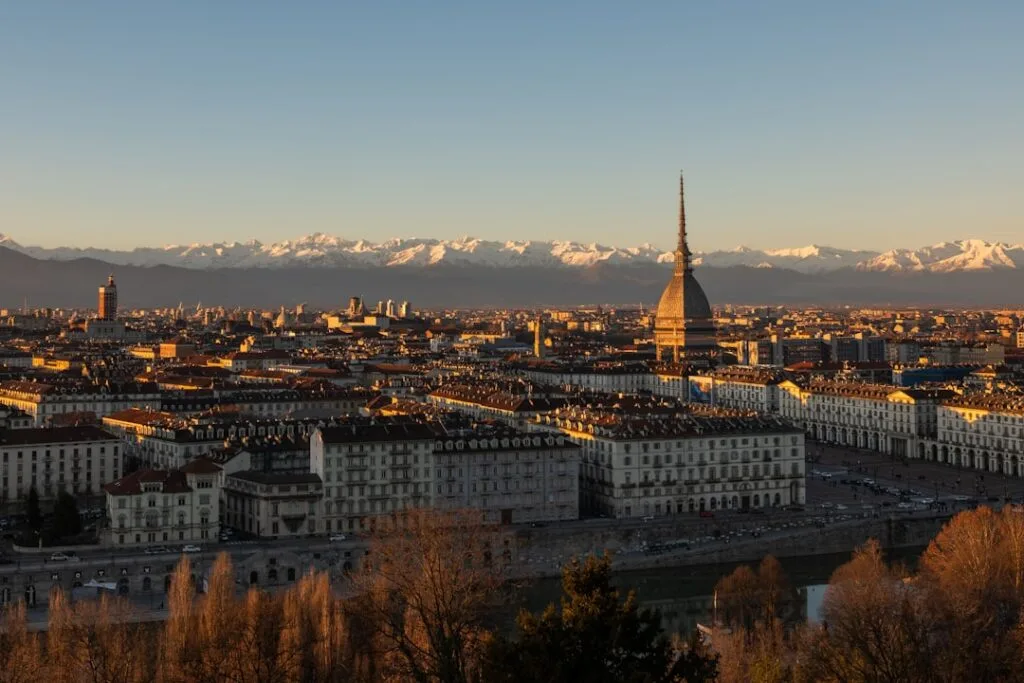





Introduction — Savoy Secrets: Inside Turin’s Palazzo Reale
In the heart of Turin, framed by the baroque outlines of the arcades and the stately symmetry of Piazza Castello, stands the Palazzo Reale di Torino — the Savoy family’s mother palace. This building is more than an impressive façade: it’s an open book about political maneuvers, scandalous romances, commissioned artworks and lavish ceremonies that shaped the history of Piedmont and Italy. Step across its threshold and you enter a world where every salon, painting and tapestry tells a piece of power, where the most discreet corners hold confidences and objects that have survived centuries.
The House of Savoy ruled for centuries, striking a remarkable balance between European prestige and local roots. The Palazzo Reale — located at Piazza Castello 107, 10122 Torino — was redesigned and extended by architects like Filippo Juvarra and enriched by Italian and European artists. Its private apartments, the spectacular Sala d’Armi (Armeria Reale) and the art collections testify to a near-theatrical desire to stage power. But the palace wasn’t only about display: it was also the scene of military decisions, treaties, diplomatic marriages and family tragedies that influenced the geopolitics of the continent.
Visiting the Palazzo Reale is a trip through time. Tapestries and gilding transport you back to the splendour of official receptions; the kitchens and stores reveal the tangible everyday life behind the pomp; the Teatro di Corte and the chapel tell the public and private spirituality of the sovereigns. The palace also hides lesser-known secrets: concealed rooms, private passages, period graffiti and personal items — watches, reliquaries, ceremonial garments — that humanize the rulers and remind us that power is exercised in intimate spaces too.
Beyond the palace itself, the complex includes several major complementary sites: the Armeria Reale, the Galleria Sabauda and the Giardini Reali, each with its own story and atmosphere. Nearby are the Palazzo Madama and the famous Museo Egizio, forming a cultural triangle where different layers of history overlap. This article will take you on a detailed route, offering immersive descriptions of rooms and objects to see, plus practical information — exact addresses, opening times, prices and local tips — to make the most of your visit and uncover the Savoy’s best-kept secrets.
 Click here to book your skip-the-line ticket for the Royal Palace
History and architecture: from medieval fortress to court palace
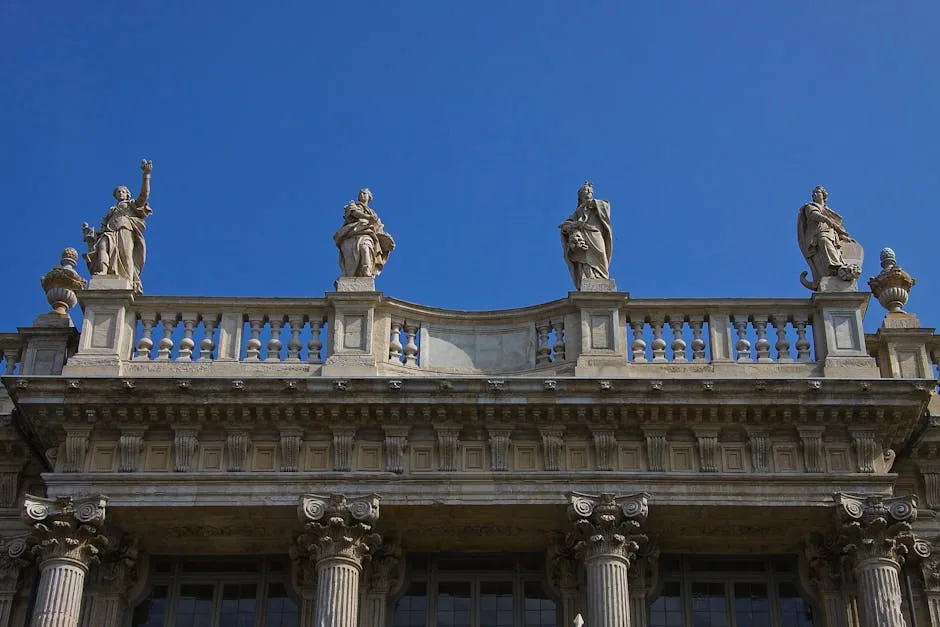
The site of the Palazzo Reale di Torino has roots reaching back to the Middle Ages. The original build, a fortress or fortified residence, was adapted and enlarged to meet dynastic needs. In the 16th and 17th centuries, under the Dukes of Savoy, the building gradually took on the appearance of a princely residence. The intervention of major architects like Filippo Juvarra in the early 18th century transformed the palace into a rigorously baroque ensemble, integrating inner courtyards, monumental staircases and halls for state ceremonies.
The palace’s architecture blends classical elegance with administrative practicality: the Cour d’Honneur (Cortile d’Onore), the grand staircase and the sequence of royal apartments reflect a concern for staging, where each room was arranged according to strict protocol. The richly decorated façades answer the surrounding civic and religious palaces, creating an urban dialogue with Piazza Castello. The palace has undergone reworkings after wars, occupations and restorations — notably after World War II — yet it has preserved a coherent blend of styles and original objects.
The materials and techniques used deserve special attention: local and imported marbles, finely sculpted stuccoes, gilded woodwork, silk hangings and Flemish tapestries. You can also spot technical innovations of the era, such as early heating systems and fittings designed for the comfort of private apartments. The palatine chapel and the Teatro di Corte are two places where architecture becomes an instrument of representation: the chapel for the religious legitimization of power, and the theatre for court culture and aristocratic entertainment.
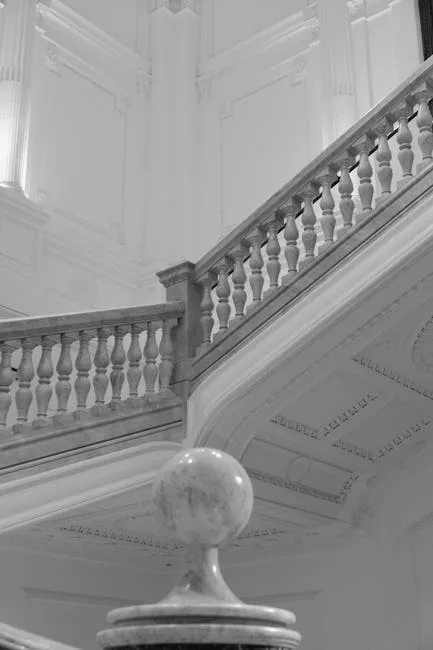
If you love architecture, pick up the palace plan at the entrance to track the original circulation axes and later additions. Don’t miss the honour staircase — often less lit than the salons but revealing of the Savoys’ visual ambitions. Favor a themed guided tour (architecture or decorative history) to understand the chronology of interventions. The Palazzo Reale di Torino is located at: Piazza Castello 107, 10122 Torino.
Click here to book a guided tour of the Savoy Royal Palace
The royal apartments, the Armeria Reale and hidden treasures
Among the most impressive rooms, the Appartamenti Reali present a succession of opulent salons: the Sala delle Guardie, the Gabinetto di Pasticceria, the Sala d’Ercole, the Bedroom of Vittorio Emanuele II, and other private rooms where splendour sometimes masks intimacy. Painted ceilings, gilded woodwork and state furniture tell stories of diplomatic receptions and sumptuous parties. Added to this are personal items — fans, jewelry, liturgical garments — that give a human touch to public figures.
The Armeria Reale (Royal Armoury), housed within the same complex, is a must-see to grasp the military dimension and material power of the Savoys. On display are armours, edged weapons, ceremonial uniforms and banners. Standout pieces include richly decorated parade armours, period artillery pieces and Napoleonic and Sardinian uniforms. The Armeria helps visitors understand the dynasty’s military role, its allies and foes, and the technological evolution of instruments of war.
Some palace treasures remain less visible but fascinating: original diplomatic documents, private correspondence, architects’ sketchbooks, scale models and relics kept in cabinets of curiosities. Occasionally, during temporary exhibitions, items loaned by other European museums — crown jewels, previously unseen portraits and early photographs — shed light on specific episodes (such as Italian unification or princely marriages).
Practical note: the Armeria Reale is often visited with the same ticket as the palace; a combined admission is generally available at the ticket desk. Audio guides and thematic guided tours highlight details the untrained eye might miss. Photographers should check photo policies: handheld photography is sometimes allowed but may be restricted in rooms containing fragile textiles.
Click here to book the 2-hour Palazzo Reale tour
Practical visit info: opening times, prices, route and local tips
Planning your visit to the Palazzo Reale di Torino is key to getting the most out of the experience. Here’s the most useful practical information and local advice for a successful visit.
Main address: Palazzo Reale di Torino, Piazza Castello 107, 10122 Torino.
Opening hours (indicative, check before you go): the Palazzo Reale is generally open Tuesday to Sunday, from 9:00 to 19:00 (last admission 18:30). Closed on Mondays. The Armeria Reale and the Galleria Sabauda follow similar hours, but times may vary during temporary exhibitions or special events.
Indicative prices (recent standard rates):
- Single-entry Royal Palace: around €12 (full price).
- Combined ticket Palace + Galleria Sabauda + Armeria Reale: around €15 (full price).
- Reduced fare (students, seniors, groups): around €8–€10.
- Free entry for under-18s and sometimes on selected cultural days (check the official site).
- Audio guide: often €3–€5.
Practical tips :
- Book tickets online on the official site to avoid queues, especially in high season (April–October) and on weekends.
- Allow 2 to 3 hours for a full visit (Apartments, Armeria, Gardens, possible Galleria Sabauda).
- Bring ID for discounts and wear comfortable shoes: the palace has old floors and staircases without lifts everywhere.
- Check temporary exhibitions and partial closures: some rooms may be inaccessible during official events.
- Take a break in the Giardini Reali to rest: gardens are located at — Giardini Reali, Piazza Castello, 10122 Torino.
- If you plan to visit nearby museums: Palazzo Madama (Piazza Castello 15, 10122 Torino) and the Museo Egizio (Via Accademia delle Scienze 6, 10123 Torino) are just minutes on foot.
Transport and parking:
- Closest tram and bus stop: Piazza Castello (local lines). Metro: Porta Nuova station is about a 10–15 minute walk depending on your starting point.
- Downtown parking: paid underground car parks around Piazza Castello; favour official lots (rates vary, expect about €2–€3 per hour in central zones).
Local tips for after your visit:
- For a tasty break, try the traditional Bicerin at the Caffè al Bicerin (Piazza della Consolata — check the exact address locally) — Turin’s historic hot drink mixing coffee, chocolate and cream.
- Stroll to the Mercato di Porta Palazzo (Piazza della Repubblica) for a culinary immersion and local produce (15–20 minutes on foot); great for buying cheese, cured meats and Gianduja.
- If you want to extend the royal theme, visit the Reggia di Venaria Reale (Piazza della Repubblica 4, 10078 Venaria Reale TO), the Savoys’ former hunting residence reachable in 25–30 minutes by public transport from Turin.
Click here to book your ticket for the Reggia di Venaria Reale
Themed routes and secret anecdotes
To turn a visit into a real investigation, follow one of the themed routes below and spot the historical clues scattered throughout the palace.
Route “Politics and diplomacy”: focus on the state rooms, family portraits and the halls where treaties and proclamations were signed. Study portraits of Carlo Alberto and Vittorio Emanuele II: their gazes, insignia and uniforms tell stories of alliances and ruptures. Look for small libraries and desks with secret compartments — witnesses to diplomatic correspondence.
Click here to book a guided tour of Turin’s royal sites
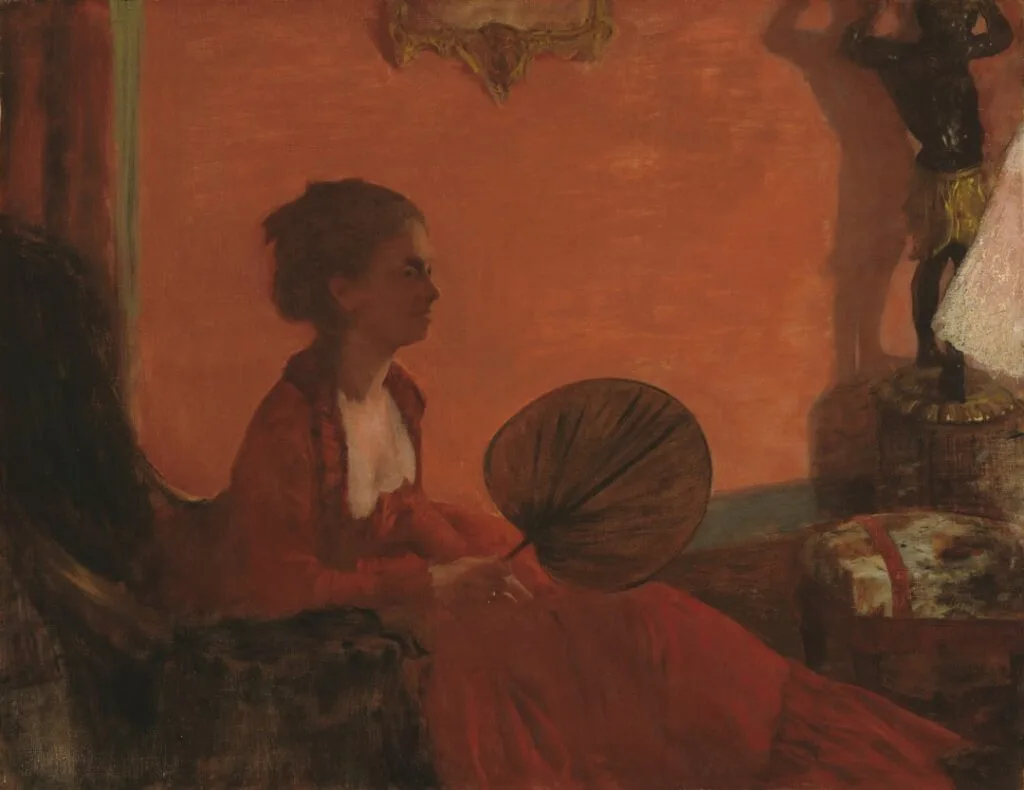
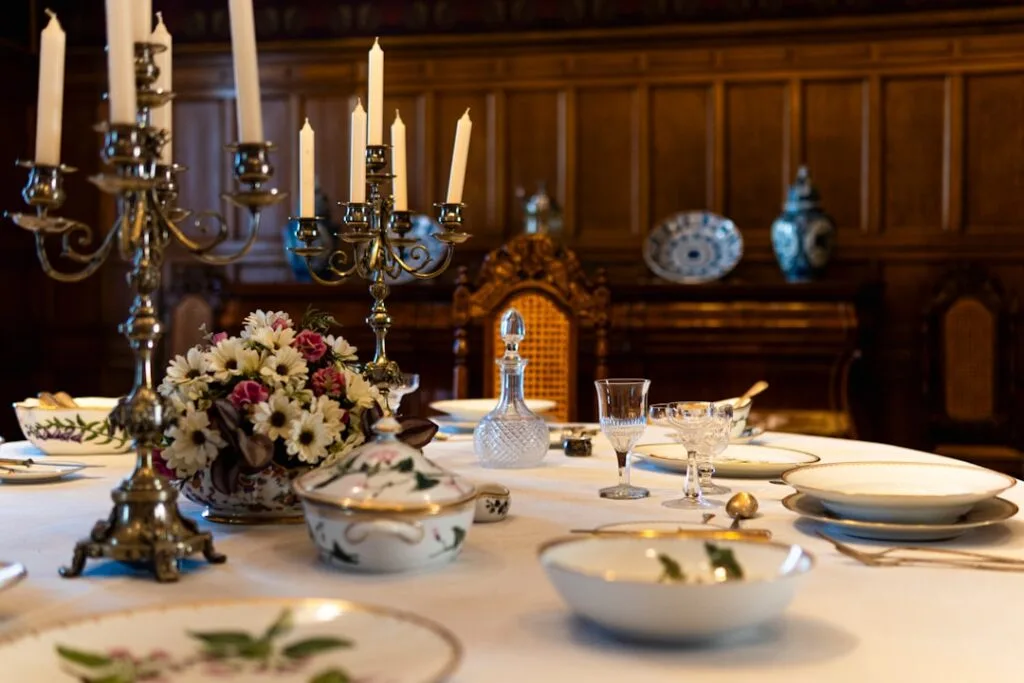
Route “Daily life and intimacy”: visit the private chambers, the service kitchen and the storerooms. Observe reconstructed menus, tableware and kitchen notes — they reveal the sovereigns’ personal tastes. Also look out for discreet graffiti in some corridors: soldiers, servants or children sometimes left informal marks on otherwise strictly official walls.
Route “Art and collectors”: focus on the adjacent Galleria Sabauda and the cabinets of curiosities. Flemish paintings, Italian sculptures and Oriental objects show the Savoys’ eclectic taste and their role in a European art market. Check the labels and inventory numbers: they help trace each work’s acquisition history.
Secret anecdote: a secondary room in the palace is said by curators to contain a small lacquer box with love letters exchanged between two members of the House of Savoy, sealed and rarely displayed. These marginal objects humanize the official image of power. Another secret involves a discreet passage that once led to the service areas and servants’ quarters — closed to the public today but documented in the palace archives.
Additional information
For any specific questions (reduced mobility access, group visits, professional photography requests or loans), contact the Palazzo Reale reservations service: information and ticketing are available on the official Polo Reale Torino website or by phone via the ministerial or Sovrintendenza contacts. Temporary exhibitions and events (musical evenings at the Teatro di Corte, readings, night tours) are regularly scheduled: check the online calendar before your arrival.
Conclusion — Why the Palazzo Reale deserves your visit
The Palazzo Reale di Torino is far more than a monument: it’s the epicenter of a history that links sovereigns’ private lives to the decisions that shaped the Italian nation. Between state rooms and private corners, collections of arms and hidden gardens, every visitor finds an angle that resonates — whether you’re into architecture, military history, sacred art or simply looking for a beautiful cultural stroll.
The palace’s tangible and intangible wealth — tapestries, ceilings, armours, correspondence — provides a full palette to understand the complexity of the Savoys. The practical information in this article (address: Piazza Castello 107, 10122 Torino, indicative hours and prices) is designed to help you optimise your stay: online booking, combined tickets, themed routes and local tips will let you tailor your visit. The Giardini Reali offer a welcome green breath after the decorative abundance of the interiors, and neighbouring museums like the Palazzo Madama and the Museo Egizio extend the discovery in complementary directions.
Finally, don’t overlook the small details that make the difference: take the time to study a carved frieze, a jewellery clasp or a tapestry motif; ask questions to guides and curators; sign up for a themed tour to understand the palace’s chronological and technical secrets. The Palazzo Reale is a living place — it keeps revealing itself through restorations, exhibitions and historical research. Each visitor leaves not only with spectacular images but with a deeper understanding of the Savoys’ role in shaping Italy’s cultural and political fabric. Pack your walking shoes, your curiosity and your camera (respecting museum rules), and let the stories and secrets of this Turin jewel carry you away.