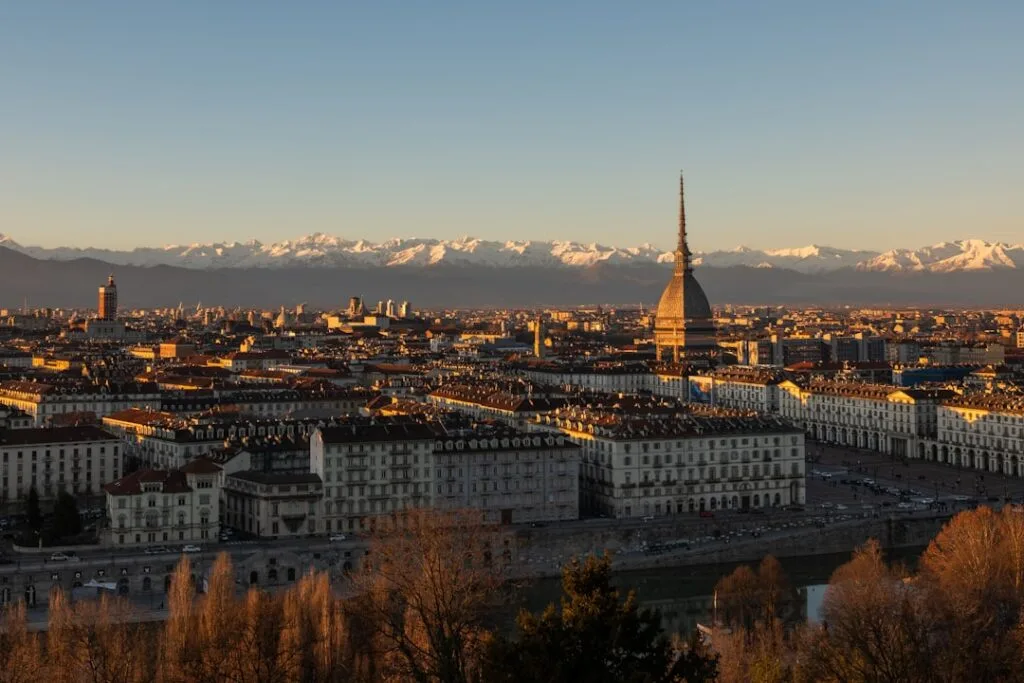






Introduction — Morning Strolls at Porta Palazzo Market: A Splash of Color and Flavor
In the heart of Turin, tucked beneath baroque façades and just a shout away from sleepy morning cafés, the vast stage of the Mercato di Porta Palazzo unfurls each day. Picture a sea of stalls, bulging baskets, faded shop signs and intermingled scents — warm bread, fresh cilantro, olive oil, fish still glistening — and you’ve taken your first breath of a city waking up. Wandering here at dawn means syncing to a town that feeds itself and tells its stories through produce. Languages drift together: Italian, Arabic, Romanian, Albanian, with a twang of Piedmontese dialect composing a lively soundtrack as daylight slides over cardboard and cloth.
The Mercato di Porta Palazzo, officially at Piazza della Repubblica, 10152 Torino TO, Italia, is often billed as Europe’s largest open-air market. Beyond the headline, what really strikes you is the variety: Piedmont specialties sit alongside Mediterranean imports and exotic stalls in a popular urban map where neighborhood histories are traded as much as goods. Many of the sellers have been here for generations — they know the regulars by name and give guidance with calm confidence: “Oggi il pomodoro è dolce” (today the tomato’s sweet), “assaggia questo formaggio” (try this cheese).
For the early visitor, Porta Palazzo is a full-on sensory experience. The show often starts before official opening: vans unload cages of vegetables, pale heads of lettuce, crates of blushing peaches. The colors pop — the deep red of beefsteak tomatoes, emerald broad beans, sun-bright lemons. Prices shift with supply and season: an espresso at a nearby bar will run about €1.00–1.50, a rustic loaf of bread might cost €2.00–5.00, while a kilogram of fresh Piedmontese pasta often falls between €3.00 and 6.00 depending on the type.
But Porta Palazzo is more than shopping: it’s a people-watching haven and a place for chance encounters. Visitors photograph (with respect), jot notes, taste items recommended by strangers and usually leave with a bag of ingredients and a story. Mornings are especially rewarding: the air is cool, the light highlights textures, and traders have time to chat. So set your alarm early, get lost in the aisles, breathe, sample and converse: the market’s true value isn’t only measured in euros spent but in shared moments and newly discovered flavors.
Market Atmosphere and Color (morning light and human scenes)
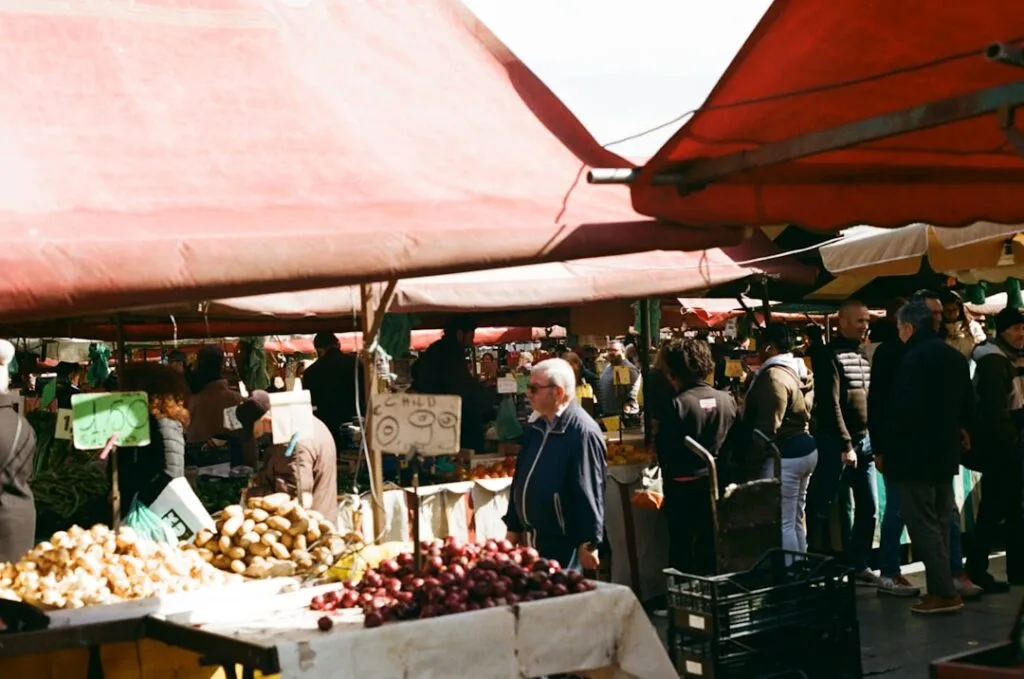
Wandering Porta Palazzo at first light is stepping into a choreography of repeated yet never-identical movements: hands sorting eggplants, an assistant stacking crates of oranges, a vendor offering a slice of cheese to taste. The main alleys, occupying Piazza della Repubblica and running toward Via Borgo Dora, bloom with swaths of color — patterned hats, bolts of fabric, bunches of parsley — changing with the seasons. The ground carries the signs of life: splashes of water, crumpled paper bags, and the occasional cat weaving between customers’ feet.
Morning light matters: from about 7:00–8:00 the low sun chisels the produce, making tomatoes almost translucent, revealing the crusty texture of a loaf and making fish scales sparkle on beds of ice. That’s why many photographers and enthusiasts come at this hour to capture soft contrasts and intense hues. On the sound side, the market composes its own symphony: vendors calling out, lively conversations, the rustle of bubble wrap and the clatter of crates. It’s as much a place for exchanges as transactions, where cooking tips are passed along like friendly advice.
 Click here to discover Turin’s sweet treats on a walking tour
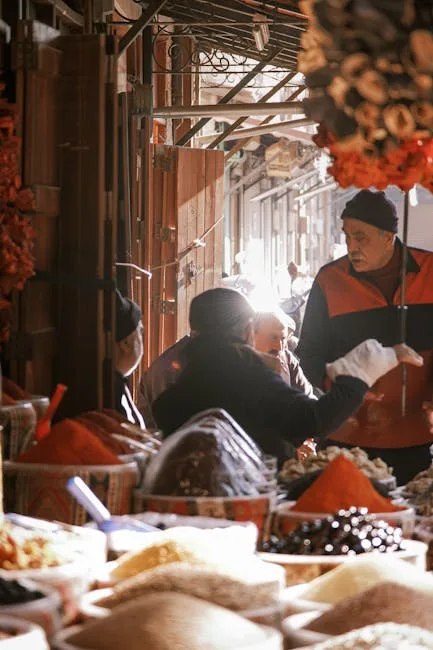
The neighborhood’s cultural variety shows up in the produce palette: North African herbs, Balkan spices, buffalo mozzarella, and the best of Piedmont’s terroir — cheeses, cured meats and truffles when they’re in season. The combinations can be surprising: a Turkish stall beside a display of Piedmont fruit, a woman selling fresh cilantro steps a few feet from an Italian rotisserie. The market is a small world unto itself, a city within the city where every stand tells a story of origin.
Stalls and Must-Try Products (flavors, prices and discoveries)
Among the stands that leave an impression, a few deserve to be treated as stops on any route. Start at a bakery: a ciabatta or country-style loaf straight from the oven generally costs between €2.00 and €5.00. Grab an espresso at one of the bars near the market for roughly €1.00–1.50 and watch the morning traffic. Then head to fruit and veg: in season, local peaches might sell for around €2.00 / kg, beefsteak tomatoes about €3.00–4.00 / kg, and fresh herbs are often sold by the bunch for €1.00–2.50.
Click here to sample chocolate and wine at a tasting
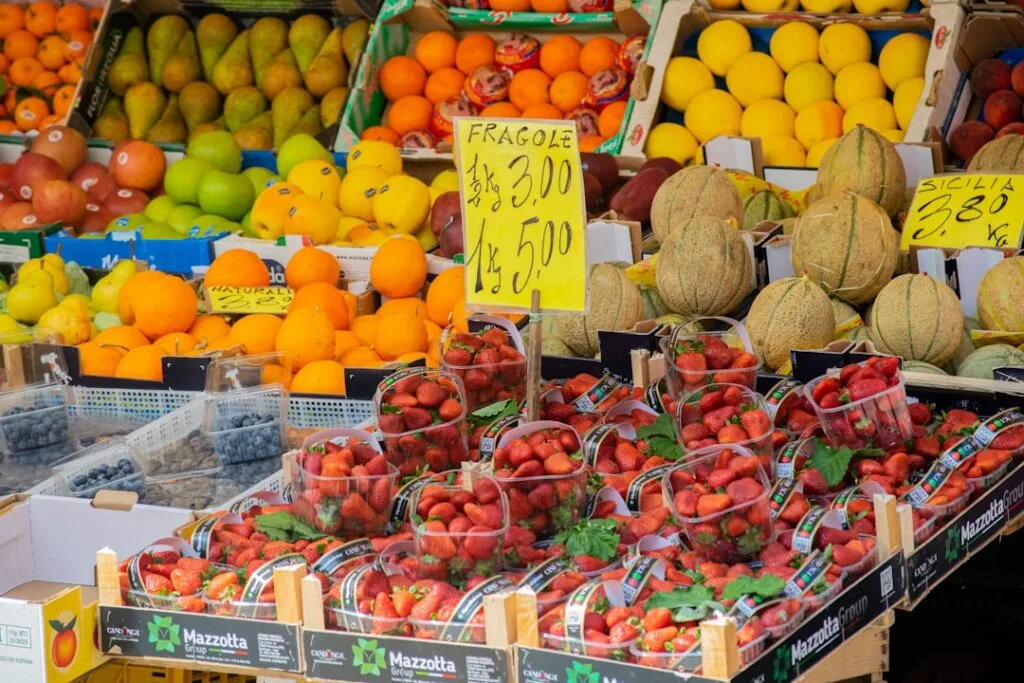
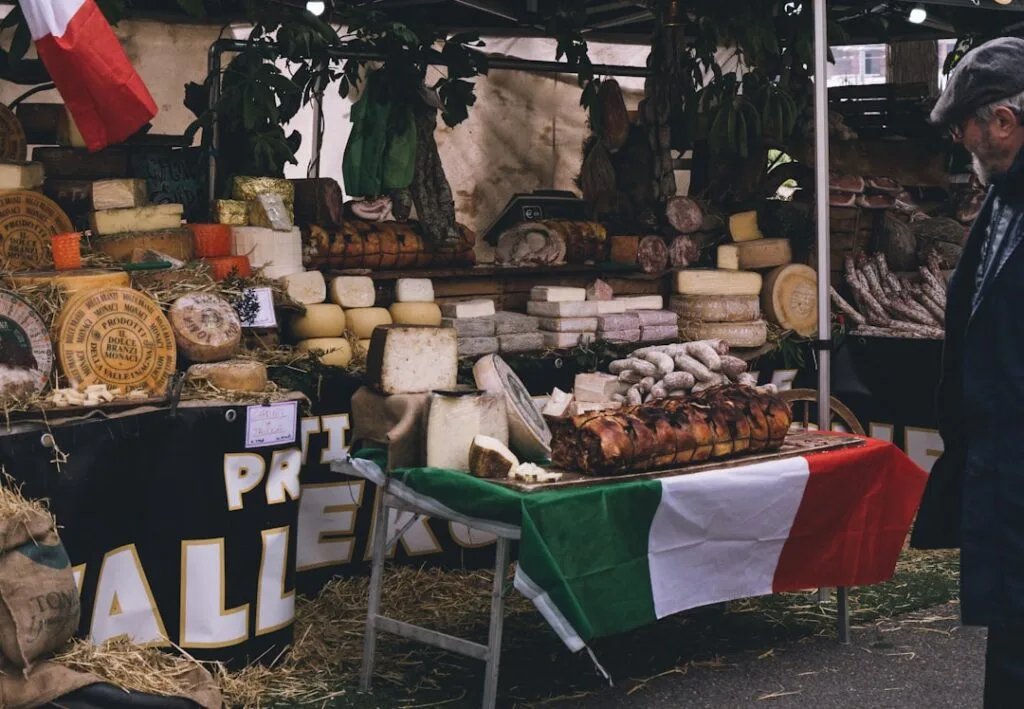
Lovers of fine foods shouldn’t miss the cheese and charcuterie stalls. A well-aged Piedmontese cheese (think Castelmagno or Robiola) can cost between €15.00 and €30.00 / kg depending on maturation; local cured sausages range from €8.00–20.00 / kg. For mushrooms, porcini (boletus edulis) may reach €20.00–40.00 / kg; in autumn, Alba’s white truffles — when available — command very high prices (sometimes hundreds or even thousands of euros per kilogram depending on quality), so buy from certified sellers and do your homework.
Don’t skip the fishmongers: Mediterranean fish, shellfish and crustaceans are usually displayed on ice, with variable prices (a whole dorade or branzino might be around €8.00–15.00 / kg depending on the catch). For exotic items, expect spices, South American vegetables and North African staples, often competitively priced. It’s also a great spot to buy fresh handmade pasta and tortellini: budget roughly €3.00–6.00 / kg for artisanal productions.
Nearby Addresses and Landmarks (extra visits and walks)
Porta Palazzo isn’t isolated — it’s a perfect walking-off point for exploring Turin. About 10–15 minutes on foot sits the Mole Antonelliana, at Via Montebello, 20, 10124 Torino TO, where the National Cinema Museum offers panoramic views from its top (hours vary; adult tickets around €9–12). A short stroll toward the center takes you to the Palazzo Madama (Piazza Castello, 10122 Torino TO) with its art and history collections — check opening times, often 9:00–18:00.
Click here to visit the National Cinema Museum and the Mole Antonelliana
Click here to visit the Museo Egizio with skip-the-line entry
For a riverside stroll, head to the Castello del Valentino (Corso Massimo d’Azeglio, 22, 10126 Torino TO), nestled in Parco del Valentino — a pleasant route to digest your market purchases: trees, riverbanks and cafés line the walk. The Museo Egizio (Via Accademia delle Scienze, 6, 10123 Torino TO) is also nearby and worth a visit for its Egyptology collections (check hours and prices on the official site).
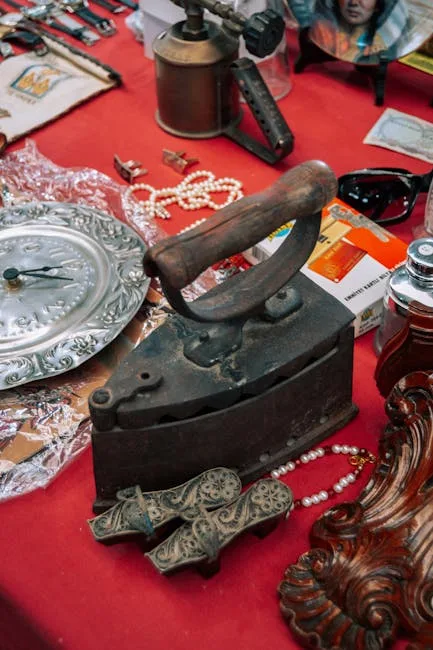
Close to the stalls, the Balôn flea market in the Borgo Dora district is worth a detour, especially on Saturdays: antique dealers, vintage stalls and secondhand sellers spill along Via Borgo Dora, 10152 Torino TO (often held Saturday mornings, vendor hours roughly 6:00–17:00). These walks combine heritage, food and popular shopping in a satisfying mix.
Practical Tips for a Successful Visit (hours, safety, how to buy)
General hours: the Mercato di Porta Palazzo primarily runs in the morning. Most stalls open from about 6:00–7:00 and close around 13:00–14:00 Monday through Saturday. Some counters and bars nearby stay open later. The Balôn antique market (Borgo Dora) buzzes especially on Saturday mornings. Note that individual vendors may adjust opening times with the seasons and holidays.
Practical safety: bring cash (euros) for small purchases — many stalls accept cards but a lot still prefer cash. Use a sturdy bag and avoid flashing valuables; as in any large urban market, stay alert for pickpockets. Choose early hours to beat crowds and get the best selection of fresh produce and time to talk with vendors.
- Transport: the market is roughly a 10–15 minute walk from the station Piazza XVIII Dicembre (Porta Susa) — useful address: Piazza XVIII Dicembre, 10138 Torino. Taxis and trams are quick from the historic center.
- Baggage and purchases: if you plan to buy perishables, bring an insulated bag or plan to consume them the same day. Cheeses and cured meats can often be vacuum-packed on request at some stalls.
- Language: a little Italian helps: “Quanto costa?” (How much?) and “Posso assaggiare?” (Can I taste?) open doors. Vendors are usually patient and welcoming.
Finally, respect local rules: don’t leave litter and prefer buying from small producers; many livelihoods depend on the market. If you come in a group, choose less busy hours and take time to chat: the best finds sometimes come from a five-minute conversation with a passionate seller.
Conclusion — A Turinese Morning Among the Stalls
The Mercato di Porta Palazzo is far more than a place to stock up: it’s a social observatory, a conservatory of flavors and a stage for everyday life in Turin. Meandering its aisles at dawn means allowing yourself to be surprised — by a recipe whispered under the breath, an unexpectedly delicious fruit, or the warm gesture of a vendor offering a sample. Nearby spots like the Mole Antonelliana (Via Montebello, 20, 10124 Torino TO), the Museo Egizio (Via Accademia delle Scienze, 6, 10123 Torino TO) and the Castello del Valentino (Corso Massimo d’Azeglio, 22, 10126 Torino TO) make the visit complete: food, culture and riverside walks.
Practically speaking, favor mornings (stall openings roughly 6:00–7:00, closing around 13:00–14:00), bring cash, a suitable bag and a respectful attitude toward sellers. Prices vary by season and quality: an espresso for ~€1.00–1.50, bread €2.00–5.00, cheese €15.00–30.00 / kg for aged products, fresh pasta €3.00–6.00 / kg. Above all, follow your nose and your curiosity: the best market discoveries are often impulsive, born from an unlikely tip or a randomly spotted stall.
Whether you’re a traveler hunting authenticity, a foodie after a rare ingredient or simply a morning wanderer, Porta Palazzo delivers a full and accessible experience. When you leave, remember the textures, colors and voices that marked your route — they tell the story of a city that reinvents itself each morning through what it eats and the people who share the meal. Enjoy the market, and above all, buon appetito!
>